



























Top 10 Largest Museums in the World

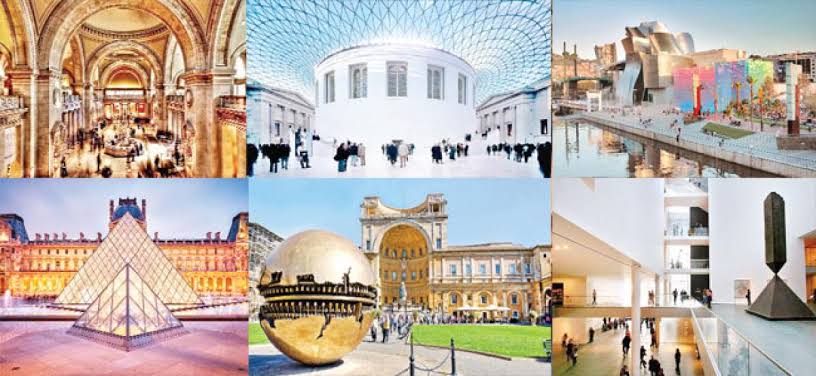
More than mere repositories of art and artifacts, the world's largest museums have become monumental expressions of civic identity, ambition, and cultural continuity. These vast architectural feats don't just house history; they make it. Designed with enduring materials and visionary intent, they are spaces where the past, present, and future converge under soaring atriums, subterranean vaults, and immersive digital galleries.
Each museum in this curated list tells a story beyond its exhibitions, one of national pride, urban transformation, and the transformative power of architecture. Whether carved from stone or clad in glass, these buildings stand as testaments to humanity's desire not only to remember but also to inspire.
1. Louvre Museum, Paris, France
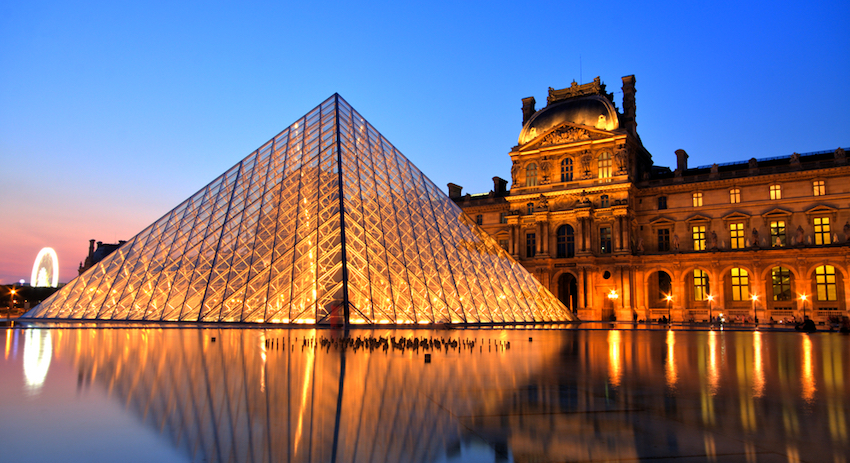
Visitors make the Louvre the most visited museum in the world, and its size makes it the largest by a considerable margin. It covers 758,000 square meters (8,160,000 square feet) and stands on the site of a 12th-century fortress. The museum layout is an integration of old stone walls with modern glass and steel, most famously seen in its central pyramid designed by architect I. M. Pei.
The designers have divided the museum into three wings, each covering several types of relevant art and historical periods. Skylights and long corridors guide visitors through spaces holding over 30,000 artworks. Though people know it for the Mona Lisa, the Louvre impresses just as much for how it uses its huge size without losing focus.
2. State Hermitage Museum, Saint Petersburg, Russia
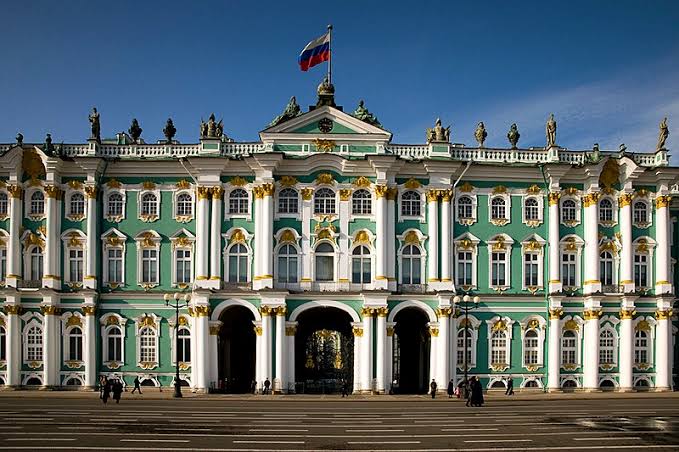
The Hermitage spans 233,345 square meters (2,511,700 square feet) and includes six large buildings, the most famous being the Winter Palace. The museum blends Russian imperial style with massive gallery halls filled with sculptures, murals, and ancient objects from across Europe and Asia.
Each hall features arched ceilings, marble floors, and crystal chandeliers. Curators arrange art to let visitors experience both the works and the space, as it also houses the world's largest collection of paintings. Its model of mixing local history with global art makes it one of the world's great public institutions.
3. Metropolitan Museum of Art, New York City, USA
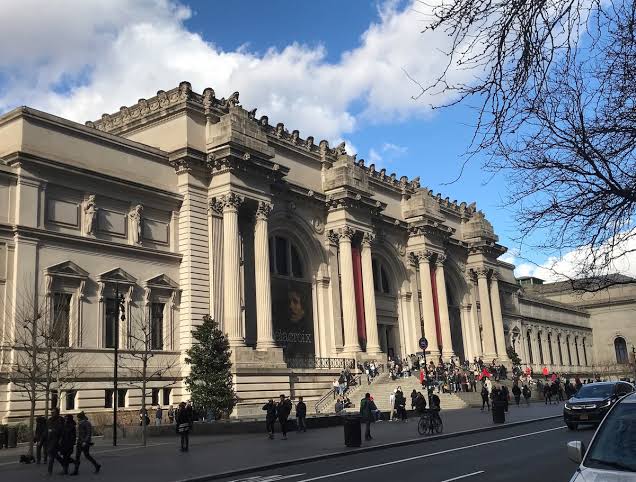
Situated on Fifth Avenue beside Central Park, the Met spans 200,000 square meters (2,200,000 square feet) and remains New York City's cultural heart. It houses over two million objects, including arms, textiles, and contemporary works, where each wing tells part of world history right from Egyptian tombs to modern American design.
The layout includes wide staircases, bright skylights, and galleries arranged by region and medium. Rooftop spaces, classrooms, and hidden storage below street level add layers to the space. Moreover, what makes the Met special is how it combines quiet study with large crowds in a clean and calm environment. Newer wings now focus on designs from Africa, Latin America, and Asia.
4. National Museum of China, Beijing, China

A massive institution preserving national history on the east side of Tiananmen Square. The museum spans 191,900 square meters (2,066,000 square feet) and reflects China's effort to shape its cultural story. The government of China formed it by combining the Museum of Chinese History and the Museum of the Chinese Revolution into a single complex of excellence.
Architects designed the structure with a long, rectangular layout using grand columns and solid concrete framing. A wide entrance plaza and side gardens allow room for large crowds. Inside, curators use huge walls to display calligraphy, war relics, inventions, and artwork from ancient dynasties to modern times.
Engineers and designers added digital screens, multi-language support, and advanced climate control. More than just a gallery, this museum serves as an educational and political tool as its immense size allows China to tell its own story with pride and permanence.
5. American Museum of Natural History, New York City, USA
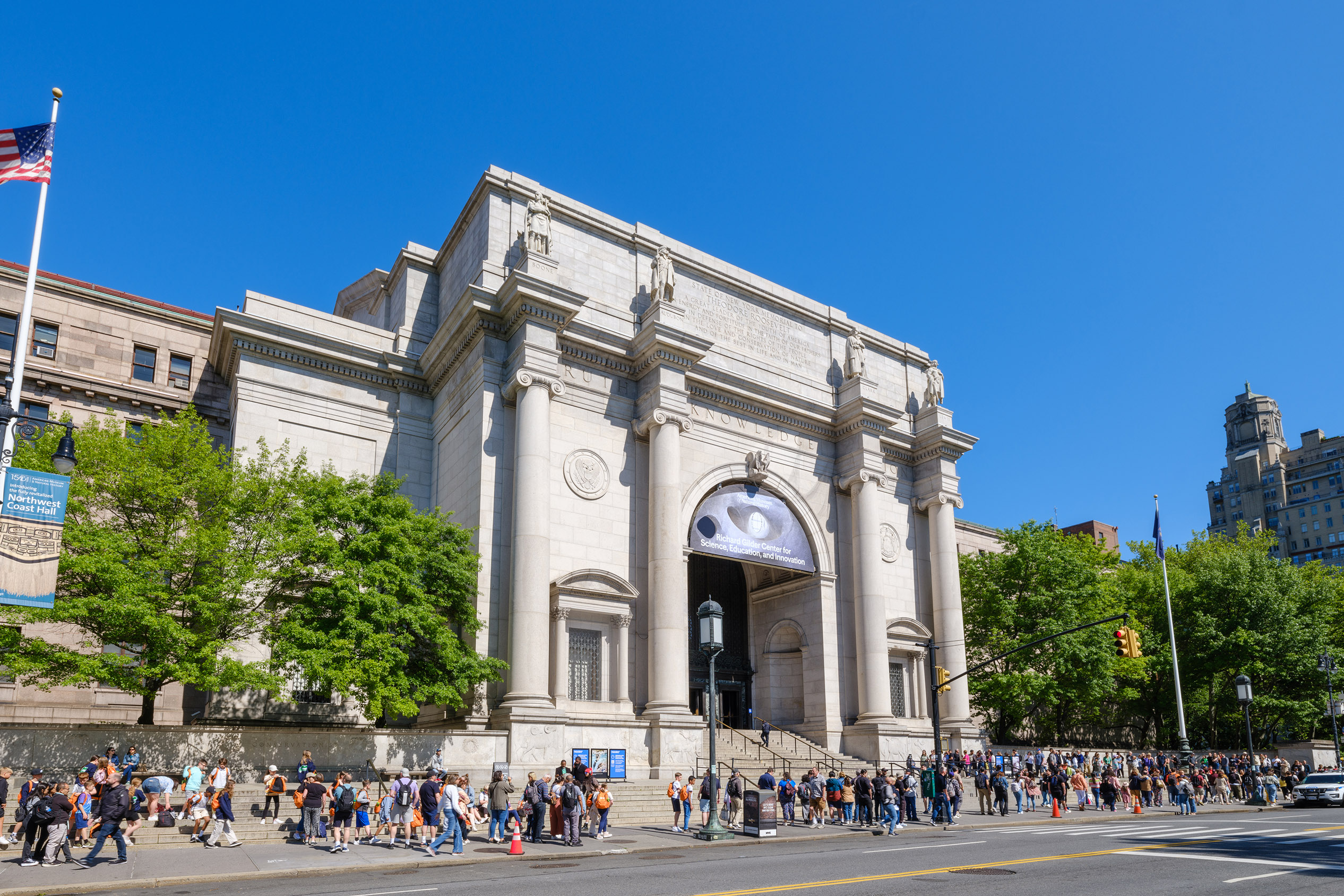
Covering 166,296 square meters (1,790,000 square feet), the museum houses fossils, minerals, and space science under one roof. Situated beside Central Park, it includes 26 interconnected buildings, including a planetarium and research labs.
Even with its massive size, the museum focuses on education, where every floor features clear labels, hands-on models, and live talks. This balance of science, design, and accessibility makes it a global model for future museums.
For anyone curious to learn the art of creating such futuristic cultural environments, PAACADEMY has a course called Creative Artifacts, which includes a study on experimental museum typologies and design theories.
6. Palace Museum, Beijing, China
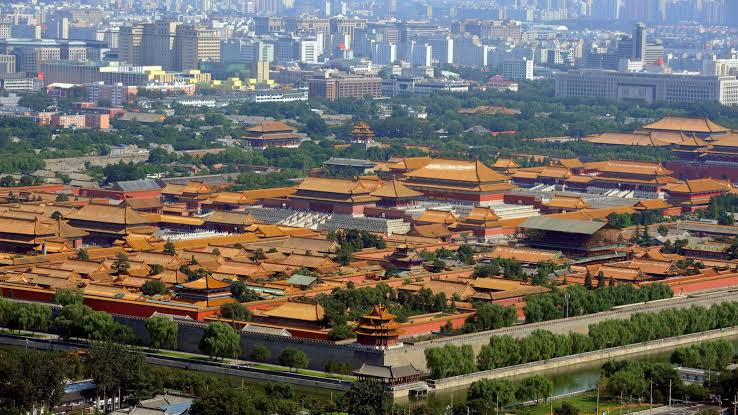
Also known as the Forbidden City, this museum covers 150,000 square meters (1,600,000 square feet). It features over 900 buildings that once served as the residence of emperors during the Ming and Qing dynasties. Architects designed each structure using traditional Chinese woodwork and roof styles.
The collection includes bronzes, rare books, and court records. Its layout, guided by feng shui principles, uses formal symmetry and wide courtyards. Restoration teams have maintained the buildings, and digital guides now map clear visitor routes. The Palace Museum stands as a bridge between royal tradition and modern national pride.
7. National Museum of Korea, Seoul, South Korea

A modern structure that centers Korean heritage inside nearly 1.5 million square feet of open space. This museum spans 138,156 square meters (1,487,101 square feet) and stands as one of Asia's most future-oriented museum buildings. Its low, horizontal form mirrors traditional Korean rooftops and mountain lines.
It sits by a tranquil lake with shaded walkways and landscaped gardens. Inside, curators present archaeology, Buddhist art, and regional culture in a time-based theme. Each floor grows in volume and brightness, whereas additional spaces include a library, lecture halls, and a children's museum. It's one of the few museums where space and serenity share equal importance.
8. National Museum of Natural History, Washington, D.C., USA
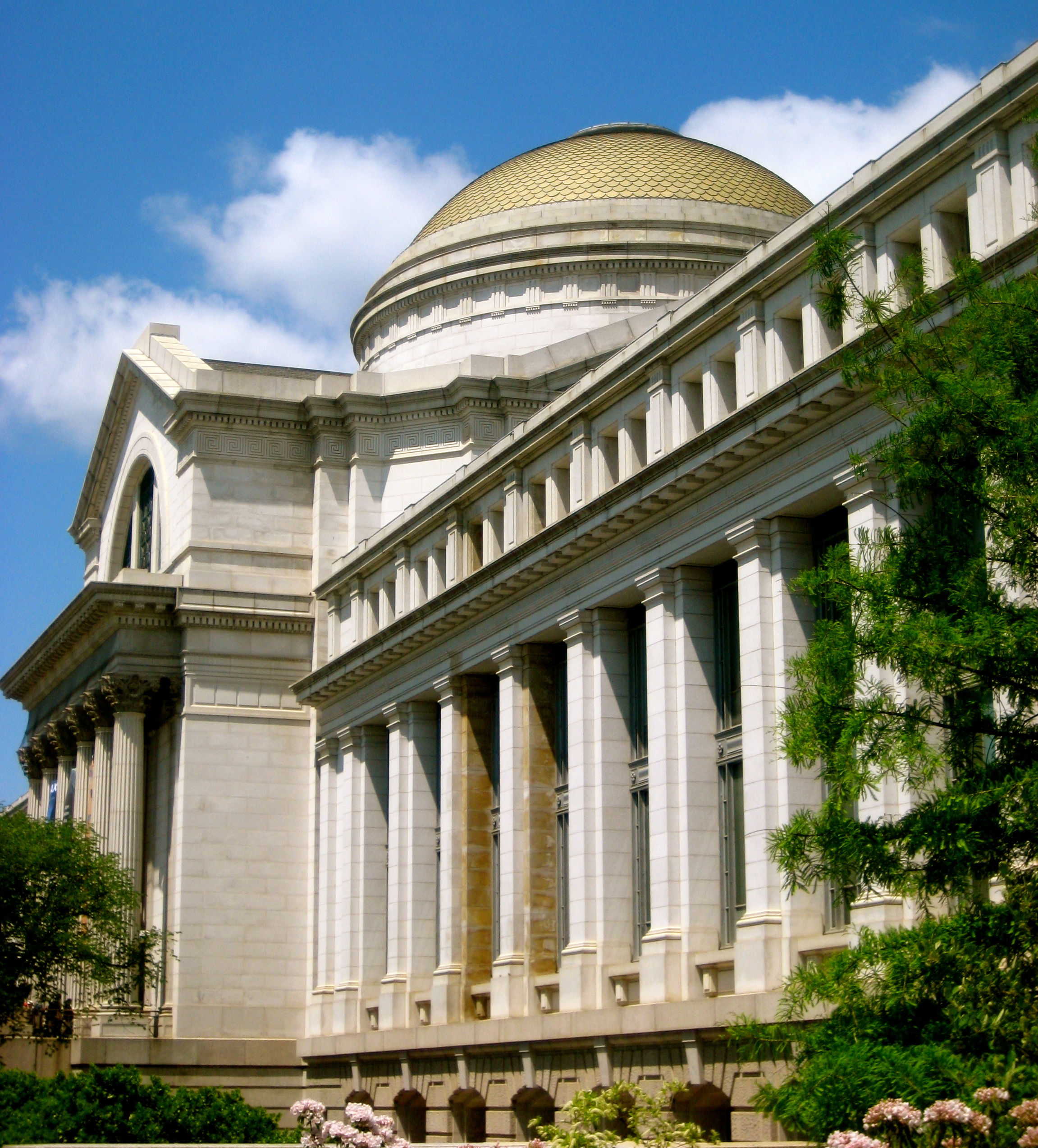
Located on the National Mall, this museum spans 123,000 square meters (1,320,000 square feet) and stands as a world-class exhibit of life sciences, geology, and anthropology. The classical stone pillars and dome contrast with the modern interior, a sight to behold with the Hope Diamond, a giant squid, and immersive labs.
A major Smithsonian museum with strong research wings, architects, and planners built the museum for high foot traffic. Wide paths, large elevators, and separate entrances for school groups make it accessible. Researchers continue working in upper-level labs and lower-level vaults.
9. National Gallery of Art, Washington, D.C
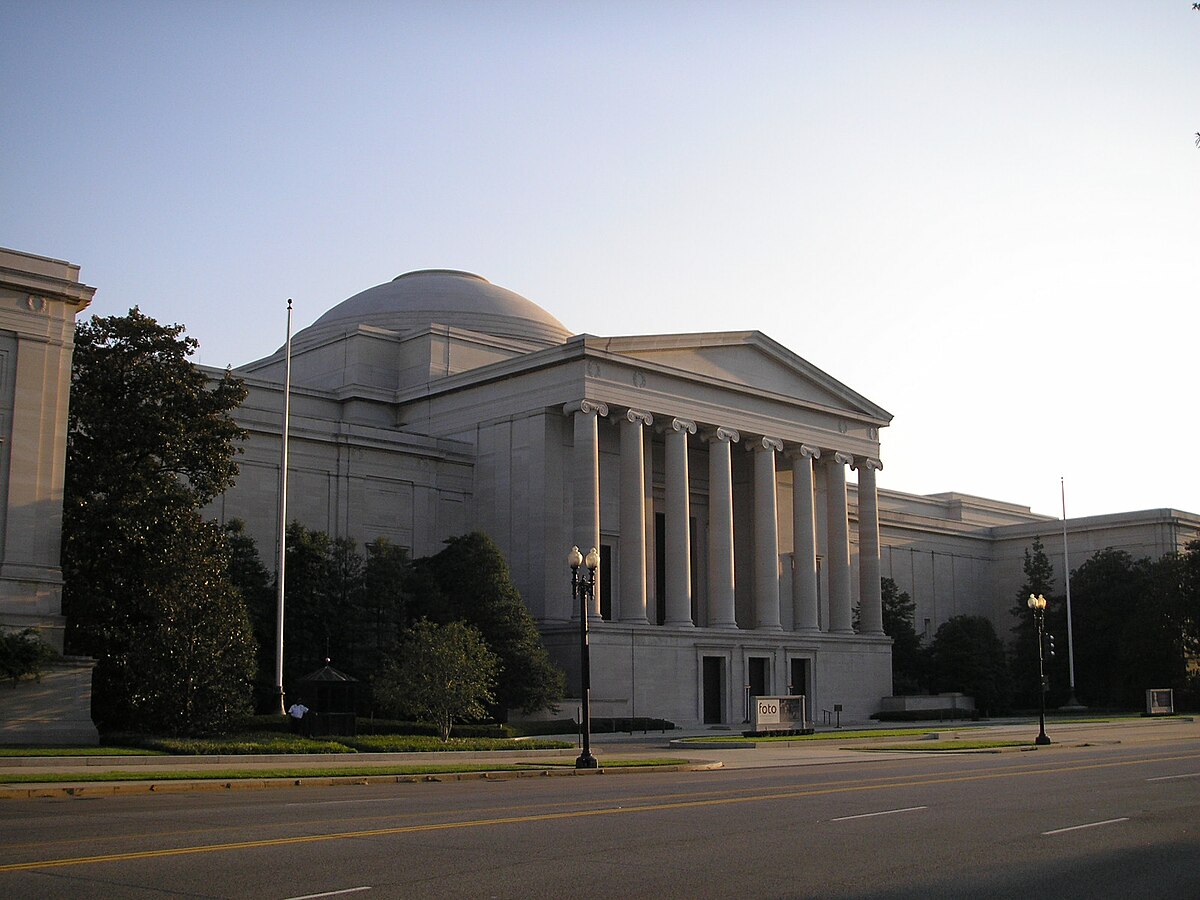
A two-building complex balancing classic European works and modern American art, the West and East Buildings in the National Gallery of Art cover 120,000 square meters (1,300,000 square feet). Designers connected them through an underground walkway with an artful light installation. The West Building features marble halls and classical works, while the East Building offers sharp lines and modern art.
Architects John Russell Pope and I. M. Pei designed the opposing wings. Visitors can explore staircases, quiet rooms, and outdoor sculpture gardens. Curators and engineers have added smart lighting and tranquil reading zones where the museum honors both tradition and innovation.
10. National Museum of the United States Air Force, Dayton, USA

Covering 104,000 square meters (1,120,000 square feet), the museum showcases over 350 aircraft in four huge hangars. Planes from the Wright Brothers to modern stealth bombers appear in full view, with some open for exploration.
Though focused on military history, the museum narrates a broader story about flight and human achievement. Its layout proves that practical design can still inspire awe in the world's oldest and largest military aviation museum.
These ten museums serve as the epicenter of art and science, attracting visitors and celebrating cultural diversity. From the old stone halls of Paris to the sleek walkways of Seoul, each structure uses its space with intent.
Design innovation with such physical giants is not just restricted to stone or steel. Size alone doesn't make a museum great. But when used well, space helps people explore history with calm, clarity, and curiosity. These museum projects show what's possible when architecture works hand in hand with culture.
Let me know in the comments which is your favourite museum.
Signing off
iQOO Moderator
Keep the Quest on
Please sign in
Login and share