




























TSMC Has Fired Employees Who Were Leaking Trade Secrets about 2nm chip process

Full-scale production of 2nm wafers is expected to kick off next year, with TSMC said to have four facilities on its home turf that will be operational and will have a production output of around 60,000 monthly wafers.
As the Taiwanese semiconductor behemoth races to gravitate to the new manufacturing process and fulfill orders for its lucrative customers like Apple, a new report states that some employees who were suspected of leaking trade secrets around the development and production of the 2nm node have not just been fired, but could potentially face severe legal action.
Taiwanese authorities are assessing whether this 2nm data theft could have a potential impact on national security, with TSMC and Samsung racing against one another to develop their own version of next-generation technology
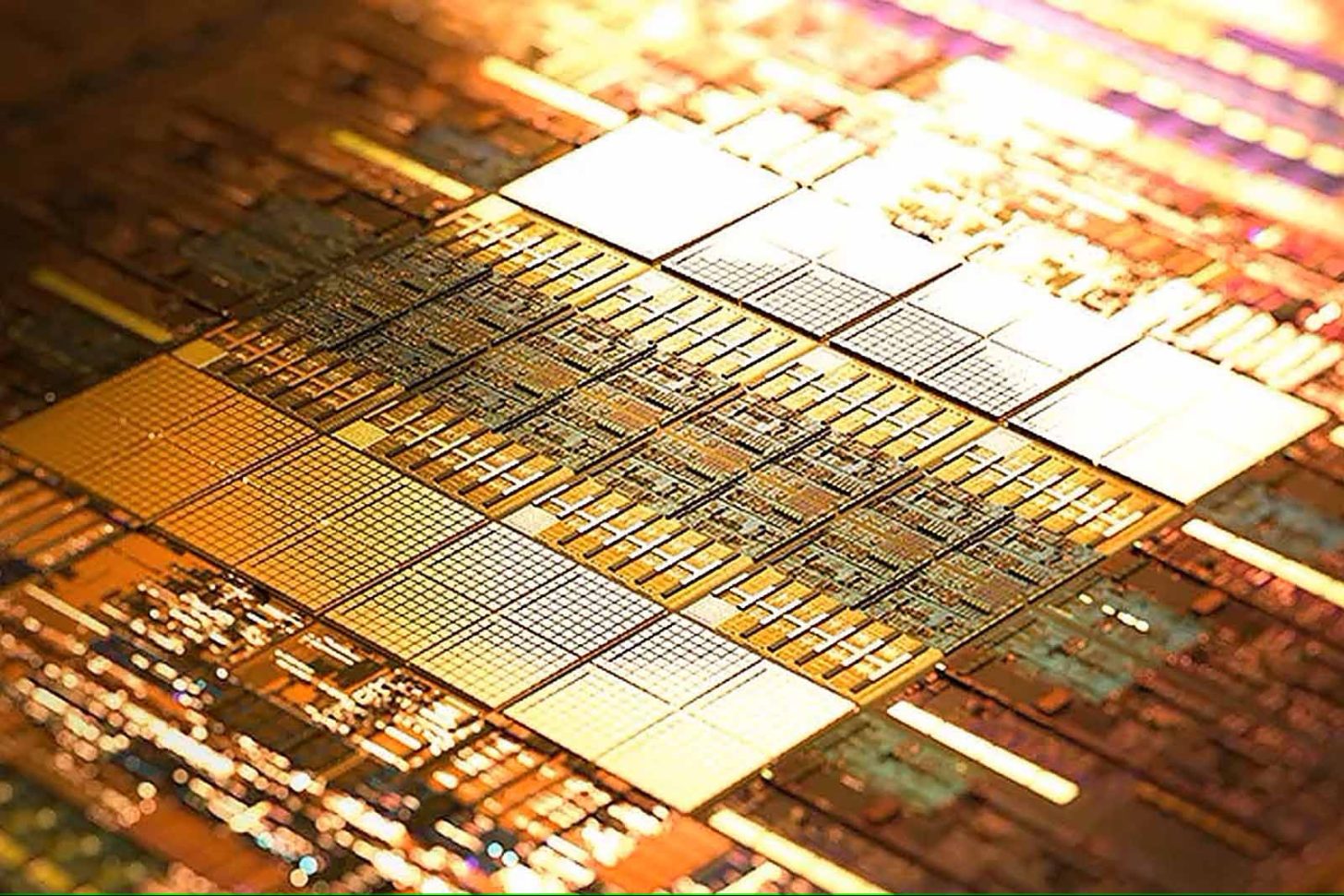
Unnamed sources informed Nikkei that former TSMC staff attempted to access confidential information revolving around the 2nm manufacturing process while they were still employed. The company stated that it found out about these ‘unauthorized activities’ during its routine checks, resulting in an immediate termination of everyone that was involved.
Given the highly sensitive nature of the incident, the report mentions that the High Prosecutors Office of Taiwan will be treating this case under the National Security Act of 2022.
Further investigation is being conducted by the division’s Intellectual Property Branch, which will determine the extent of this breach. At the time of writing, the report has not mentioned which competitor or country colluded with TSMC employees to allegedly steal vital information surrounding the 2nm node, but it should be mentioned that apart from the Taiwanese semiconductor manufacturer, Samsung and Rapidus are the only two entities that remain in the race for 2nm wafer development.
Given that China is lagging behind its rivals in this space, with its largest silicon producer, SMIC, limited to the 7nm process on the older DUV equipment, as U.S. export controls have banned the import of newer EUV machinery, the country would benefit the most from having this information dropped in its lap.
Then again, we cannot rely on mere speculation for a conclusion, and as always, we will continue to update readers on the latest, so stay tuned for more.
Source - WCCFTech
Signing off

Please sign in
Login and share