















Qualcomm eyes 6G FWA, multi-satellite operators

India, for us, is an incredibly important location
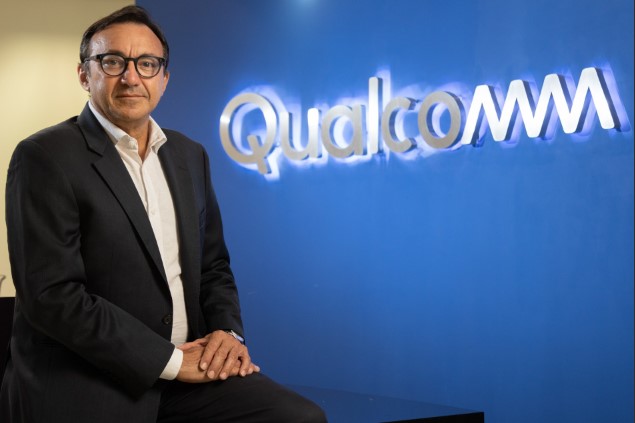
in terms of the creativity and the engineering teams here. We have a large base of engineers. There is a lot of collaboration between our global teams. The teams here bring dynamic energy and a local twist to how the markets are evolving and developing some of the new use cases in the global first wave that is happening here differently for the first time The US-based Qualcomm Technologies, a wireless technology provider is aggressively working on 6G fixed wireless access (FWA) and satellite connectivity as it seeks to take a leap into the future. In an interaction with ETTelecom's Muntazir Abbas, John Smee, senior vice president (engineering), global head (wireless research) at Qualcomm, talks on collaboration with Indian academia, India R&D capabilities, SG FWA and non-terrestrial networks (NTN). Edited excerpts.
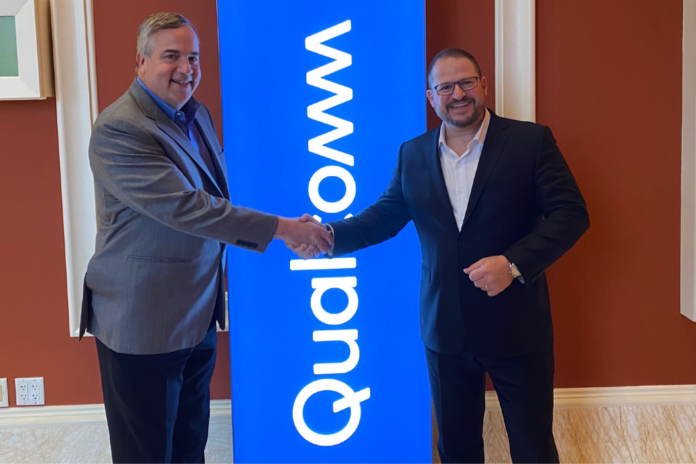
Qualcomm has been working with Indian institutes and universities. What investment are you making for such initiatives in India We are doing technological collaboration aspects on the Qualcomm platform to get into the students' hands, an augmented virtual reality headset, a robot, drone, or even a Qualcomm laptop. We are also working with the professors on the academic research that's getting published in journals, and regular academic funding of faculty and student fellowship.India, for us, is an incredibly important location in terms of the creativity and the engineering teams here. We have a large base of engineers. There is a lot of collaboration between our global teams. The teams here bring dynamic energy and a local twist to how the markets are evolving and developing some of the new use cases in the global first wave that is happening here differently for the first time.
India, for us, is an incredibly important location in terms of the creativity and the engineering teams here. We have a large base of engineers. There is a lot of collaboration between our global teams. The teams here bring dynamic energy and a local twist to how the markets are evolving and developing some of the new use cases in the global first wave that is happening here differently for the first time.5G FWA is an interesting area. But there is also a lot of discussion about where that should go next. For 6G, we are designing FWA to be even better, because FWA was such an important part of 5G in our discussions with operators. We want to make 6G even better, even with a a very compelling cost structure on the device side. We are trying to design a product with specifications so that 6G delivers improvements for that.
Drone is one. The other one is that I think it's important to think of consumer and enterprise. We see the huge gigabytes (GB) per month data consumption here in India. Enterprises can also have it. But I think what we see in the future is more experimentation around enterprise.From the 3GPP global standard standpoint, we are just about to finish Release 19. So 5G Advanced is something that builds on that 5G foundation. It delivers new use cases in terms of operator efficiency, including uplink performance, and improves location accuracy. So, there are some kinds of untapped benefits in cellular. There are also certain kinds of unique use cases that come in and then in different markets.5G Advanced is already happening. It's question of which operator is on which component of it. So, it's kind of a global aspect that they are bringing because it is something where the evolution of 5G into 5G Advanced is relatively smooth.
Redcap will be very important for unlocking some of that 5G value. 5G Redcap leverages the standalone (SA) network to have a slice of the network that enables it. In my view, the operators who are on NSA should eventually move to SA to get the benefits. Redcap is an important part of unlocking new kinds of price points and value it can offer.Redcap will be very important for unlocking some of that 5G value. 5G Redcap leverages the standalone (SA) network to have a slice of the network that enables it. In my view, the operators who are on NSA should eventually move to SA to get the benefits. Redcap is an important part of unlocking new kinds of price points and value it can offer.Satellite has been a part of Qualcomm's history since our founding. Globalstar network, for example, was designed by Qualcomm. When we look at satellite, we are making sure our chipsets support these constellations and these standardised approaches, 3GPP Release 17, as an example, brought in NR-NTN which is important because that enables the global scale we are going to try. This also means smartphones, smart cars and other things can have satellite connectivity.

We have been investing in wireless for many years. We have a huge team looking at 6G. So, one of the exciting parts of wireless is that you could say the cloud was revolutionary for 5G and 4G. What is transformative is AI and how it is changing networks that are going to be designed and deployed. Looking at future use cases where there is more traffic from the device to the network, our work on 6G is about ensuring that we think long-term for the technology, which is expected between 2030 to 2040, and things are changing quickly right now.There is also something called a narrow- band NTA. NBNTM, where we are already supporting on the product side for satellite-based connectivity. So, for us as a leading chipset provider, it is about ensuring our devices can talk to the different types of satellites and different constellations.
INFORMATION CREDIT : Google
Follow For More : @TESVIPER10
I QUEST ON AND ON 🖤 💛
Please sign in
Login and share