



























How to grow chikoo at home during monsoon: A step-by-step gardening tip

Learn how to grow chikoo (sapodilla) at home this monsoon with our step-by-step guide.
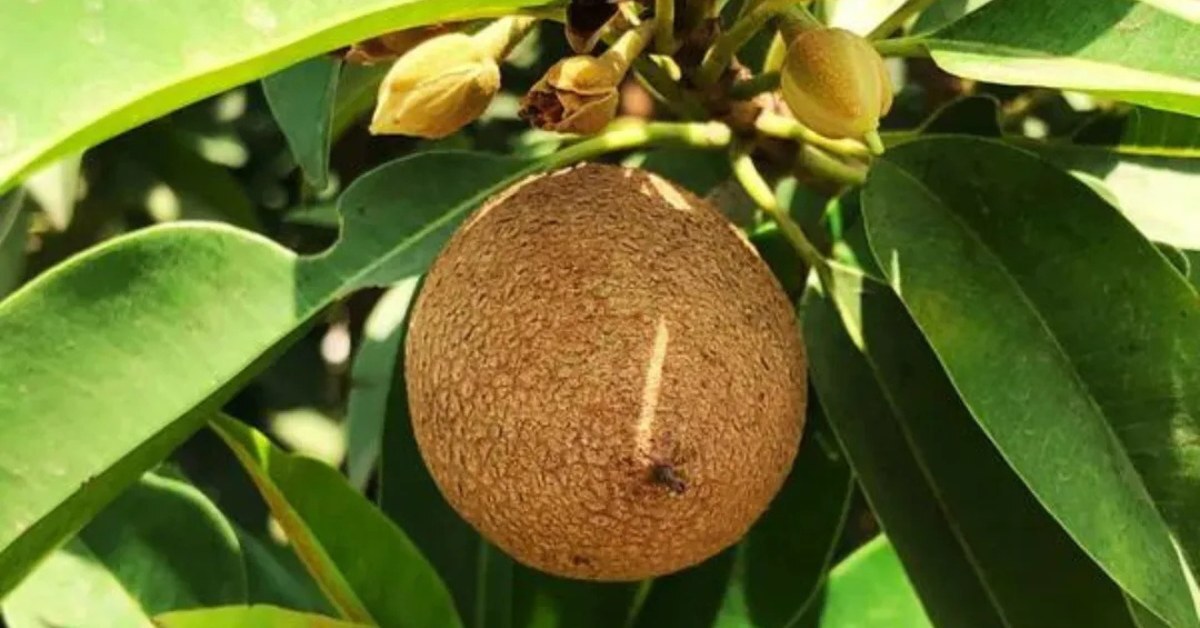
From choosing the right variety to planting, watering, mulching, and harvesting, discover everything you need to enjoy homegrown chikoo fruit right from your garden. Perfect for beginners and enthusiasts alike.
Something is charming about growing your fruit trees, watching a tiny seed take root, gradually grow, and one day reward you with fresh and sun-kissed fruit, picked straight from your garden.
1. Choose the right chikoo variety and planting material
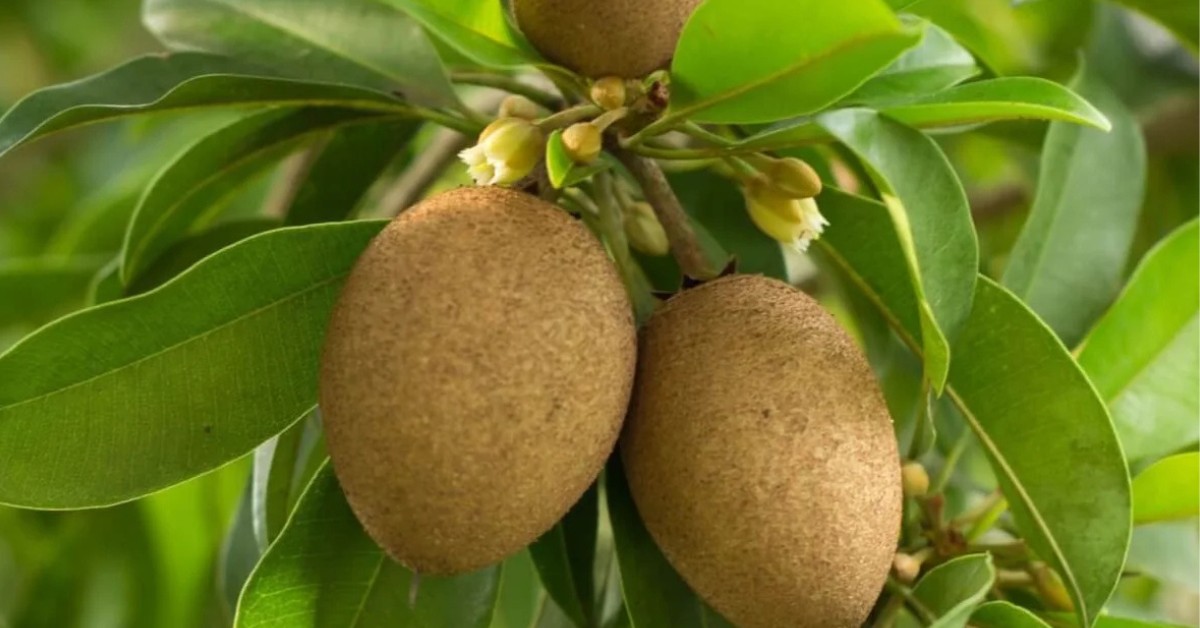
Starting on the right foot means choosing a variety that suits your climate and garden space. Chikoo varieties such as ‘cricket ball’, ‘kalipatti’, and ‘colada’ are widely cultivated for their sweet fruit and robust growth.
2. Find a sunny and well-drained spot for your chikoo tree

Chikoo trees flourish best in warm and sunny locations. Select a spot that receives a minimum of six hours of direct sunlight each day. This is crucial, as insufficient light can delay flowering and reduce fruit production.
Also, make sure there is enough space around the planting site, chikoo trees can grow up to 10-12 metres tall, so leave at least four to five metres of clearance from walls or other large trees to avoid overcrowding.
3. Prepare the soil by enriching and loosening
Preparing your soil properly is an important step often overlooked. Chikoo prefers slightly acidic to neutral soil. If you are unsure about your soil’s pH, get a testing kit from your local garden centre.
This organic matter provides nutrients and improves water retention and drainage, both critical for young chikoo plants.
If your soil is heavy clay, mix in coarse sand and organic matter to lighten it. For sandy soils, adding compost helps retain moisture and nutrients.
4. Plant your sapling or seed with care
When planting saplings, gently tease out roots that have become pot-bound to encourage outward growth. Place the sapling in the hole so that the root collar (where the roots meet the stem) is level with the surrounding soil surface. Backfill with the enriched soil, firming lightly but not compacting too much, as roots need air.
5. Water regularly, but avoid waterlogging
Watering chikoo during the monsoon requires a gentle hand. Although the rains provide plenty of moisture, monitor the soil to make sure it does not become waterlogged, as this can suffocate roots and lead to fungal diseases like root rot.
Use a watering can or drip irrigation to avoid splashing water on the leaves, which can spread fungal spores. Always water early in the day to allow foliage to dry before nightfall.
6. Apply mulch to maintain moisture and suppress weeds
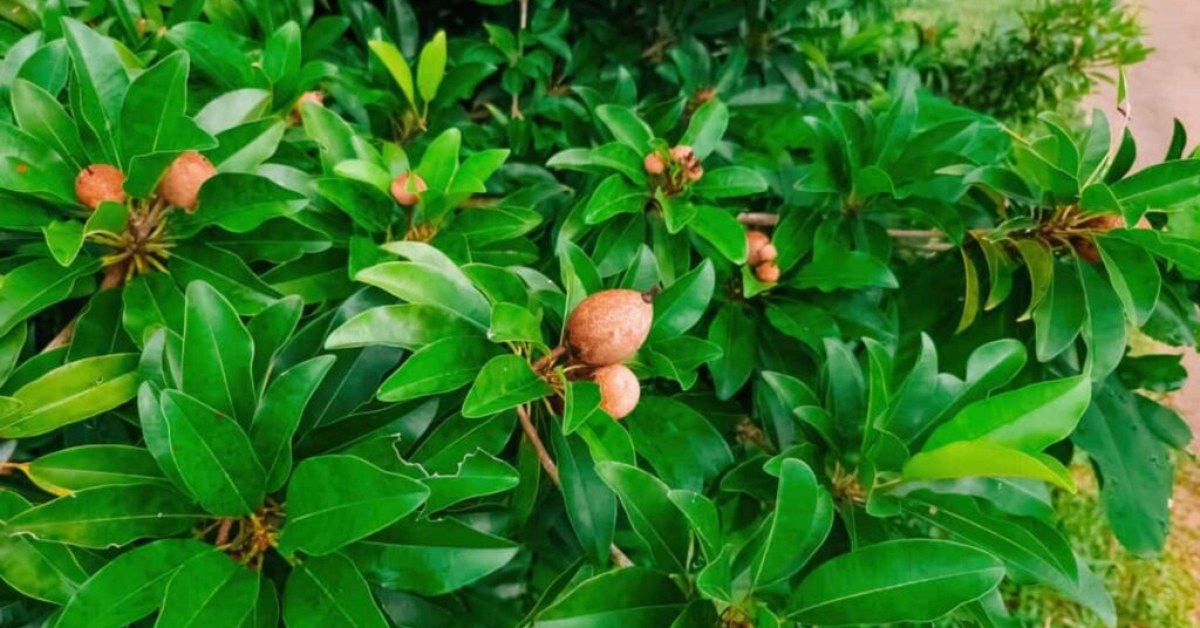
Mulching is a gardener’s best friend, especially during the monsoon. Spread a five to seven centimetres thick layer of organic mulch around the base of your chikoo tree, keeping it a few centimetres away from the trunk to prevent rot.
Mulch reduces evaporation, conserves moisture, keeps the soil temperature stable, and prevents weeds from competing for nutrients and water. After heavy rains, fluff up the mulch to prevent compaction and allow better air circulation.
7. Keep pests and diseases at bay naturally
Chikoo trees are generally hardy but can be troubled by pests such as mealybugs, aphids, and fruit flies. Regularly inspect leaves and fruit for signs of infestation, look for sticky residue, curled leaves, or small insects.
8. Feed your chikoo tree with balanced nutrition
Fertilise your chikoo tree every three months using a balanced NPK (nitrogen, phosphorus, potassium) fertiliser with equal proportions, such as 10-10-10. Nitrogen promotes healthy leaf growth, phosphorus supports root and flower development, and potassium aids fruit formation.
9. Prune your tree to encourage healthy growth and fruit
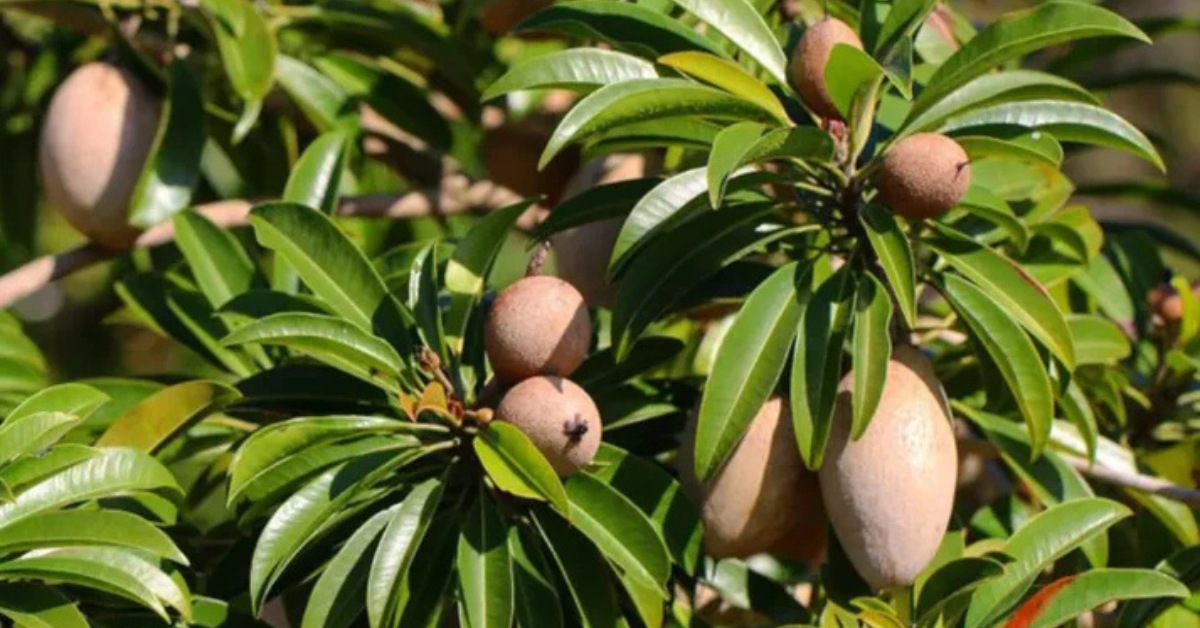
When your tree is two or more years old, begin pruning lightly during dry weather. Remove dead, diseased, or crossing branches to improve airflow and light penetration, which reduces fungal problems and encourages flower buds.
10. Harvest your chikoo at peak ripeness
Chikoo fruit does not fully ripen on the tree, so watch for fruits that are dull brown and slightly soft to the touch. When the fruit yields to gentle pressure, it is time to pick.
Source;TheBetterindia
Please like and follow

Please sign in
Login and share