



























Pallas’s Cat: The 5.2 Million-Year-Old Feline with Incredible Survival Skills

Pallas’s Cat is a rare and elusive feline species with fascinating survival skills, making it one of the most intriguing creatures of Central Asia.
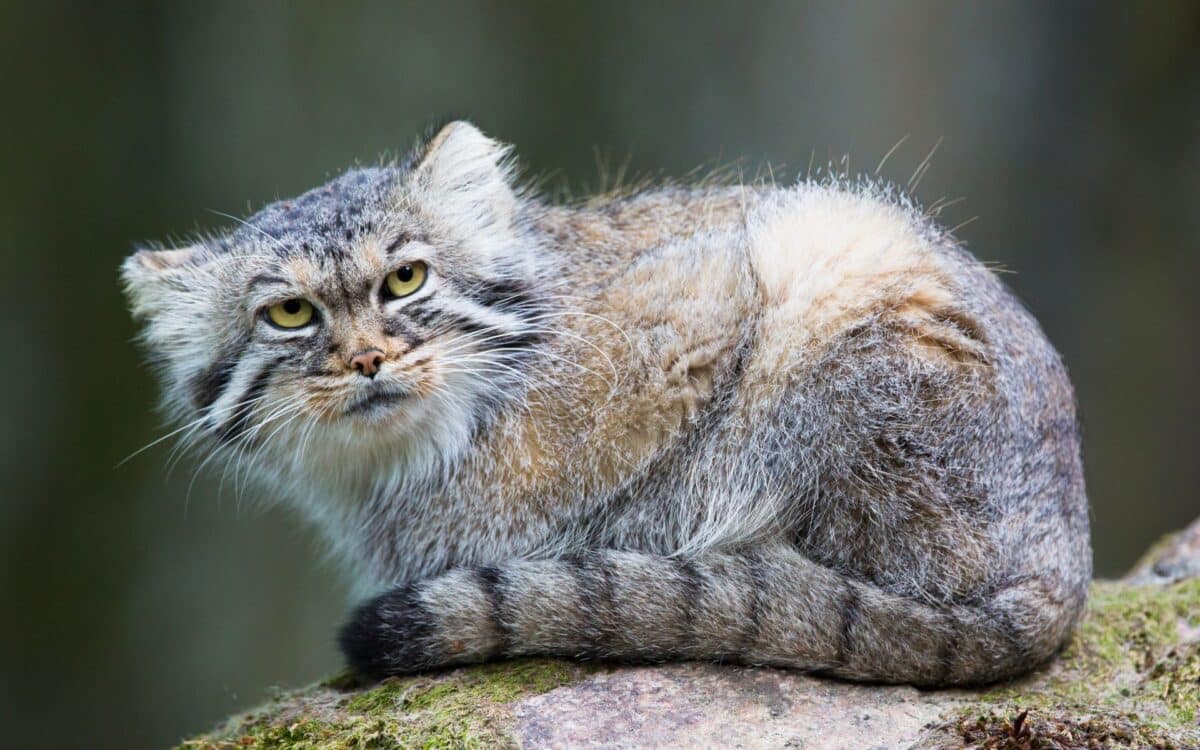
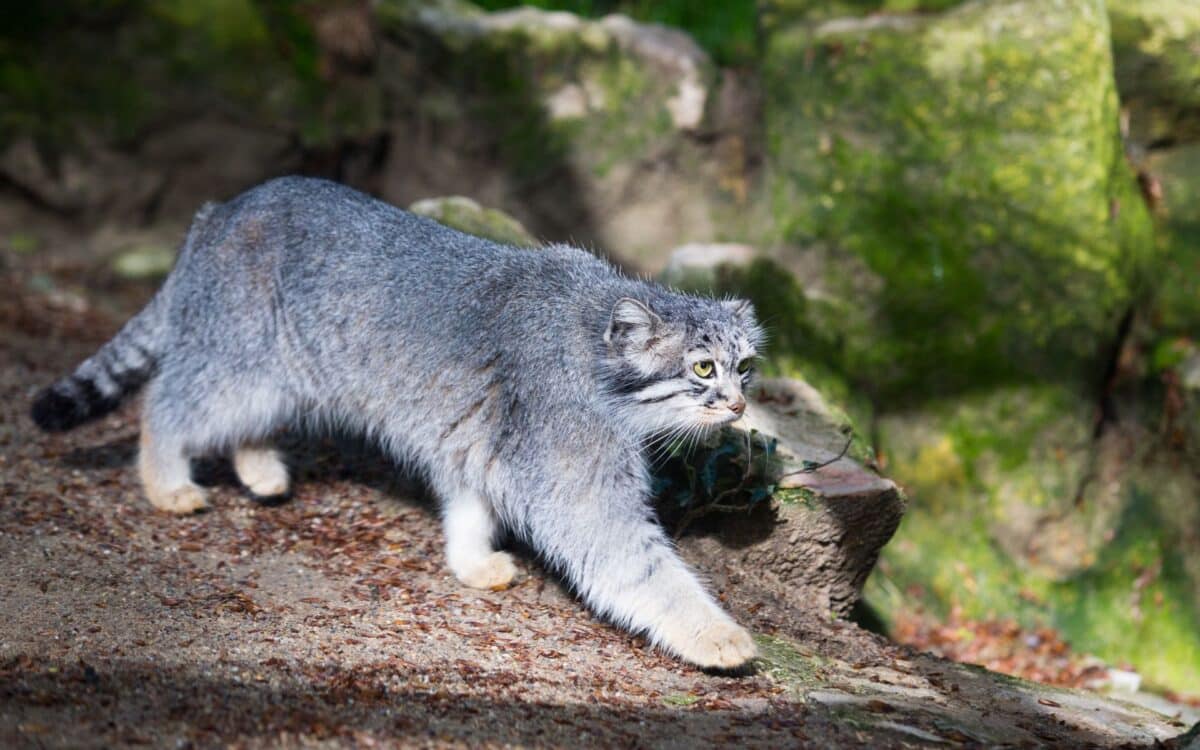
Pallas’s cat is a small, elusive wild feline species native to the rugged steppes and high-altitude grasslands of Central Asia. Its distinctive appearance is marked by short legs, a dense, frosted coat, and a bushy tail, which provides both warmth and camouflage in its harsh environment. This species, also known as the manul, is one of the oldest known cats, having evolved around 5.2 million years ago from a common ancestor shared with leopards.
Appearance and Adaptations
Pallas’s cat has a thick, dense fur coat that serves as vital insulation against the freezing temperatures of Central Asia. The coat is often frosted, with white-tipped hairs that help it blend seamlessly into the rocky landscape, providing excellent camouflage. The coat also changes color with the seasons, allowing the cat to remain well-concealed throughout the year.
Behavior and Hunting Habits of Pallas’s Cat
Pallas’s cat is primarily nocturnal, spending most of the day hidden in rock crevices or burrows. Its solitary nature and preference for seclusion make it a challenging species to study. The cat is a master of ambush hunting, often lying in wait at the exits of rodent burrows, where it can quietly pounce on its prey.
Its diet consists mostly of small mammals, such as rodents and hares, and occasionally birds. Pallas’s cat also uses its paws to reach into burrows and extract prey, an interesting behavior that showcases its dexterity.
Despite its cat-like appearance, Pallas’s cat’s vocalizations can be startling. When startled or scared, it produces a high-pitched yelp that sounds more like a small dog than a typical feline. This behavior is unusual for wild cats, as most are silent or communicate with growls and purrs. While the yelp may be the most distinctive sound it makes, Pallas’s cat can also purr and growl like other small cats, though it does so less frequently than its domestic counterparts.
Historical Significance
Pallas’s cat is one of the oldest known feline species, having diverged from a common leopard ancestor around 5.2 million years ago, according to researchers. This long evolutionary history has contributed to the cat’s distinct appearance and behavior, setting it apart from other small cats. Its ancient lineage is reflected in its behaviors, adaptations, and physical characteristics, all of which have been honed over millennia to help it thrive in one of the most unforgiving environments on Earth.
Habitat and Camouflage of Pallas’s Cat
The Pallas’s cat’s habitat consists primarily of the rocky, high-altitude grasslands and steppes of Central Asia, where it is rare to spot. This elusive feline spends the majority of its time hiding in crevices, under rocks, or within marmot burrows, coming out only at dusk to hunt.
Its camouflage, enhanced by its dense coat and frosted fur, allows it to blend seamlessly into its surroundings. The cat is highly secretive, and due to its remote habitat, it is rarely seen in the wild, making it an elusive subject for researchers.
Territory and Longevity
Pallas’s cats have large territories relative to their size, with home ranges typically spanning between 3.5 to 7 square miles (9 to 18 square kilometers). These vast territories are marked with scent and are essential for providing enough space for hunting.
Source;IndianDefencereviewe
Please like and follow

Please sign in
Login and share