



























🎤🔥 DHH: The Heartbeat of Indian Hip-Hop 🔥🎤

Hie folks! 👋
Today, let’s take a deep dive into Desi Hip-Hop (DHH)—a raw, lyrical, and fearless movement that transformed Indian rap from underground cyphers to global stages. 🧵
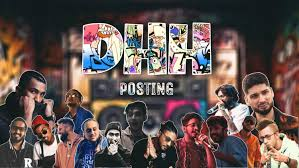
1️⃣ The Roots of DHH
Back in the early 2010s, Delhi’s streets saw rappers expressing truth through music. 🎶
With no big labels or budgets, artists rapped about reality, politics, struggles, and identity. The underground scene gave them a voice, and fans connected instantly.
2️⃣ The Pioneer Artists
Names like KR$NA, Ikka, Raftaar, and later Prabh Deep, Seedhe Maut laid the foundation. 💥
They proved rap in Hindi and Punjabi could hit as hard as English verses, mixing local culture with global hip-hop beats.
3️⃣ The Rise of Collectives
Cyphers, battles, and collectives like Seedhe Maut x Sez on the Beat brought structure to DHH. 🔥
Collabs gave artists new exposure, and suddenly Delhi wasn’t just rapping—it was creating a movement that rivaled Mumbai’s gully rap.
4️⃣ Themes & Identity
Unlike Bollywood-style rap, DHH focused on:
- Social struggles 🚧
- Middle-class hustle 💼
- Street stories 🏙️
- Political & cultural commentary 🗣️
- This raw honesty separated DHH from commercial rap and made it resonate deeply.
5️⃣ From Underground to Mainstream
YouTube, streaming platforms, and live gigs boosted DHH’s reach. 📈
Artists like Seedhe Maut, Prabh Deep, Raftaar now headline festivals, while still staying true to their underground vibe. Global collabs are also putting Delhi on the hip-hop map.
6️⃣ The Road Ahead
DHH is no longer underground—it’s a cultural force. 🚀
From cyphers in parks to sold-out arenas, it shows how real stories, in real languages, connect with millions. And the best part? The scene is still growing, with new voices joining every day.
💡 Who’s your favorite DHH artist—KR$NA, Prabh Deep, Raftaar, Seedhe Maut, or someone else?
Happy questing! 🌍✨
— Manthqq
@iQOO Connect @parakram_h @NipunMarya @ParthNirmal @woahyash @arjunbansal
Please sign in
Login and share