



























The Great Sanchi Stupa - An Archaeological Wonder

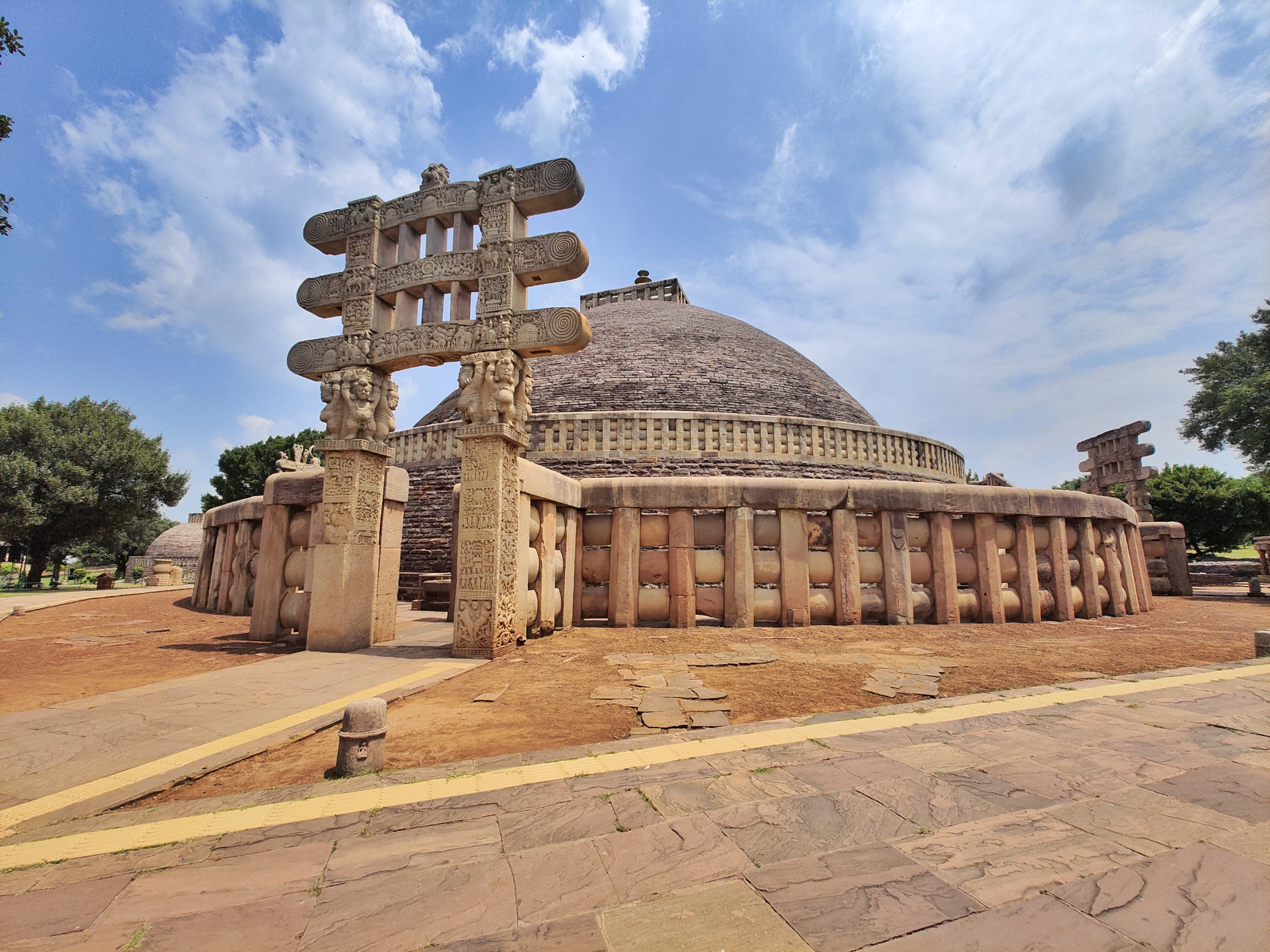
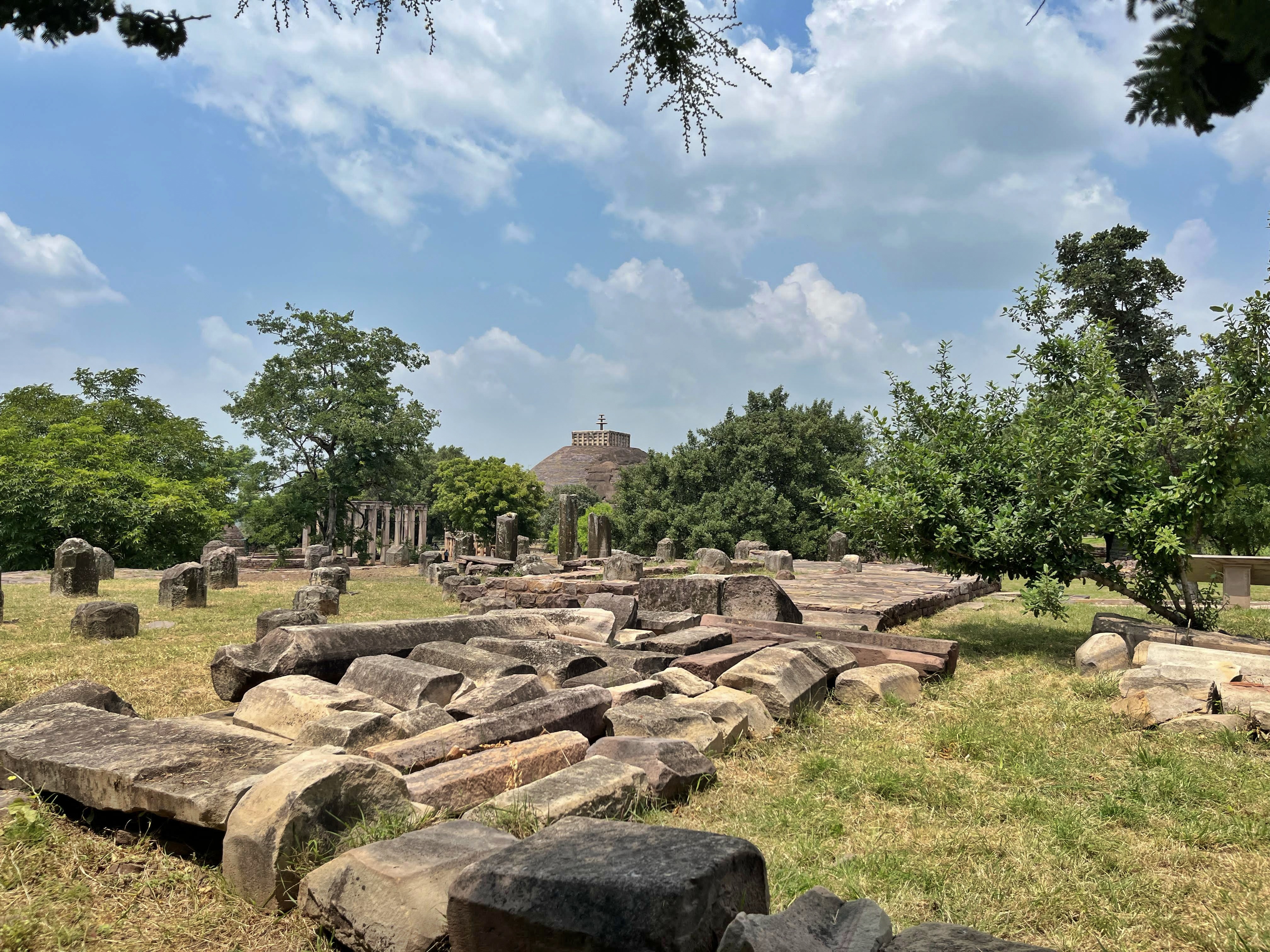
The Sanchi Stupa is one of the most important monuments of Buddhism in India. Yet, the history of this UNESCO World Heritage Site is quite fascinating. Located about 56 kilometers from Bhopal, in Sanchi village of Madhya Pradesh’s Raisen district, the Buddhist complex stands atop a hill called Chetiyagiri. The site consists of three stupas, several Buddhist monasteries, and other architectural structures, but the most renowned of them all is Stupa 1, the Great Stupa - a sacred pilgrimage destination for Buddhists across the world.

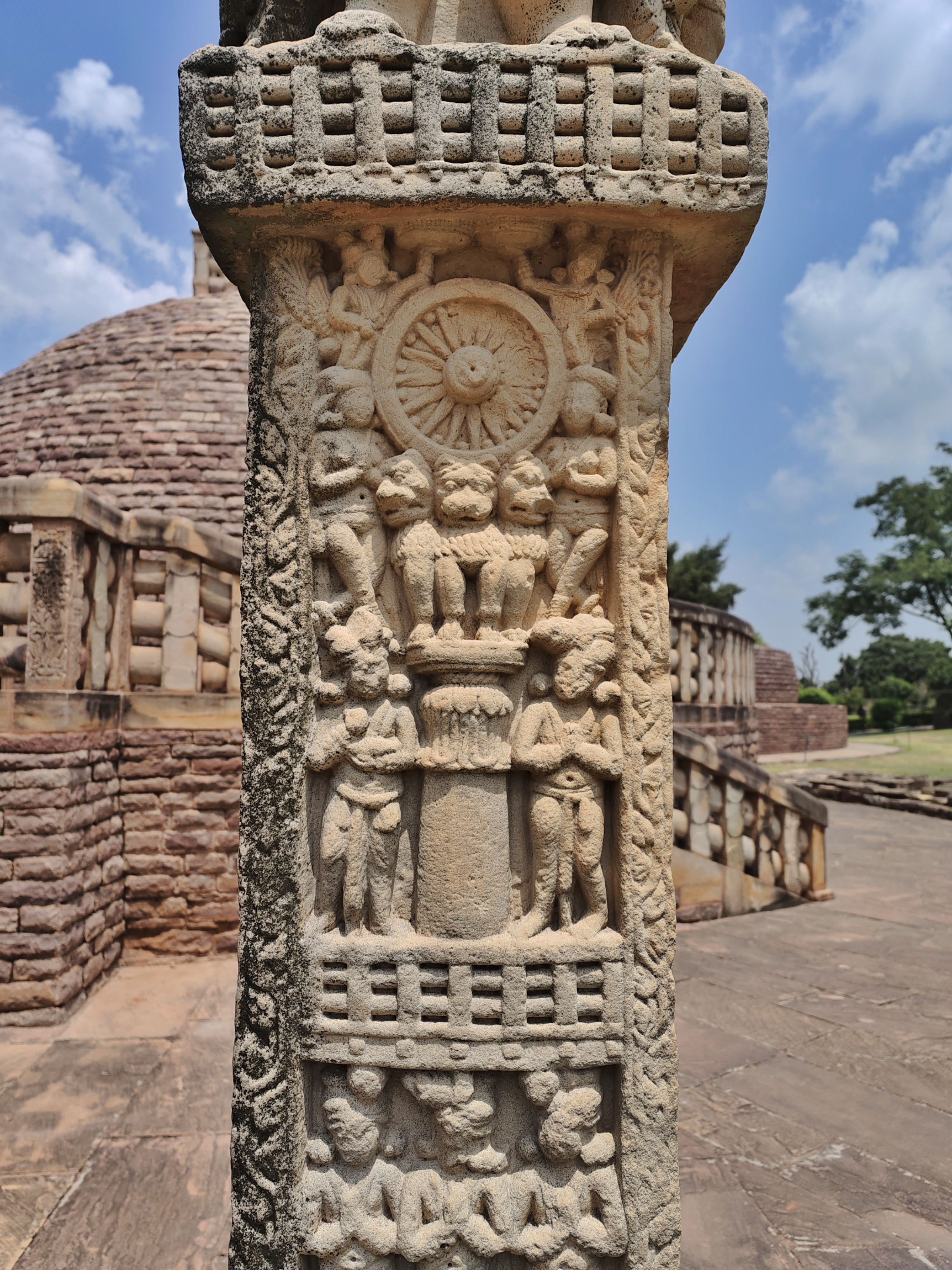
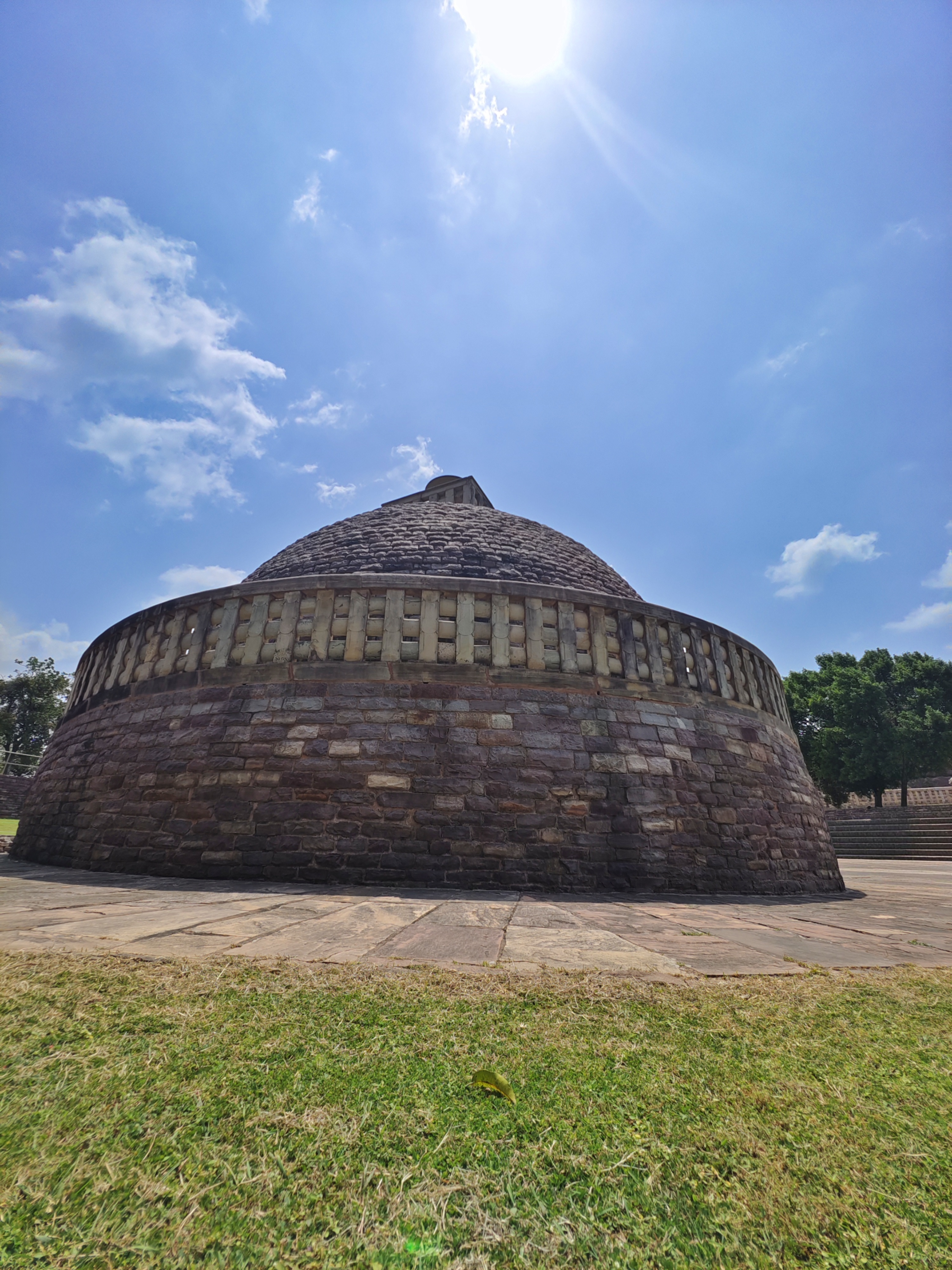
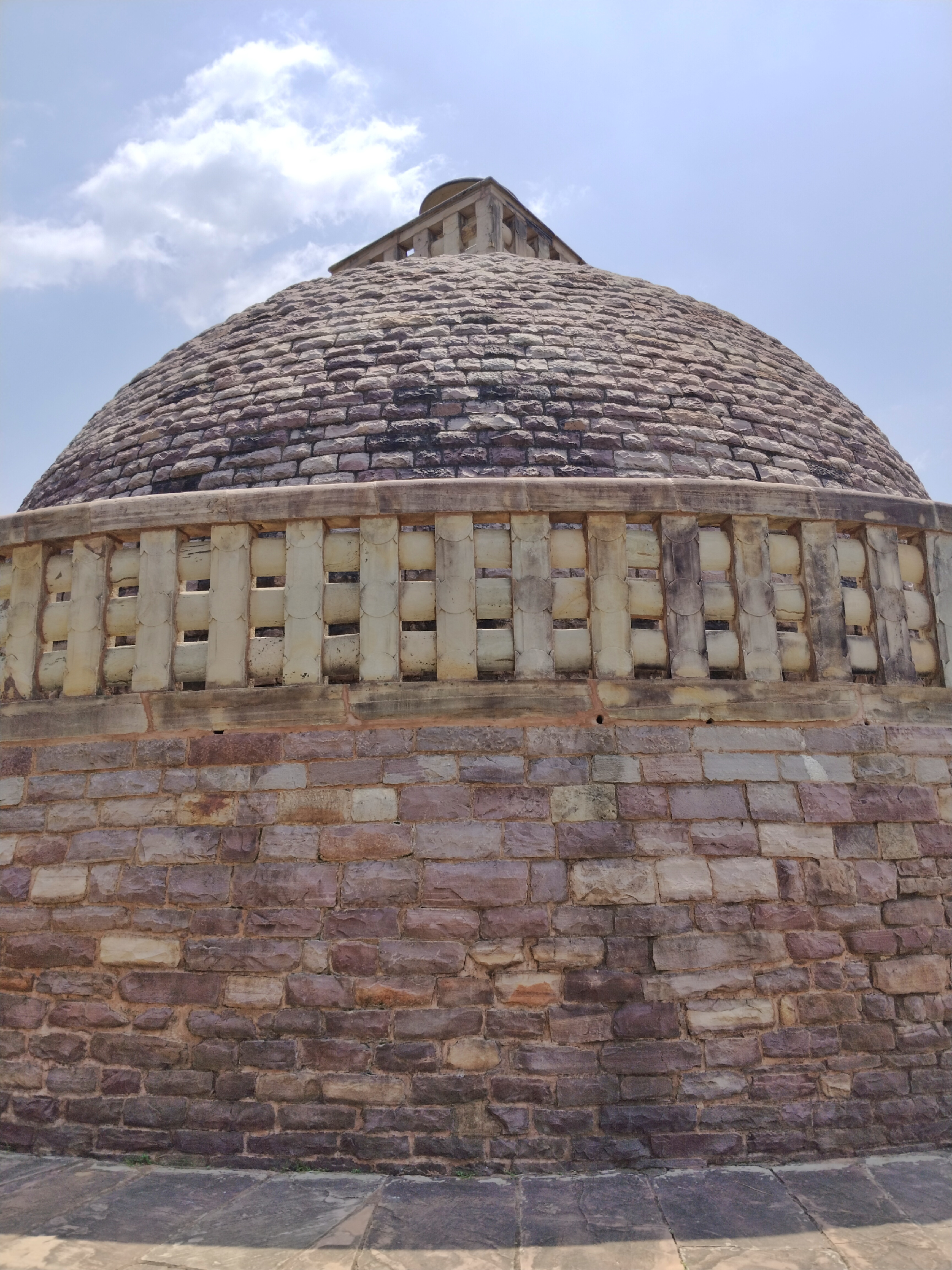
Remarkably, the Great Stupa was constructed and renovated over a span of nearly 1,300 years, under four different dynasties! In the 3rd century BCE, Emperor Ashoka of the Maurya dynasty, who embraced Buddhism after his conquest of Kalinga, commissioned the construction of this stupa on the Chetiyagiri hill. Ashoka’s original stupa was a brick hemispherical dome, about half the size of what we see today, and enshrined within it were eight stone caskets containing the relics of the Buddha and some of his disciples.
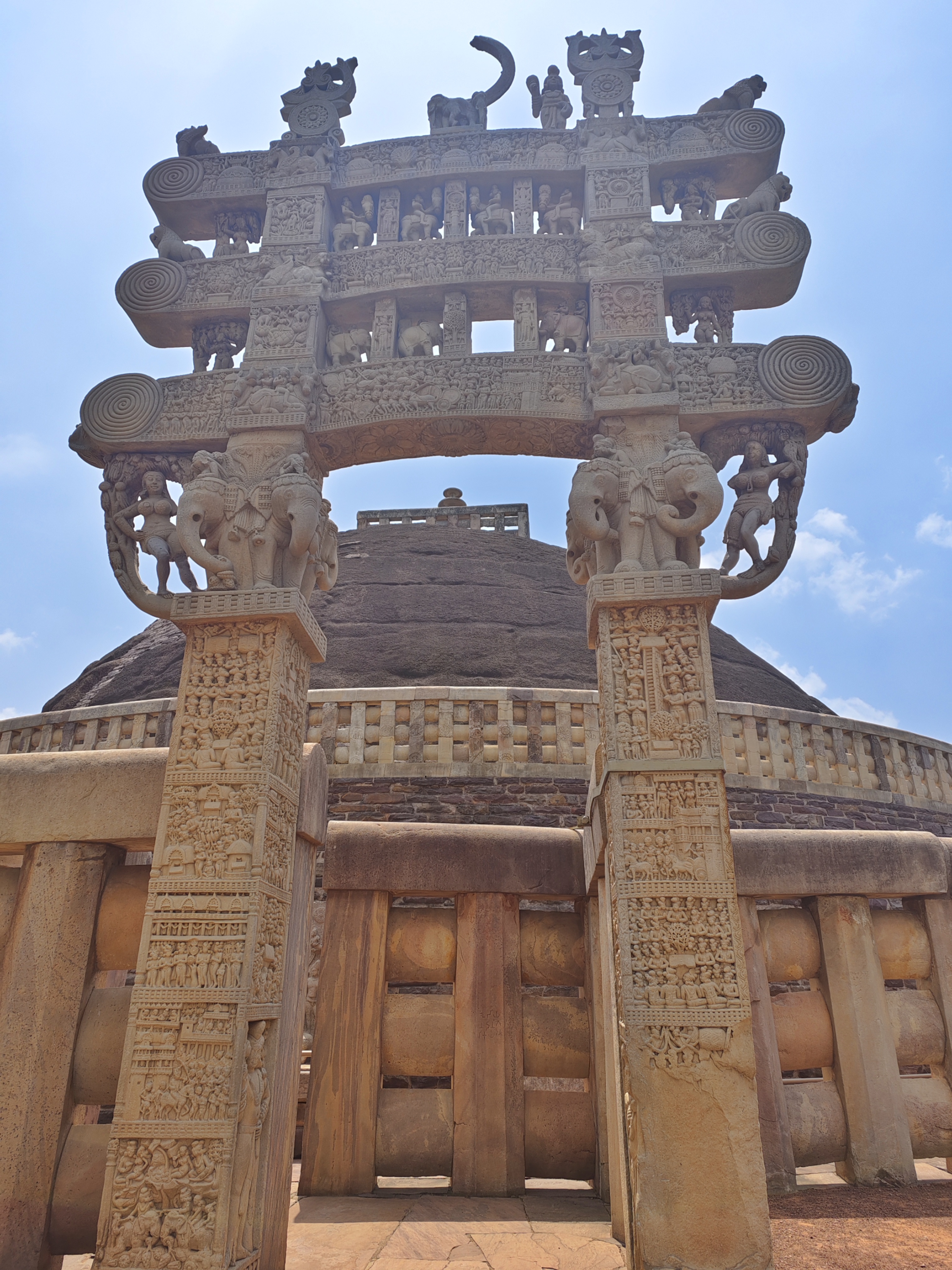
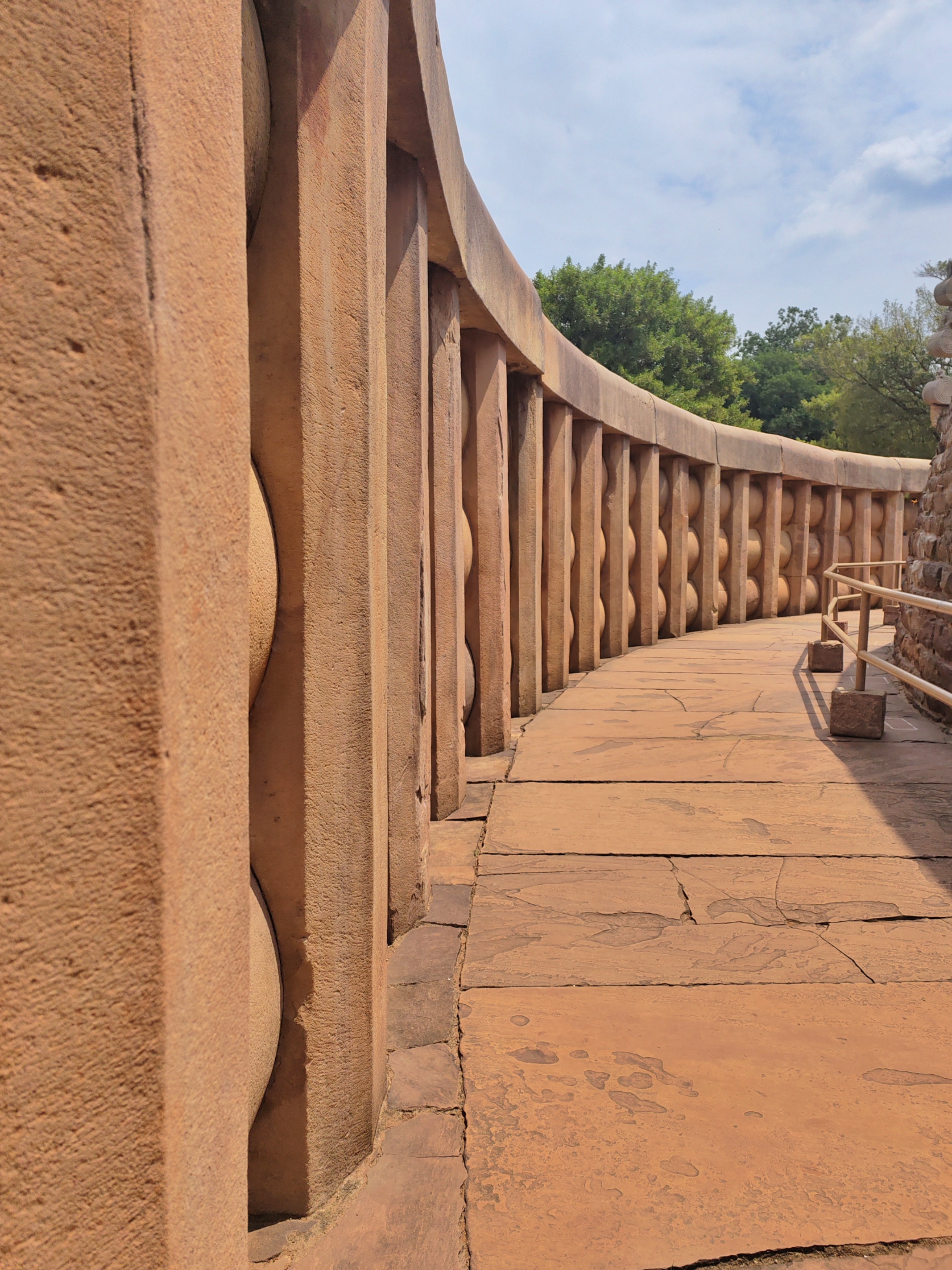
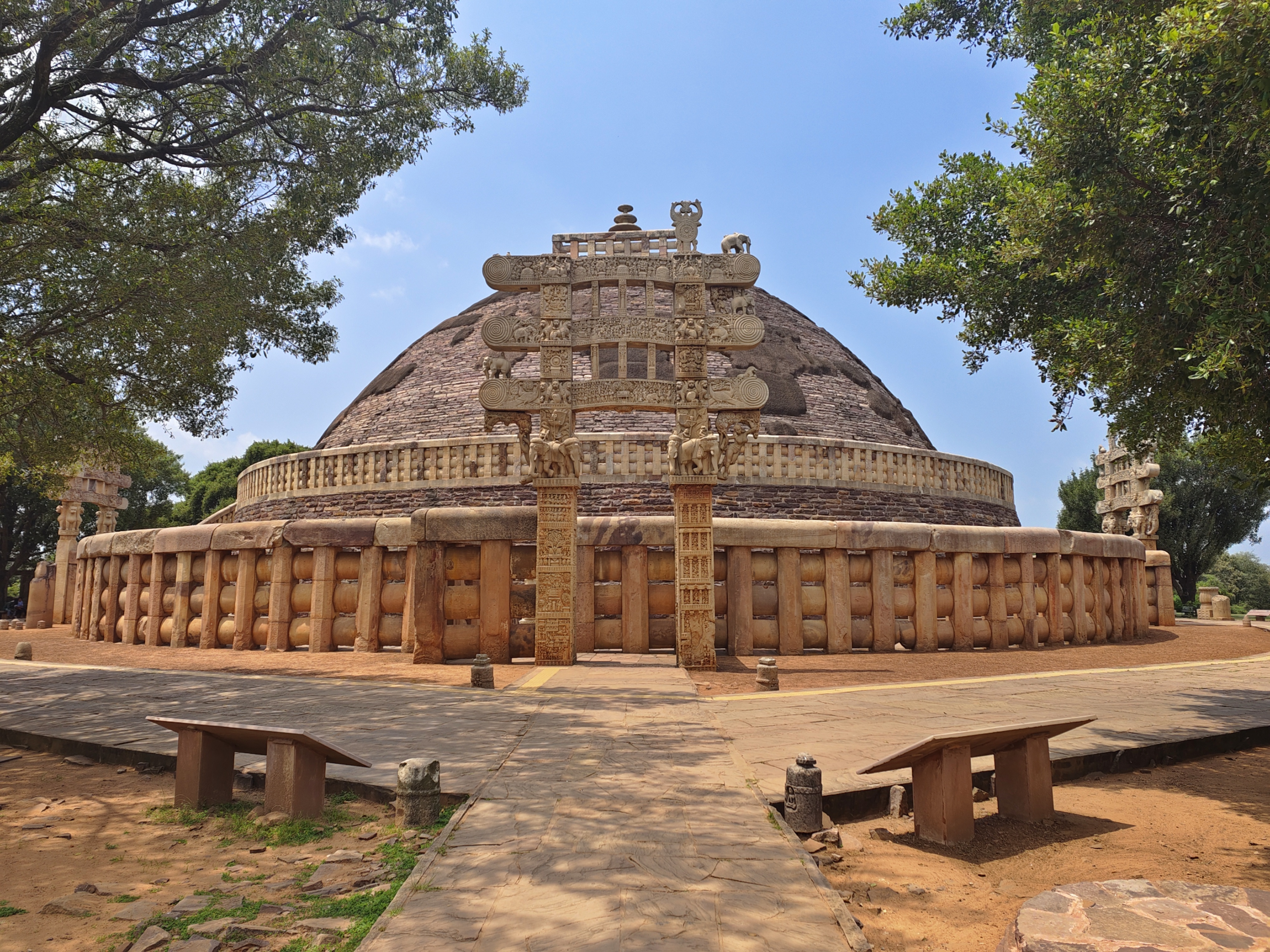
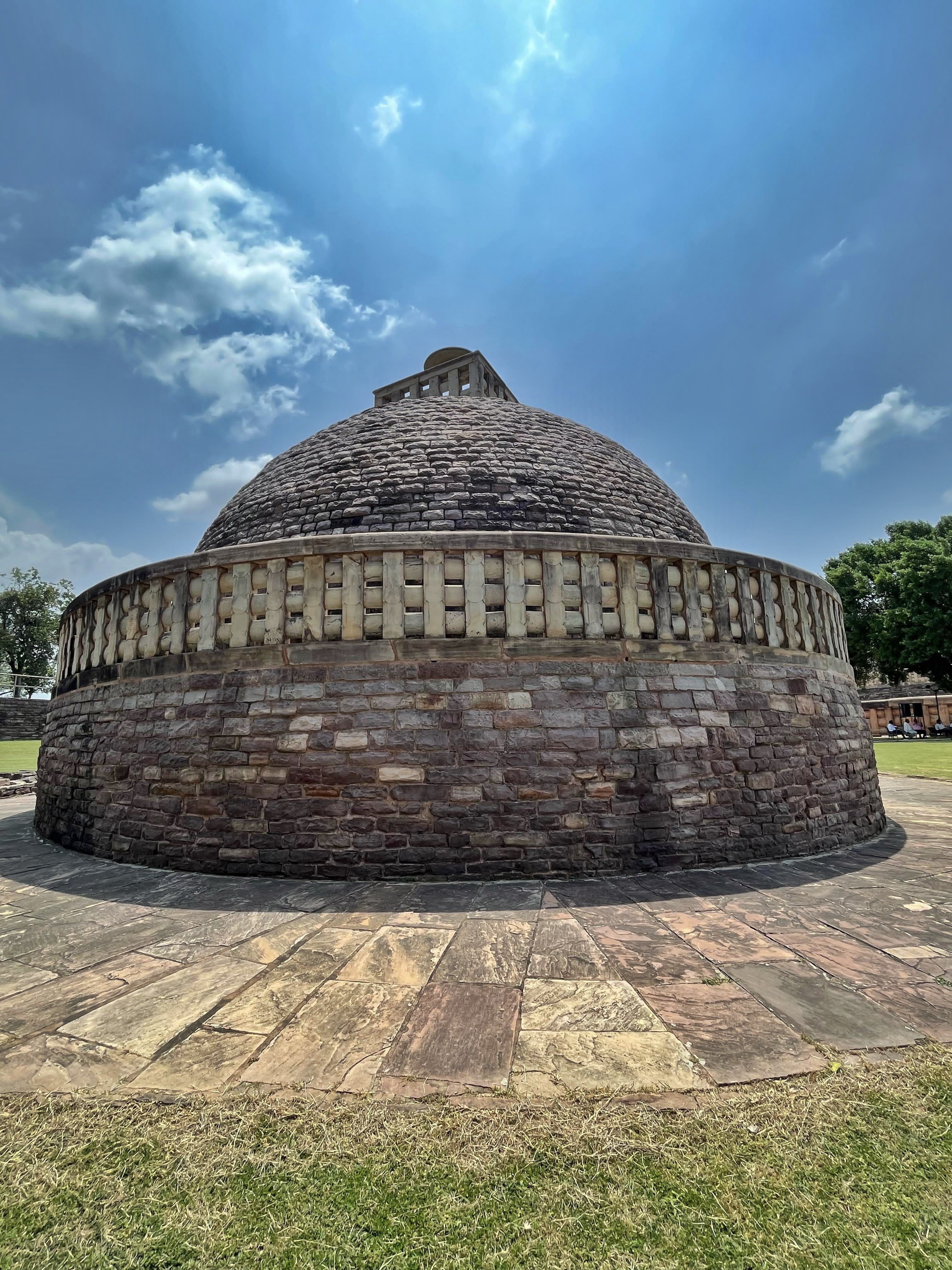
A century later, the Shunga rulers enlarged it by building a sandstone dome twice the size of the original. Around it, they added a stone railing and circular path (vedika) for circumambulation, which visitors still use today - 2,200 years later. They also placed a square structure (harmika) atop the dome, crowned by a triple stone umbrella (chatra-valli), symbolizing the Buddha, his teachings (Dharma), and the monastic order (Sangha).
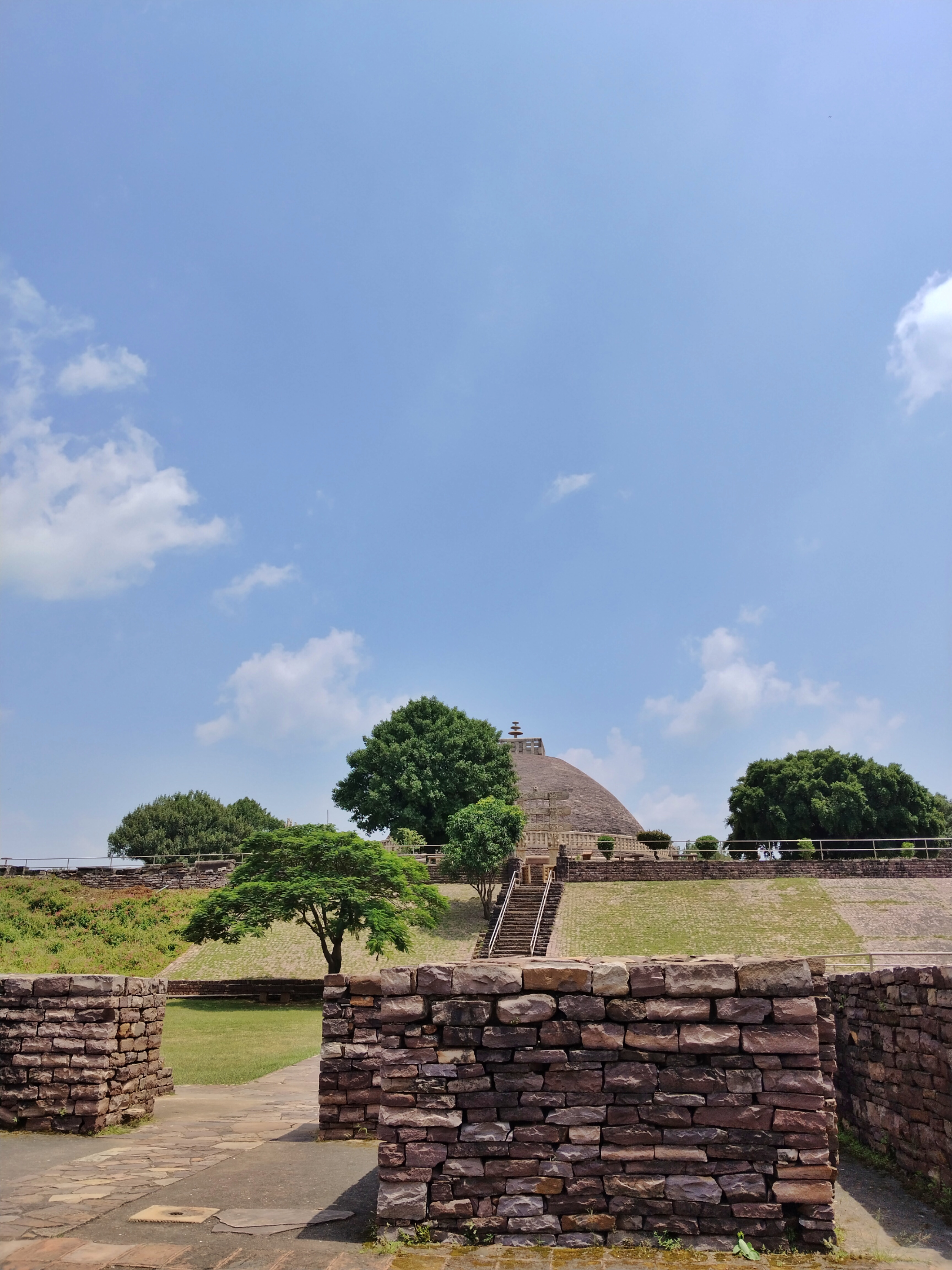
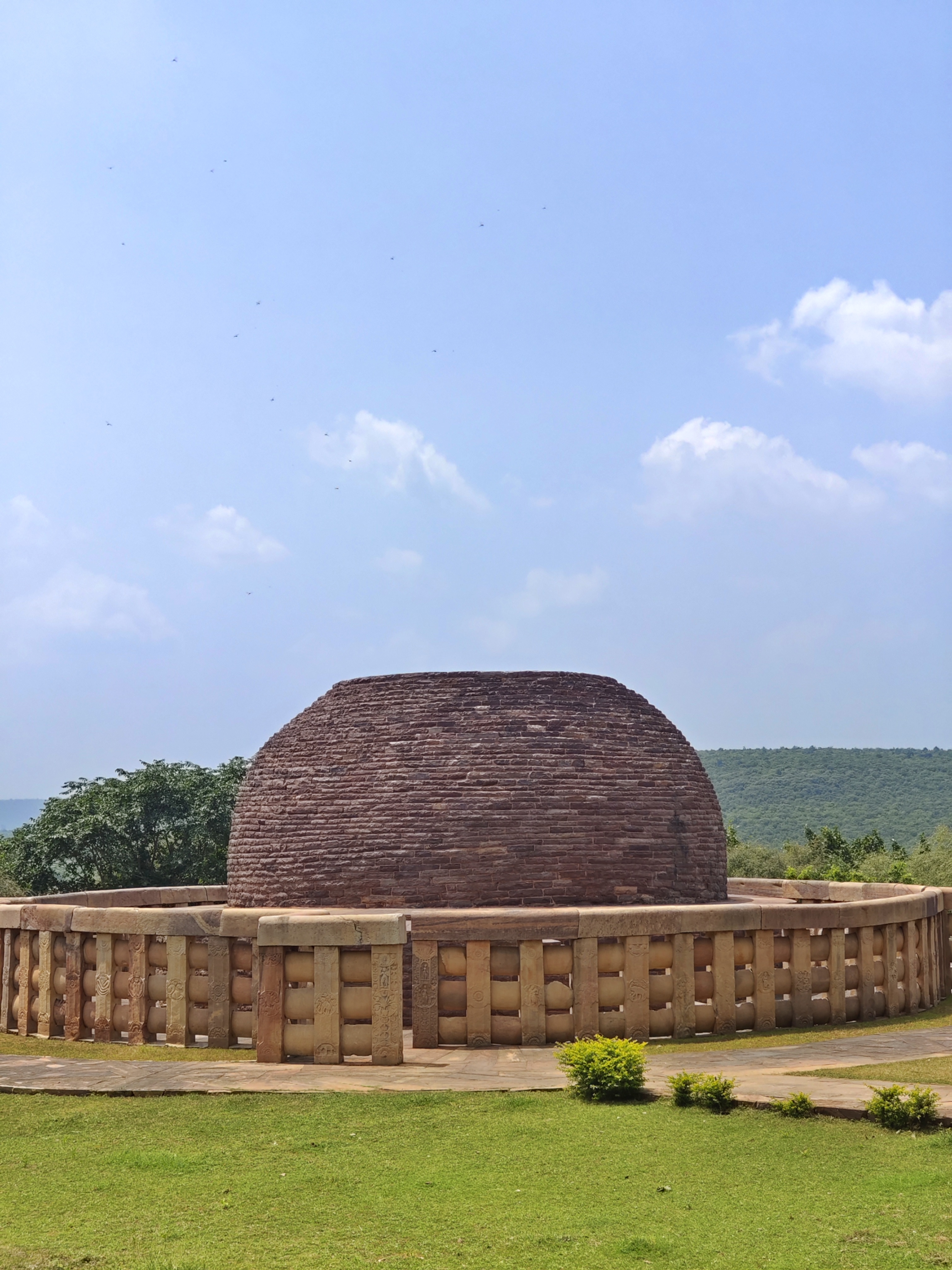
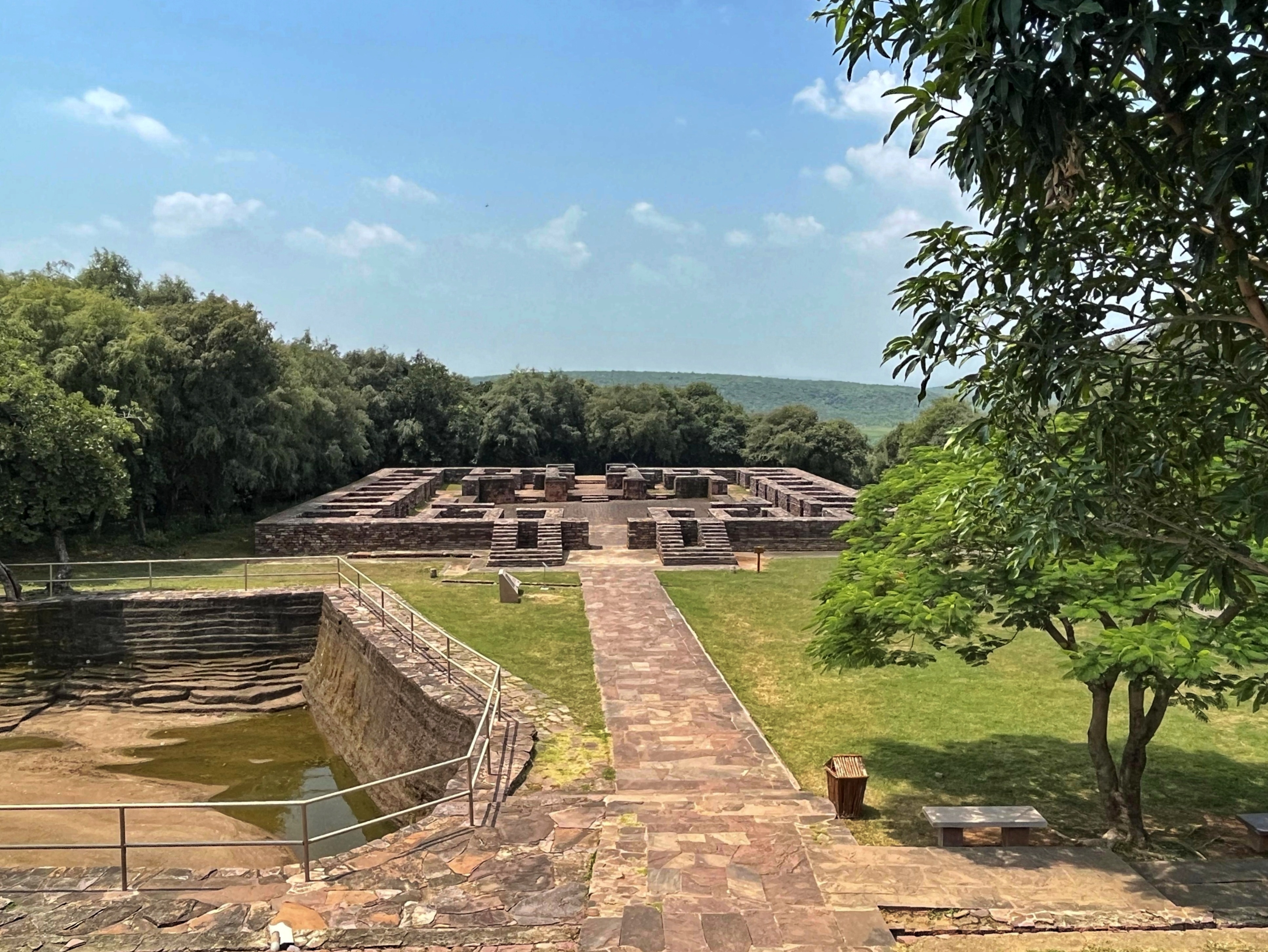

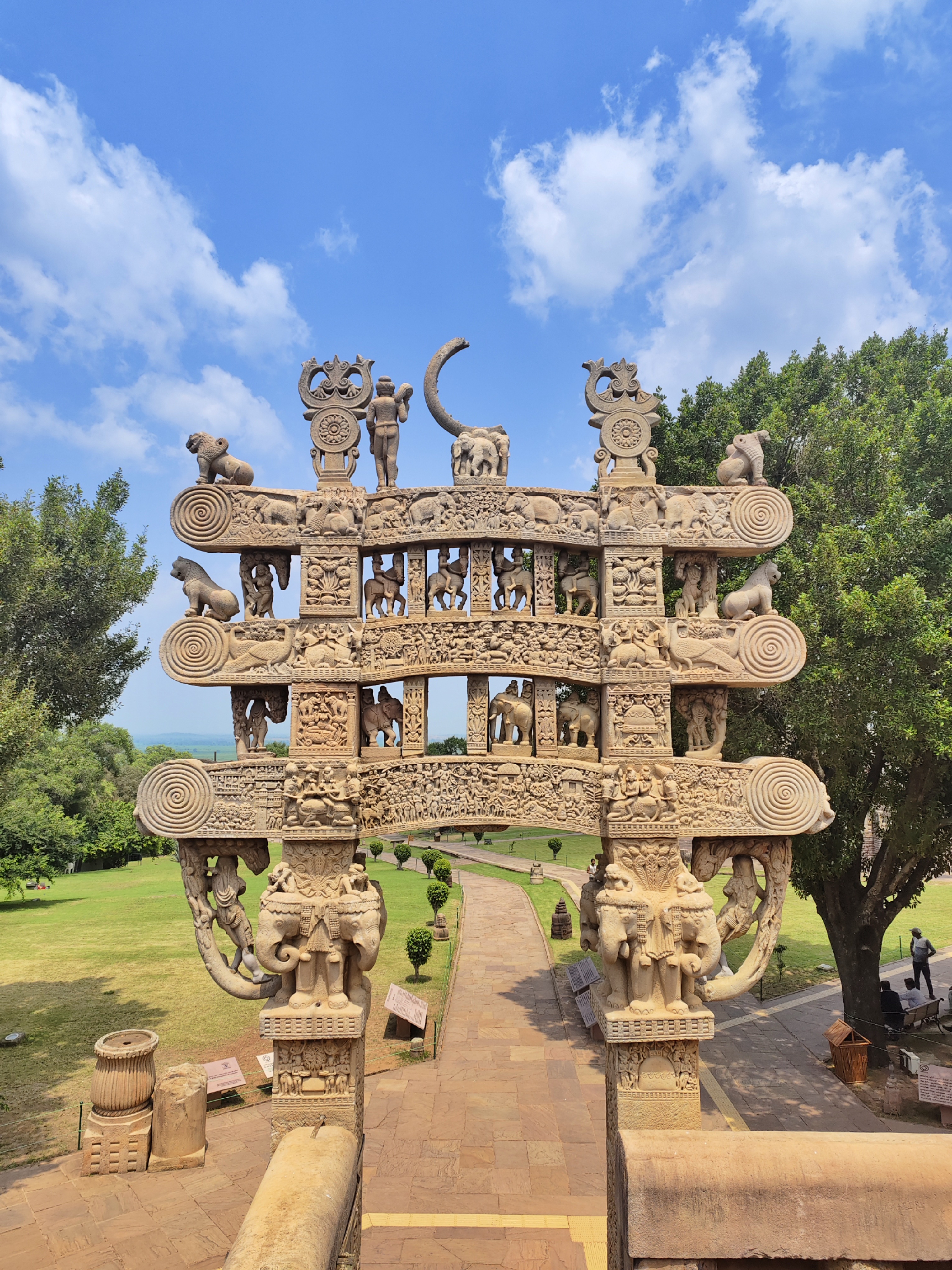
In the 1st-2nd centuries CE, under the Satavahanas, four grand ornamental gateways (toranas) were constructed around the stupa. Each consists of two stone pillars supporting a massive crossbeam, exquisitely carved with scenes from the life of the Buddha and stories from the Jatakas. Later, during the Gupta period, the stupa was further renovated, and additional Buddhist shrines and the famous Ashokan lion pillar were erected around it. Sanchi flourished as a major Buddhist pilgrimage site until the 13th century, after which it gradually faded into obscurity.
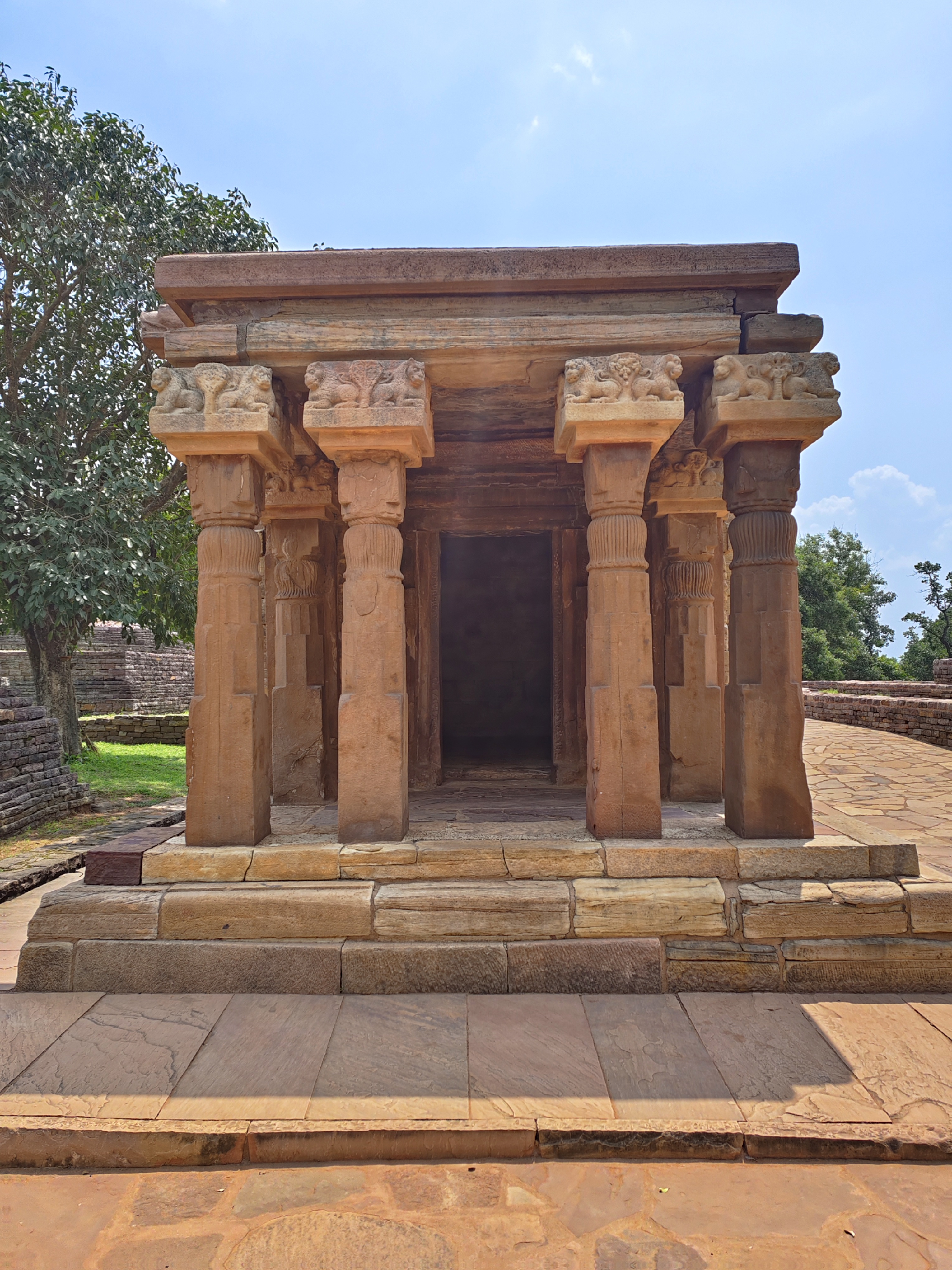

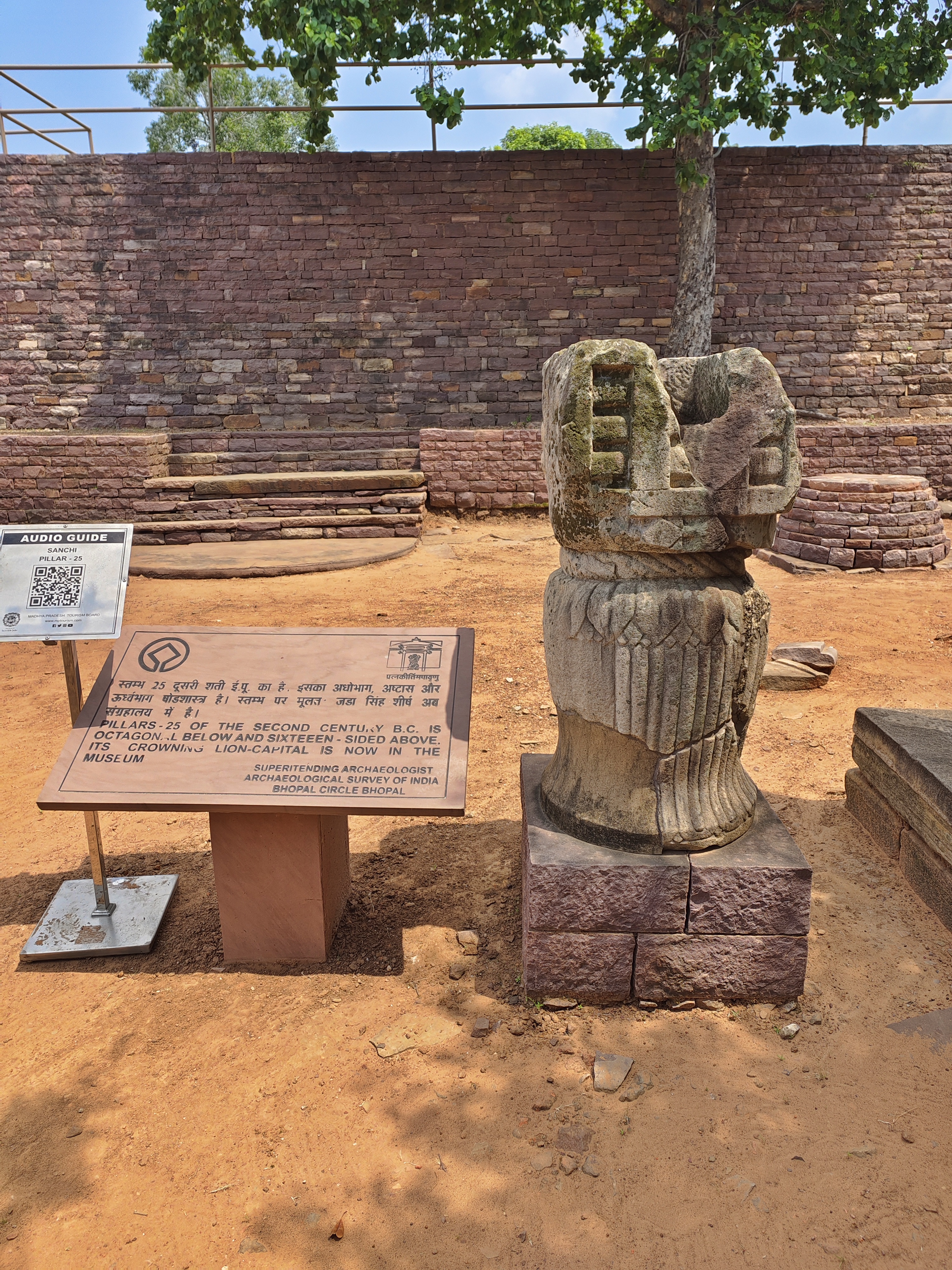
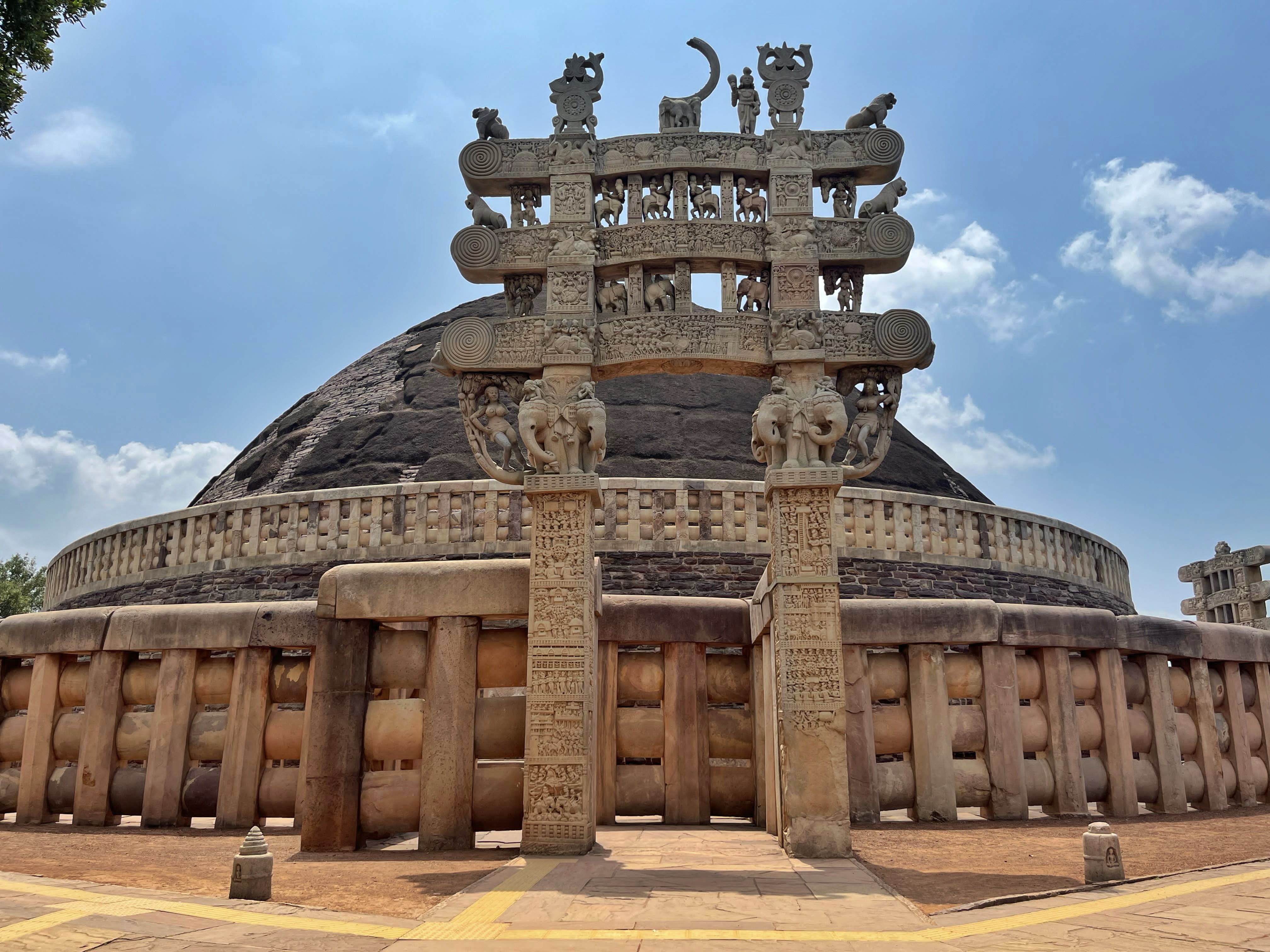
In 1818, British officer General Henry Taylor of the Bengal Regiment rediscovered the site, and in 1851, Alexander Cunningham brought Sanchi back to global attention through archaeological excavations and restoration. In 1989, the Great Stupa was inscribed as a UNESCO World Heritage Site. Today, the Archaeological Survey of India (ASI) maintains the site as the Sanchi Buddhist Complex, which includes a Sri Lankan Buddhist temple. The complex also houses the famous Ashokan Lion Capital - adopted as the national emblem of India after independence in 1950. Fittingly, the image of the Great Stupa at Sanchi is featured on the reverse side of India’s ₹200 currency note.
Please sign in
Login and share