



























Understanding the ALU – Arithmetic Logic Unit in CPUs

1️⃣ What is an ALU?
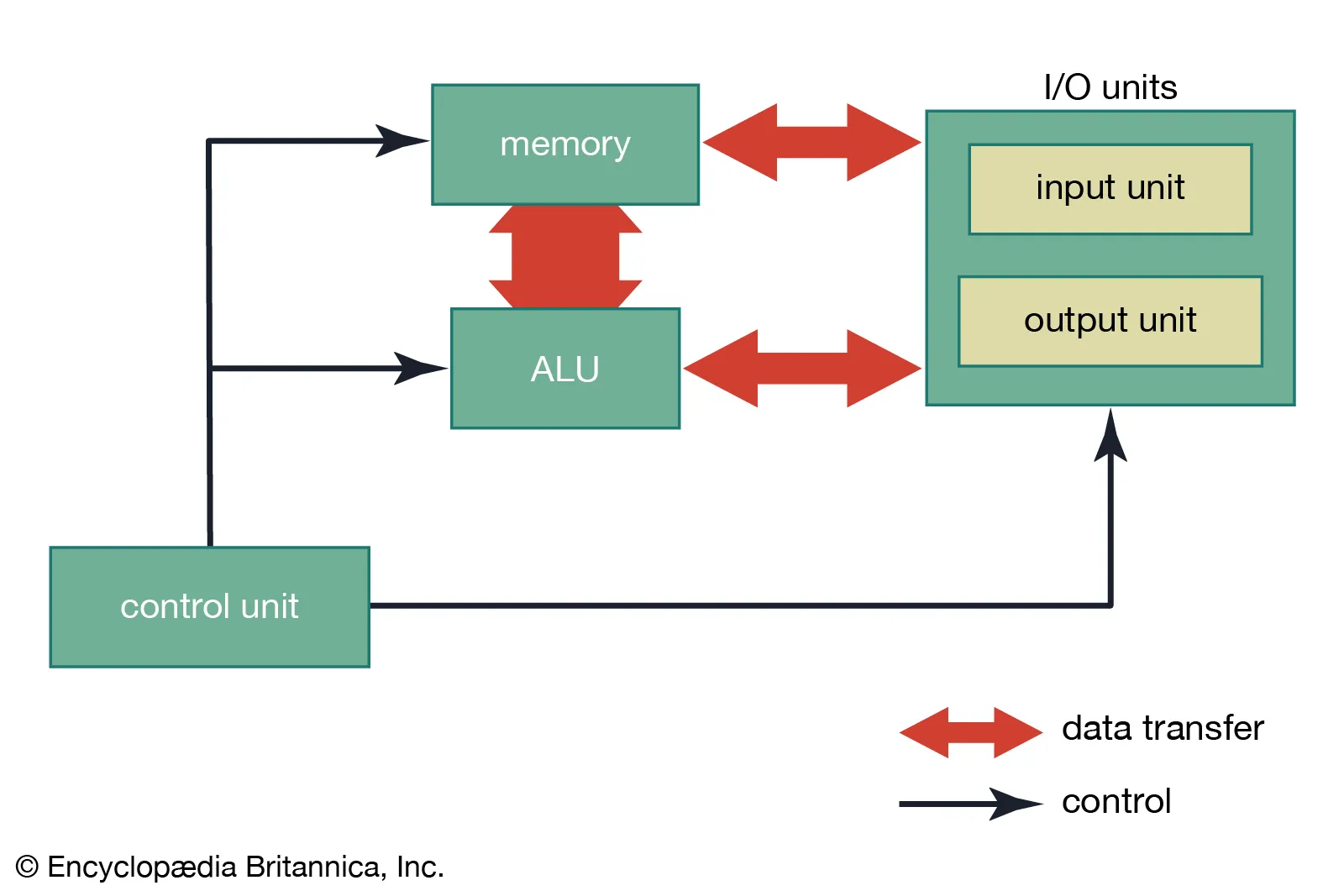
An ALU is the brain inside a CPU that performs arithmetic operations (like addition, subtraction) and logic operations (like AND, OR, comparisons) on binary data.
2️⃣ Inputs Matter:
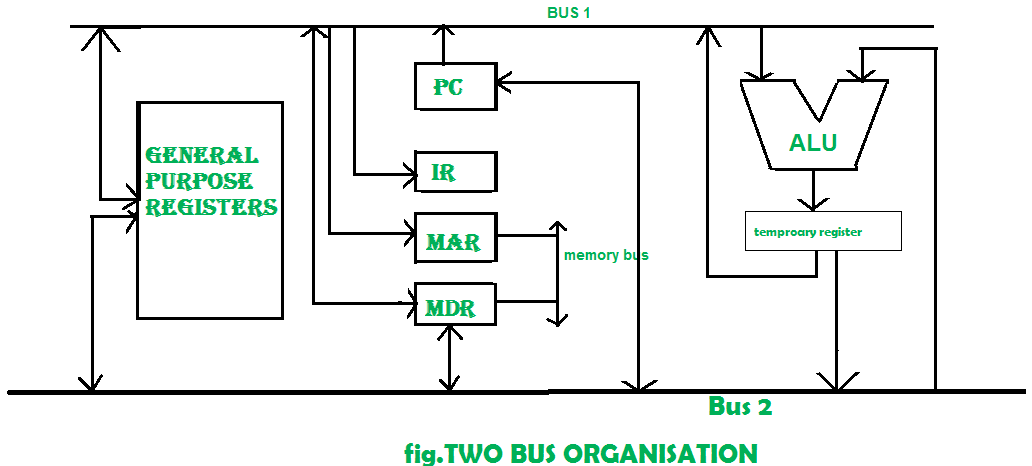
The ALU receives two binary numbers (operands A & B) from registers and an instruction (opcode) from the control unit specifying the operation to perform.
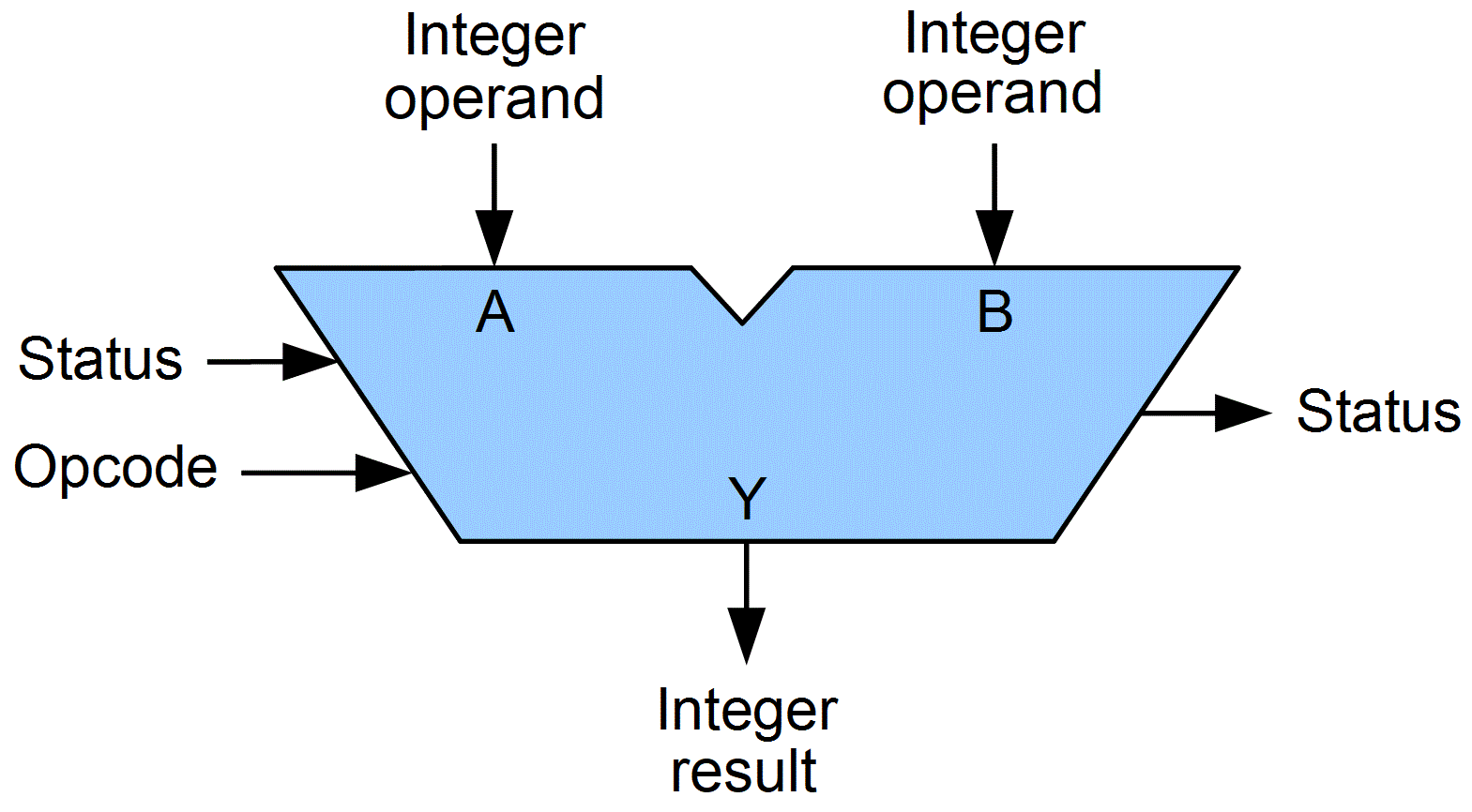
3️⃣ Opcode Determines Action:
The opcode acts like a command – telling the ALU whether to add, subtract, AND, OR, or perform any other operation.
4️⃣ Arithmetic Operations:
The ALU’s arithmetic unit handles mathematical calculations:
- Addition
- Subtraction
- Multiplication
- Division
5️⃣ Logic Operations:
The logic unit handles decision-making operations:
- AND, OR, NOT, XOR
- Comparisons (greater than, equal to)
6️⃣ Output:
Once the operation is performed, the ALU sends the result to a register, memory unit, or output device for further processing.
7️⃣ Why ALU is Important:
It’s the core of computing, enabling everything from basic calculations to complex decision-making in software and hardware.
#ComputerScience #CPU #ALU #TechExplained #Binary
💫 Happy Questing, Fam 🚀🎉
— @Mrrajput_2212 (iQOO ID: 100459)
📸 Instagram: mrrajput_2212 💙🔥

Please sign in
Login and share