



























Bhopal - The City of Lakes

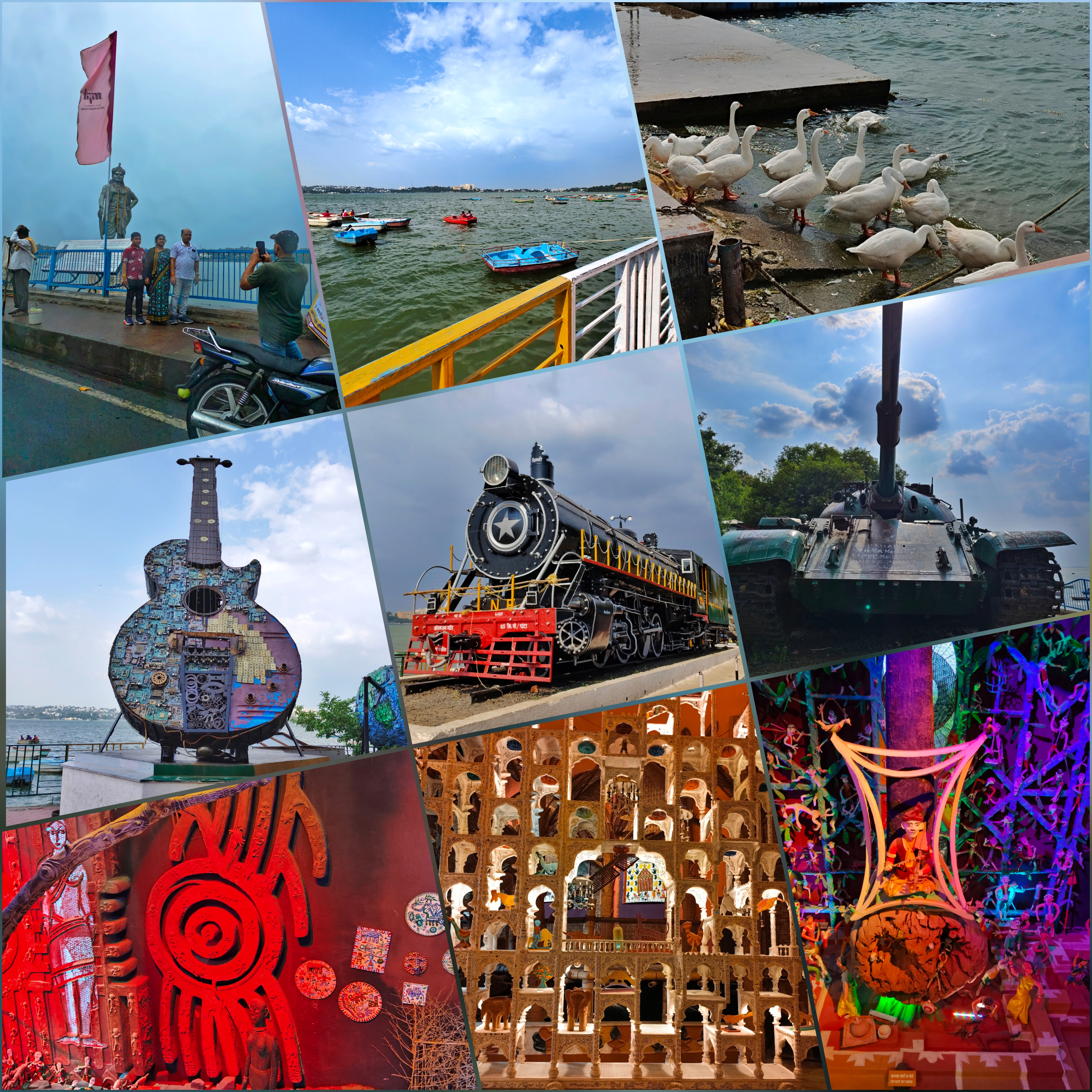
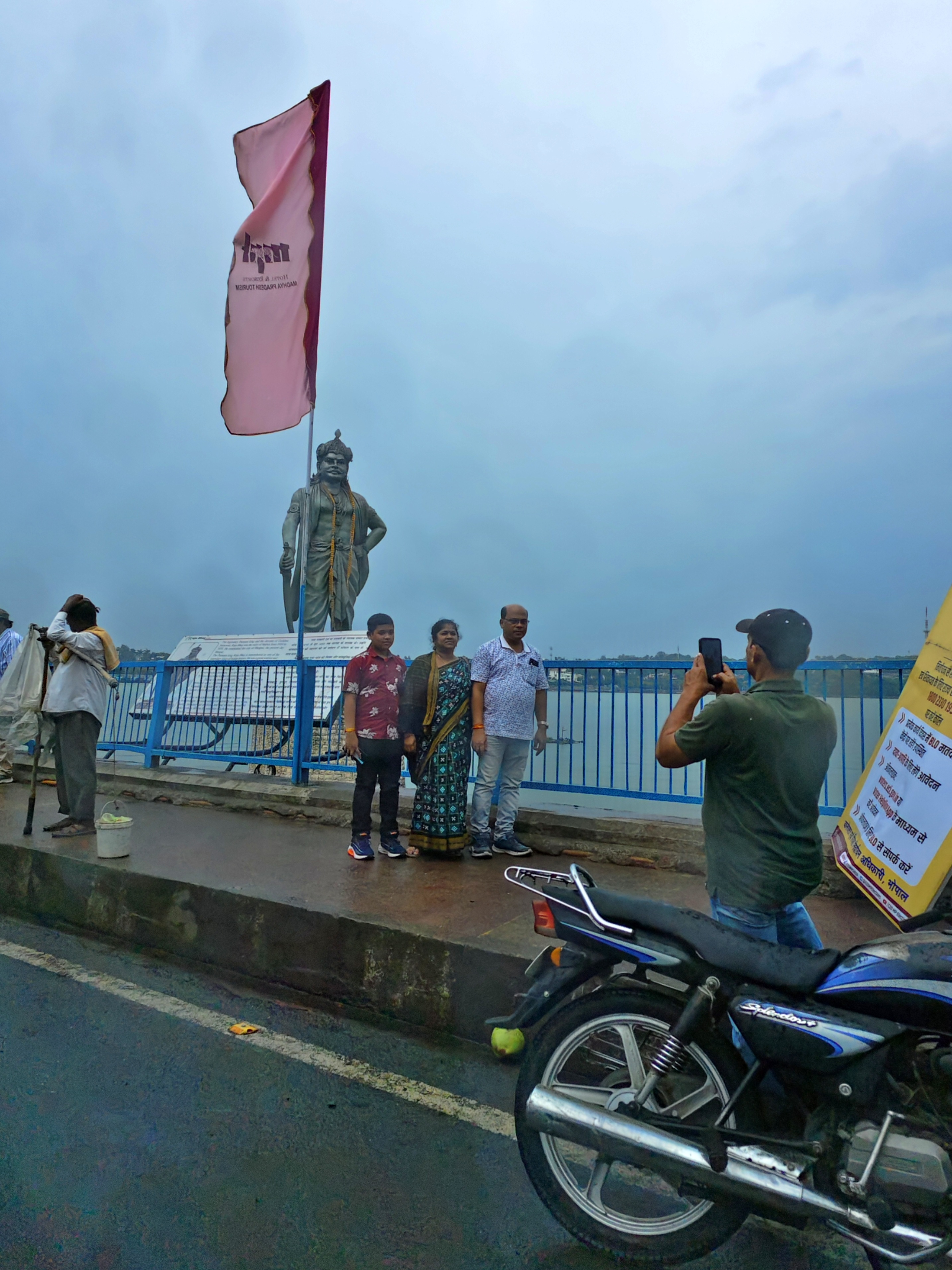
In the 11th century, King Bhojraj of the Paramara dynasty of the Malwa plateau fell ill, and his physician advised that he should bathe daily in a lake created by combining the waters of 365 rivers. Acting on this, Bhojraj, with the help of local Gond tribes, built an earthen dam across the Kolans river near present-day Bhopal, creating the Bhojtal Lake. Over time, the settlement that grew around this lake came to be called Bhojpal or Bhopal.
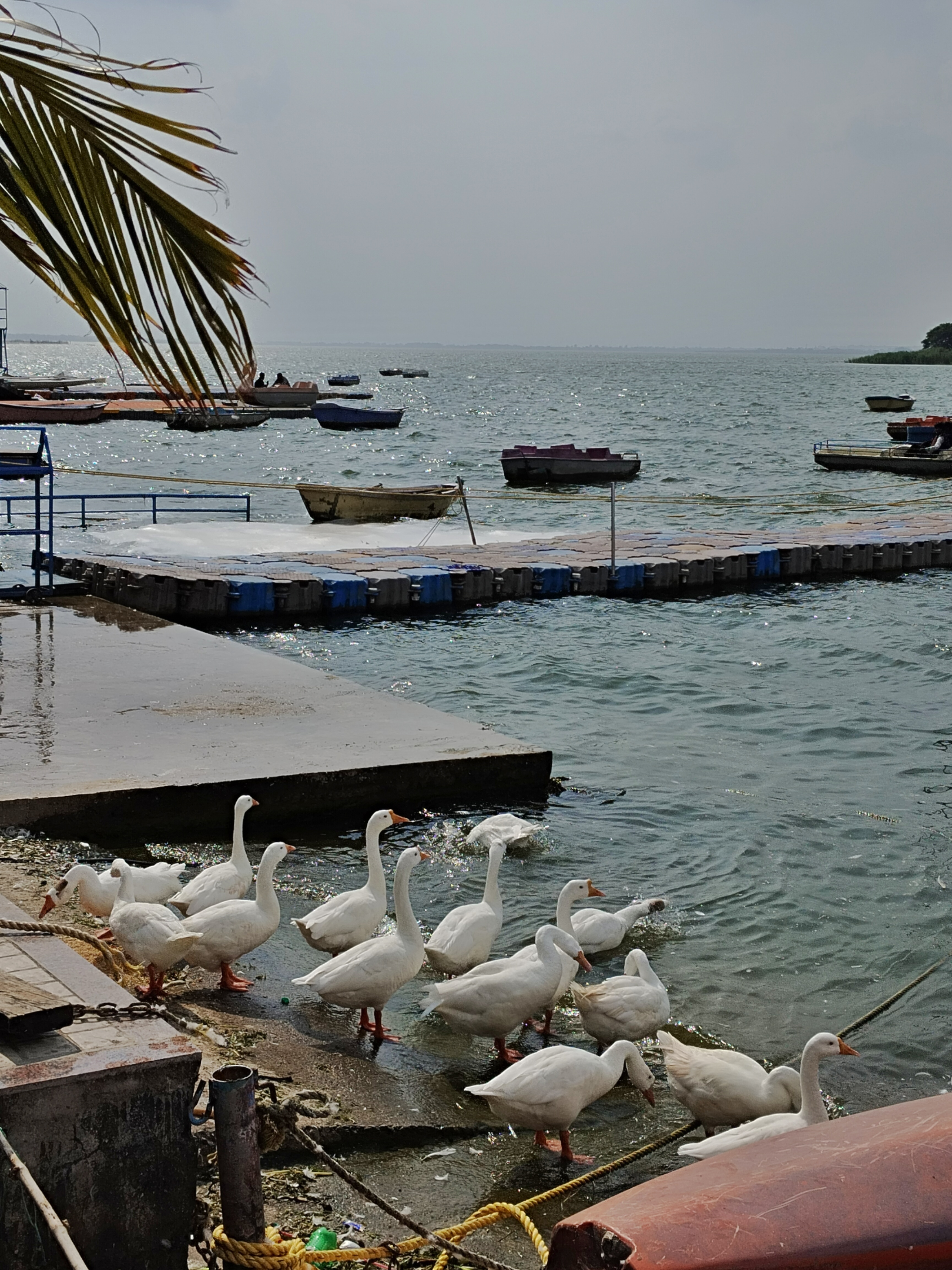
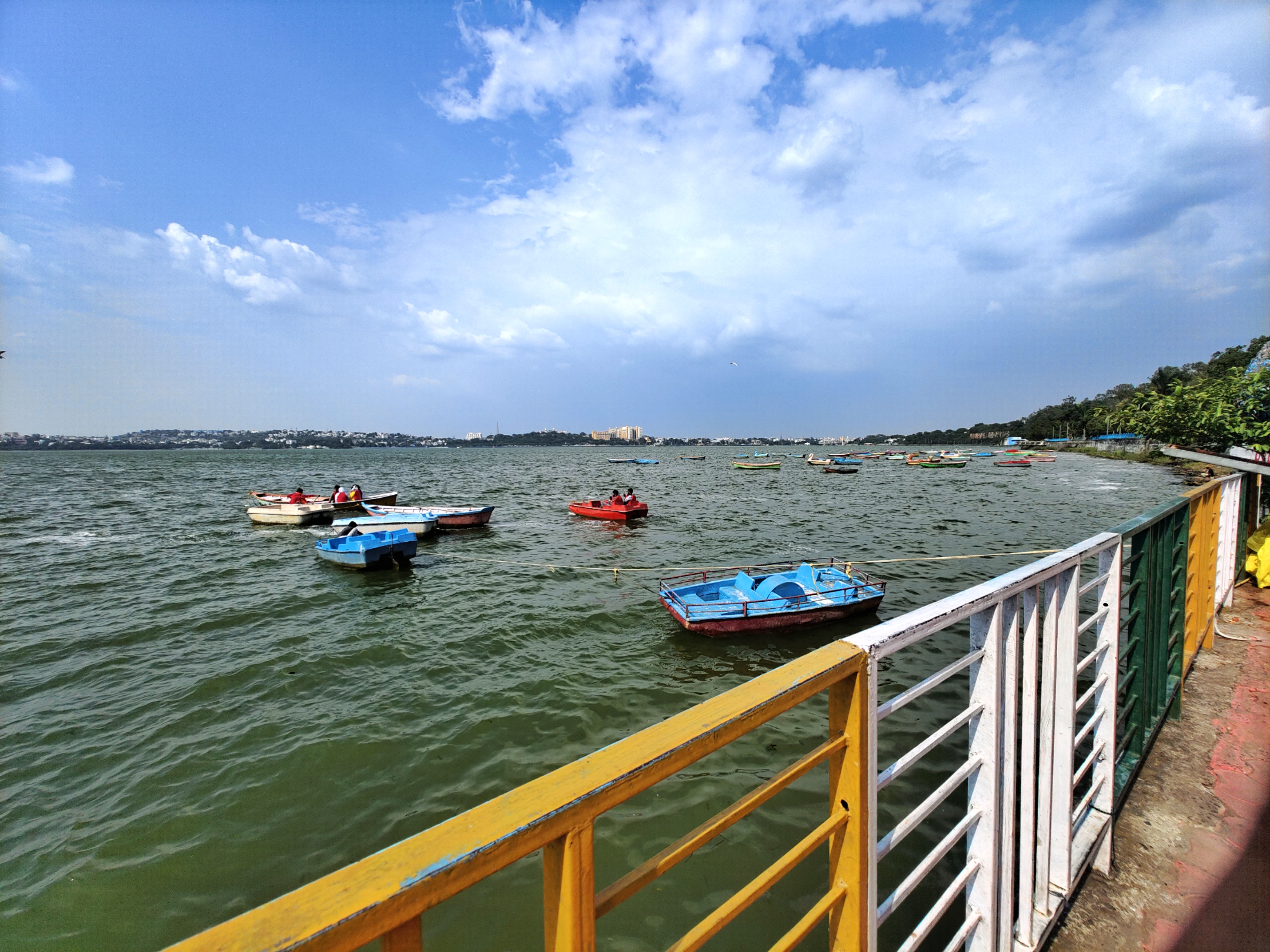
In the early 18th century, an Afghan Pathan soldier of the Mughal army, Dost Mohammad Khan, seized Bhopal’s throne. During his rule, the foundations of modern Bhopal were laid, along with the construction of Fatehgarh Fort. Another lake, Chhota Talab (Lower Lake), was built during the Afghan Nawabi era, fed by the ancient Bhojtal, also known as Bara Talab (Upper Lake). Spread over 32 square kilometers, Bhojtal is the largest man-made lake in Asia. With a total of 17 lakes, Bhopal is famously known as the "City of Lakes."
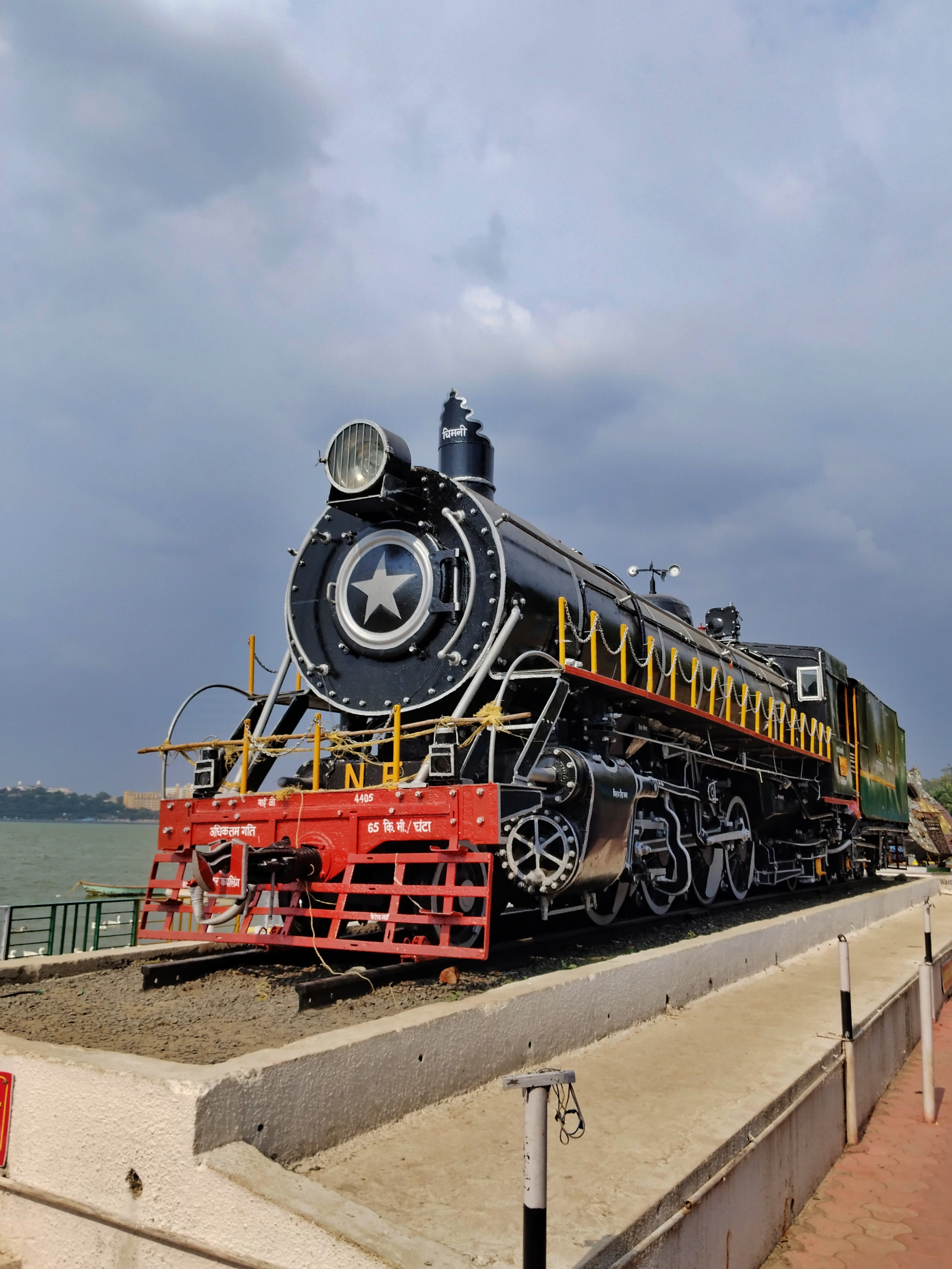
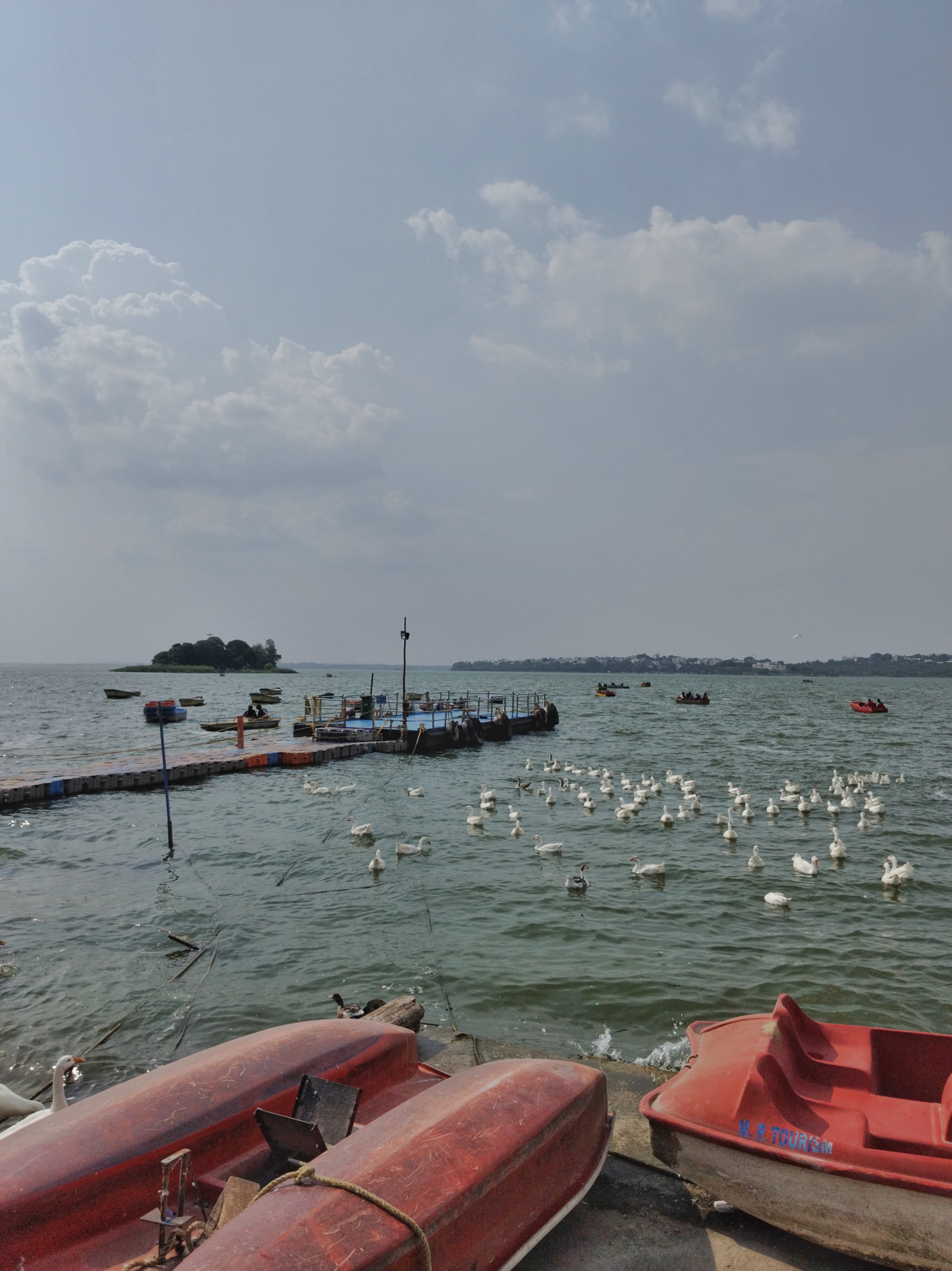
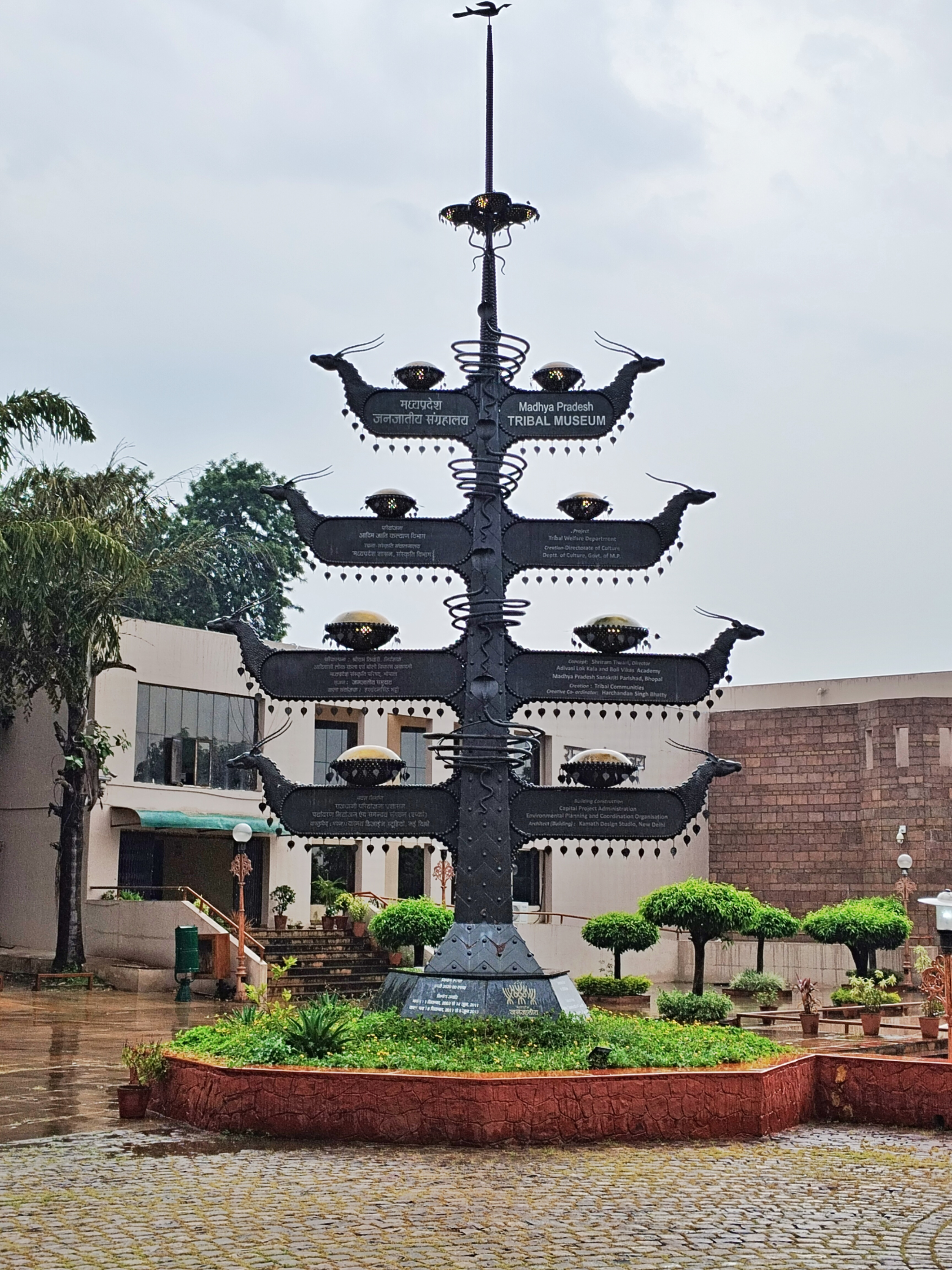
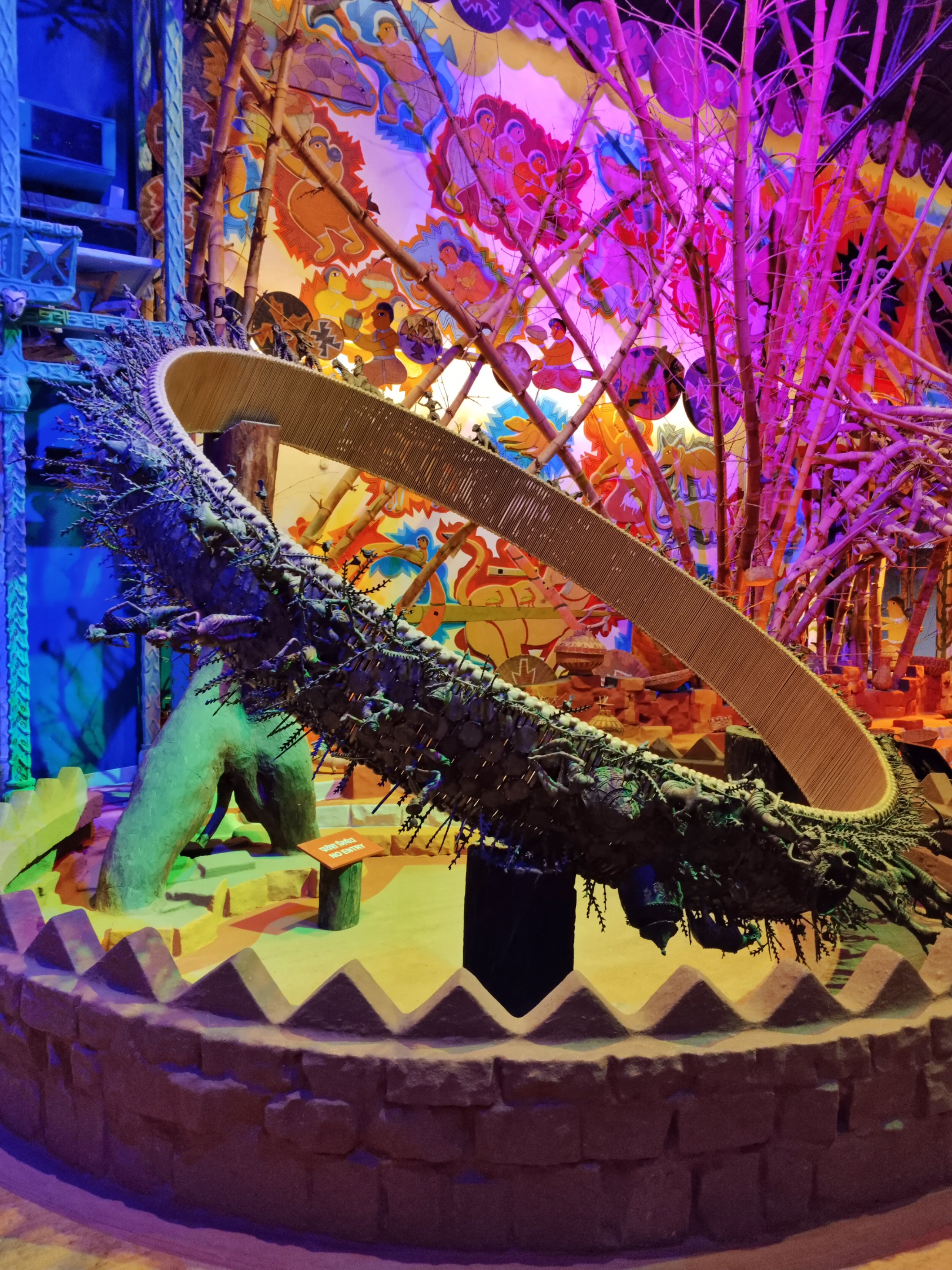
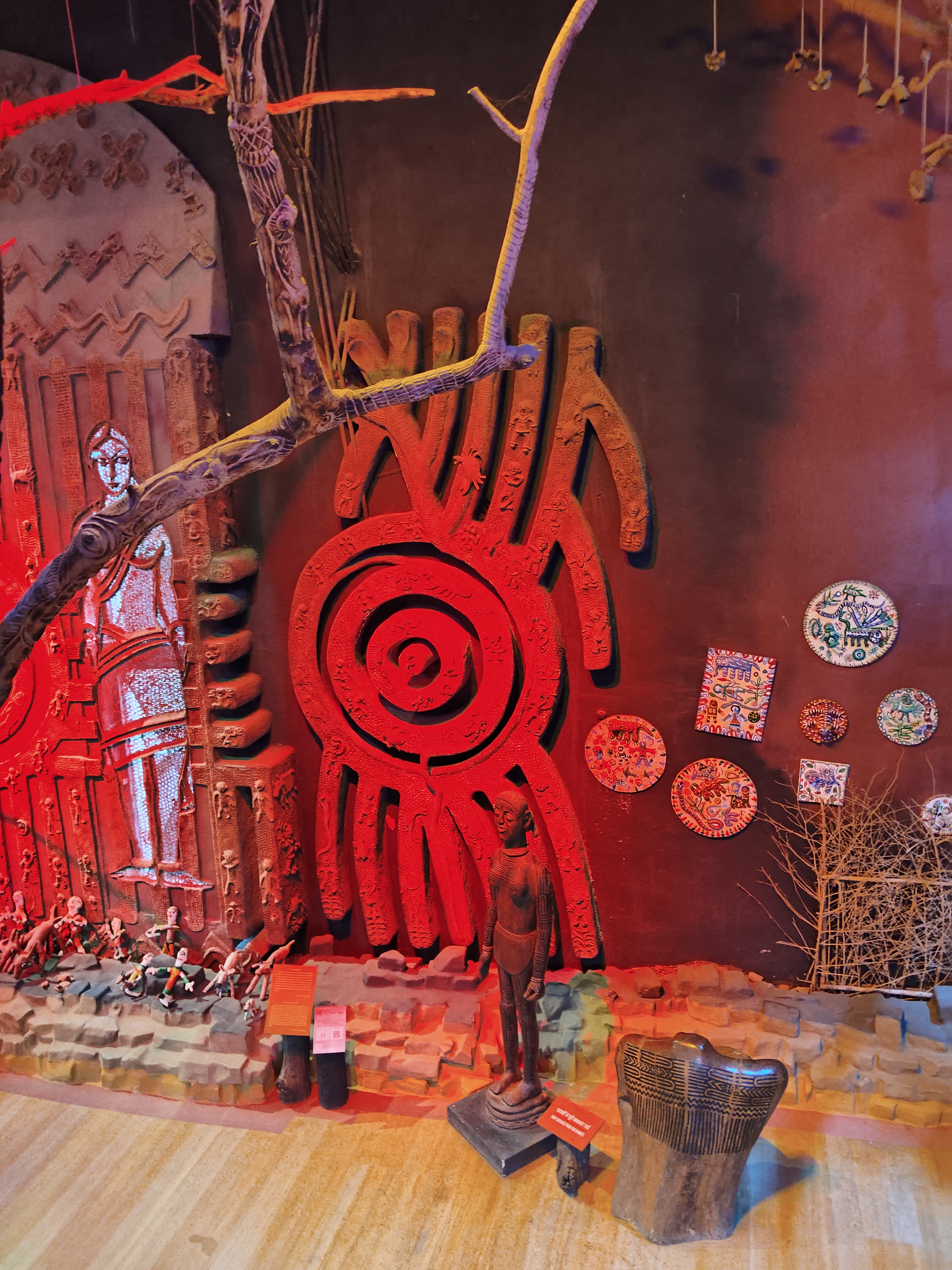
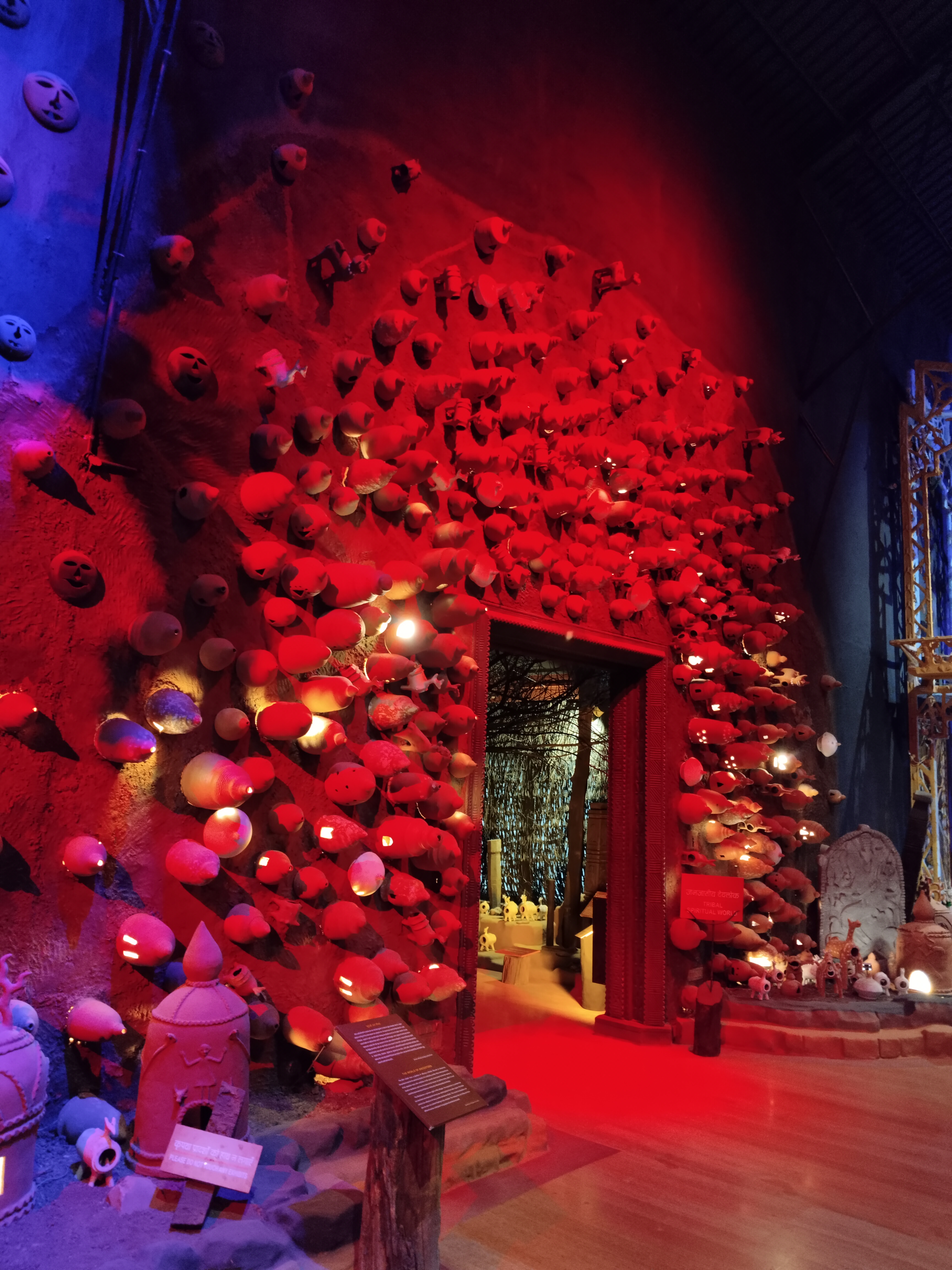
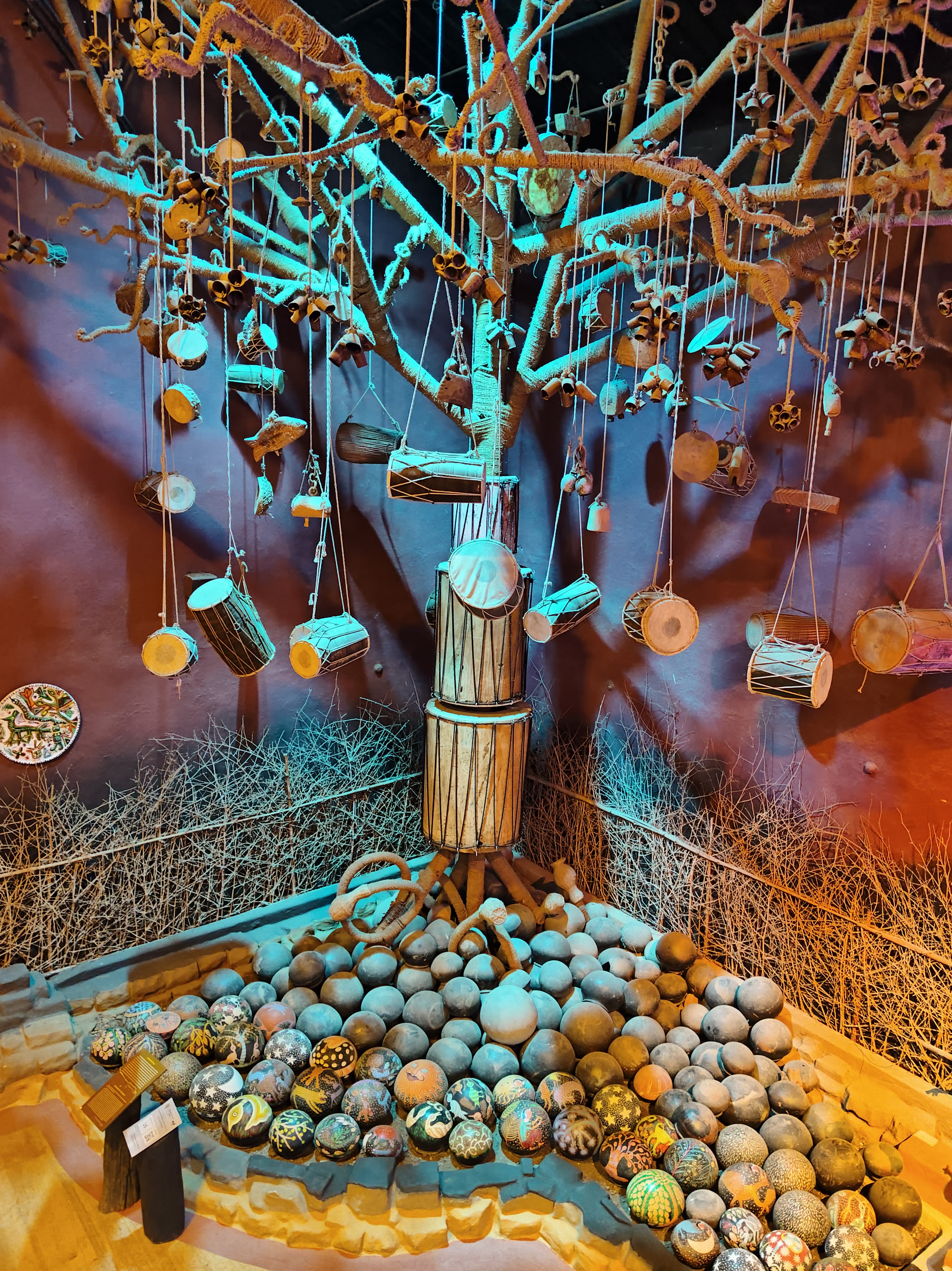
Despite dealing through misfortune in 1984, Bhopal has risen again as one of India’s prominent cities. On a rain-washed afternoon, I visited Bhojtal and the Tribal Museum here, which beautifully showcases the diverse lifestyles of the state’s many tribal communities.
Please sign in
Login and share