

























Snapdragon 8 Elite Gen 5 Announced With 3rd-Gen Oryon Core Running Up To 4.60GHZ

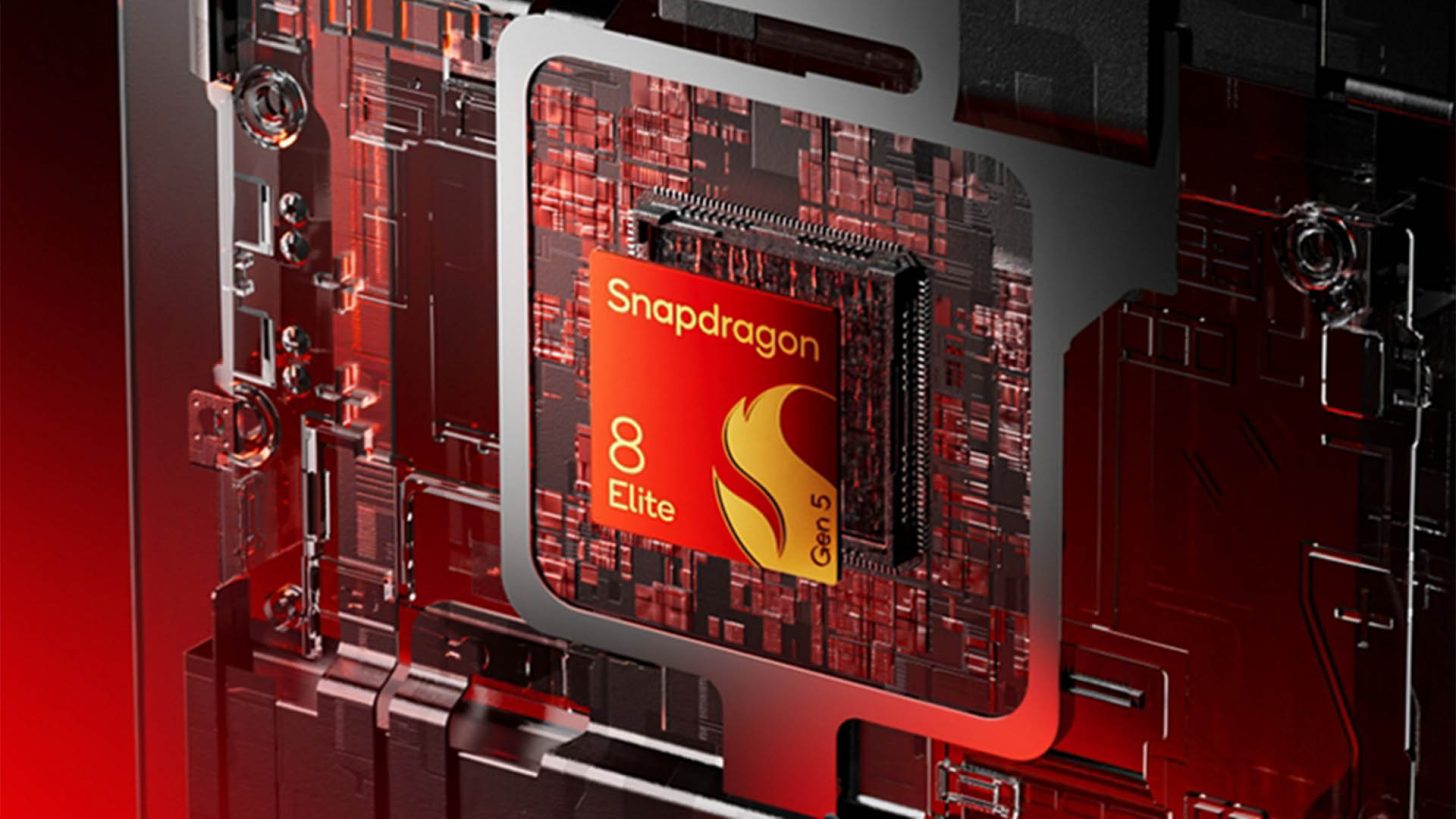
Qualcomm's Snapdragon 8 Elite has officially been succeeded by the Snapdragon 8 Elite Gen 5, with the company now using its newer third-generation Oryon cores to bring some incredible performance and efficiency numbers to the table. Here is everything you need to know about the latest addition to the Android flagship chipset family.
3rd-generation Oryon cores

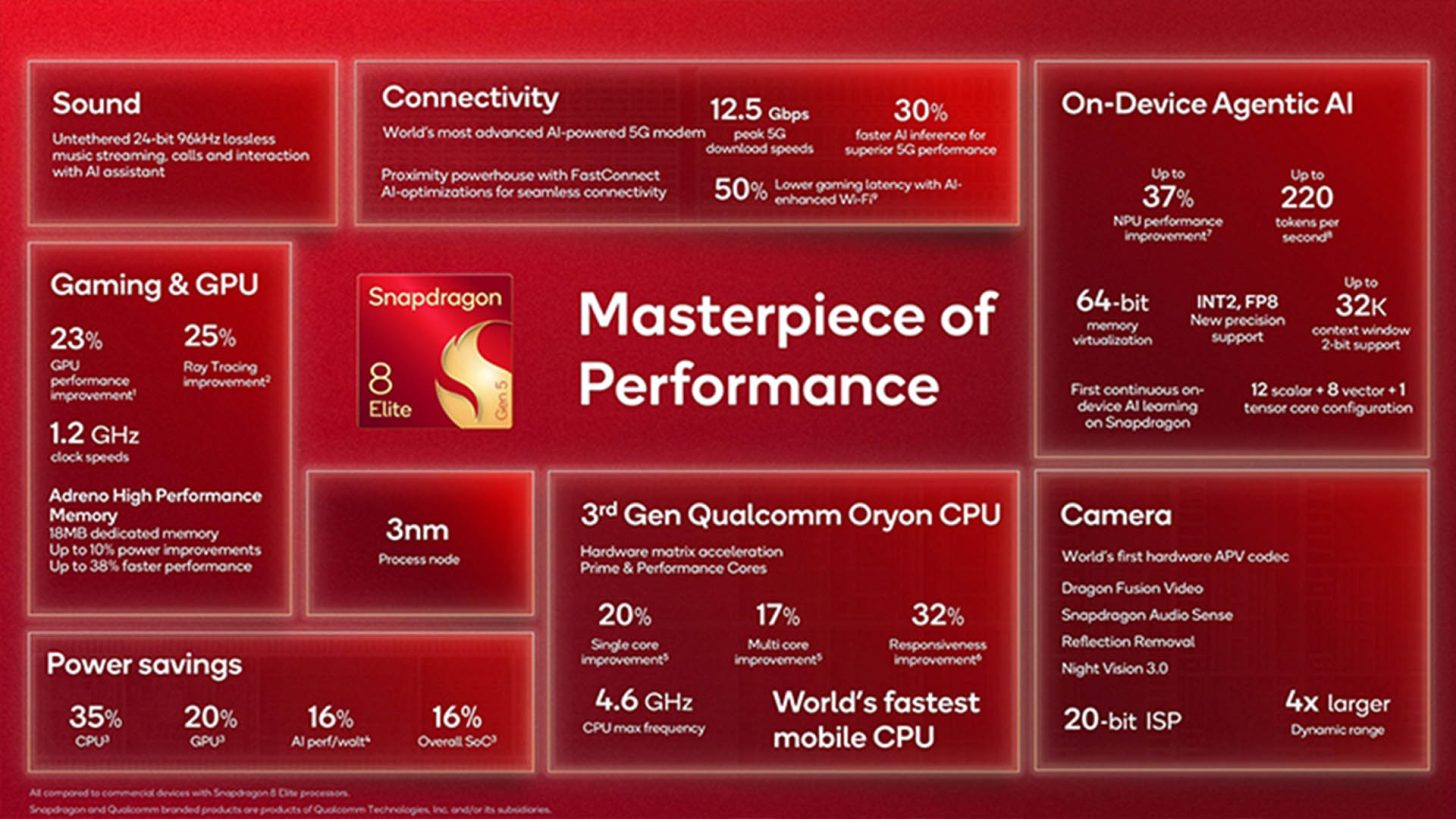
The Snapdragon 8 Elite Gen 5 features a '2 + 6' CPU cluster, with the two performance cores running at 4.60GHz, and the efficiency cores operating at 3.62GHz. Qualcomm claims that its latest SoC can deliver 20 percent improved performance over the Snapdragon 8 Elite, but the company did not mention whether these gains will be witnessed in single-core or multi-core workloads.
The San Diego firm also calls it the fastest mobile CPU in the world, but we will need to take a gander at some benchmarks to verify such tall claims.
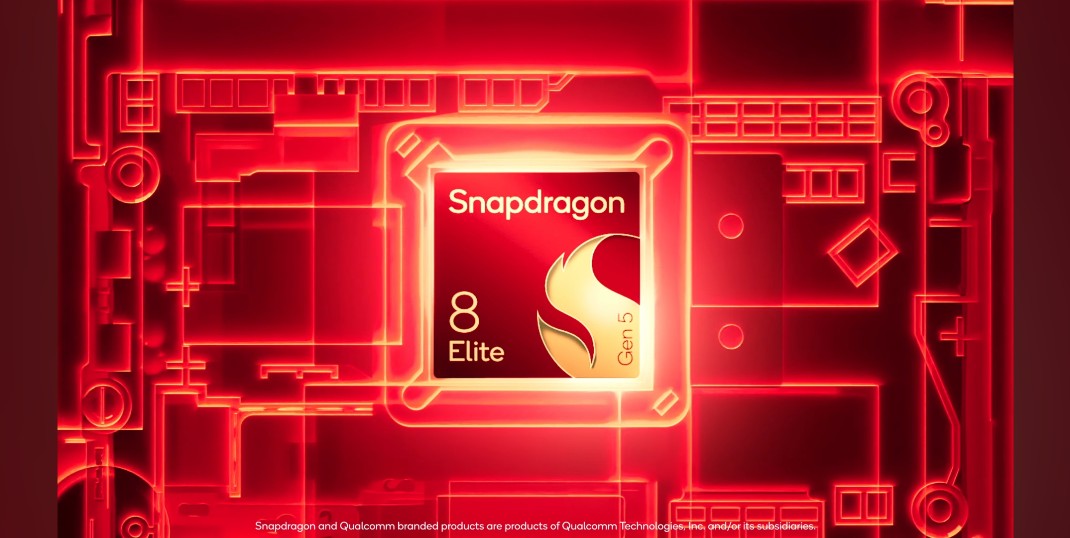
The 8-core CPU is said to offer 35 percent better efficiency, with the entire Snapdragon 8 Elite Gen 5 claimed to consume 16 percent less power than the Snapdragon 8 Elite. The 3rd-generation Oryon cores support what Qualcomm claims is hardware-based AI acceleration. However, like the ARM CPU designs adopted by MediaTek's Dimensity 9500, the Snapdragon 8 Elite Gen 5 does not support SME2
GPU and gaming details

The Adreno 840 GPU paired with the Snapdragon 8 Elite Gen 5 employs a 'sliced' architecture, which was first introduced with the Snapdragon 8 Elite. The graphics processor now uses 18MB of dedicated cache for developers to take advantage of, with Qualcomm calling it Adreno High Performance Memory and it consumes up to 10 percent less power.

The chipset maker has said that it has partnered with game developers like Tencent, who can optimize their titles for this platform. The maximum GPU clock speed of the Adreno 840 is 1.20GHz, up from the Adreno 830's 1.10GHz.
Qualcomm says that this graphics processor boosts performance by 23 percent, along with 20 percent reduced power consumption, with 'out of the box' support for Unreal Engine 5.
Neural Processing Unit and AI performance

The next-generation Hexagon NPU can tackle increased AI workloads without requiring an internet connection, with the Snapdragon 8 Elite Gen 5's component said to be 37 percent faster than the Snapdragon 8 Elite's NPU. Qualcomm says that it has also added AI accelerators, with the NPU delivering 16 percent better 'performance per watt'
Connectivity

The Snapdragon 8 Elite Gen 5 will work in unison with the Snapdragon X85 5G modem, with Qualcomm promising 12.5Gbps downlink speeds and 3.7Gbps uplink speeds. The new baseband chip is also said to be more power efficient and enables better location accuracy.
The new chipset maintains the company's FastConnect 7900 suite, meaning that Wi-Fi 7, Bluetooth 6.0, and UWB technologies are incorporated into a single package. Compared to the Snapdragon 8 Elite, Qualcomm says that the new implementation consumes 40 percent less power.
Camera and video support
The flagship SoC can support 4K 120FPS video, with 1080p 480FPS slow-motion video and 320MP still images, but Qualcomm has added some exciting stuff for vlogging.

For instance, the Snapdragon 8 Elite Gen 5 supports the Advanced Professional Video (APV) codec for video capture, meaning that smartphones equipped with this silicon can compete with iPhones that support Apple's ProRes format.
Additionally, the Snapdragon 8 Elite Gen 5 now sports a 20-bit ISP instead of an 18-bit one, allowing for a 4x increase in Dynamic Range
Source - Link
Signing off
@iQOO Connect@parakram_h@ParthNirmal@JStreetS@NITIN@Andybitts@TechSAM009@ShankarSingh@woahyash@DarthVader

Please sign in
Login and share