



























M16 (USA): The Lightweight Icon of Modern Service Rifles 🇺🇸

Hey iQOO Fam! ⚡
Today’s tech-history drop takes us into military small-arms design — meet the M16, a rifle that helped define modern service-rifle design for the United States and many allied forces around the world. 🌍🔭
📜 Quick Backstory
Adapted from the ArmaLite AR-15, the M16 entered large-scale U.S. service in 1964 during the Vietnam War. It stood out for being lightweight, air-cooled, gas-operated, and magazine-fed — characteristics that shifted thinking about soldier mobility and firepower.
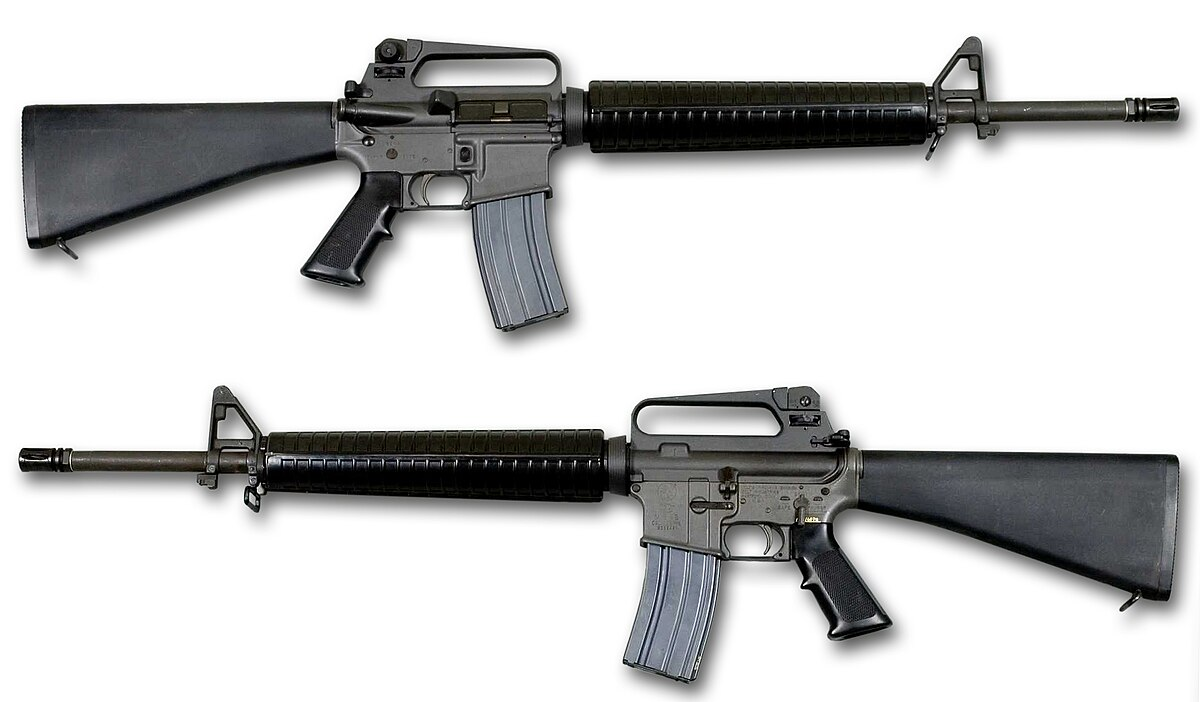
🧩 Why it mattered
Instead of just brute force and weight, the M16 emphasized maneuverability and sustained use — attributes that influenced later small-arms design globally. Over decades it’s been upgraded rather than replaced, showing how a strong basic concept can persist through iterative improvements.
🔁 A family of variants
The “M16 family” now includes multiple versions tailored to different roles and requirements — from basic infantry rifles to designs with updated materials, improved reliability, and features adapted for modern battlefield needs. This adaptability explains its long service life and widespread adoption.
🌐 Legacy & influence
Beyond battlefield use, the M16’s design lineage shaped civilian and military small-arms engineering, logistics, and procurement approaches — a reminder that engineering choices echo across decades.

💬 Discuss with care
What do you think makes a piece of tech historically important — durability, adaptability, or the impact it has on tactics and culture? Drop your thoughts below. (Note: keep the conversation high-level and non-technical.) 👇
#TechHistory #M16 #SmallArms #MilitaryTech #DesignMatters #iQOOCommunity
💫 Happy Questing, Fam 🚀🎉
— @Mrrajput_2212 (iQOO ID: 100459)
📸 Instagram: mrrajput_2212 💙🔥

Please sign in
Login and share