


























Micro Large Language Models (LLMs)

Micro Large Language Models — Overview
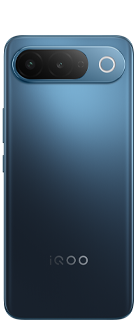
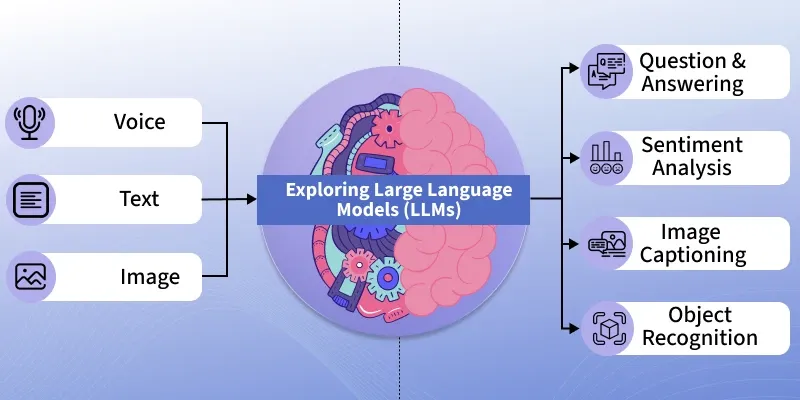
Micro LLMs are compact versions of large language models (LLMs) like GPT or LLaMA, designed to run efficiently on devices with limited computing resources (e.g., smartphones, IoT devices, or edge computers). They aim to provide advanced natural language processing (NLP) capabilities without requiring massive cloud infrastructure.
🔹 Key Features
Lightweight Architecture:
Fewer parameters than full-scale LLMs.
Reduced memory footprint and computation requirements.
On-Device Deployment:
Can run locally on mobile phones, embedded devices, or edge servers.
Enables offline capabilities, lower latency, and improved privacy.
Task-Specific Optimization:
Often fine-tuned for specific applications, like chat, summarization, or code completion
Achieves similar performance to large models in narrow domains.
Energy Efficiency:
Requires less power compared to full-scale LLMs.
Useful for battery-powered devices and eco-friendly computing.
🔹 Advantages
- Privacy: Sensitive data can be processed locally without sending it to cloud servers.
- Speed: Reduced latency because the model runs on-device.
- Accessibility: Can be deployed in regions with limited internet connectivity.
- Cost-effective: Less reliance on expensive cloud GPUs.
🔹 Applications
- Mobile Apps: AI assistants, predictive text, real-time translation.
- IoT Devices: Smart home assistants, wearable devices.
- Edge Computing: Autonomous vehicles, drones, and industrial robotics.
- Specialized NLP Tasks: Customer support bots, document summarization, and domain-specific Q&A systems.
🔹 Limitations
- Lower Generalization: Smaller models may not perform as well on tasks outside their fine-tuned domain.
- Less Creativity: Can struggle with complex reasoning or generating highly creative text compared to full-scale LLMs.
- Trade-off Between Size and Accuracy: Shrinking the model too much can reduce its language understanding capabilities.
🔹 Future Potential
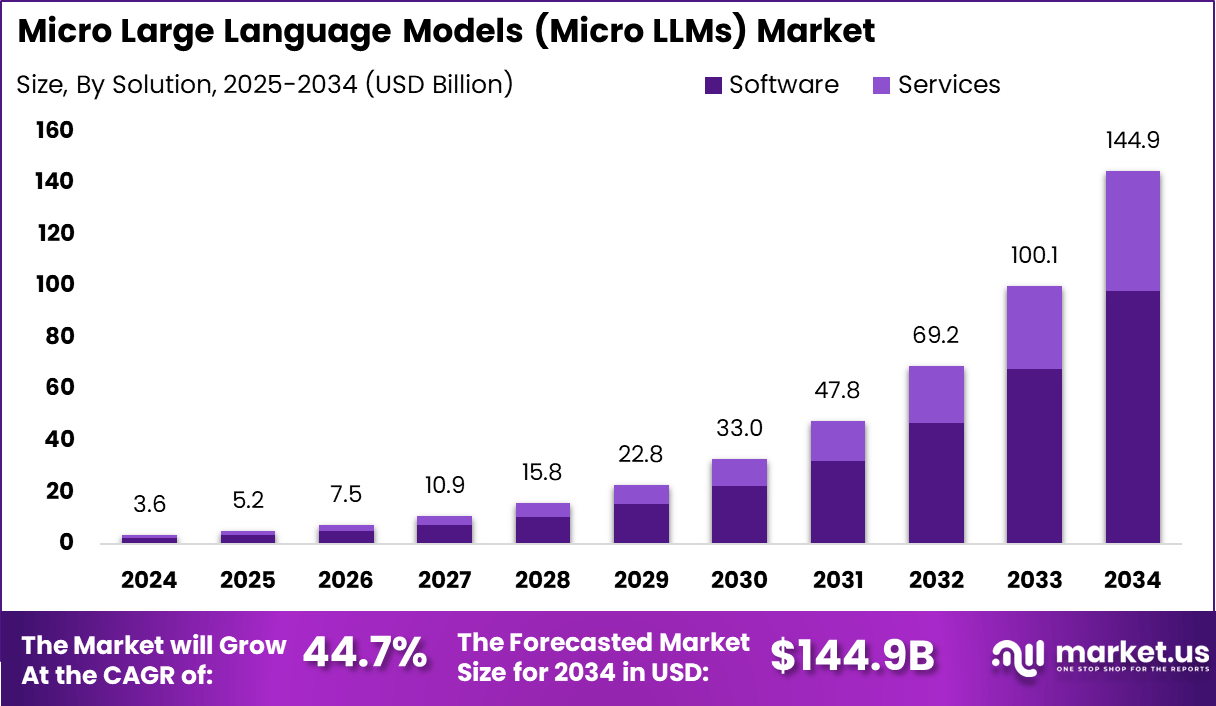
Micro LLMs are expected to bring AI to every device, enabling real-time, private, and energy-efficient natural language understanding. With ongoing research in model compression, quantization, and pruning, their capabilities are rapidly approaching those of larger models, making them ideal for ubiquitous AI.
Thank you
Your Qool Quester
Ayush pandey
Please sign in
Login and share