


























Final Fantasy 7 Rebirth director on building the future while remaking the past

Naoki Hamaguchi is looking to reach a new generation of players
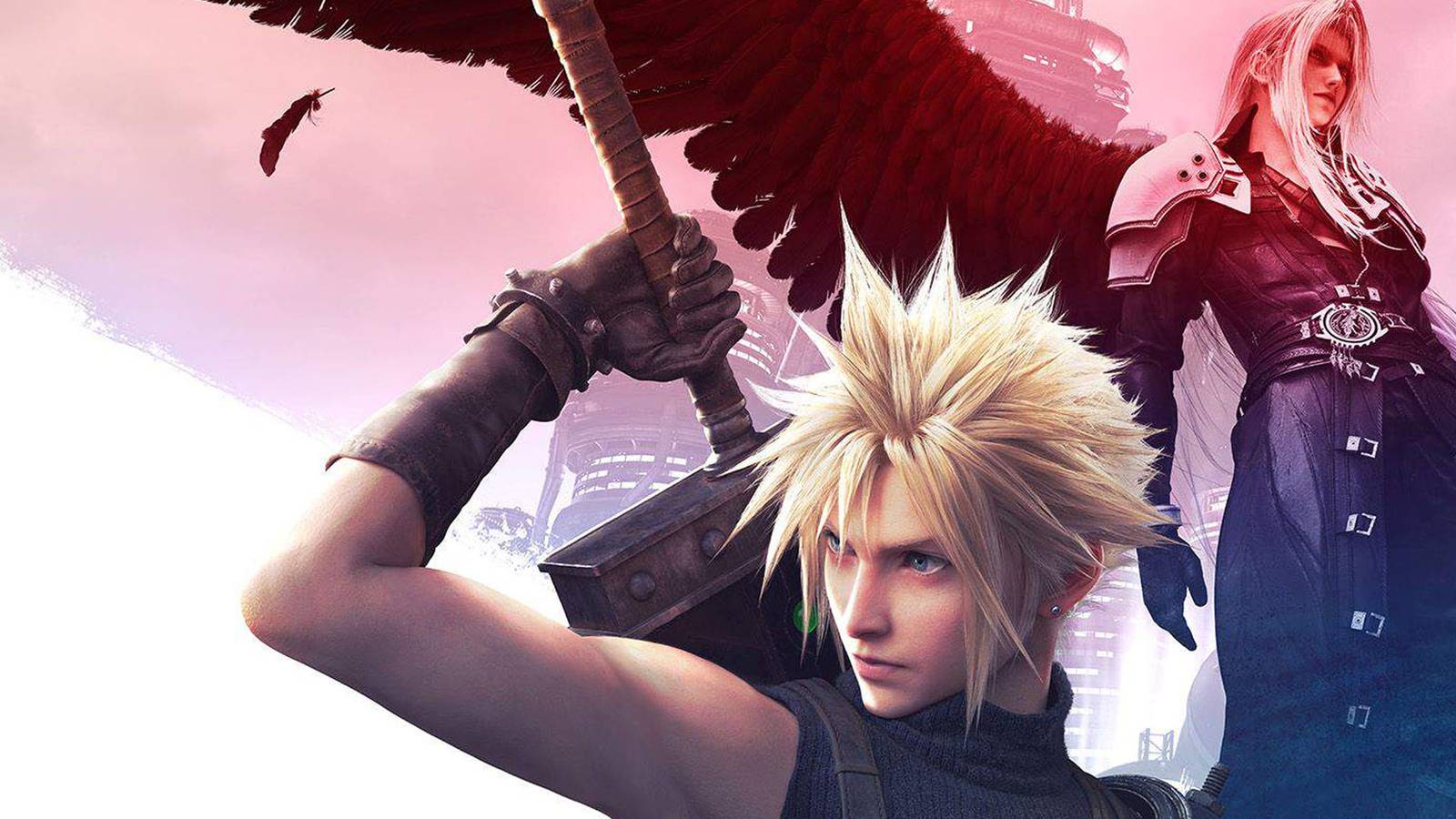
With Final Fantasy 7 Rebirth, director Naoki Hamaguchi made it clear that his remake of a beloved classic would honor the original story while also feeling like its own distinct tale. Though there’s still much to be discovered about the path he is taking us — and whether we will like it or not — it’s evident that Hamaguchi’s ambitious three-part remake project is creating the foundation on which the Final Fantasy series can thrive in future generations.
For those of us who grew up playing Final Fantasy games, the cultural importance of the series is unquestionable. These games molded my taste and knowledge about gaming as a kid. Final Fantasy taught me that spells become stronger as you add more syllables to their names. In Final Fantasy 4, I learned how emotional an epic adventure tale could be. Final Fantasy 9 made me understand that I would love this series for the rest of my life. Nevertheless, as new generations of gamers discover their own interests, all this history can feel daunting for series newcomers.
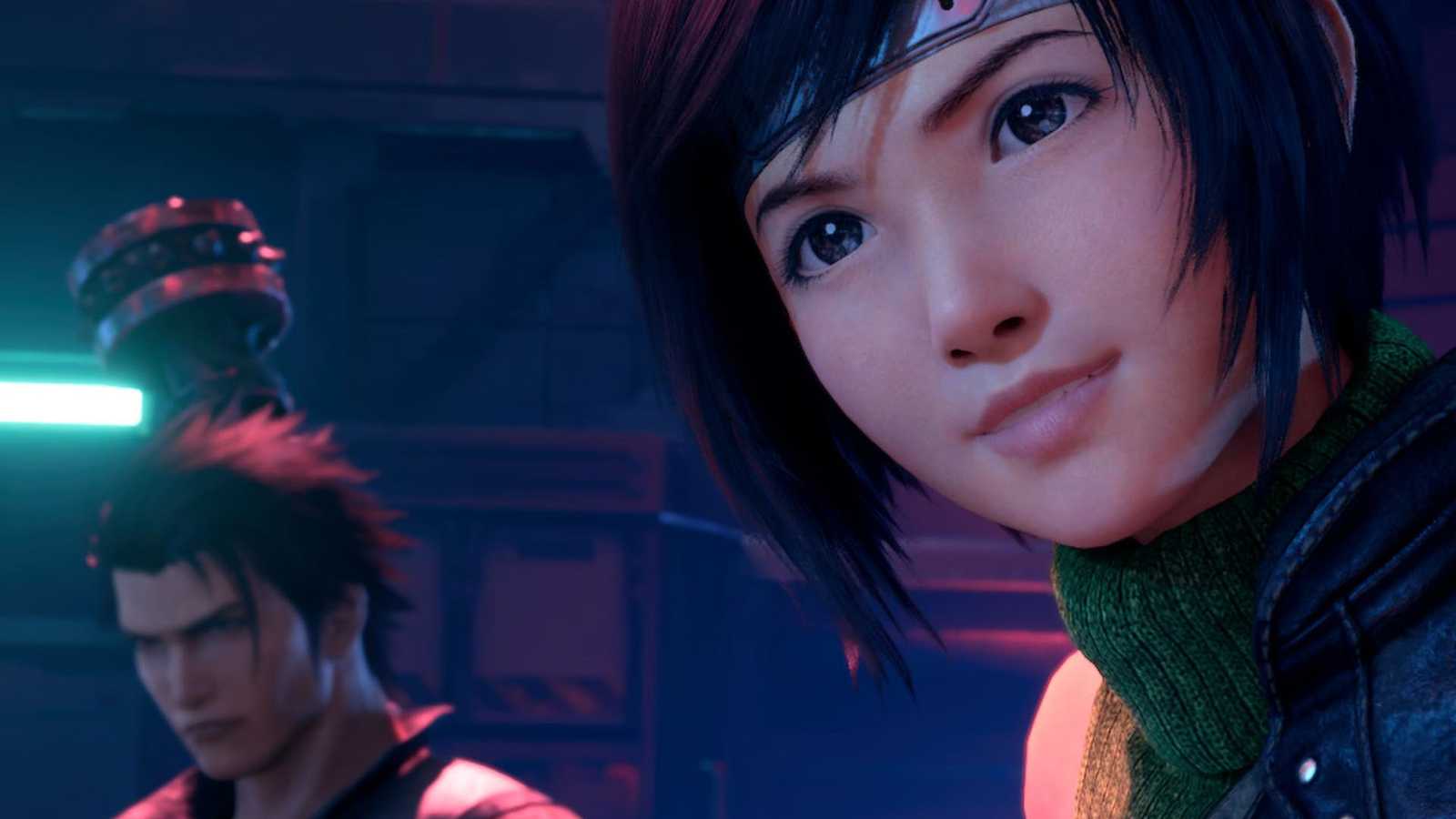
At the 2025 Brasil Game Show, I had the chance to talk to Hamaguchi about how the Final Fantasy 7 remake project contributes to the franchise and how porting it to platforms such as Switch 2 can help the Final Fantasy series reach a broader audience.
According to the director, the goal of the project is to “take the original storyline, add new things — from spin-offs and other sources — that already existed in the world of Final Fantasy 7, splitting it into three games, and by doing so make fans wonder how the story will end.” In other words, they planned to create an experience that is new for everyone. From the hardcore fan who dresses up as Sephiroth at Halloween parties to a kid who thinks a Chocobo is a giant chicken, they will all have the chance of learning what happens with the characters.
While the original Final Fantasy 7 pushed the boundaries of video game visuals back in 1997, the low-poly graphics and lack of voice acting leave it feeling dated by modern standards. Hamaguchi sees the remake as capable of “improving the perception people have about the game and allowing them to have new discoveries about a world that already existed.”
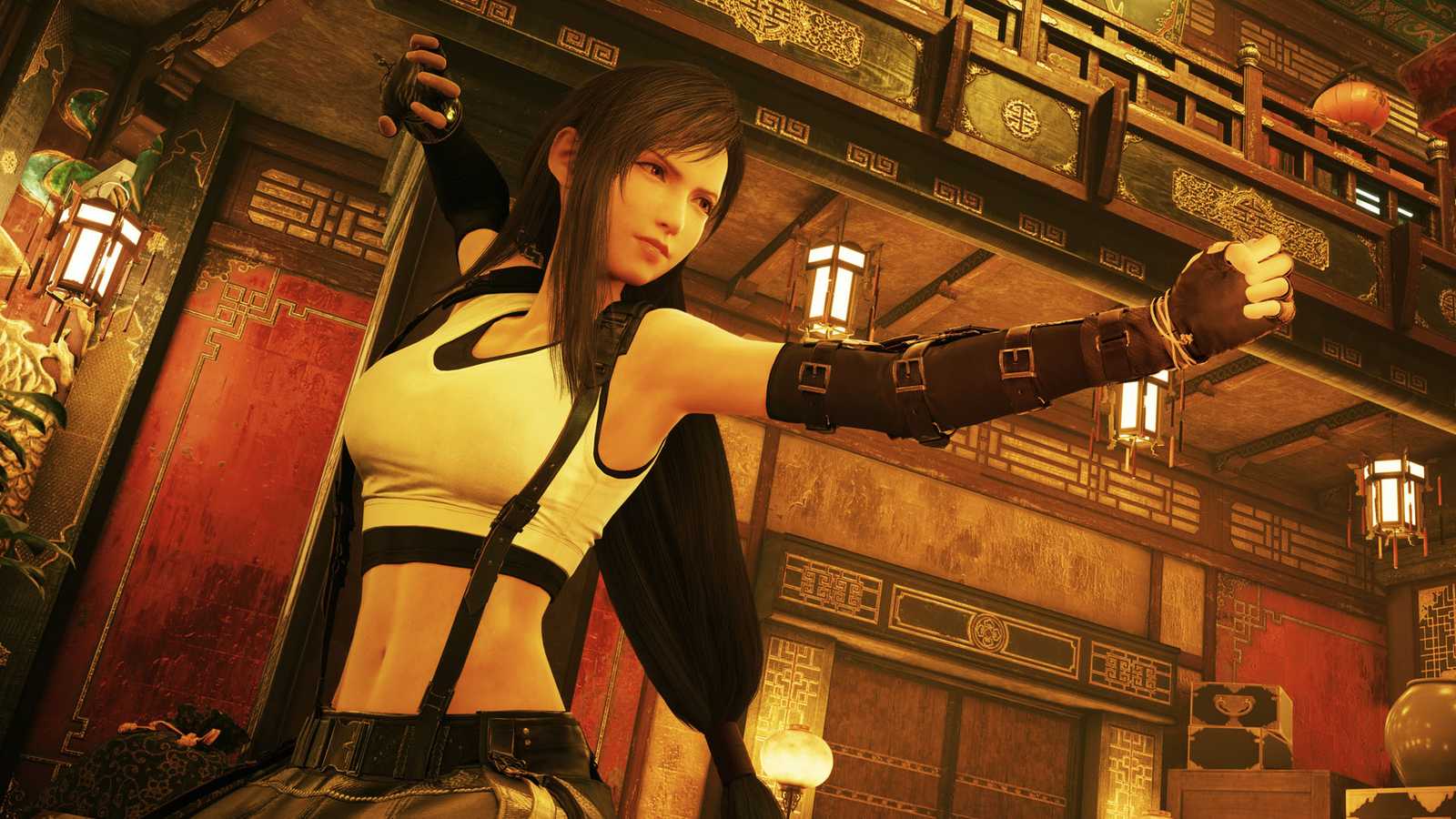
When you see the energetic Hamaguchi, who greeted us with a welcoming smile and a hug, it’s hard to understand the pressure this man carries. With two games in the trilogy released so far, some fans who played the original aren’t happy with the changes. Hamaguchi told me the team is aware of the naysayers, but still “excited to see how people will react to the third game.”
Whether players like the changes or not, the Final Fantasy 7 Remake project will become the foundation of the franchise for younger players. It’s a new narrative with incredible visuals, which extracts as much as it can from the potential of the current generation of consoles. The soundtrack reinterprets classic songs while adding new ones. The original Final Fantasy 7 made a whole generation wonder how the next title in the series would use the best technology available to create an epic narrative. Now Final Fantasy 7 Remake is doing the same for the younger players who have just equipped their first materias.
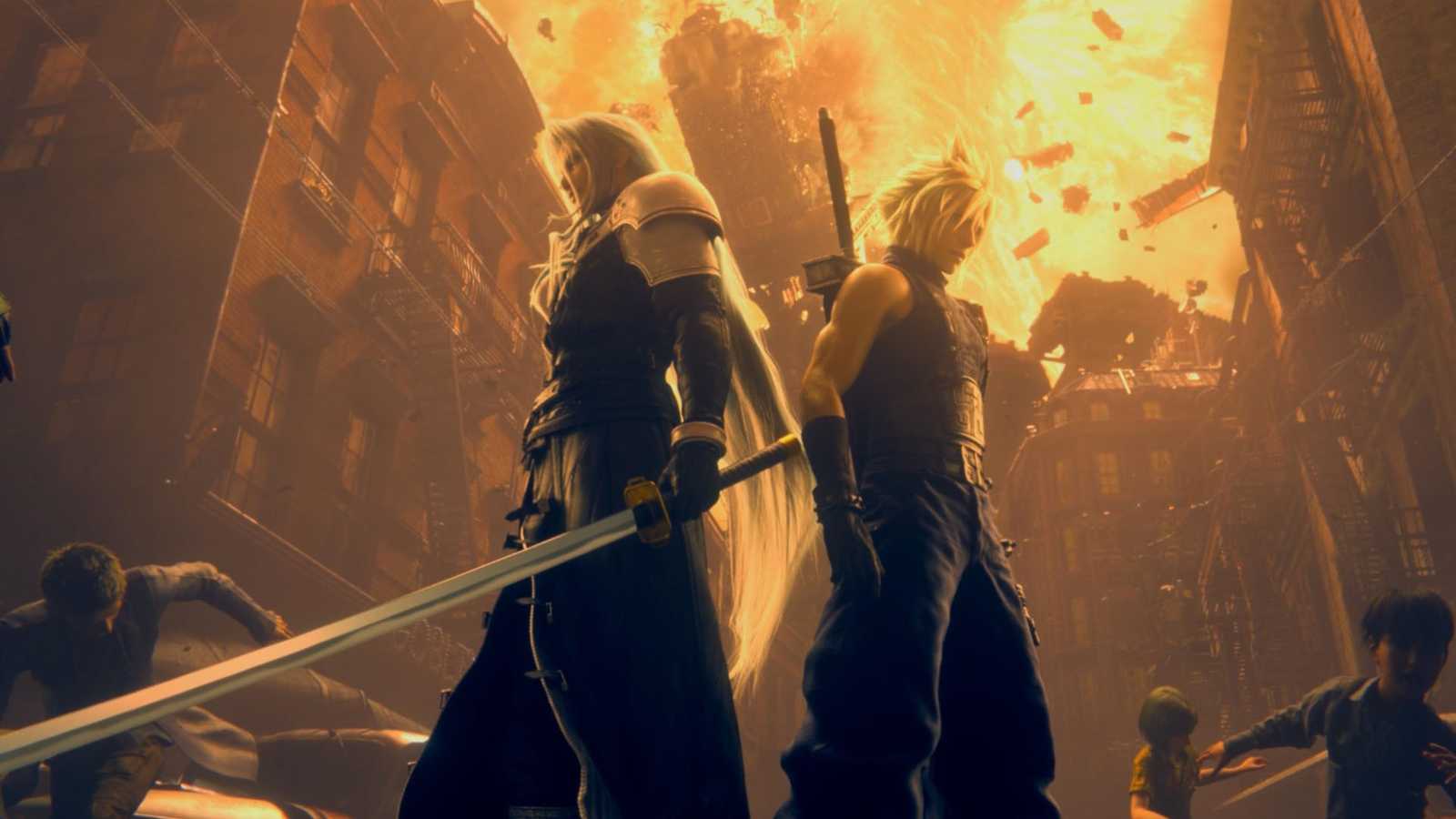
By being innovative and familiar at once, the Remake project functions as a bridge for the new generation to get in touch with the franchise. This bridge must be built with the sturdiness that the tradition and history of this series carry, while having the flexibility to understand the differences in how the generations engage with games. Put simply, Final Fantasy must adapt.
For decades, Final Fantasy games have been synonymous with top-notch cinematic cutscenes, mesmerizing graphics, and characters with gorgeous, silky hair. (Just take five minutes to remember how good Final Fantasy 13 looked on the PlayStation 3.) Being visually impressive has always been part of the Final Fantasy DNA, which always required a dedicated console setup for players to enjoy these titles. As Hamaguchi told us, “for a long time, we focused on making high-definition games with the intention of them being played on a console with a large TV, or a computer. We would develop our projects with these conditions in mind.”
Although the series has never stopped pursuing outstanding visual artistry, Square Enix also needs to meet players where they are. While the addition of action elements in the Remake project is a reflection of evolving tastes, the developers must also understand that many players don’t necessarily have expensive setups and often play short sessions outside their houses, not using a large TV, but a handheld or mobile device
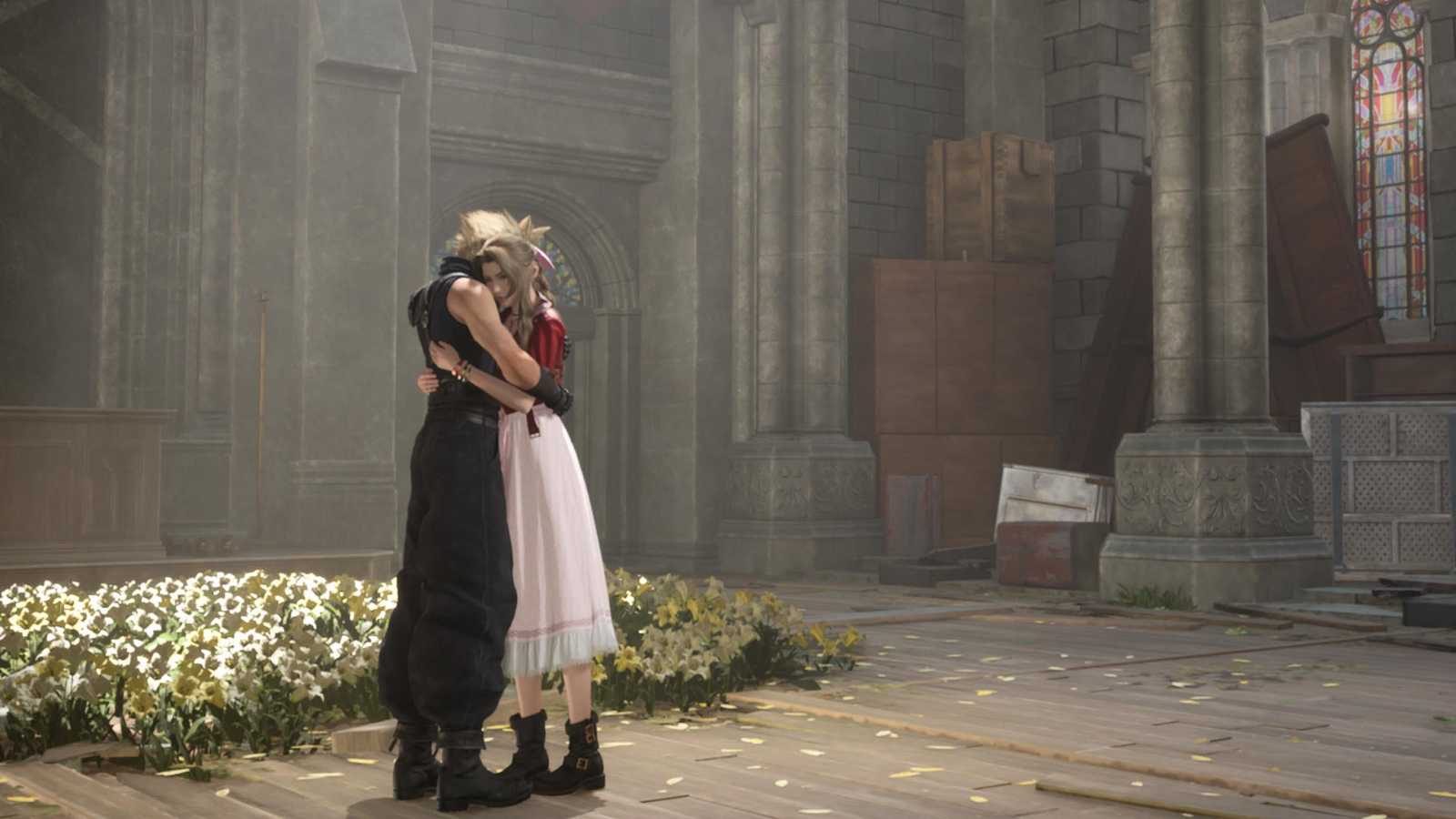
When I asked Hamaguchi about how handheld ports like the Switch 2 versions of the FF7 Remake games can help the longevity of the series, he explained that "nowadays there are many different ways to play available for us. For example, the Steam Deck, that many players use now. We have more freedom now. Currently, even high-definition games aren't played at home. Considering the diversity of ways one can play a game, we believe it's important to think about it and to adapt to these new modes of play.”
The Switch 2 version of Final Fantasy 7 Remake Intergrade won't achieve the same visual performance as other versions of the game, but it is a necessary sacrifice to make the game run smoothly. For Hamaguchi and his team, bringing the memorable, epic Final Fantasy stories to more players is the utmost goal. Without compromising his artistic direction for the remake project, he is creating an important legacy that will hopefully allow Final Fantasy to maintain its position as one of the most important RPG franchises — and continue to be appreciated by old and new players.
Please sign in
Login and share