




























Algae Reactor Roofs: A Marvel of Eco-Design

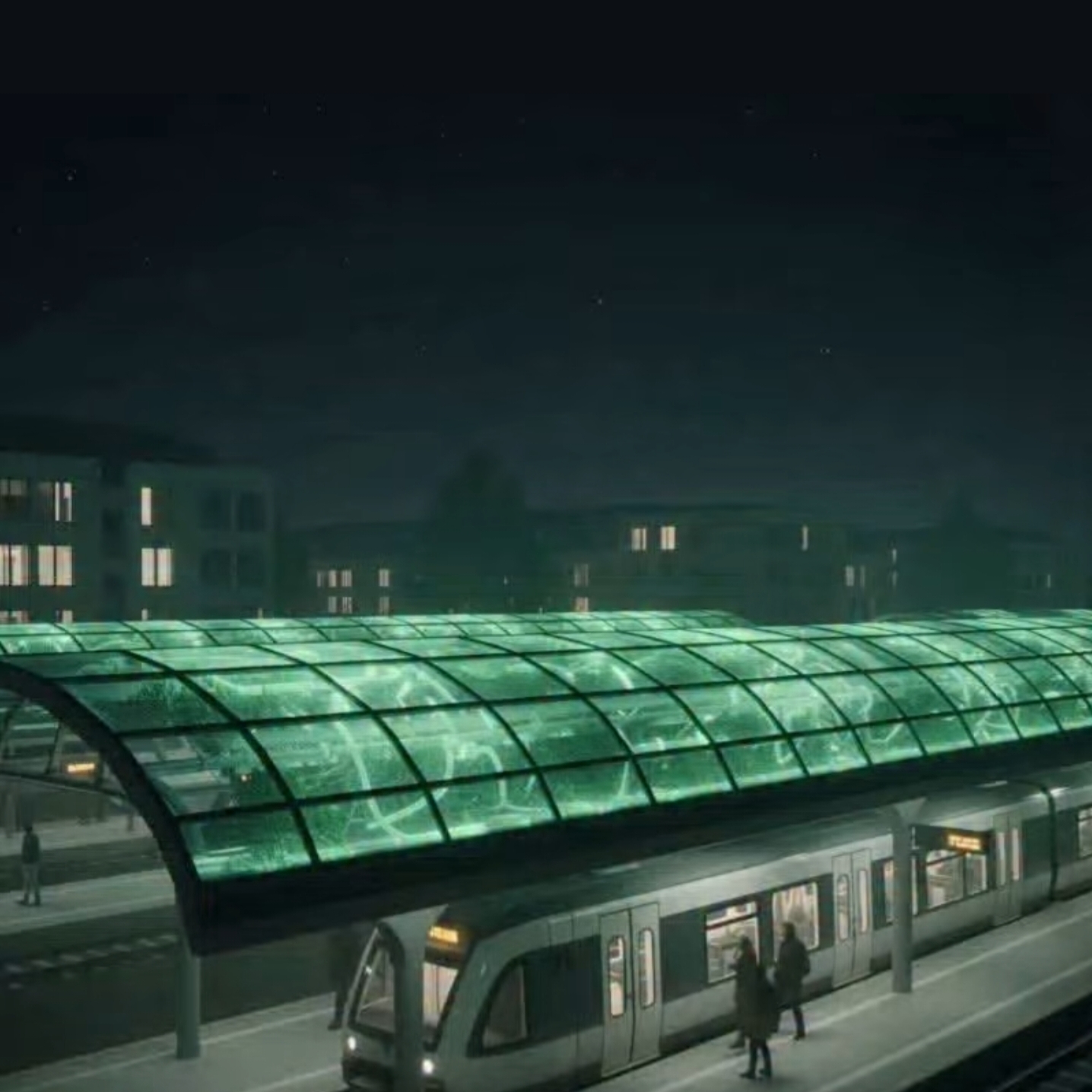
In several Danish cities, innovative train station roofs have been equipped with algae reactors - biological systems where microalgae grow inside transparent panels or tubes. These reactors glow faintly at night, providing soft illumination for the platforms and replacing traditional overhead lighting after sunset. During daylight hours, the algae actively photosynthesize, absorbing carbon dioxide from the surrounding air - a process that helps to reduce urban pollution while also producing oxygen.
How Do Algae Reactors Work?
These reactors utilize naturally bioluminescent algae, which emit light due to chemical reactions within their cells. Common examples in Denmark include Noctiluca scintillans, a species that glows when disturbed. By harnessing this property in architectural design, algae roofs act as sustainable nightlights, requiring little energy input and creating a unique ambiance for commuters. The collected carbon dioxide from the city's emissions is fed into the system, purifying the air and supporting the growth of algae biomass, which can even be harvested for use as biofuel or organic fertilizer.
Environmental and Social Benefits
- Carbon Capture: Algae reactors absorb and filter out CO₂, directly addressing air quality issues in busy urban areas.
- Energy Efficiency: Their natural glow replaces the need for energy-intensive lighting, reducing electrical consumption and cutting costs.
- Biodiversity Support: Green roofs and bio-reactors offer habitats to microfauna and support urban ecological diversity.
- Aesthetic Appeal: The glowing green roofs transform public transportation spaces, making them attractive and inviting even after dark.
Denmark's Leadership in Green Infrastructure
Denmark has been globally recognized for innovative green design, from bioluminescent algae installations to expansive green rooftops fitted on schools, shelters, and mixed-use buildings throughout Copenhagen. The country's emphasis on integrating sustainability into public projects, such as eco-friendly railway stations and green policies in city planning, sets an inspiring example for other cities worldwide.
The Future of Train Stations
This algae reactor concept symbolizes the fusion of clean technology with daily life. As more cities consider sustainable architecture, Denmark's glowing train station roofs point to a future where buildings are living systems - filtering air, generating energy, and lighting up communities in harmony with the environment.
Information and picture source:- Google
Signing off
iQOO Moderator
Please sign in
Login and share