






















The Rise and Fall of Free Fire in India: From Glory to Silence

2017 – The Birth of a New Competitor
In December 2017, Garena, a Singapore-based gaming company, released Free Fire – Battlegrounds globally. The mobile battle royale scene was already seeing a boom, thanks to PUBG’s success, but Free Fire came with one major advantage — it was lightweight and optimized for low-end Android smartphones.
At a time when many Indian players couldn’t afford high-performance devices, Free Fire offered an accessible, smooth experience even on 2GB RAM phones. Its short 10-minute survival matches and smaller maps made it easy for casual players to enjoy. India’s massive mobile user base began to notice this new contender.
2018 – The First Wave of Popularity
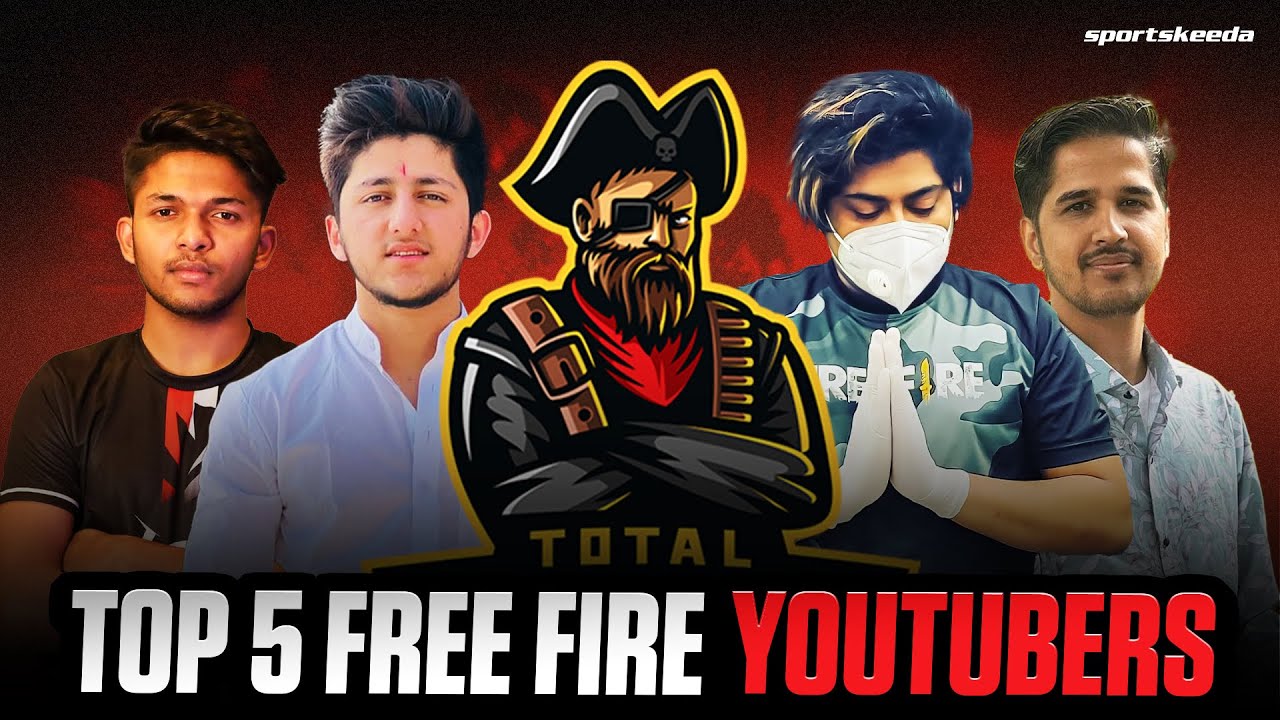
2018 saw Free Fire’s first major growth in India. YouTube streamers like Total Gaming (Ajjubhai), Gyan Gaming, and Desi Gamers started creating Free Fire content, quickly building loyal fanbases.
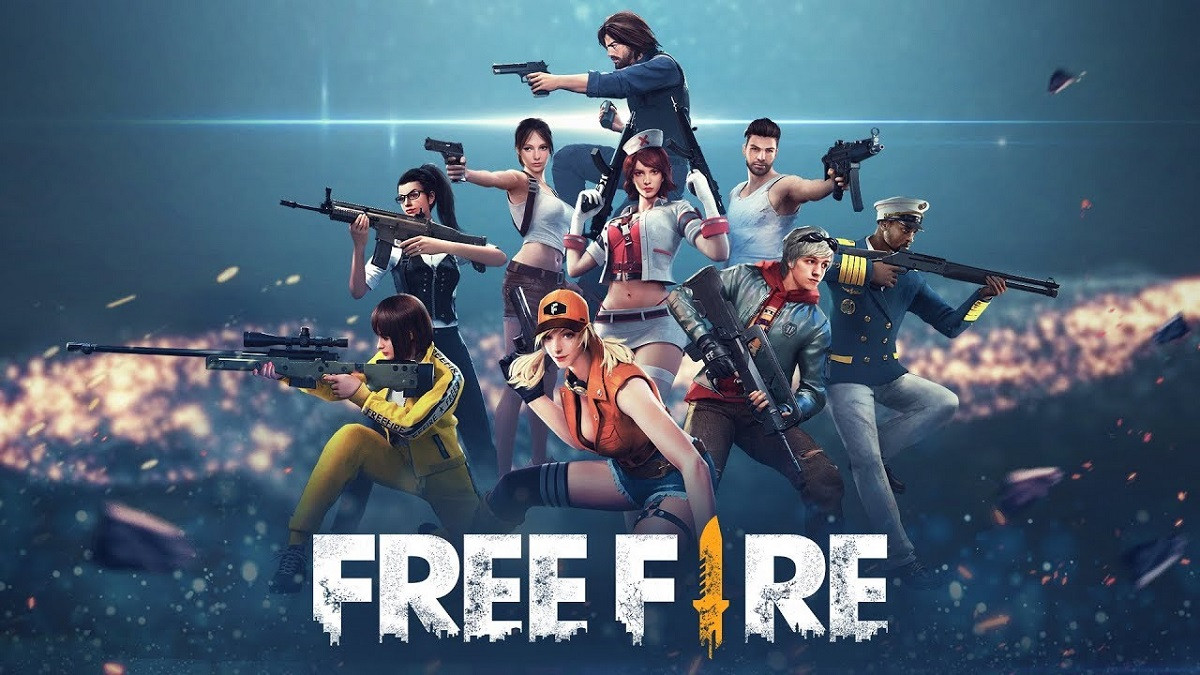
Free Fire also benefited from its consistent in-game events, unique character system, and frequent updates — something players didn’t see in other games at the time. The game’s simplicity, combined with colorful cosmetics and emotional storytelling through characters like Kelly and Alok, gave it a strong identity.
By the end of 2018, it had established itself as a serious alternative to PUBG Mobile, especially among players in small towns and rural India.
2019 – The Year of Growth
2019 was the take-off year for Free Fire in India. Garena realized the game’s potential and began focusing heavily on Indian players. They introduced India-specific servers, localized events, and collaborations that connected with Indian audiences.
The Free Fire India Championship (FFIC) was announced, marking the game’s official entry into India’s esports ecosystem. For many young players, this was the first time they could dream of becoming professional gamers without needing expensive setups.
Meanwhile, YouTube content creators flourished. Free Fire-related videos started dominating gaming trends, often surpassing PUBG Mobile videos in views. The combination of low system requirements, vibrant graphics, and community-focused updates built a powerful fanbase across the nation.
2020 – The Unstoppable Peak
2020 was the year Free Fire became a cultural phenomenon in India. The COVID-19 lockdowns pushed millions indoors, and Free Fire became a lifeline for entertainment and social connection.
Players who previously never touched games became daily players. The game recorded record-breaking downloads, crossing 500 million installs globally and becoming the most downloaded mobile game of 2020, with India contributing a massive share.
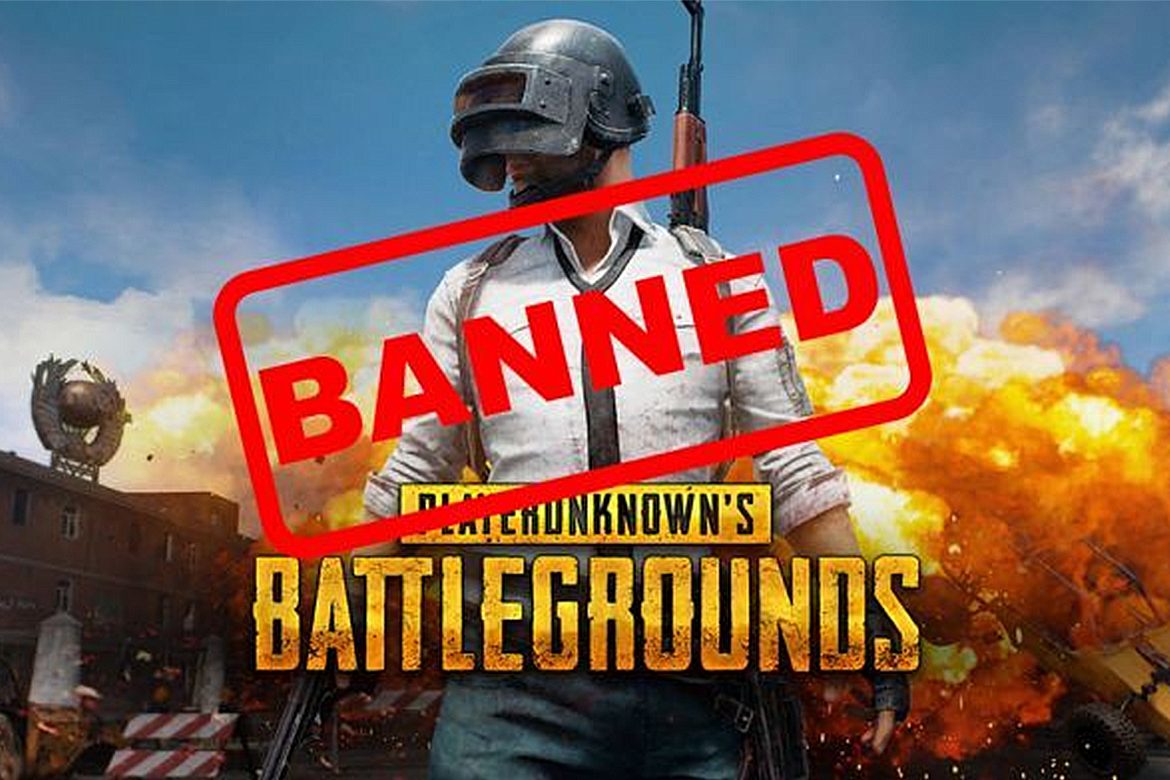
Then came the turning point: PUBG Mobile was banned in India in September 2020 due to data security concerns. Free Fire immediately filled the void. Players migrated en masse, YouTube viewership skyrocketed, and Free Fire became India’s #1 battle royale game.
The esports scene boomed with major tournaments like the Free Fire India Championship 2020, offering huge prize pools and professional exposure to grassroots-level players. The game wasn’t just entertainment anymore — it became a career path for many.
2021 – The Reign of Free Fire and the Birth of MAX
If 2020 was the year of the rise, 2021 was the year of dominance. Free Fire held an iron grip on the Indian gaming market. Garena capitalized on the momentum by launching Free Fire MAX in September 2021 — an upgraded version with improved graphics, smoother animations, and better audio — while maintaining compatibility with the original version through Firelink technology.
Free Fire MAX gave players a more immersive experience while keeping the game’s lightweight identity intact. It attracted both competitive and casual gamers, with even stronger community engagement.
Esports continued to thrive with events like FFIC 2021, Pro League India, and international participation in the Free Fire World Series. Garena also collaborated with Indian celebrities and introduced region-specific skins, celebrating Indian culture in-game.
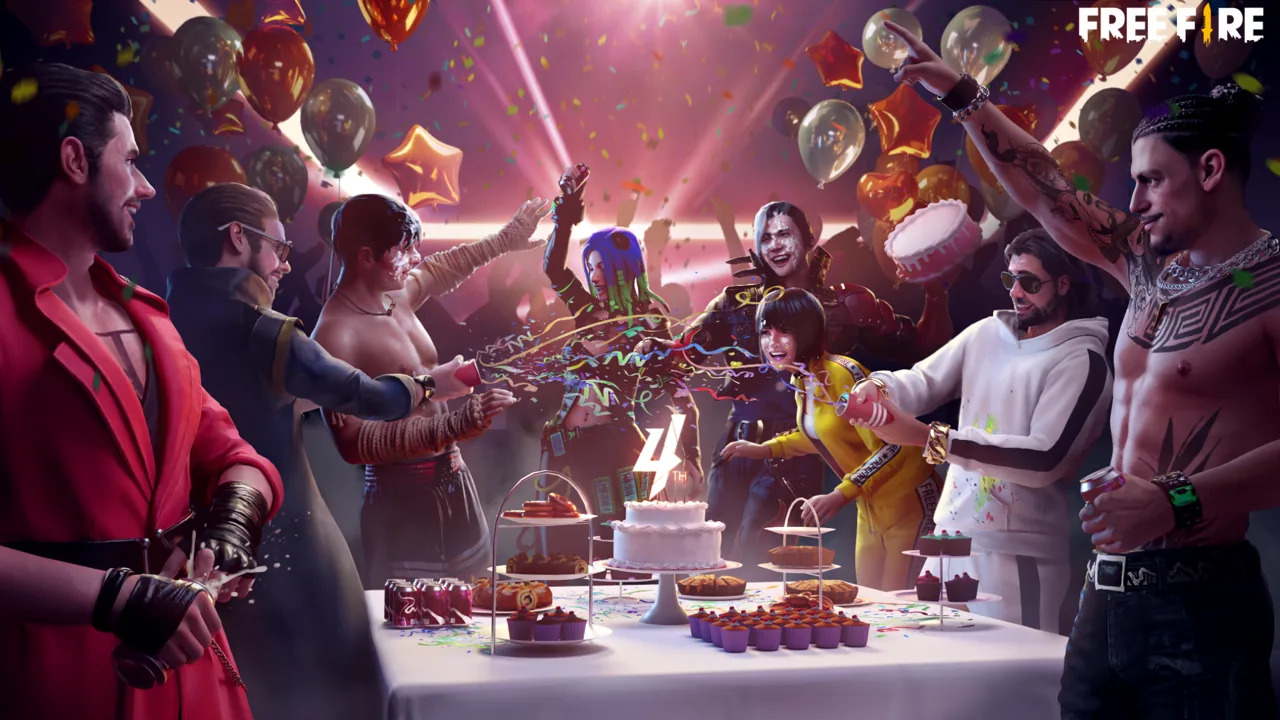
By the end of 2021, Free Fire and Free Fire MAX had become household names, dominating both mobile gaming charts and online content creation platforms.
2022 – The Fall That Shocked Millions
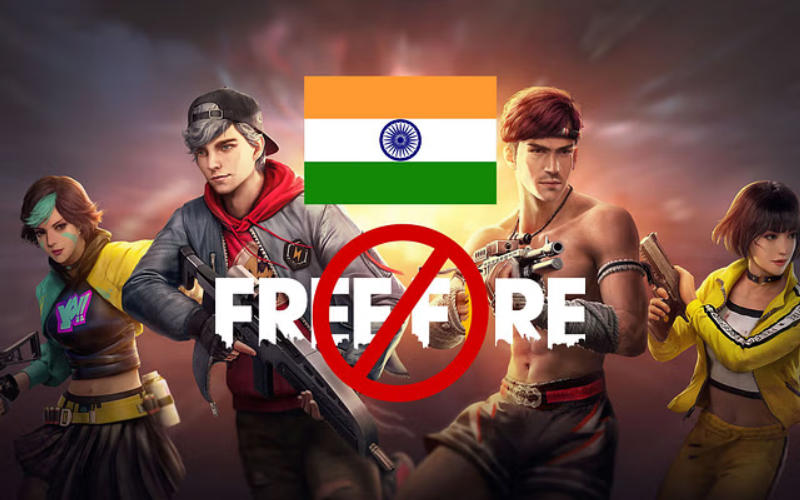
The year began with hope, but soon turned into heartbreak. On February 14, 2022, the Indian government banned Free Fire along with 53 other apps, citing national security and data privacy concerns, mainly over alleged ties to Chinese technology companies like Tencent.
The ban was sudden. Free Fire was removed from Google Play Store and Apple App Store, and players began losing access. Though Free Fire MAX remained temporarily accessible, it too started to face restrictions and server instability.
The ban crippled India’s thriving Free Fire ecosystem — esports teams disbanded, tournaments were canceled, and thousands of streamers lost their main source of content and income overnight.
It was more than just a game being banned — it felt like an entire gaming culture had been abruptly silenced.
2023 – The Hope of Revival
Garena wasn’t ready to give up. In mid-2023, they made headlines by announcing Free Fire India, a version built specifically for the Indian market with data storage and security compliance.
They partnered with Yotta Infrastructure, an Indian data services company under the Hiranandani Group, to ensure that all player data stayed within India. They also appointed MS Dhoni as the game’s brand ambassador — a move that sent waves of excitement across the community.
A relaunch date was set for September 5, 2023, and pre-registrations opened with massive response. Promotional campaigns, social media buzz, and teaser videos built huge anticipation.
However, just days before launch, Garena postponed the release indefinitely, stating that more time was needed for “final refinements.” Despite repeated rumors and community pressure, the game never officially returned.
2024 – The Silent Decline
2024 was a year of silence and fading hopes. Free Fire MAX remained functional globally but was largely inactive in India.
Without local servers, major updates, or esports support, the remaining Indian player base slowly drifted away. YouTube creators shifted to BGMI, COD Mobile, or new battle royale games.
The once-thriving Indian Free Fire community — fan pages, guilds, tournaments — began disappearing.
Despite occasional trending hashtags like #BringBackFreeFireIndia, no official progress was made. For many, Free Fire became a nostalgic memory, a symbol of the golden age of mobile gaming during lockdown years.
2025 – The Legacy Lives On
Today, in 2025, Free Fire and Free Fire MAX remain banned in India. Garena has not released an updated timeline for its return, though rumors still surface occasionally.
Yet, the game’s legacy endures. It changed the face of Indian gaming — introducing millions to esports, giving rise to the biggest mobile gaming YouTubers, and proving that world-class gaming experiences don’t need expensive devices.
Free Fire’s story in India is a bittersweet one — from being the game of the masses to becoming a lost legend. Its journey reflects not only the evolution of Indian mobile gaming but also the fragile balance between entertainment, policy, and digital sovereignty.
In the end, Free Fire’s rise and fall tell a powerful story:
It wasn’t just a game — it was a community, a dream, and a turning point for Indian mobile gaming. Its downfall left a void, but its impact still shapes the nation’s gaming culture even today.
How was your Free Fire experience , let me know in the comments !!!
Signing off
Please sign in
Login and share