









3D printed and hand-crafted drone breaks 585 km/h speed record

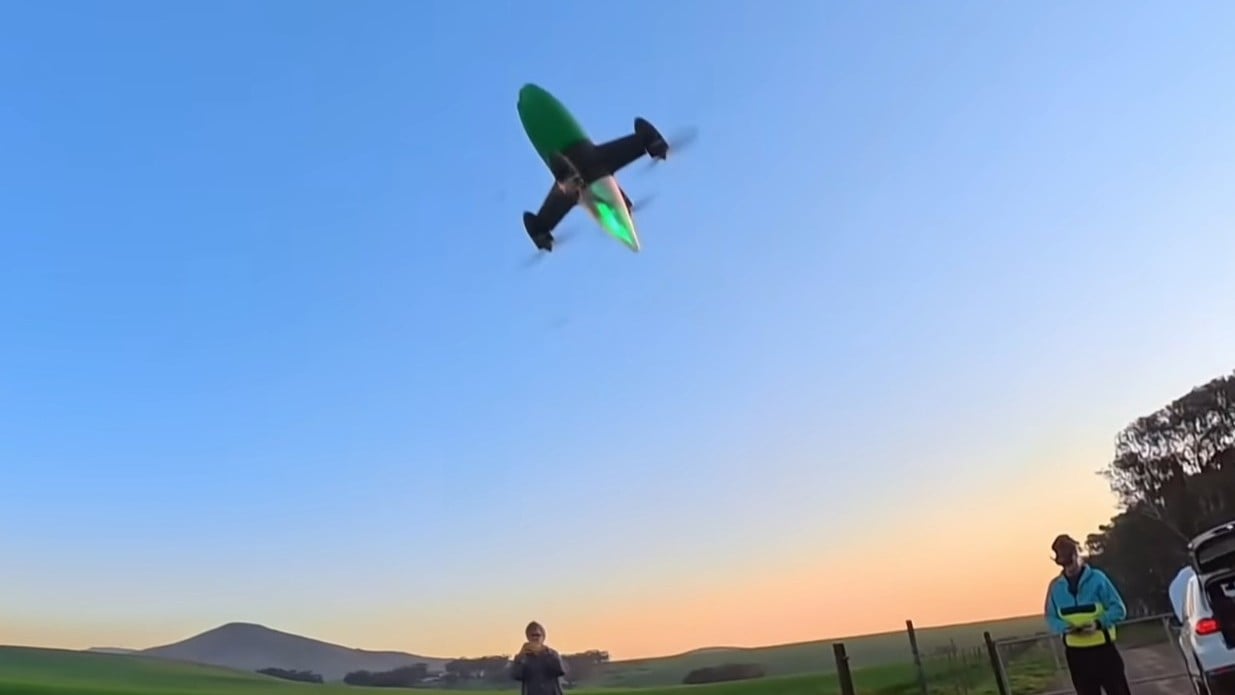
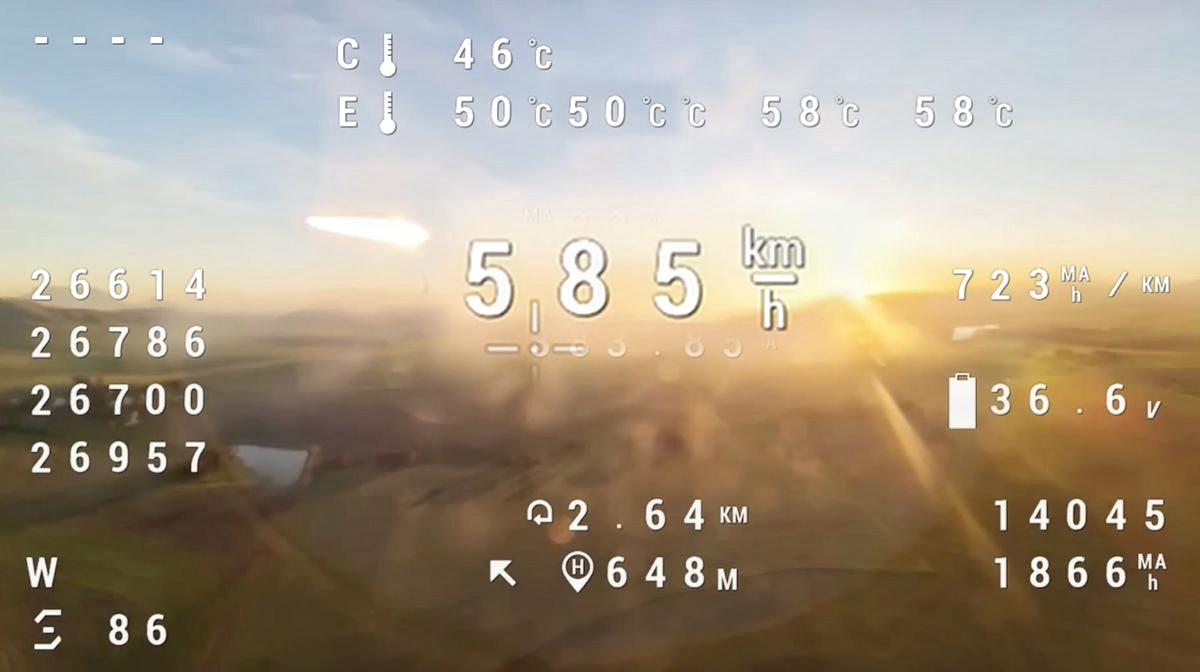
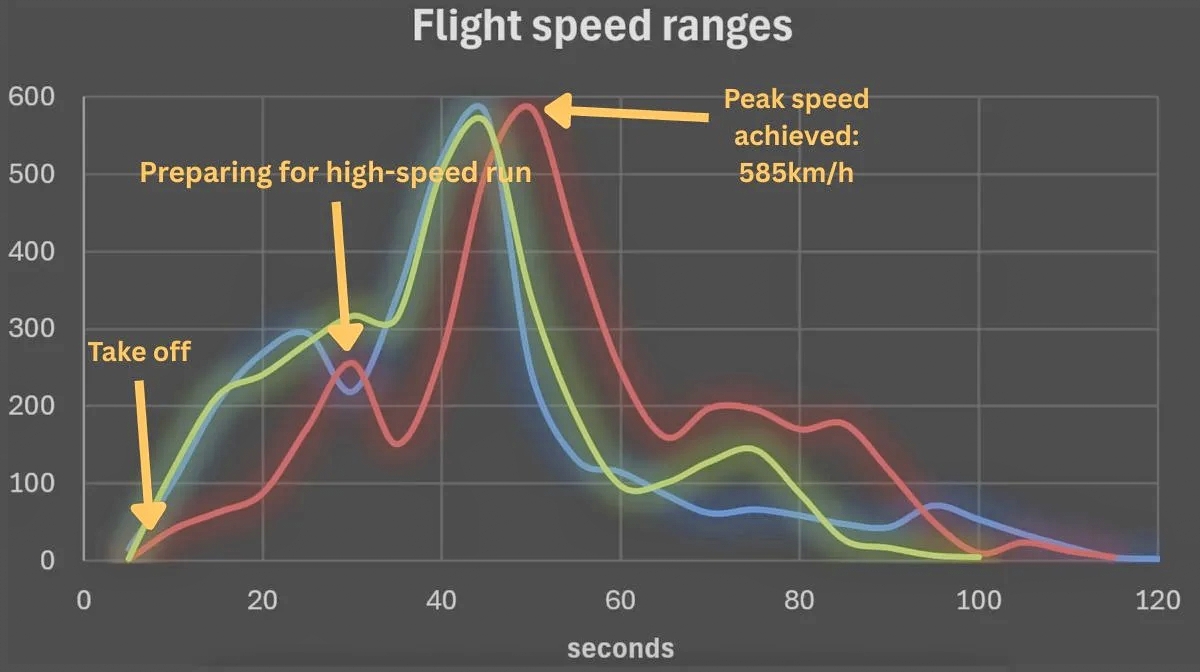
In a small garage turned workshop, a father and son have built what might be the world’s fastest drone — and it wasn’t made in a lab, but on a 3D printer. The Peregreen 3, a hand-crafted quadcopter designed by Mike Bell and his son Luke Maximo Bell, has reportedly hit 585 km/h (363.5 mph) in a test flight, breaking the previous drone speed record by 27 km/h.
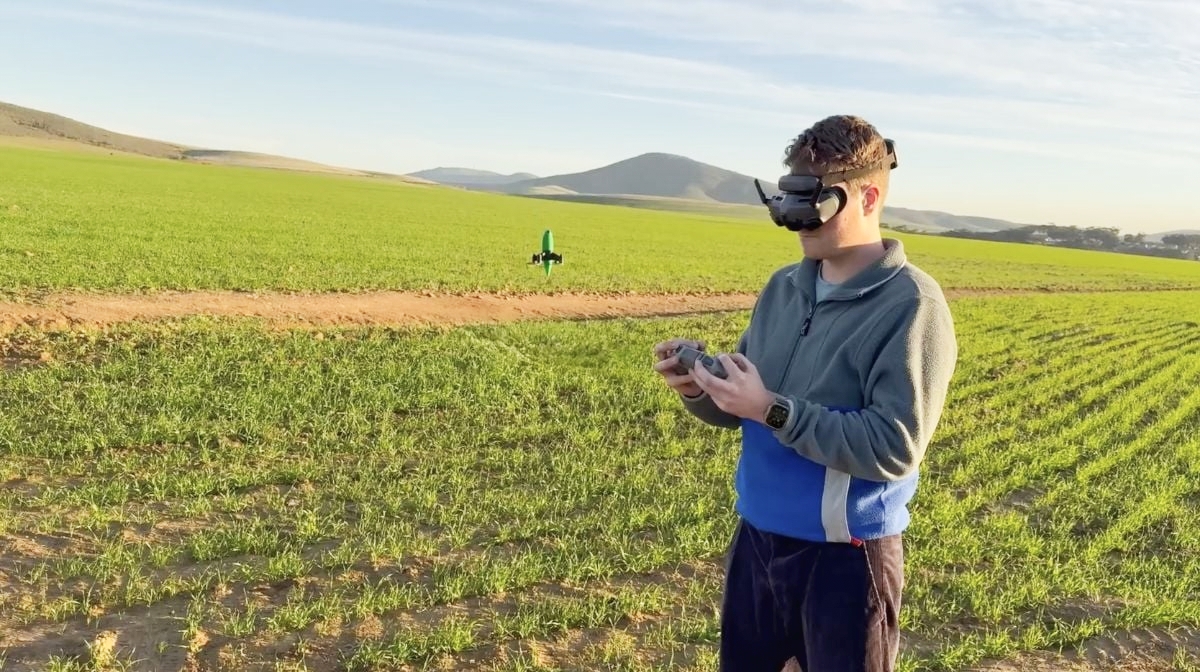
The record-attempt flight, documented with GPS and onboard video, still awaits Guinness certification as of writing. But it continues a streak for the Bells, who have been chasing speed records for years. Their last model, the Peregreen 2, topped out at 480 km/h — already among the fastest in the world.
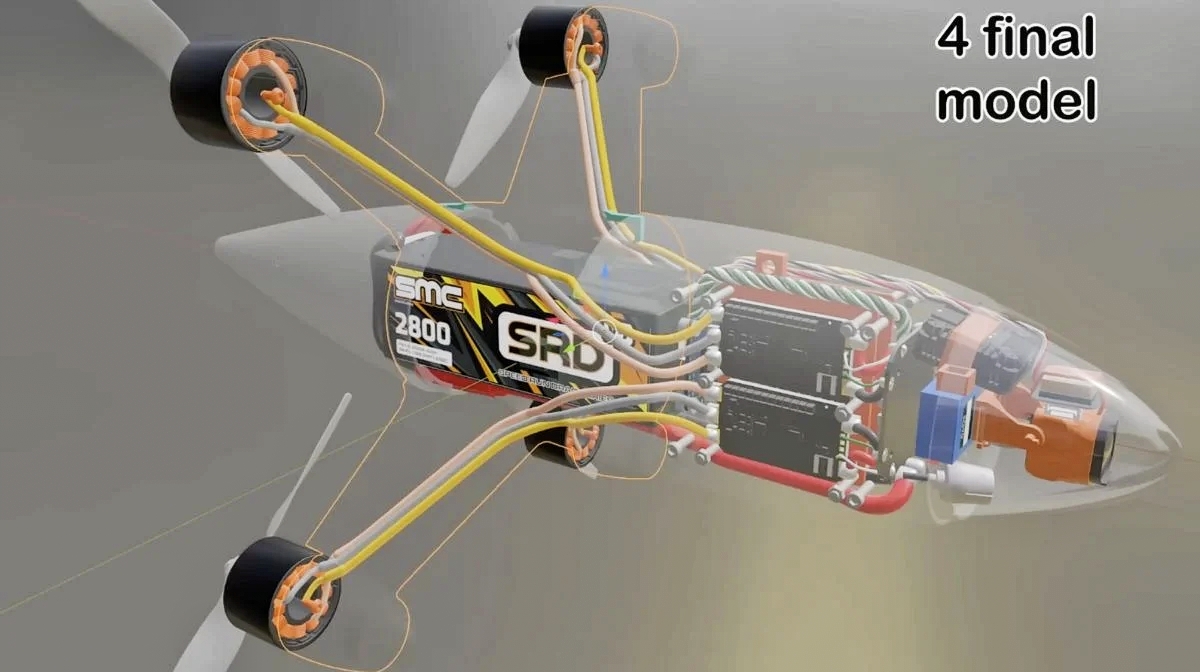
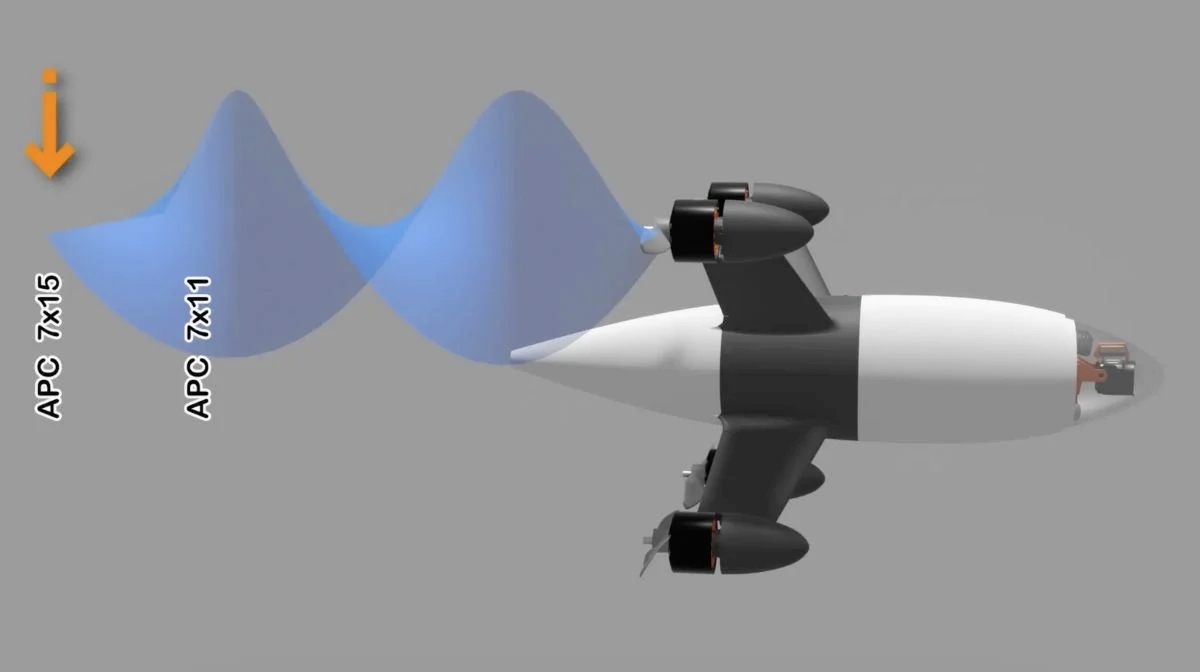
The Peregreen 3’s secret is brute force and clever engineering. Its electric motors pull 16.2 kW at peak power, almost double the output of its predecessor, with energy supplied by a 16 kW battery pack. The entire drone weighs 2.77 kg, a full kilogram heavier than before, but gains stability from custom APC propellers designed to avoid supersonic tip speeds.
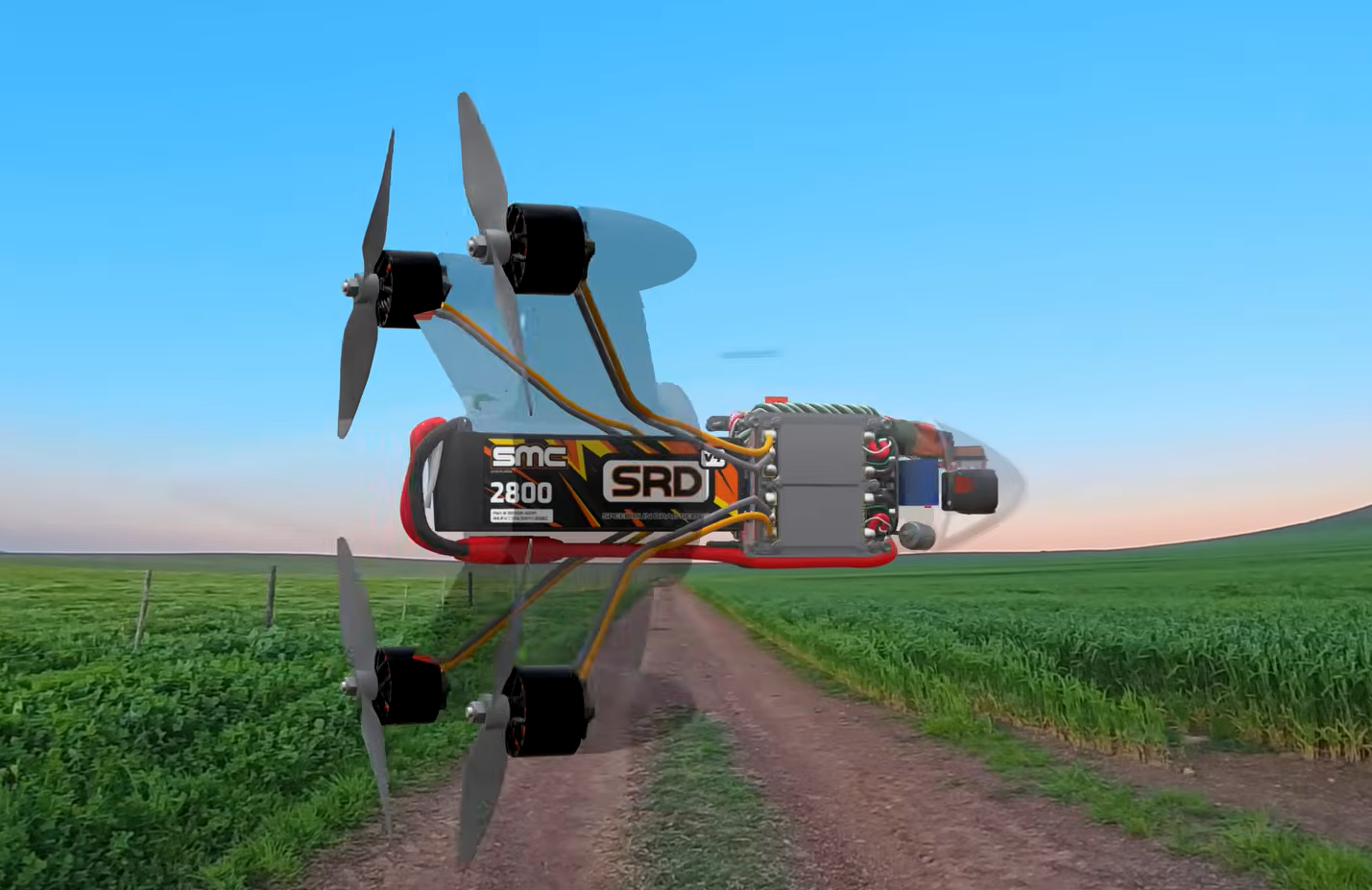
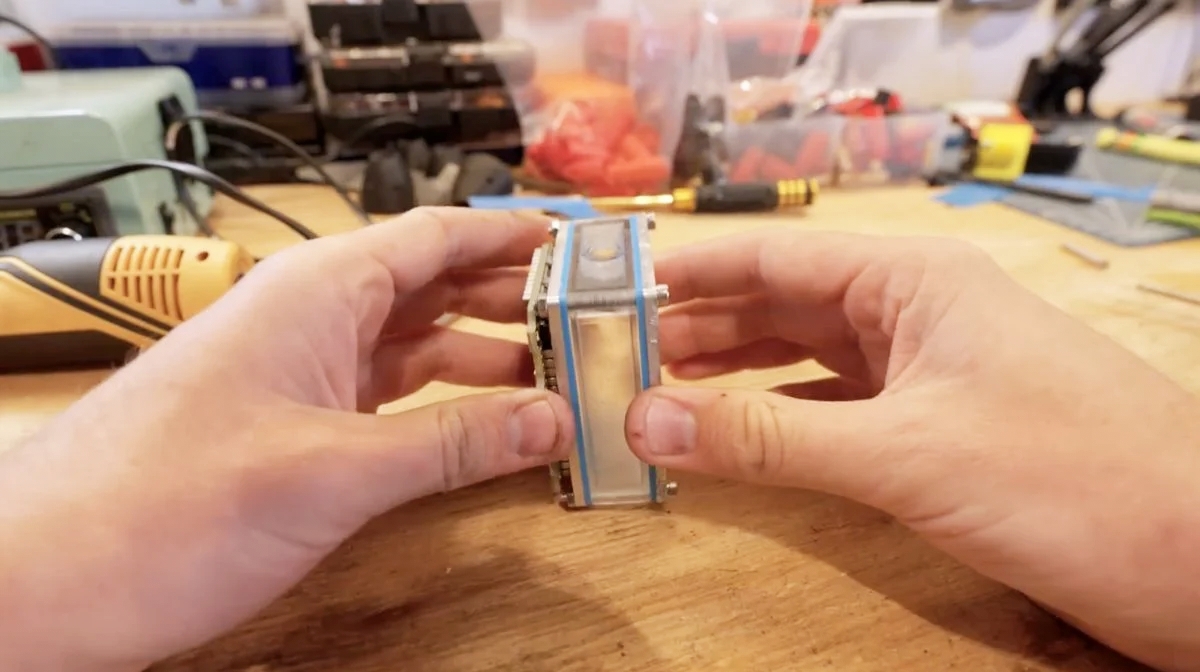
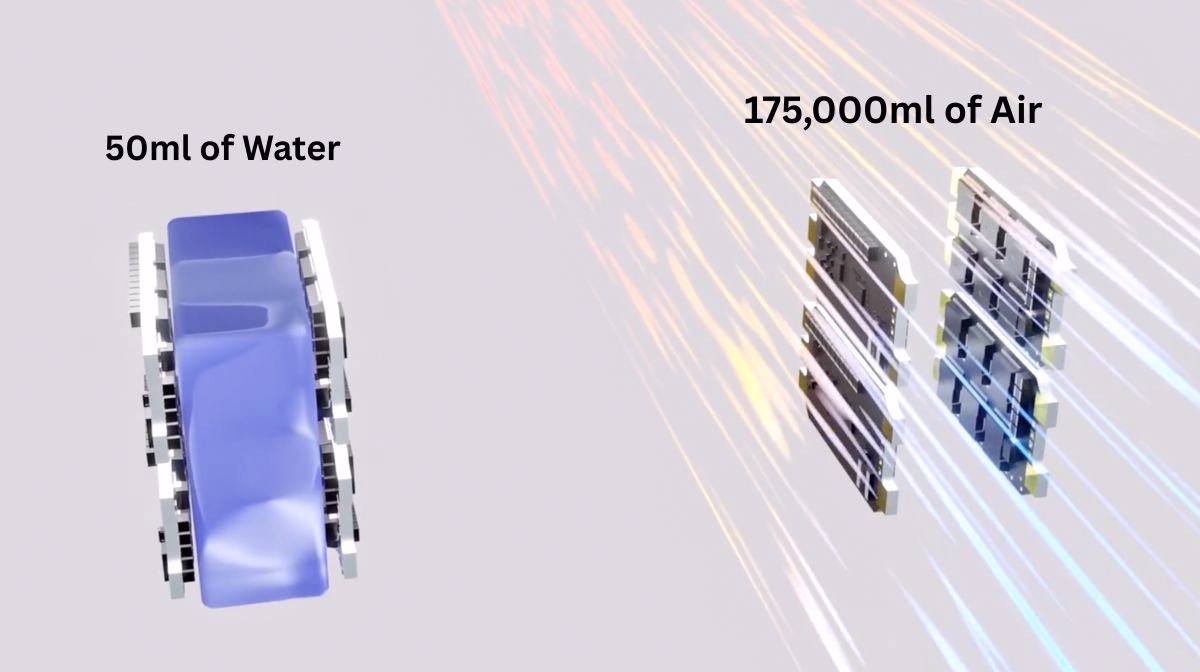
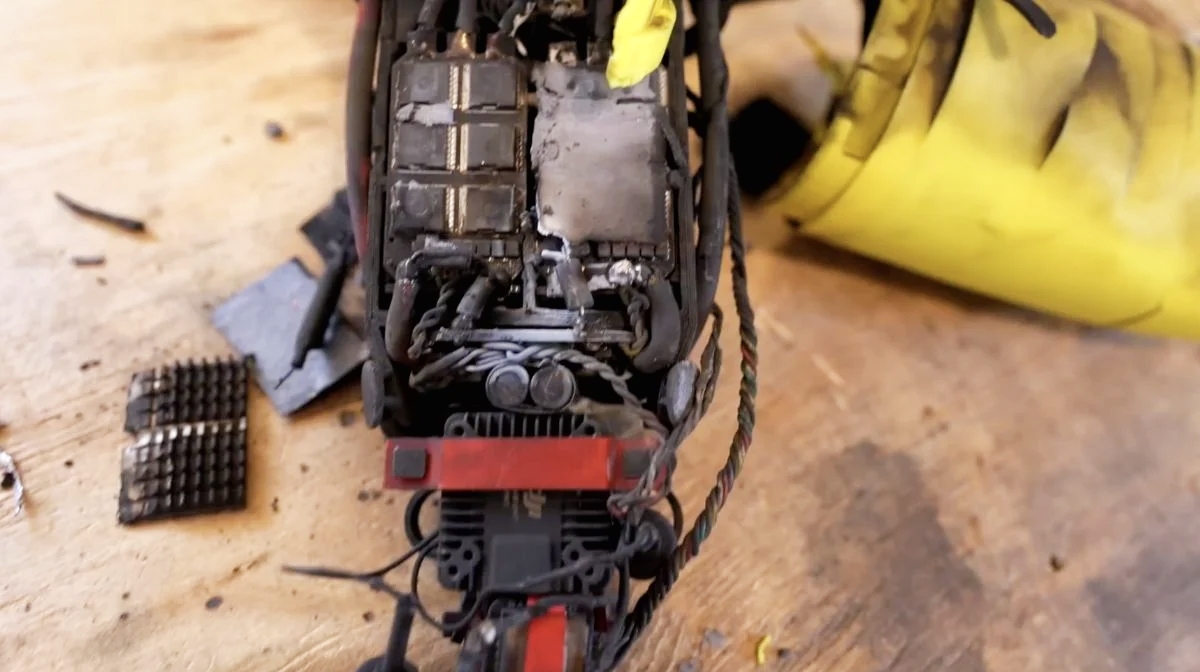
After an early prototype caught fire, the pair introduced a 50 ml water-cooling system to replace air vents and reduce drag. They also reworked the GPS setup, mounting the receiver directly on the camera to eliminate interference. The result: a more aerodynamic, cooler, and faster craft.
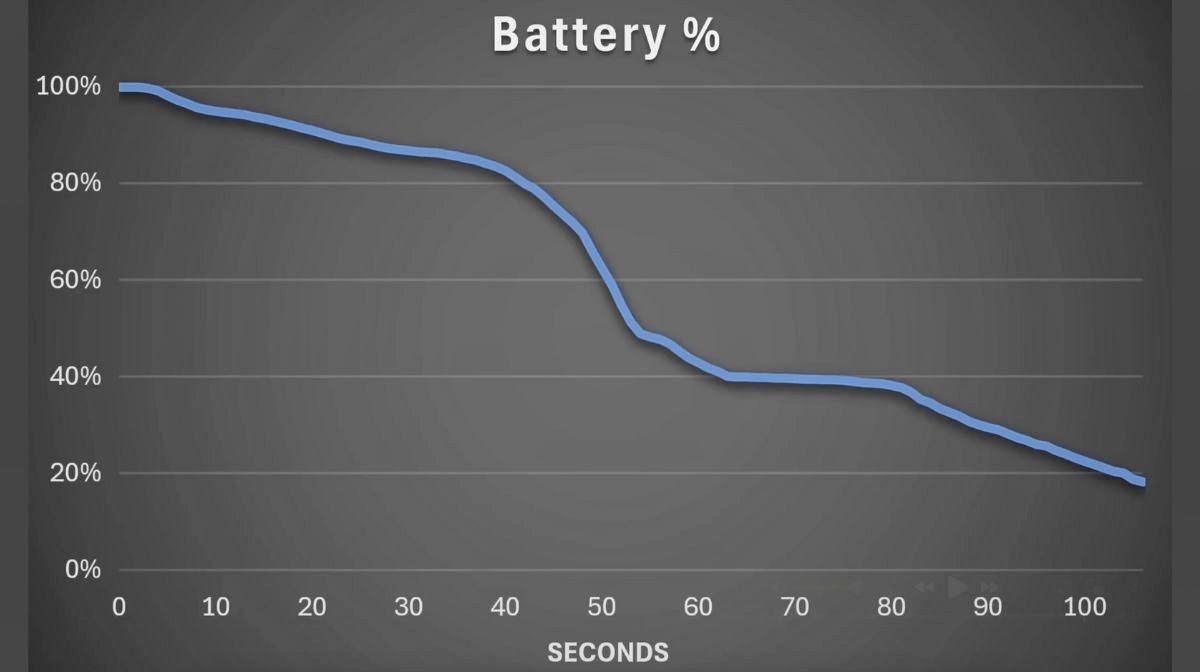
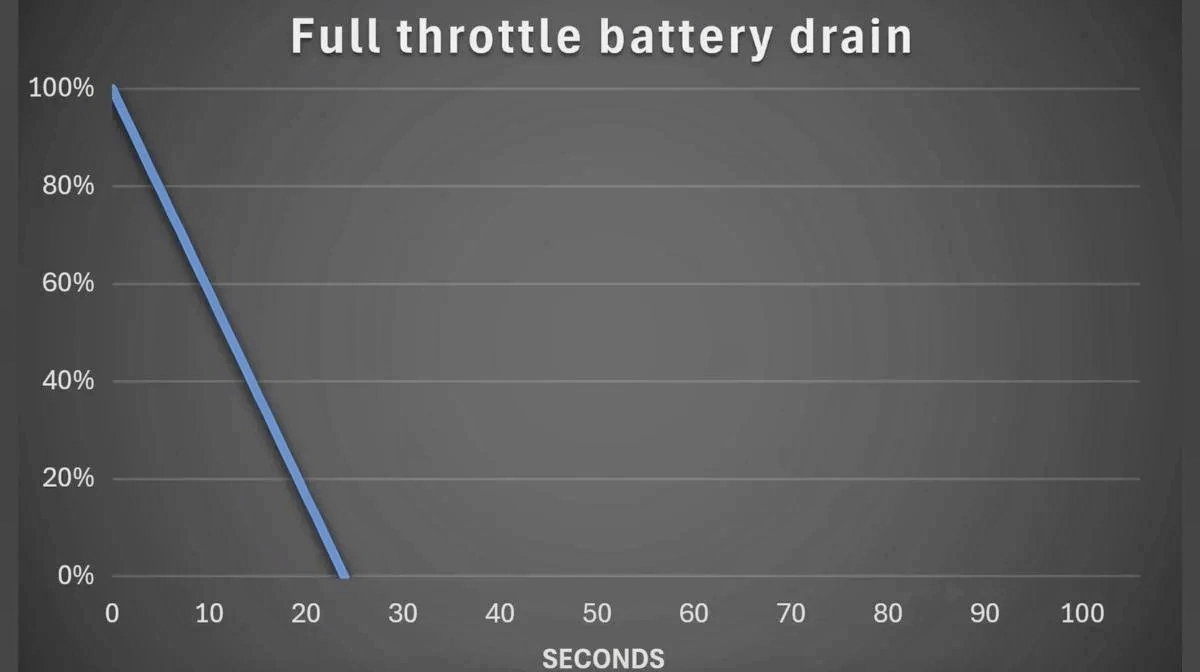
Each flight lasts just under two minutes — full-throttle runs are capped at about 23 seconds to prevent total battery drain. But that’s long enough to prove their point: DIY engineering can still move at blistering speed.
With a few printers, CAD tools, and a lot of persistence, two builders managed to outrun billion-dollar research teams — and they’re already planning the next iteration.
Evolved design
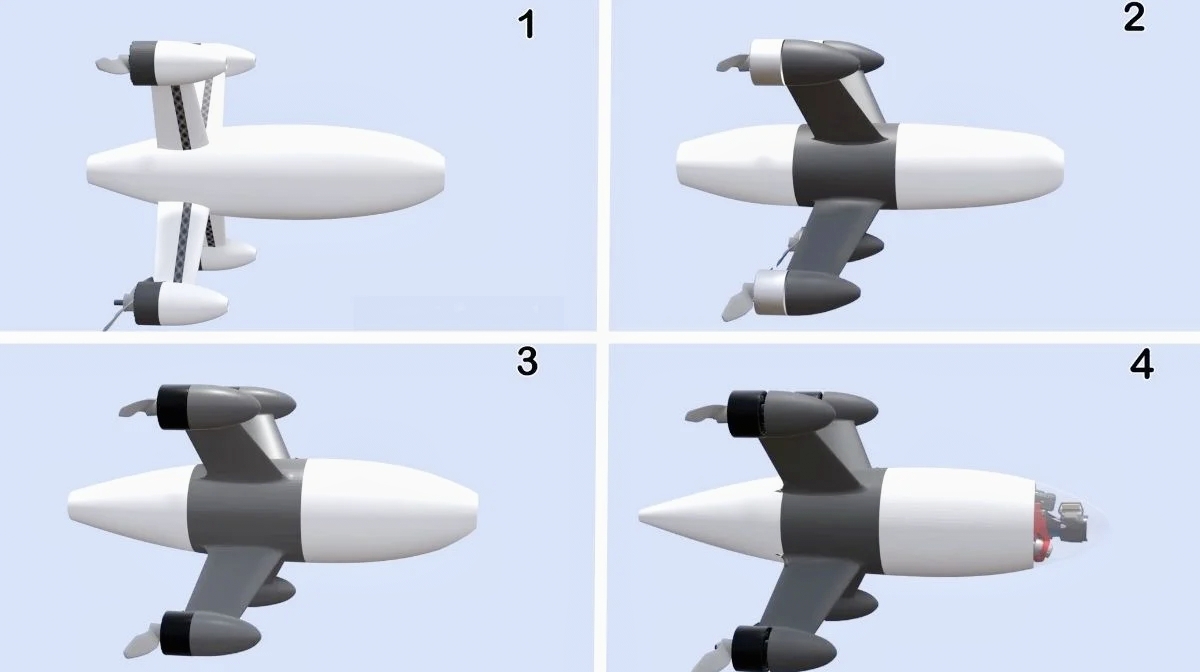
He explained that the drone’s design evolved over four redesigns, beginning with early tests using a carbon fibre frame similar to that of Peregreen 2.
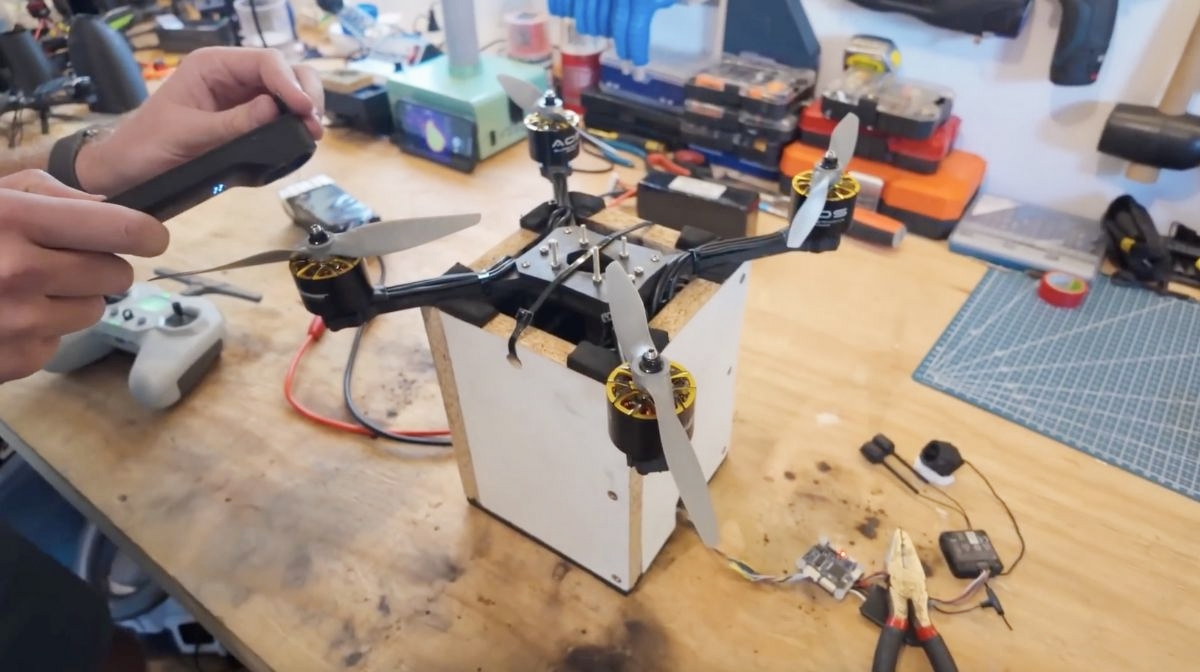
Peregreen 3 design, testing, and performance charts

Please sign in
Login and share