









Tech Series #10: "Under-Display Camera: Tech, pros & cons, and how it works"

Hey iQOO Fam,
In this series, we're diving into another fascinating mobile innovation — Under-Display Camera Technology-Display Camera Technology. Let's explore how it works, the real pros and cons for users, and what's coming next in smartphone photography.
What is an Under-Display Camera?
An under-display camera (UDC) is a selfie camera built beneath the phone's display — meaning the lens sits below the screen and remains invisible during regular use. This tech creates an uninterrupted, notch-free viewing experience, letting you enjoy true full-screen designs.
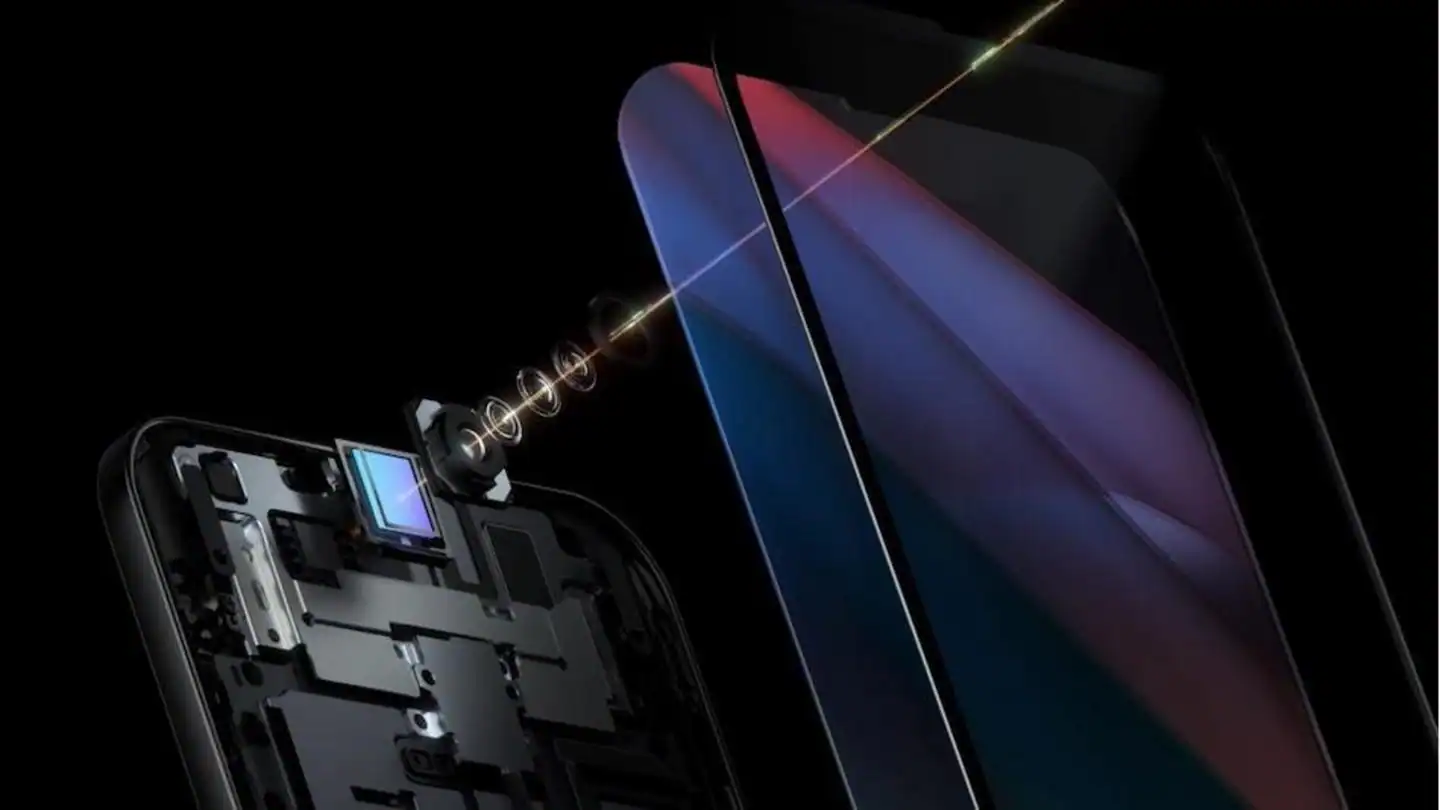
Modern implementations achieve approximately 400 pixels per inch (PPI) in the camera region, matching the rest of the display to minimize visibility.
The technology relies on transparent OLED display panels with specialized pixel arrangements. These displays use transparent substrates and cathodes that allow light transmission. Advanced implementations incorporate seven layers over the camera sensor, including baseboard glass, transparent matrix, specialized OLED, transparent cathode, packing glass, polarizer, and cover glass.
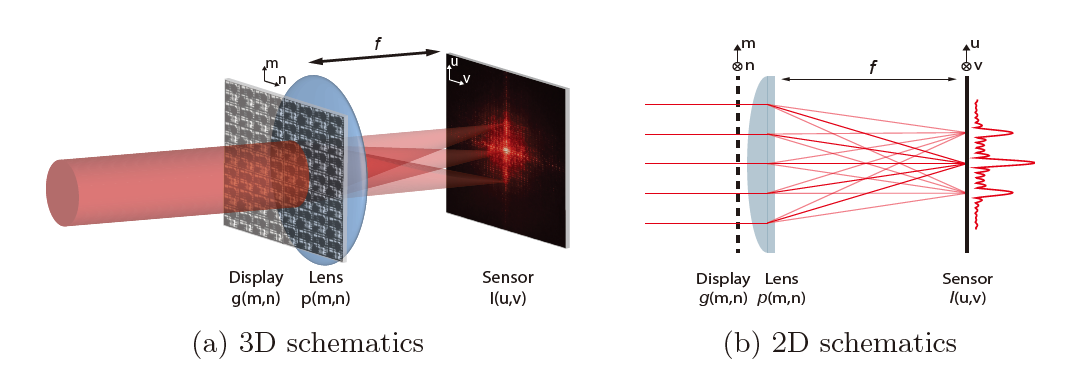
The pixel layout design is critical—manufacturers employ either random tiling patterns rather than periodic arrangements to reduce diffraction artifacts, or optimized opening shapes at individual display pixels to improve light capture. Samsung's approach uses reduced pixel density combined with multi-drive circuit boards that increase efficiency by up to 50%
How Does Under-Display Camera Work?
- The phone uses a specially engineered transparent section within the OLED screen to cover the camera lens.
- When you activate the selfie camera, the screen pixels atop the lens either dim or turn off, letting light reach the camera to take photos.
- Advanced AI algorithms and image processing work to reduce blurring and distortion caused by the display material.
- Recent UDCs use multi-layer transparent screens and high-res sensors to compensate for loss of clarity.
Pros of Under-Display Camera
- Full-Screen Experience: No notches, punch-holes, or pop-up mechanisms. Pure immersive display.
- Next-Level Design: Sleeker aesthetics and futuristic looks.
- Durability: No moving parts (unlike pop-up cams), so fewer mechanical failures.
- Privacy: Hidden cameras are less of a distraction and can help reduce accidental lens smudging.
Cons of Under-Display Camera
- Photo Quality: Image clarity and colors may not match regular front cameras due to light passing through the display layer.
- Cost: UDC modules and transparent screens add to device price.
- Software Tuning: Best results rely on heavy post-processing, which sometimes means unnatural effects.
- Limited Models: Still mostly found in premium and concept phones.
Latest Advancements & What's Next
- AI-powered multi-frame capturing improves photo clarity despite screen interference.
- Expect future models to use finer pixel grids and improved screen transparency for truer image capture.
- Possible expansion to tablets and laptops for video conferencing without obtrusive camera holes.
Conclusion
Under-display cameras are rapidly progressing — promising a future of truly immersive screens and new form factors. While the tech is still evolving to match traditional selfie cams in quality, the innovation brings exciting possibilities for design and user experience.
(Source:Tech articles,Socail media and Google)
Signing off,
Balaji Murapaka
iQOO Ranger_South Zone
Please sign in
Login and share