



























The Hills Are Alive: Inside Kongthong, India's "Whistling Village" 🎶

Imagine a village where people have tunes instead of names. Welcome to the Whistling Village.
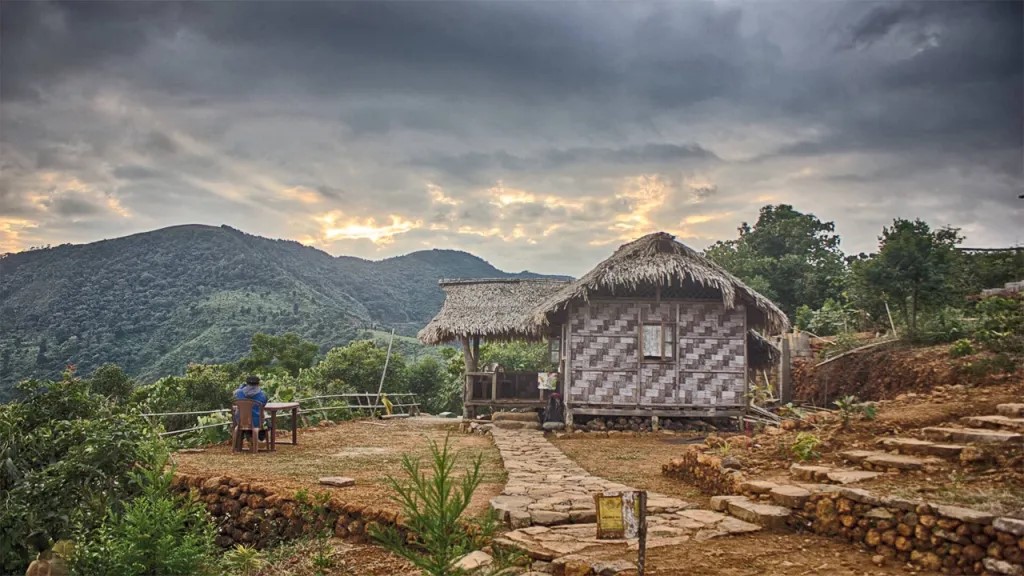
In a world dominated by digital noise and formal titles, there is a tiny hamlet tucked away in the misty ridges of Meghalaya, India, where identity is a melody. This is Kongthong, and here, a mother doesn't shout a name to call her child home for dinner—she sings a song.
📍 Where on Earth?
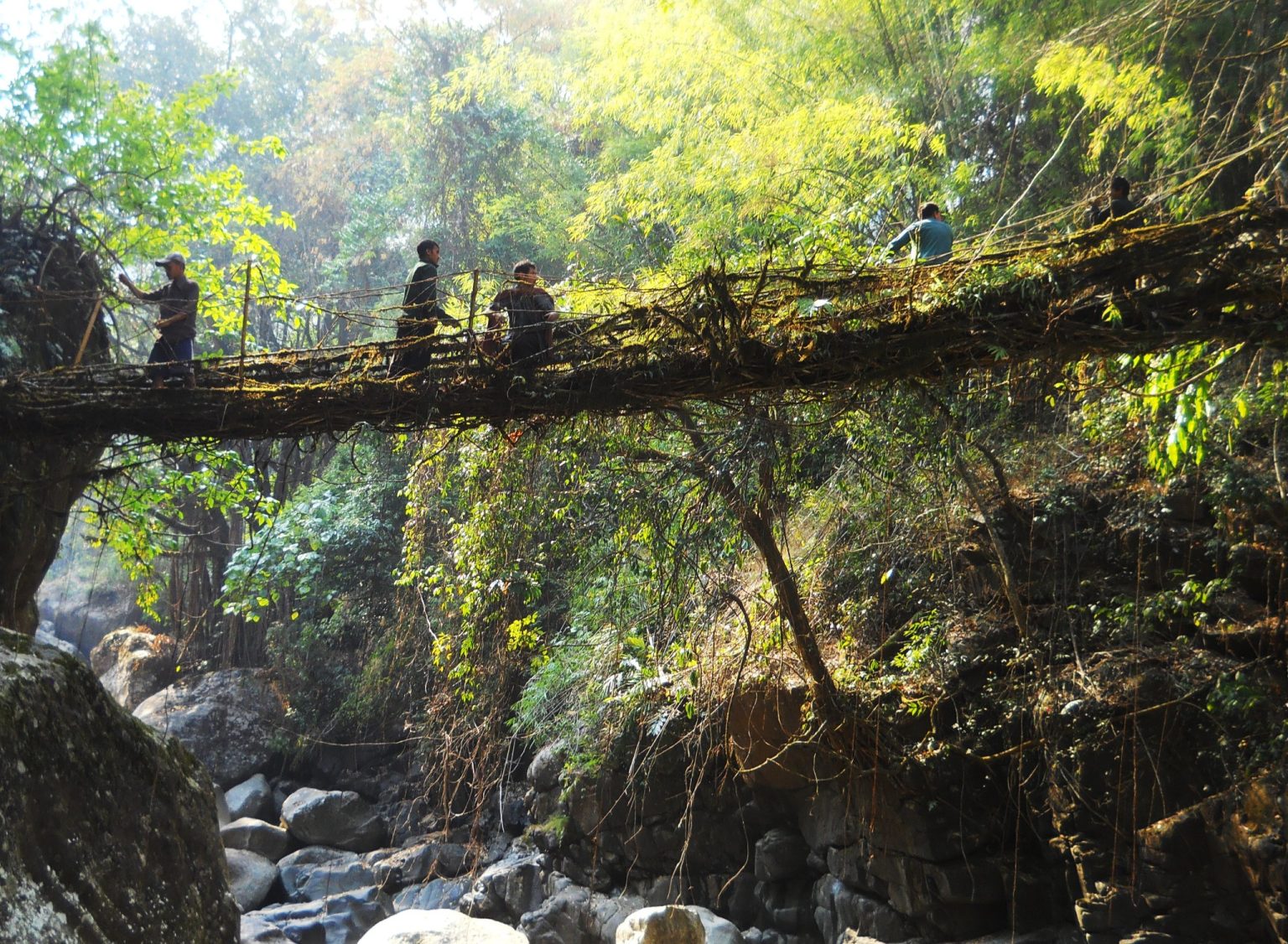
Located about 60km from Shillong in the East Khasi Hills, Kongthong sits in a region often called the "Scotland of the East." The journey there is a visual feast of waterfalls, living root bridges, and clouds that literally walk into your car.
But the real magic begins when you step out of the vehicle and listen. You won’t hear people shouting "Arun!" or "Mary!" across the fields. You will hear bird-like calls, whistles, and short melodic bursts echoing off the valley walls.
🎼 The Tradition: Jingrwai Iawbei
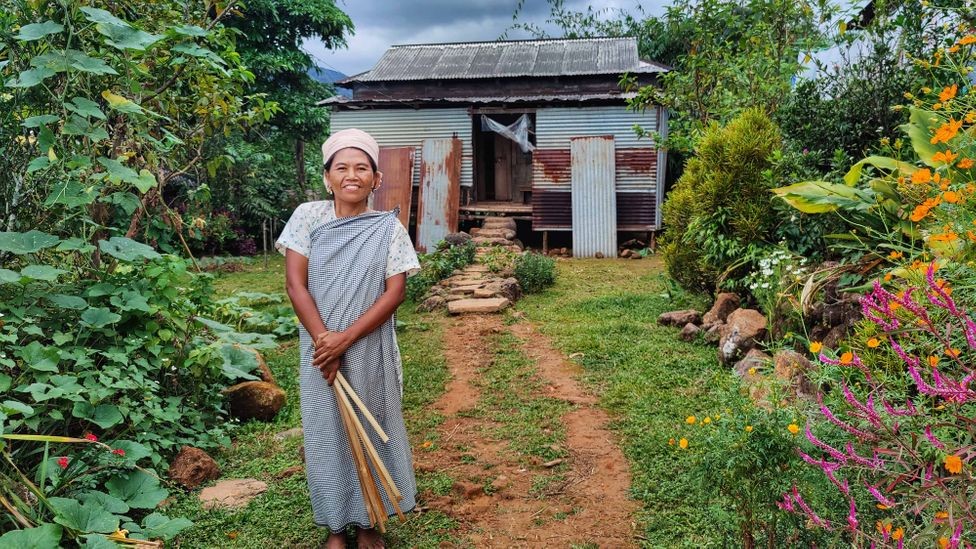
This unique cultural practice is known as Jingrwai Iawbei (loosely translating to "Song of the Clan’s First Woman").
Here is how it works:
• Composition: When a child is born, the mother composes a specific tune.
• The Meaning: This tune becomes the child's "musical name." It is distinct to them and stays with them for life.
• Two Versions: Everyone actually has two versions of their tune: a short version (used like a nickname at home) and a long version (used to call out over long distances in the forest).
Note: Residents do have "regular" names for official government documents, school registers, and Aadhaar cards. But among friends and family? It’s all music.
🧠 Why Whistle? The Logic Behind the Lyric
While it sounds like a fairy tale, this tradition was born out of necessity.
Kongthong is located in deep valleys and dense forests. The human voice shouting a spoken name often gets lost in the wind or absorbed by the trees. However, a high-pitched whistle travels further and cuts through the sound of rushing rivers and rustling leaves.
It acts as nature's walkie-talkie. Farmers can locate each other across different ridges simply by whistling their partner's unique tune.
❤️ A Love Language
Beyond utility, Jingrwai Iawbei is a profound expression of maternal love. The tune is a lullaby, a signal of safety, and a marker of belonging. When a villager dies, the tune dies with them—it is never repeated or assigned to another person, making every melody a limited edition of a human soul.
🎒 The Traveler's Experience
If you visit Kongthong today:
1 Respect the Silence: It is a peaceful place. Listen more than you speak.
2 Interact: The locals are incredibly warm. If you ask politely, they might demonstrate their tunes for you.
3 Stay: There are eco-huts available for tourists who want to wake up to the symphony of the village.
💭 The Takeaway
Kongthong reminds us that human connection doesn't always need words. In this corner of the world, if you want to say "I love you" or "Come home," you don't say it—you sing it.
Have you ever visited a place where music is part of the daily language? Let me know in the comments! 👇
I hope you guys like this thread 🥰
follow for more amazing threads!!
Thank you❤️!!
Your Qool quester 🤩
Please sign in
Login and share