
























Multiple discovery hypothesis: 5 inventions created by more than one scientist

Science has gifted the world with multiple inventions. However, there was rarely only one person working on an idea. Some of the most notable inventions can be credited to multiple scientists who came up with the idea at almost the same time.
What is the multiple discovery hypothesis?
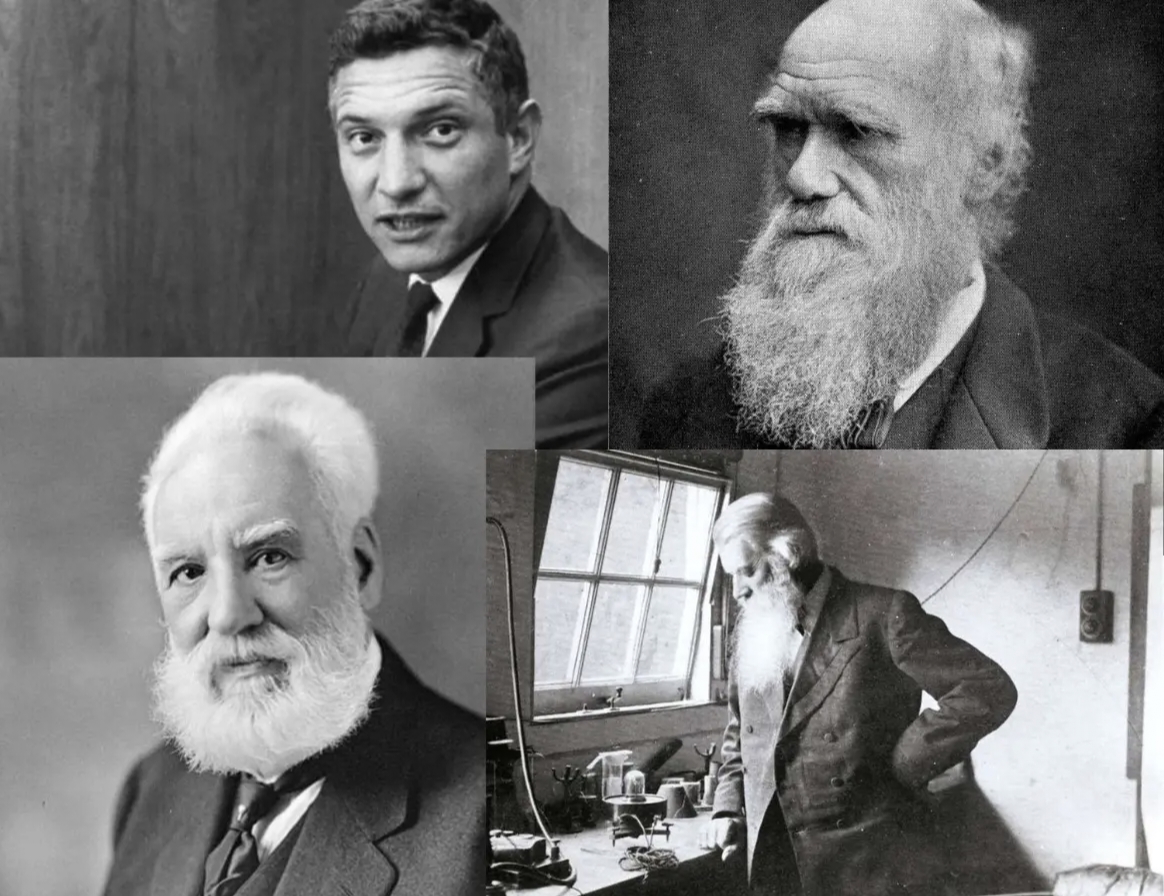
Inventions and discoveries have made the modern world what it is. Some great minds have been credited with developing things that have revolutionised our society and made things simpler. Some inventions weren't created by just one person, but multiple scientists working on them independently at the same time. Multiple discovery is the hypothesis that most scientific breakthroughs are made more or less independently and simultaneously by multiple researchers. In one case, two scientists reached the patent office on the exact same day. Here are some such instances.
Telephone
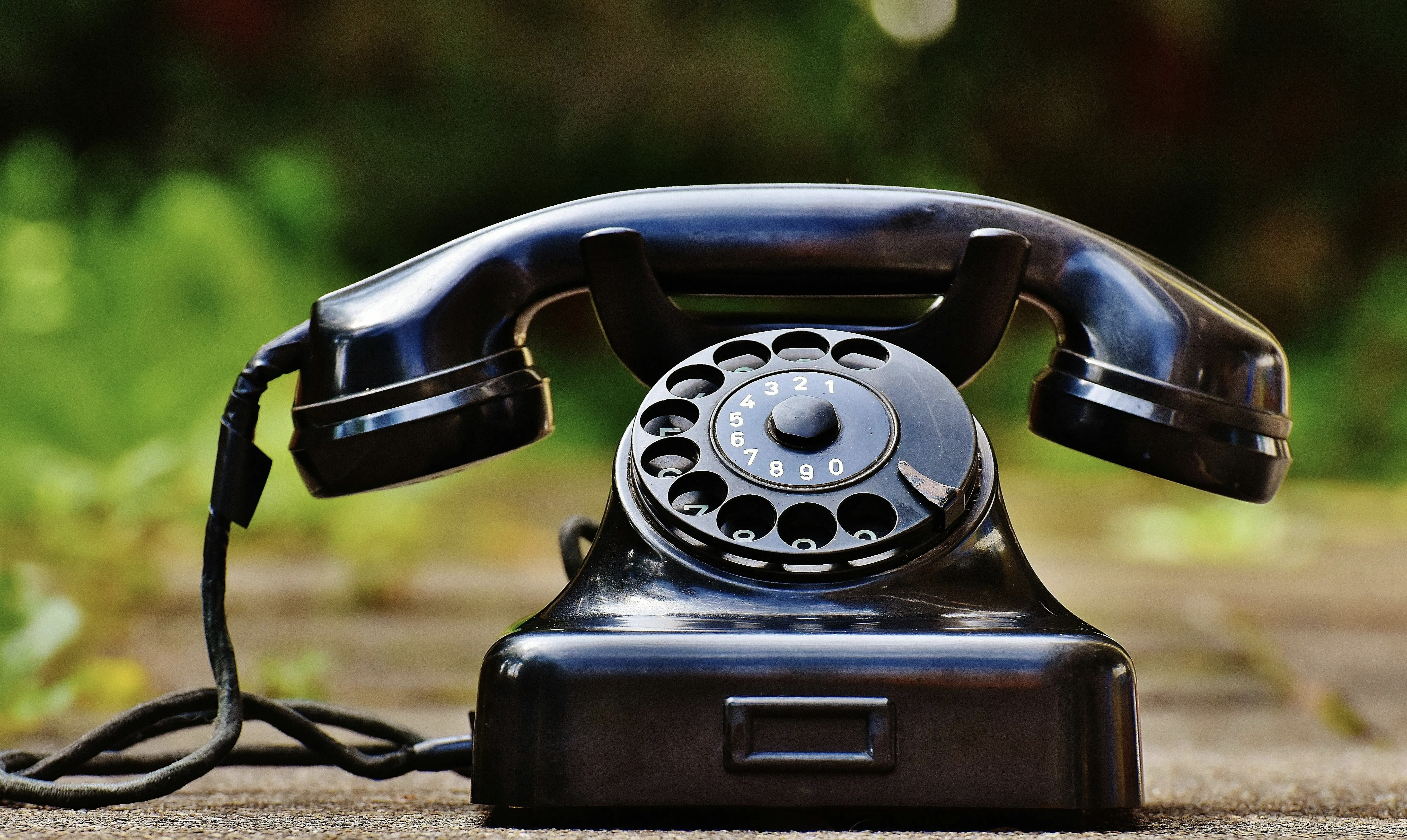
The telephone, which cut short distance and made communication easier and instant, was not the brainchild of only Alexander Graham Bell. There was another scientist who worked on it. Elisha Grey is also credited with having the same idea. Both of them rushed to the patent office on the same day in 1876. However, Bell beat him to it, and the Scottish-Canadian inventor came to be known as the inventor of the telephone.
Incandescent lightbulb
Thomas Alva Edison is credited to creating a more practical and longer-lasting bulb. But there were others who were working on the same idea at the time, which led to a legal tussle as well. Sir Joseph Wilson Swan FRS was an English physicist who received a patent in the UK in 1878 and demonstrated a working lamp in February 1879. He had been working on it since 1850 and tried to make light more economical. By 1860, he had developed a lightbulb with carbonised paper filaments instead of platinum ones. Meanwhile, Edison patented his system a year later in 1880.
Integrated circuit
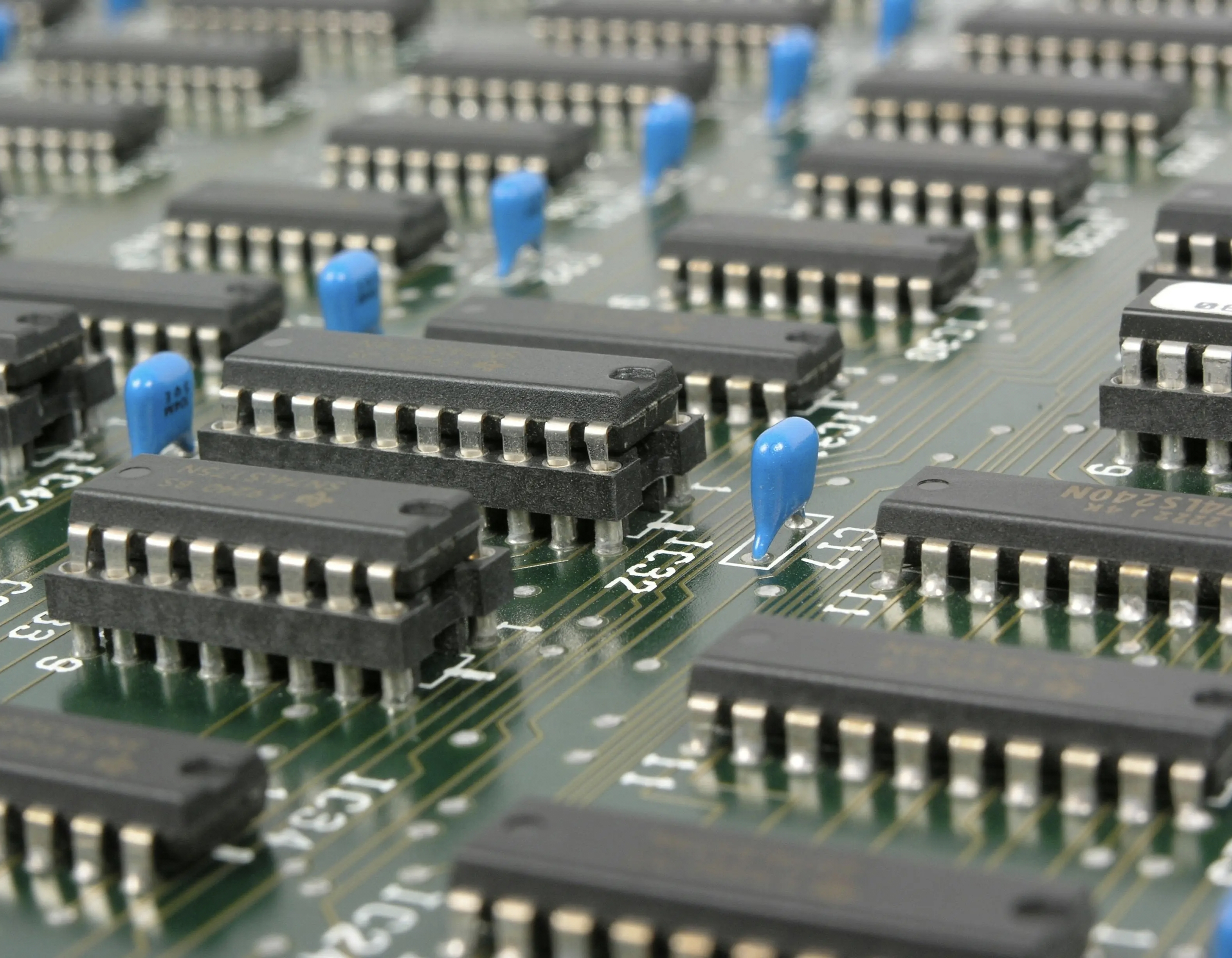
Two scientists independently invented the integrated circuit (IC), also known as a microchip. Jack Kilby, an American electrical engineer, worked on the problem in circuit design that was commonly called the "tyranny of numbers". He filed the US Patent 3,138,743 for "Miniaturized Electronic Circuits", the first integrated circuit, on February 6, 1959. Meanwhile, Robert Noyce, an American physicist, is also credited with independently creating the first monolithic integrated circuit or microchip made with silicon a few months later.
Theory of Evolution
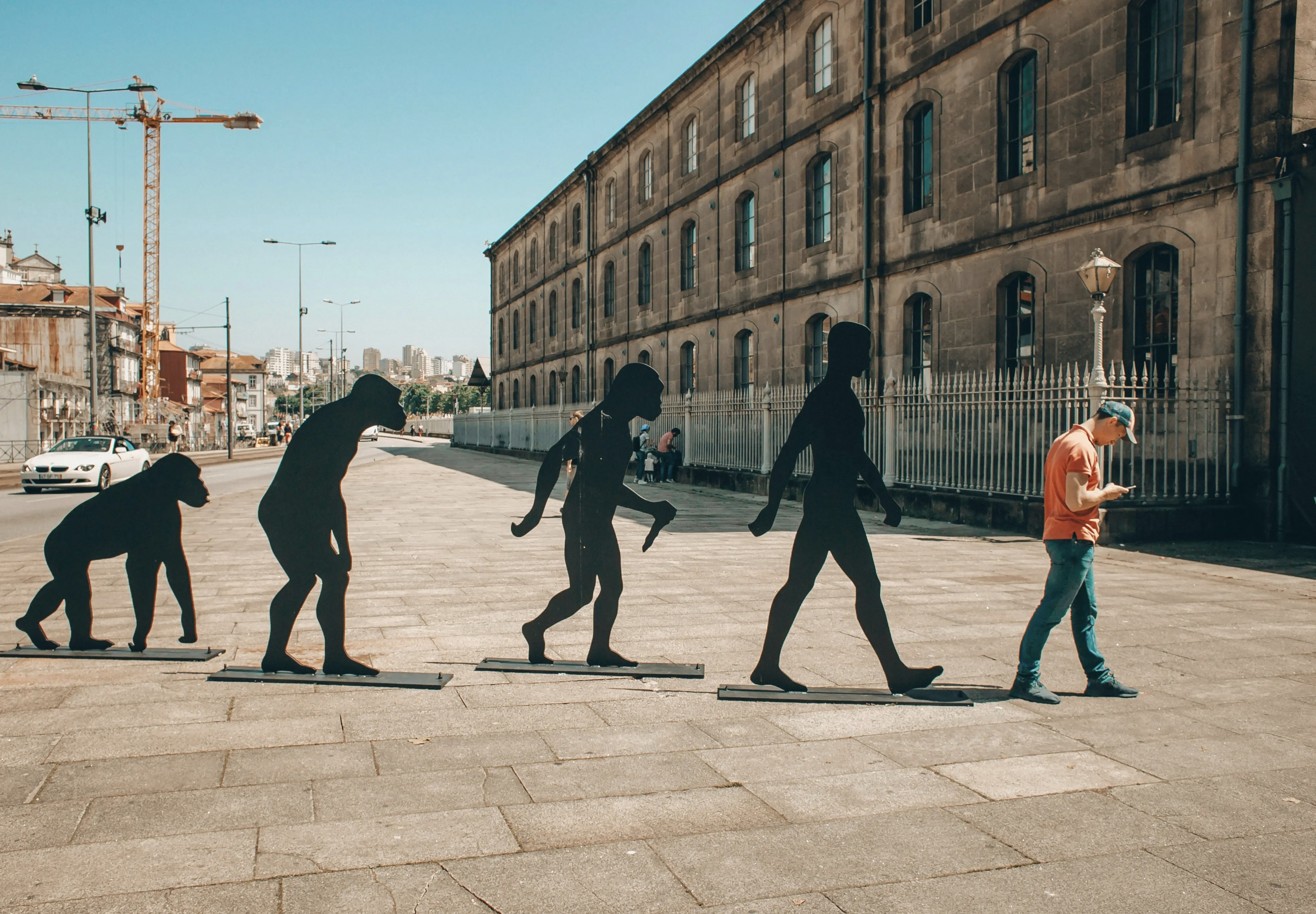
Charles Darwin is not the only one who proposed evolution. Alfred Russel Wallace also independently stated that evolution occurs through natural selection. Wallace worked on the theory of natural selection when he was on an expedition in the Malay Archipelago. He then sent his paper to Darwin. This led the latter to finally publish his own work. Wallace and Charles Darwin jointly presented their findings to the Linnean Society in 1858.
Please like and follow

Please sign in
Login and share