


























Metroid Prime 4 is the 3D Zelda throwback you've been craving

Samus Aran's latest adventure is a return to a pre-Breath of the Wild world
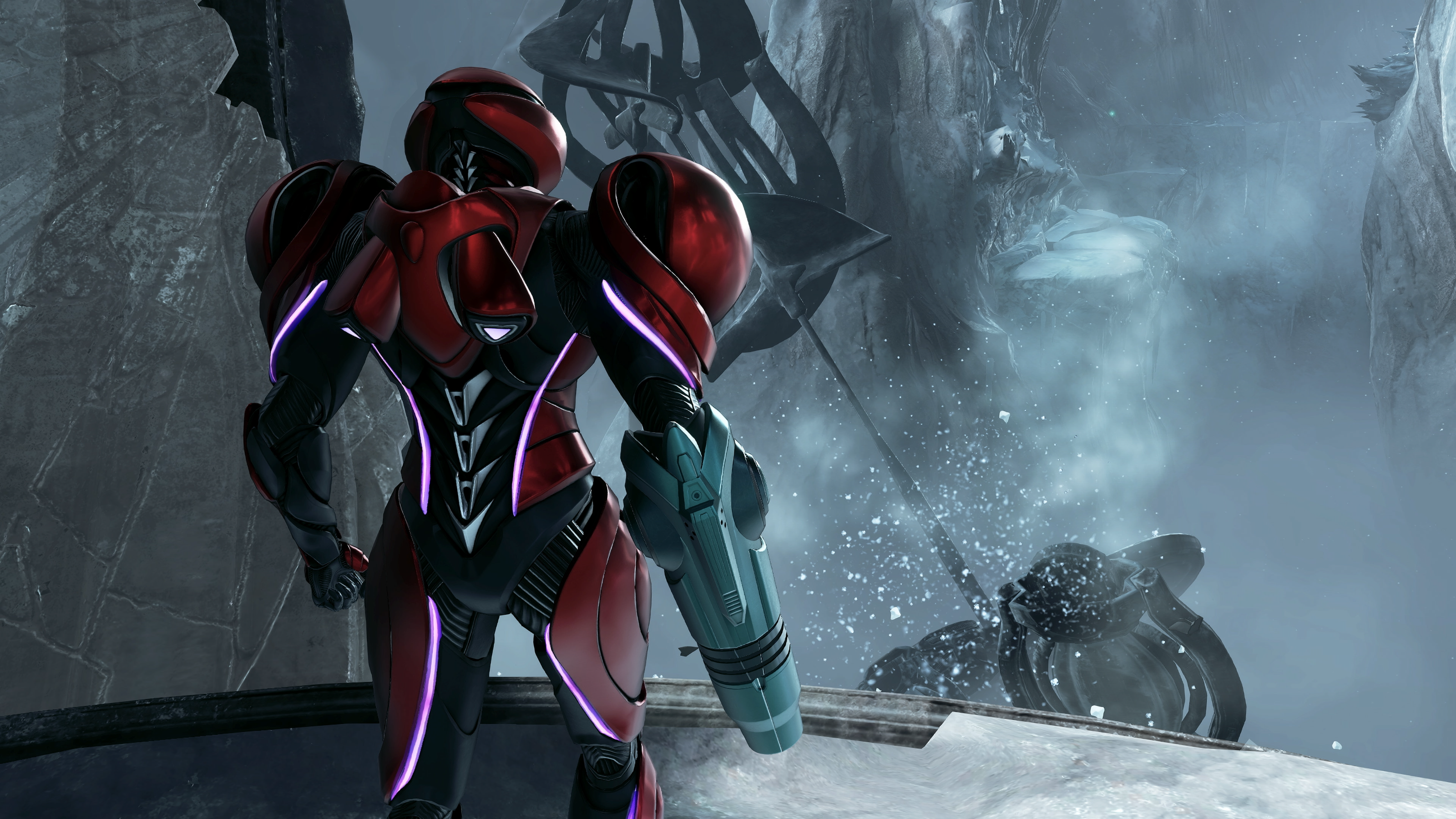
Perhaps my worst trait is that I’m a Metroidvania purist. It’s annoying, I know, but I’ve always been fascinated with the awkwardly-named subgenre’s little rules and structures. When I play something but Hollow Knight: Silksong, I can’t help but have some loud opinions on how well it adheres to the genre’s conventions or subverts them. So you probably won’t be surprised to hear that I had a lot to say about Metroid Prime 4: Beyond once I was a few hours deep.
Unlike 2D Metroid games, the 3D Prime series has always been a bit more directed when it comes to exploration. Metroid Prime 4 takes that to the next level though, by sending players through very linear biomes that don’t leave much — if any — room to wander off the beaten path and discover hidden secrets. I was deeply disappointed as I was guided through areas like Fury Green in a straight line.
The purist in me was ready to write Samus’ adventure off entirely until something clicked: Metroid Prime 4 isn't really a Metroidvania at all. It’s a 3D Zelda game, and a pretty good one at that.
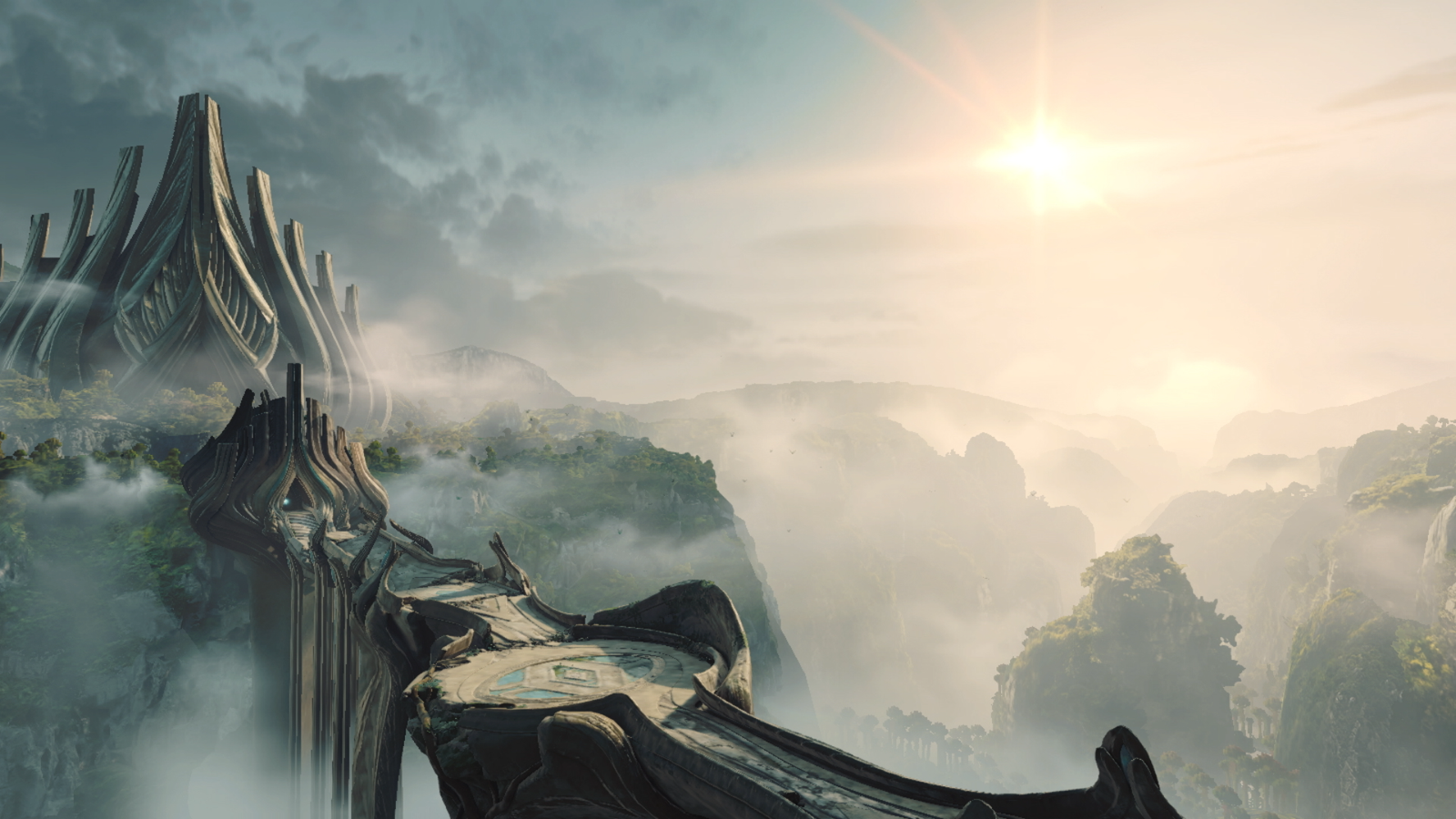
The revelation came to me in Flare Pool, the second-to-last biome that Samus explores during her travels through Viewros. The fire region is one of Metroid Prime 4’s most straightforward areas. There, Samus links up with two Galactic Federation troopers who walk her through a straight-up action movie setpiece that’s tightly directed. The sequence culminates in a fight between Samus and a giant fire dragon that’s swimming around a lava-filled arena. It’s a boss design that’s pulled right from the Zelda playbook, bearing a striking resemblance to Ocarina of Time’s Volvagia.
Everything snapped into place with that image. I had been thinking of Flare Pool as a traditional Metroidvania biome, one built around snaking paths that I could get lost on. In reality, Flare Pool is built exactly like a traditional 3D Zelda dungeon. It’s a large-scale puzzle box that’s solved as you find Samus’ upgrades hidden in the area. Upgrades function more like key items, with the level design consistently tutorializing how to use them with immediate puzzles, boss fights, and challenges built around your latest tool.
That probably doesn’t sound different from how every other Metroid game works, but the difference is in how much of the world these new tools allow you to access. In traditional 3D Zelda games, you don’t acquire a hookshot and suddenly unlock dozens of new paths to explore. You’re mostly going to use it in a contained dungeon built around that tool, and it’ll be naturally useful from then on out. Its primary purpose is as a puzzle tool, rather than an exploration aid.
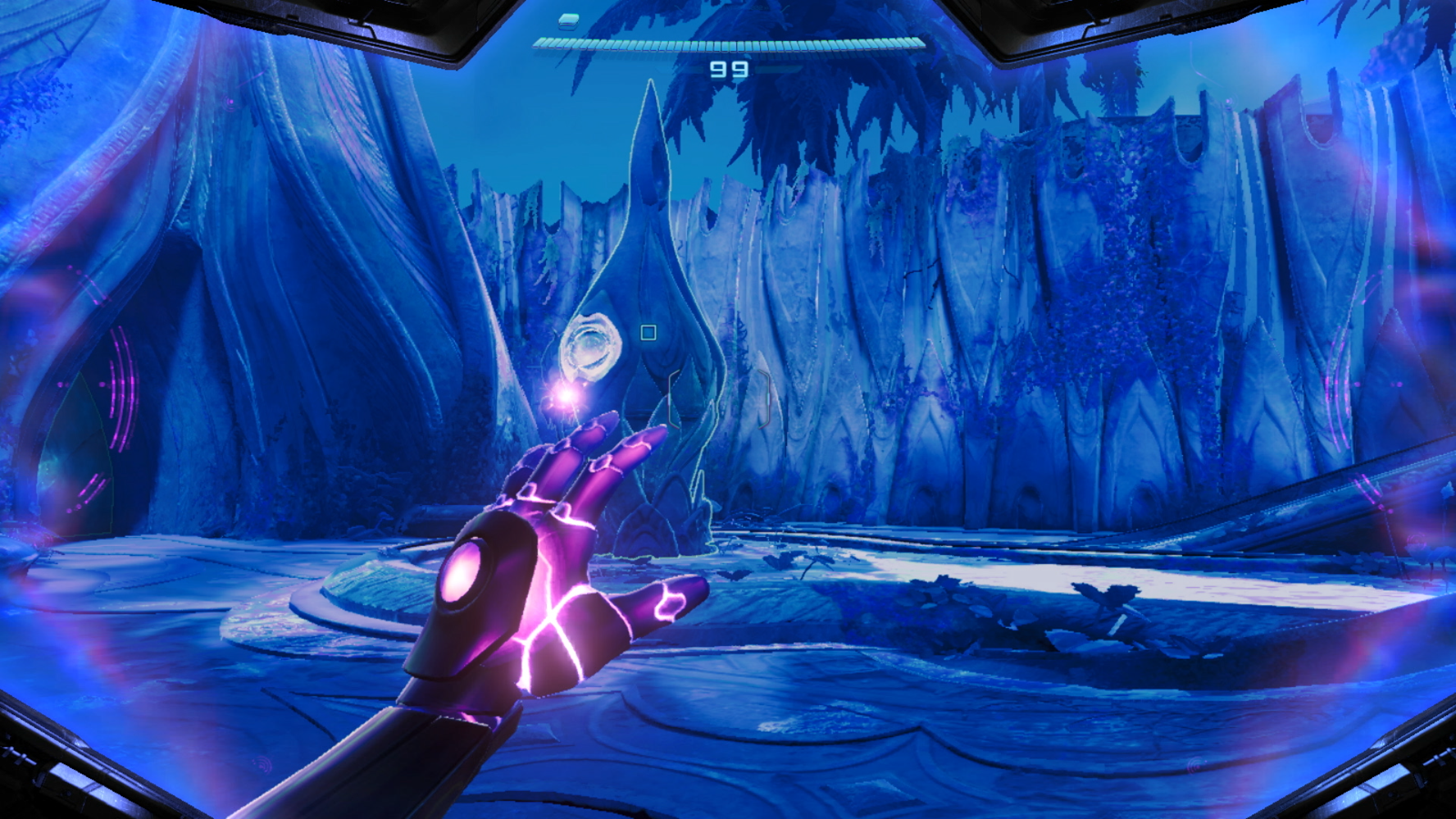
The opposite tends to be the case in a proper Metroidvania. With each new item Samus gains in, say, Super Metroid, the entire world gets a bit larger. A missile upgrade opens several possible paths, and players have some choice as to where they can go next. It’s a smart way of making a big, open-ended world feel manageable by unlocking bits of it a little at a time. That usually means that players are in for a lot of backtracking, as they have to return to previously explored areas several times to see everything.
In Zelda fashion, Metroid Prime 4 cuts that all-important loop out, which significantly changes the pace and structure. This time around, you’re more focused on solving a biome the first time you go through it. Volt Forge, for instance, takes Samus through three factory towers that open up in sequence as she finds new items within that section of the game. If she returns to it later, she’ll find a smattering of collectibles hidden in rooms that she’s already been through once before, but she won’t see a whole different piece of the biome. That’s a departure from something like Metroid Prime, where Samus constantly returns to Chozo Ruins throughout the adventure and gradually reveals the full scope of the space over time.
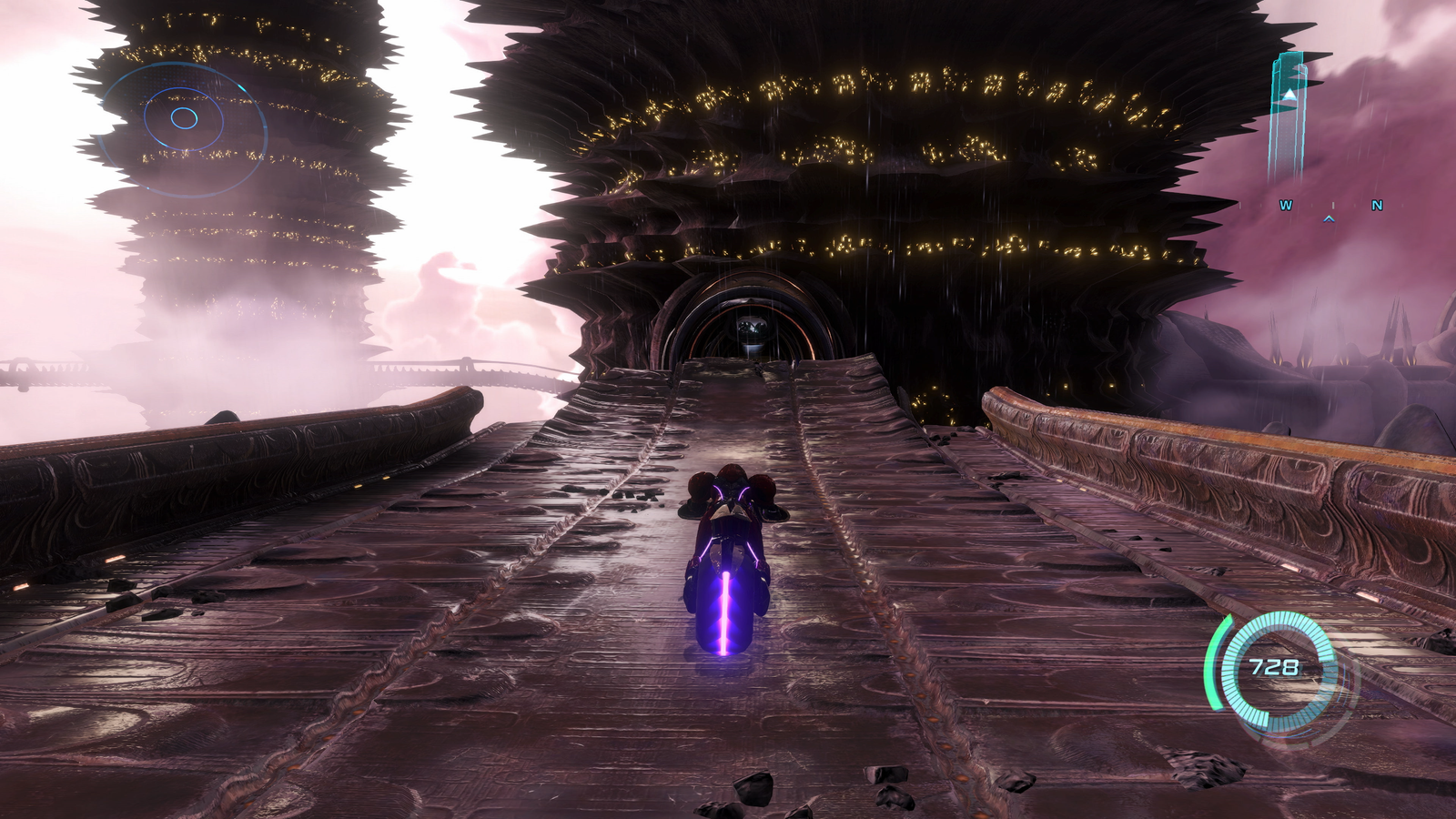
With that subtle change, Metroid Prime 4 feels similar to Ocarina of Time in several ways. In that game, players are dropped into Hyrule Field, which acts as a hub world that connects villages and dungeons. Despite the fact that it implies some level of open-ended design, there’s still a set order of operations to Link’s adventure. Metroid Prime 4 works exactly the same way, trading in Hyrule Field for a traversable desert and replacing Link’s horse with a motorcycle. From there, Samus bounces between new areas in a set order and completes them in a very defined structure that always culminates in her fighting a big boss and collecting a colorful MacGuffin.
Even the way biomes are designed brings me back to something like Twilight Princess. Both games utilize tightly themed dungeons that are built around elements. You’ll see a fire and ice area in both games, for instance. But when you visit Ice Belt in Metroid Prime 4, you aren’t just going to a vague wintery region of Viewros. It’s a narratively motivated area, as Samus explores a Lamorn laboratory that’s been frozen over. There’s a story to that area that’s told as you progress to the boss within the few hours you spend there. Twilight Princess does the same thing with its ice region, Snowpeak Ruins. It’s not just a generic snowy area, but a giant mansion inhabited by Yetis. Those narrative-first environments stand apart from a space like Super Metroid’s Norfair, which is simply an environment you’re meant to soak in and explore over time.
These differences may sound miniscule, but they stack up over time. With freeform exploration taking a backseat to directed dungeons, Metroid Prime 4 plays more like an anthology of action movies. It’s not so much a Metroidvania, but that’s not a knock against it. It’s filling a big gap that the Zelda series left open when Breath of the Wild changed the series’ direction in 2017, and it’s done with Retro Studios’ signature environmental design chops. That’s enough to shut the genre purist in me up for once.
Please sign in
Login and share