




























Nature Photography

That's wonderful! Taking photos of nature is a great way to connect with the environment.
Here is a brief description of Flora and Fauna, the two core subjects you capture in nature photography:
🌿 The Plant Life
Flora refers to all the plant life present in a particular region or geological time period. It encompasses every form of vegetation, from microscopic algae to giant redwood trees.
Key Aspects in Photography:
* Structure and Texture: Flora provides incredible detail, texture, and pattern for close-up shots (macro photography). Think of the delicate veins on a leaf or the rough bark of an old tree.

* Color and Form: Plants are the primary source of vibrant color in nature photography. Flowers, in particular, offer unique forms and hues that change dramatically with the season and the quality of light.
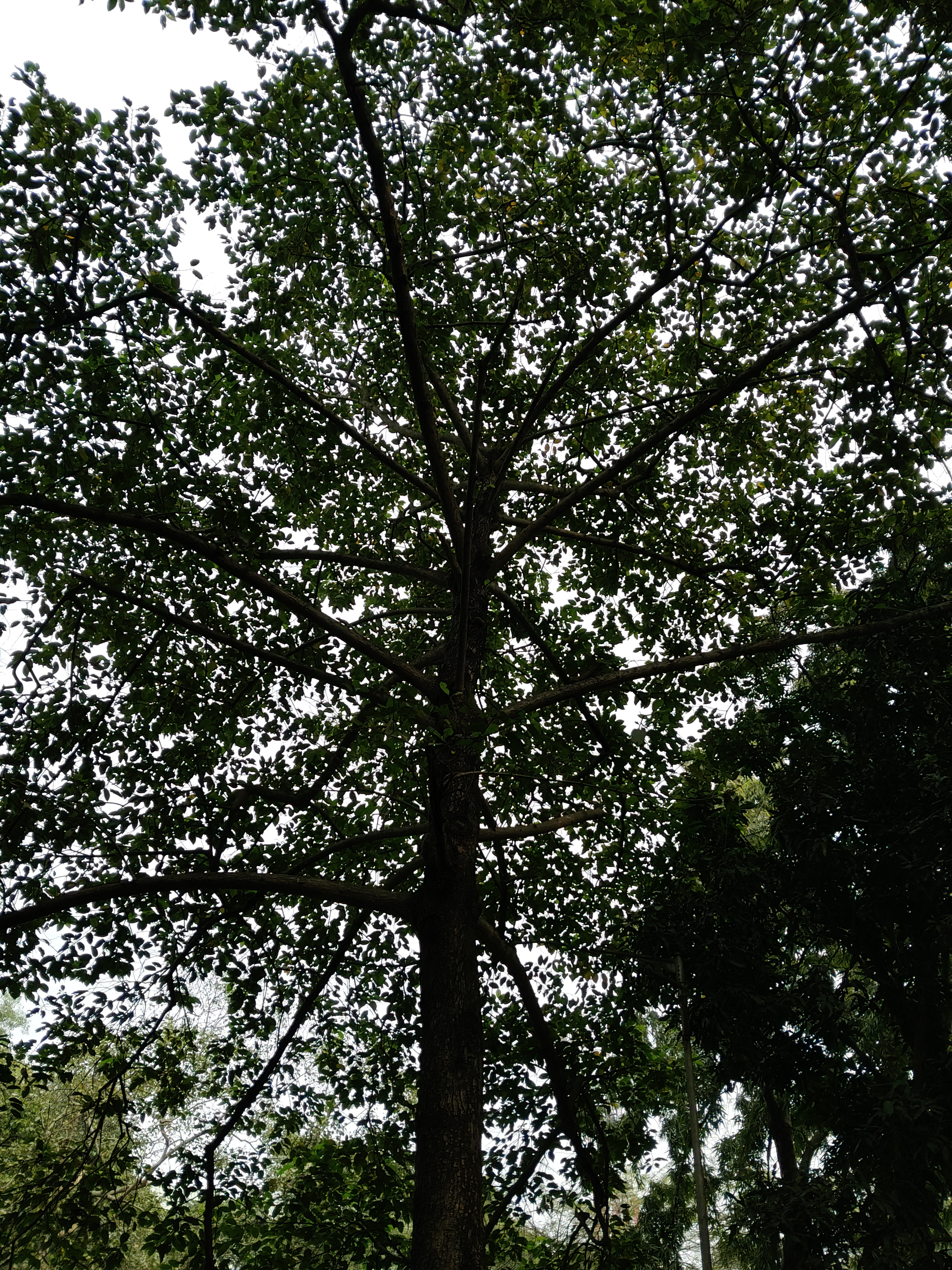
* Ecosystem Foundation: Flora is the foundation of every ecosystem. It provides the food and shelter necessary for all fauna. Capturing a dense forest or a sprawling meadow is capturing the home of the wildlife.
* Light Interaction: Photographers often use plants to play with light, capturing sun rays filtering through a canopy or the soft glow on a flower petal.
The Animal Life
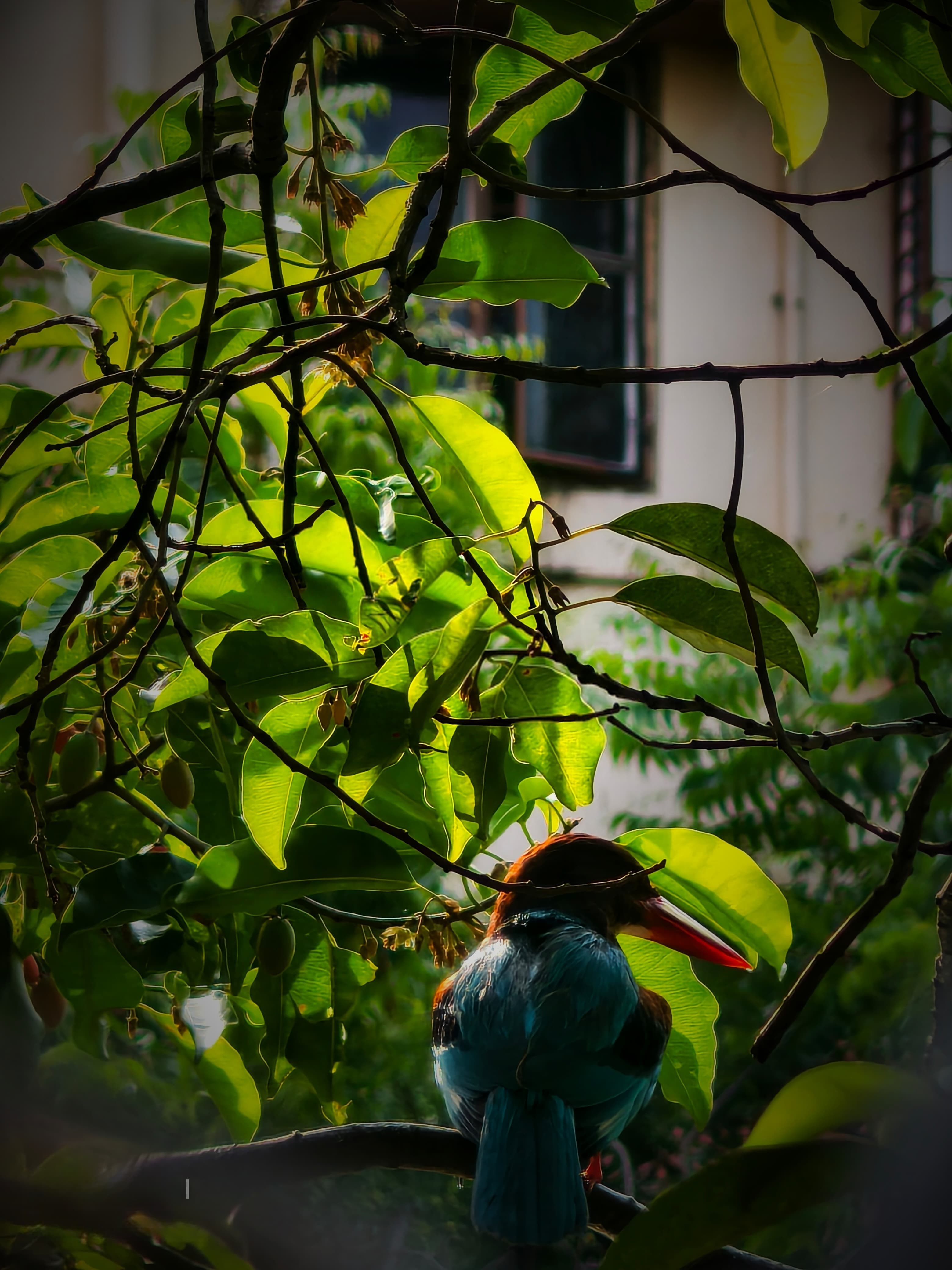
Fauna refers to all the animal life of a particular region or time. This includes mammals, birds, reptiles, amphibians, fish, and insects—all the moving (or previously moving) elements of the natural world.
Key Aspects in Photography:
* Action and Behavior: Unlike flora, fauna offers dynamic subjects. Capturing a swift-flying bird, an animal interaction, or a subtle behavioral cue requires patience, fast shutter speeds, and anticipation.
* Adaptation and Survival: Fauna often showcases incredible adaptations to its environment. A photo of a camouflaged chameleon or a migratory bird captures a story of survival and evolution.
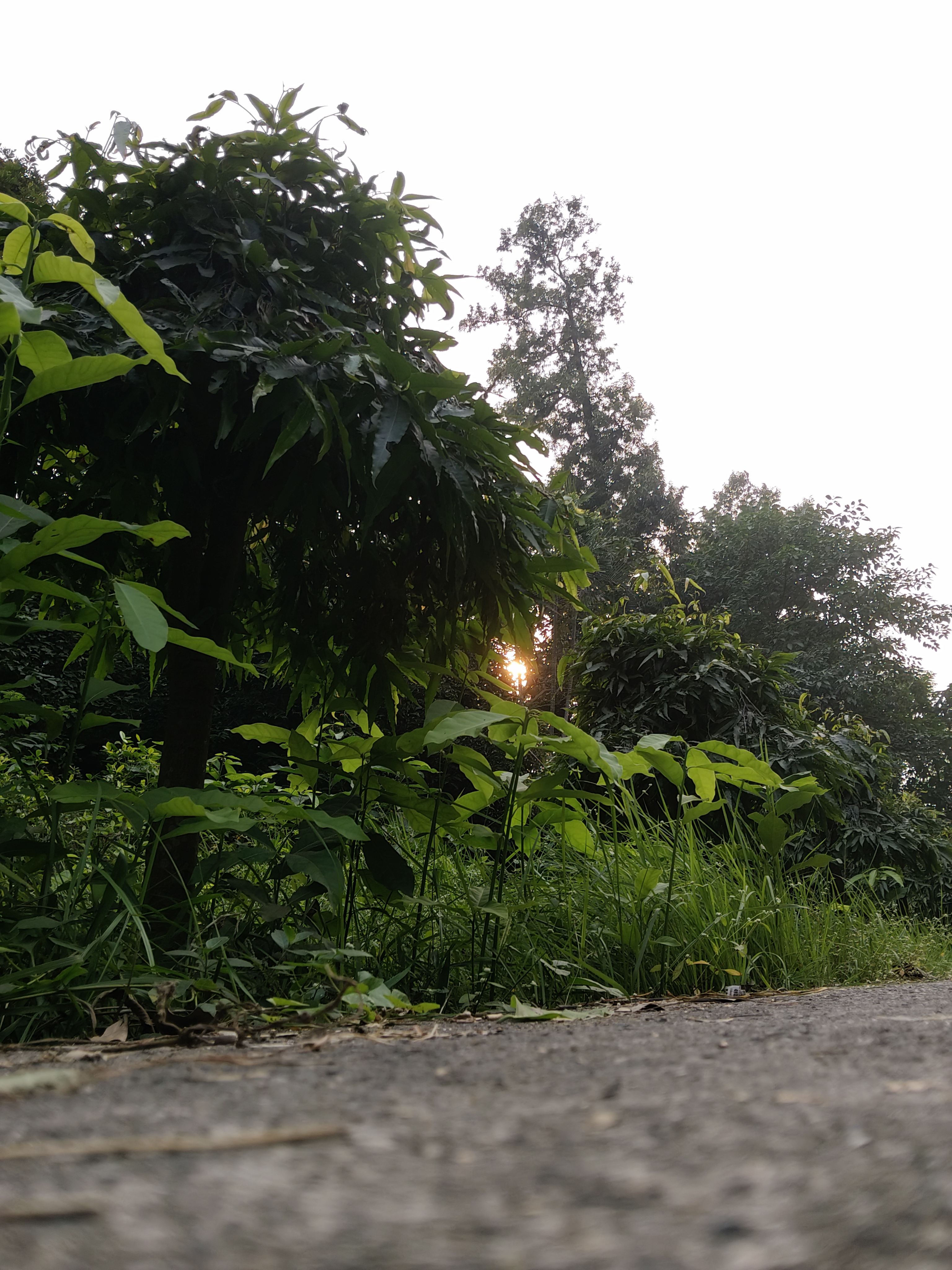
In essence, your nature photos tell the complete story: Flora is the beautiful, rooted stage, and Fauna is the dynamic, animated cast that moves across it.
Hope you have liked it

Please sign in
Login and share