


























RAM and SSD Crunch 2025/6/7/8

The enormous increase in demand from the data center and artificial intelligence (AI) industries, along with memory manufacturers' cautious production, is the main cause of the abrupt shortage and subsequent price hikes for RAM (DRAM) and SSDs (NAND flash).
The main elements are broken down as follows:
Massive Demand Driven by AI 🤖
- AI Servers Are Memory Hogs: Massive amounts of high-speed memory and storage are needed for the training and operation of massive language models, such as those that power AI tools.

Figure 1, view larger image
- RAM: AI servers require massive amounts of DRAM, particularly High-Bandwidth Memory (HBM), which requires more wafer space and is far more sophisticated than conventional consumer RAM (DDR4/DDR5).
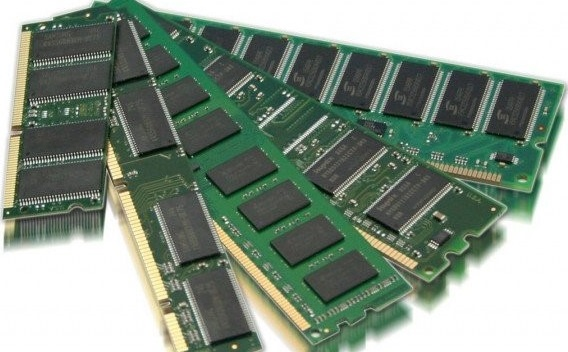
Figure 2, view larger image
- SSDs: To store and handle the enormous information required for AI, AI data centers are purchasing high-capacity, high-performance Enterprise SSDs at a rapid pace.
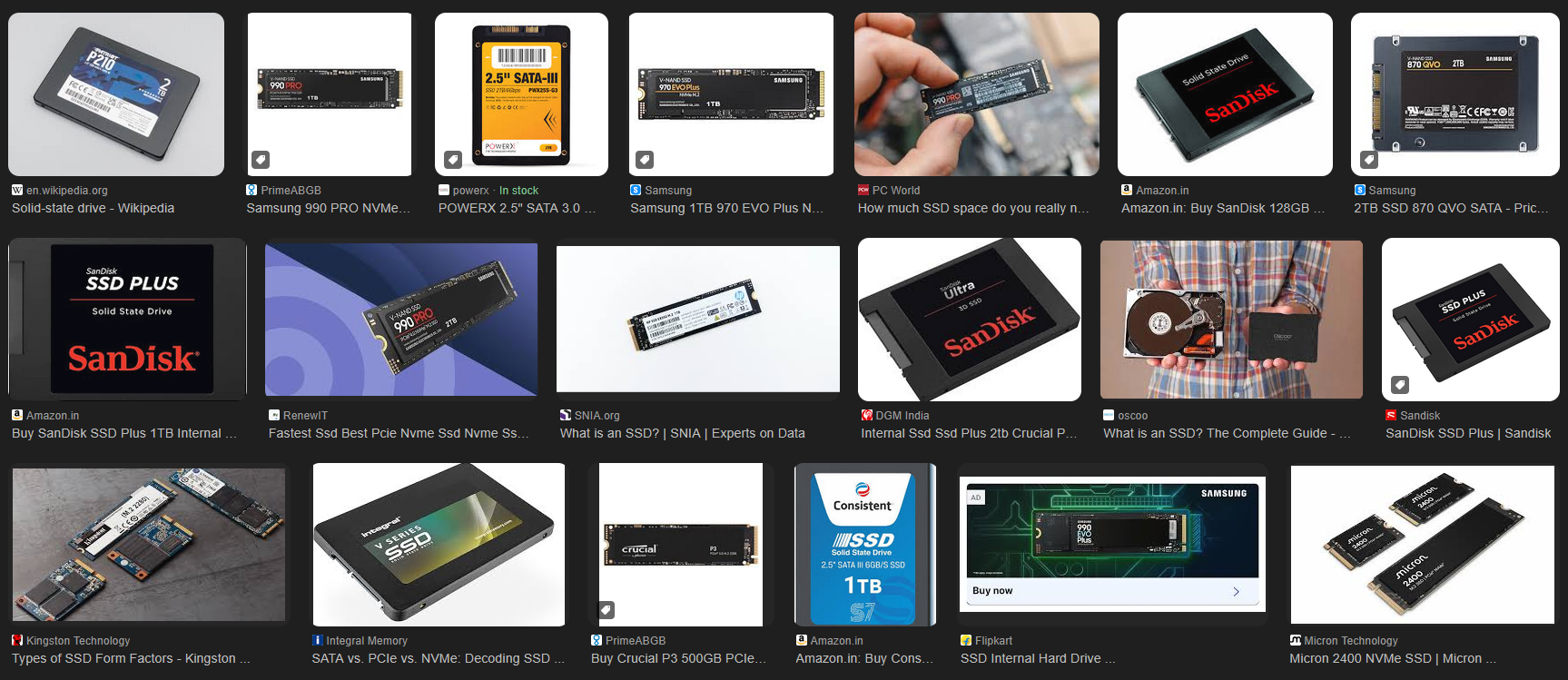
Figure 3, view larger image
- Standard RAM and the "HBM Effect": In order to produce the higher-margin, in-demand HBM chips, the major memory makers (Samsung, SK Hynix, and Micron) are giving priority to their production capacity. This change reduces the amount of wafer capacity available for desktop and laptop computers by diverting it from the production of typical consumer DDR5 and DDR4 modules.
Figure 4, view larger image

Figure 5, view larger image
Figure 6, view larger image
Strategies and Restrictions on the Supply Side 📉
- Production Cutbacks: The post-pandemic decline left the memory business with a significant inventory oversupply at the start of 2024.
- Manufacturers deliberately reduced production of conventional DRAM and NAND flash throughout late 2024 in order to stabilize prices.
- Emphasis on High-Margin items: Because HBM and high-end enterprise SSDs are significantly more profitable than commodity consumer goods, manufacturers are heavily spending their limited new capacity in these items.
- Capacity Lag: It takes years and billions of dollars to build or convert new fabrication plants (also known as "fabs") in order to boost memory production. Manufacturers are wary of quickly increasing capacity for ordinary memory because they believe that if demand for AI slows down, there may be a future market surplus (a historical tendency in the cyclical memory market).
Effects on Consumer Goods
- Decreased Allocation: There is very little manufacturing capacity left for consumer RAM and SSDs since data centers and AI clients are putting large, long-term purchases.
- Price Increases: Because supply cannot keep up with demand, contract prices for DRAM and NAND flash are rising dramatically. This is immediately passed on to consumers in the form of higher retail costs for RAM sticks and SSDs.
In conclusion, the primary cause of the shortage is that the AI boom is consuming a disproportionate and steadily growing amount of the world's memory and storage supply, compelling manufacturers to put their most valuable clients—the data centers—above the consumer market.
Predictions
- According to reliable insider sources, this shortage could last until late 2027 or even into 2028.
- Micron and its subsidiary Cruical have indicated that they will withdraw from consumer division, confirm all current warranties, and sell while stocks last due to the persistent shortage.
AI was used to rephrase the sentences
Thats all for this article
i hope you liked reading it

Figure 7, view larger image
Tech
172
1
Please sign in
Login and share
Sign in