


























How to Identify a Deepfake: A Short Guide

Hello Questers!
Deepfakes are AI-generated videos, images, or audio that convincingly imitate real people. While the technology can be used creatively, it is also misused for misinformation and fraud. Knowing how to spot a deepfake is becoming an essential digital skill.
1. Look Closely at the Face 👀
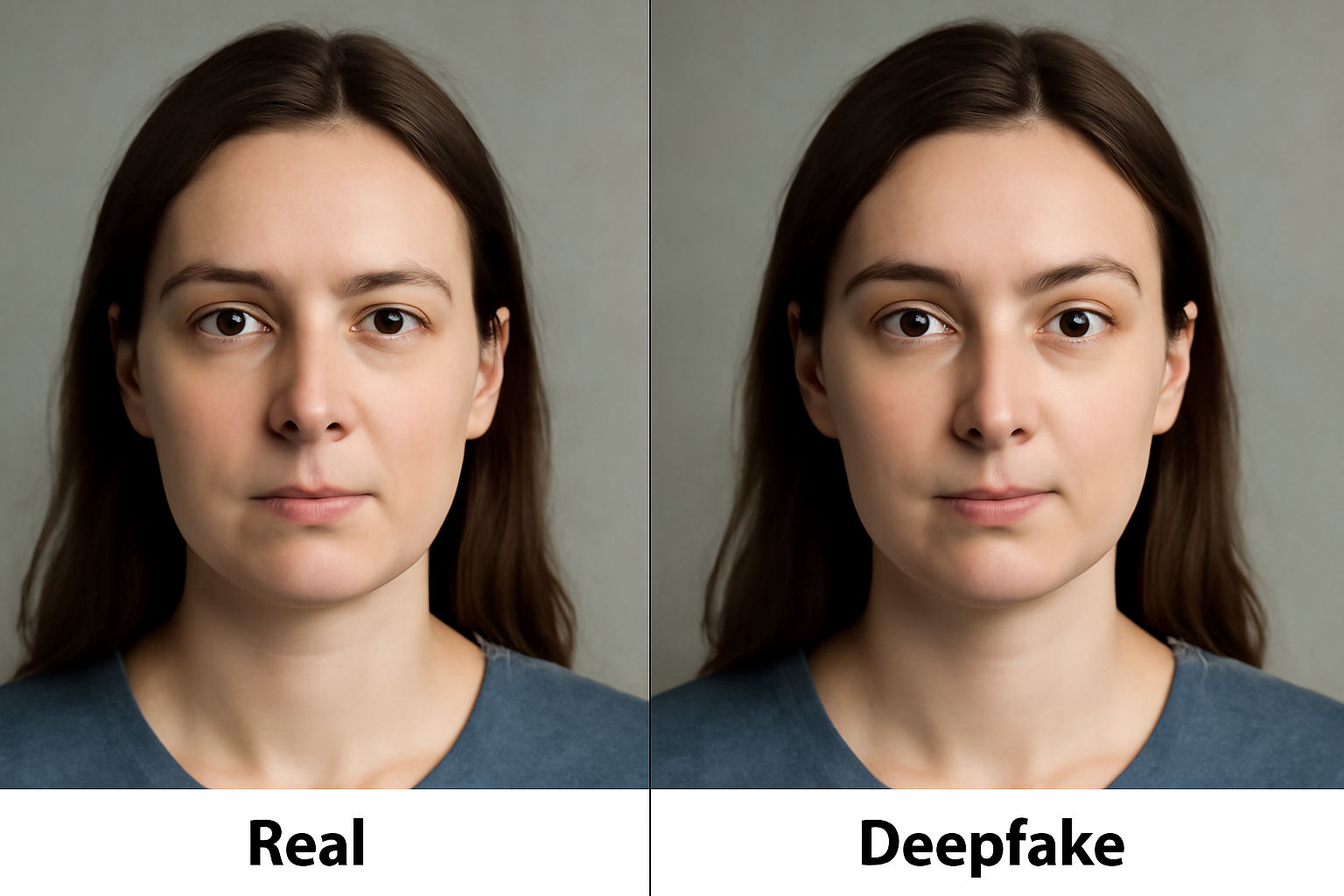
Pay attention to **facial expressions and movements**. Deepfakes often struggle with natural blinking, lip-sync accuracy, or smooth facial transitions. If the face looks slightly “off” or expressions feel unnatural, be cautious.
2. Check the Eyes, Skin, and Lighting 💡
Unnatural eye reflections, overly smooth skin, or lighting that doesn’t match the surroundings are common red flags. Real videos usually have minor imperfections—deepfakes try to look *too perfect.
3. Listen Carefully to the Voice 🎧
In deepfake audio, the voice may sound robotic, emotionless, or oddly paced. Sudden tone changes or mismatched emotions compared to facial expressions can indicate manipulation.
4. Verify the Source 🔍
Always ask: **Who shared this and why?** Cross-check with reliable news sources or official accounts. Many deepfakes spread rapidly on social media without verification.
5. Use Detection Tools 🛠️

There are AI tools and browser extensions designed to flag potential deepfakes by analyzing pixels, audio patterns, and metadata. While not perfect, they add an extra layer of safety.
Conclusion
Deepfakes are getting smarter, but a **careful eye, critical thinking, and source verification** can help you stay safe. In the digital age, *don’t trust everything you see
or hear—verify it first*.
Stay alert, stay informed.
Thanks!
Pramod Singhal
QUESTER
@iQOO Connect@NipunMarya@parakram_h@TechieGuy@NITIN@TechSAM009
Please sign in
Login and share