





















History of Hazarduari

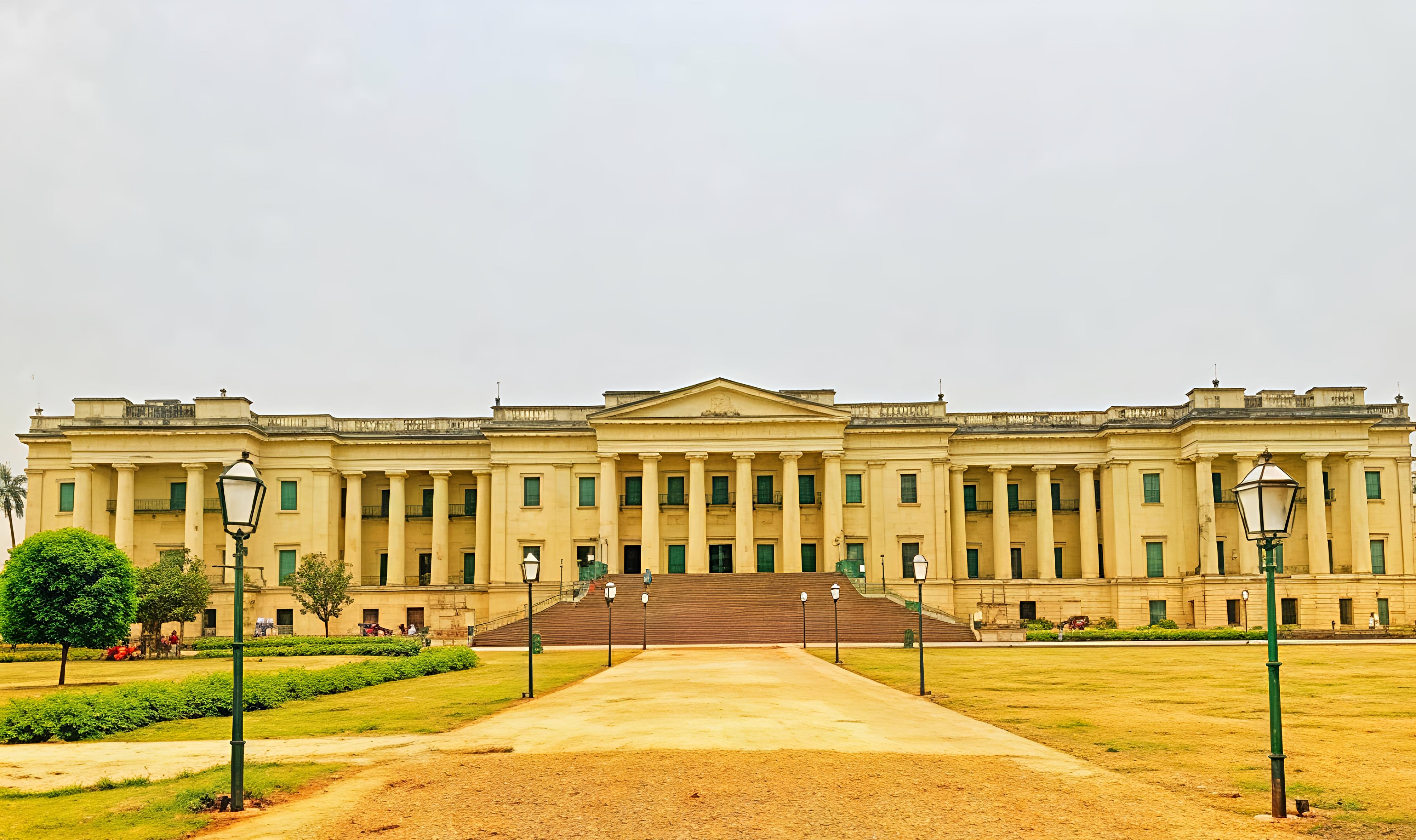
The Hazarduari Palace, located on the banks of the Bhagirathi River in Murshidabad, West Bengal, is one of the most significant examples of Indo-European architecture in India. Its name literally translates to "a palace with a thousand doors" (Hazar = thousand, Duari = doors).
1. Origins and Construction (1829–1837)
The palace was commissioned by Nawab Nazim Humayun Jah, a descendant of Mir Jafar, who ruled over Bengal, Bihar, and Orissa.
* Architect: It was designed by Colonel Duncan MacLeod of the Bengal Corps of Engineers.
* Timeline: The foundation stone was laid on August 9, 1829. Legend says the foundation was so deep that the Nawab had to descend a long ladder to lay the stone and nearly fainted from the lack of oxygen in the crowd.
* Cost: The construction took roughly nine years and cost approximately 16.50 lakh gold coins—a staggering sum at the time.
2. The Mystery of the 1,000 Doors
The most famous feature of the palace is, of course, its doors.
* Real vs. Fake: While there are 1,000 doors in total, only 900 are real.
* The Strategic Reason: The 100 "false doors" were architectural decoys. They were designed to confuse intruders or assassins; if a thief tried to flee the palace, they would often run into a wall disguised as a door, allowing the Nawab's guards to catch them.
3. Architecture: The "Greek Style" in Bengal
The palace is built in the Neoclassical Italianate style, heavily influenced by Greek Doric columns.
* It is a three-story structure standing 80 feet tall.
* The massive flight of stairs on the north side is one of the largest in India.
* The entrance gates are so large that an elephant with a howdah (carriage) could pass through them easily.
4. The Hazarduari Museum
Today, the palace is a museum managed by the Archaeological Survey of India (ASI). It is the largest site museum in the country, housing over 4,700 artifacts across 20 galleries. Notable highlights include:
* The Chandelier: A massive crystal chandelier in the Durbar Hall, gifted by Queen Victoria. It is said to be the second-largest in the world (after the one in Buckingham Palace).
* The Armory: An extensive collection of weapons, including the sword of Siraj-ud-Daulah and the dagger used by Mohammadi Beg to kill him.
* The "Secret" Mirrors: Mirrors positioned at specific angles so that the Nawab could see the face of anyone entering the room without being seen himself.
* The Library: Home to rare books and manuscripts, including a handwritten Quran and the Ain-i-Akbari.
The Surrounding Complex (Kila Nizamat)
The Hazarduari Palace is part of a larger campus called Kila Nizamat, which also includes:
* Nizamat Imambara: Located directly opposite the palace, it is one of the largest Imambaras in India.
* The Bachhawali Tope: A massive 14th-century cannon that was allegedly fired only once. Legend claims the sound was so loud it caused several pregnant women in the vicinity to go into labor.
Please sign in
Login and share