




























Sir Stuart Hogg’s Masterpiece: The 150-Year Journey of New Market

Calcutta's New Market, officially known as Sir Stuart Hogg Market, is more than just a shopping destination; it is a 150-year-old living monument to the city’s colonial history. Established in 1874, it was the first municipal market in India.
1. The Origins: A "Whites Only" Market
In the mid-19th century, the British residents of Calcutta grew increasingly dissatisfied with shopping in local "native" bazaars like Terretti Bazar. They found these markets too crowded and unhygienic.
* The Proposal (1871): To address these concerns, the Calcutta Corporation proposed a dedicated market for the British elite.
* Location: They chose Lindsay Street, purchasing the land and razing the old, dilapidated Fenwick’s Bazar to make room for a grander structure.
* The Architect: Richard Roskell Bayne, an architect for the East Indian Railway Company, was hired to design the complex. He was awarded Rs. 1,000 for his Victorian Gothic design.
2. Opening and Early Years (1874)
The market officially opened on January 1, 1874. It was an immediate success among affluent colonials who traveled from all over India to shop for luxury imports—from French perfumes and English cheeses to the latest London fashions.
* The Name: Though officially the Sir Stuart Hogg Market (named in 1903 after the tenacious Chairman of the Calcutta Corporation), everyone simply called it "New Market" because it had replaced the old Fenwick's Bazar.
* The Clock Tower: A hallmark of the market, the iconic clock tower was brought from Huddersfield, UK, and installed in the early 20th century, cementing its Gothic charm.
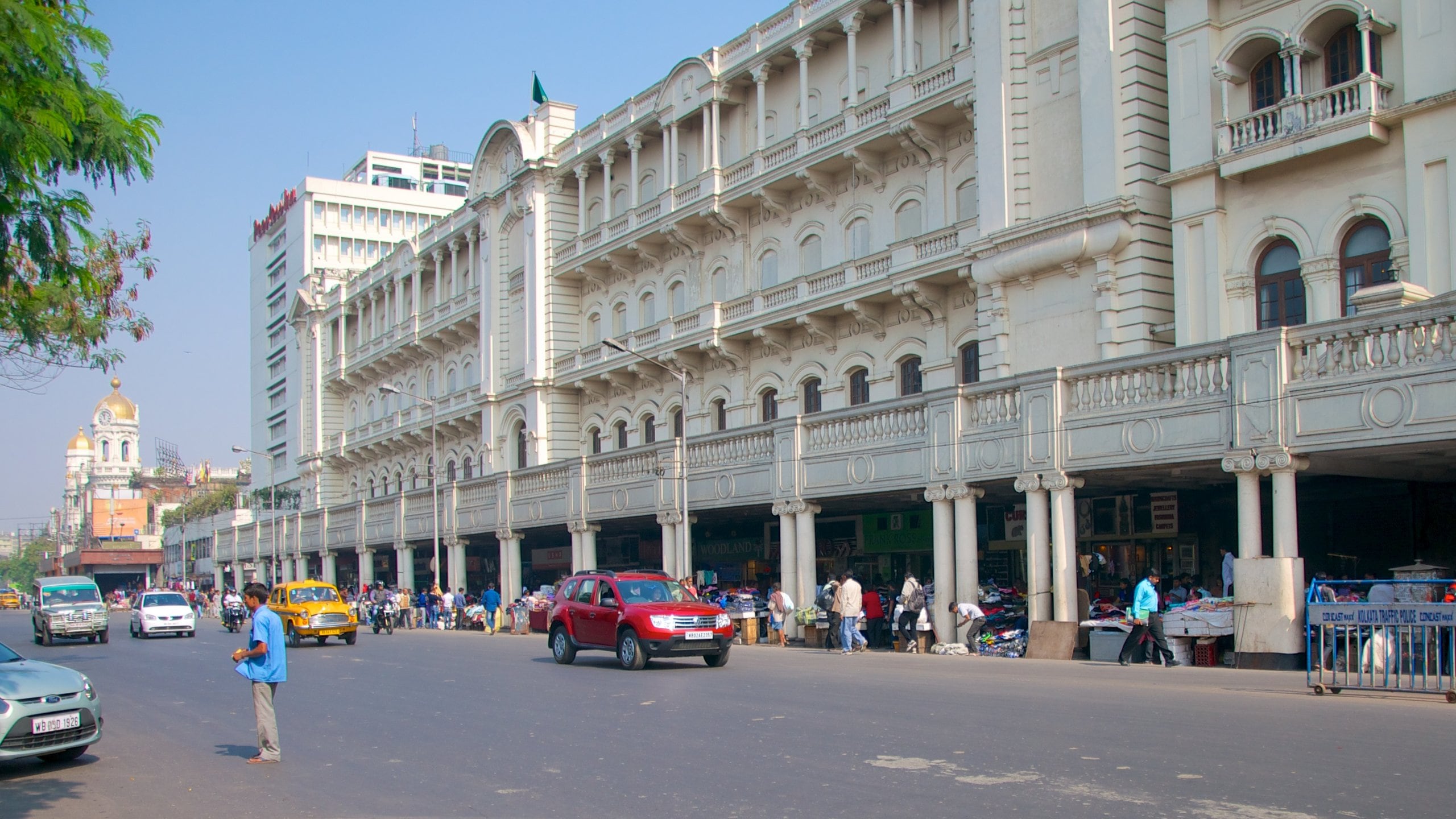
3. Architecture and Layout
The market was designed with both aesthetics and functionality in mind. Its red-brick facade and high ceilings were intended to keep the interior cool during Calcutta's sweltering summers.
* The "Township" Design: The original layout resembled a small town with distinct sections for different goods (meat, fish, vegetables, garments, and jewelry).
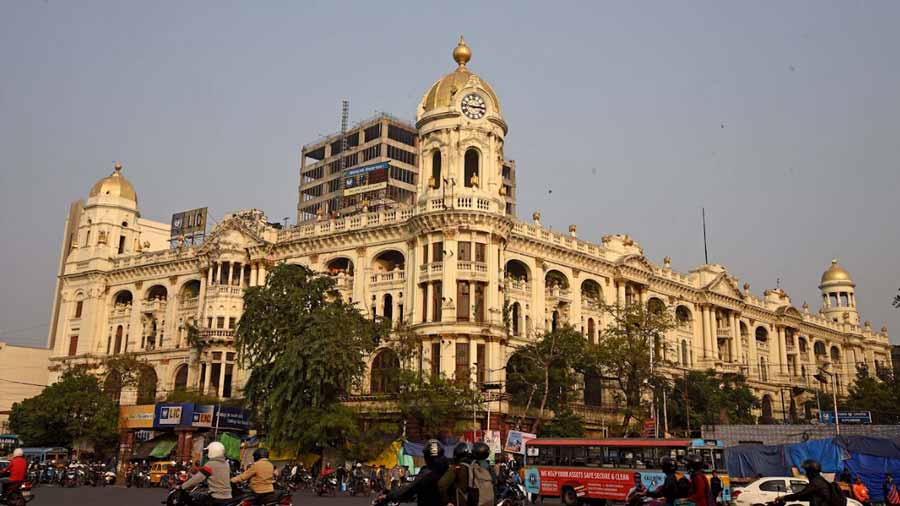
* A "Needle to an Elephant": A famous local saying claims you can buy anything from "a needle to an elephant" at New Market. While they no longer sell exotic animals (which were available in the back rows until the 1970s), the variety remains staggering.
4. Cultural Icons and Modern Era
Despite surviving two World Wars, several major fires (most notably in 1985 and 2011), and the rise of modern malls, New Market remains the heart of Kolkata’s shopping culture.
* Nahoum & Sons: This legendary Jewish bakery, established in 1902, is still one of the market's biggest draws, especially during Christmas for its plum cakes.
* Transition: After Independence, the "Europeans only" barriers were removed, and the market transformed into a democratic space where people of all backgrounds bargain side-by-side.
Fast Facts
Inauguration Date - January 1, 1874
Architectural Style - Victorian Gothic
Founder - Sir Stuart Saunders Hogg
Number of Stalls - Over 2,000 (plus thousands of peripheral hawkers)

Please sign in
Login and share