



























The Cradle of Indian Cinema: The Eternal Legacy of the Marathi Film Industry

The history of Indian cinema is not merely a chronicle of Bollywood’s global rise; it is a story that begins and finds its artistic conscience in the Marathi film industry. Often overshadowed by the massive commercial scale of Hindi cinema, the Marathi industry is the primordial bedrock upon which the entire edifice of Indian filmmaking stands. Its contributions range from the very invention of the medium in India to providing a steady stream of intellectual depth, technical innovation, and legendary talent that continues to sustain Bollywood today.
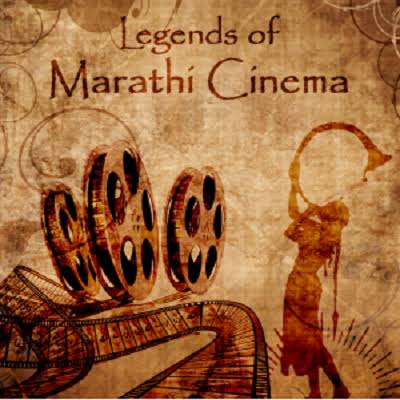
The Dawn of an Era: The Pioneering Spark
The Marathi industry’s greatest contribution is the very birth of Indian cinema. Dadasaheb Phalke, a visionary polymath from Maharashtra, directed Raja Harishchandra in 1913. By weaving Indian mythology with Western technology, Phalke didn't just make a movie; he established a cultural template. This pioneering spirit turned Maharashtra into the cinematic epicenter of the country.
Early institutions like the Prabhat Film Company in Pune were far ahead of their time, emphasizing disciplined storytelling and technical perfection. Their films, such as Sant Tukaram (1936), were the first Indian productions to receive international acclaim at the Venice Film Festival, proving that Marathi cinema possessed a global resonance from its very inception.

Intellectual Depth and Social Realism
While Bollywood often gravitated toward escapist fantasies and grand musicals, Marathi cinema remained the "moral compass" of Indian film. It introduced social realism long before it became a movement in Hindi "Parallel Cinema." Early Marathi filmmakers used the medium as a tool for social reform, addressing issues like rural debt, caste discrimination, and women’s rights with a raw, unflinching honesty.
Films like Savkari Pash (1925) and later masterpieces like Pinjra (1972) showcased a commitment to storytelling rooted in the soil. This tradition of content-driven cinema acts as a "talent and idea incubator." Even today, the "New Wave" of Marathi cinema represented by films like Shwaas, Court, and The Disciple continues to garner international awards, pushing the boundaries of what Indian cinema can achieve beyond the song-and-dance routine.
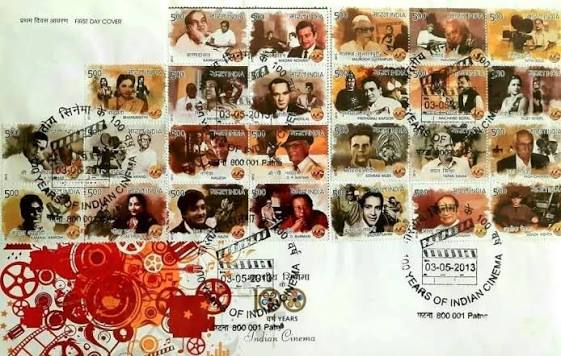
The Talent Pipeline: An Inexhaustible Reservoir
The Marathi industry has been an indispensable source of talent for Bollywood. The technical discipline and emotive power of Marathi theatre (Sangeet Natak) filtered into film, producing actors who prioritized craft over stardom. Legends such as Smita Patil, Nana Patekar, and Dr. Shriram Lagoo brought a naturalistic acting style to the Hindi screen that redefined the "hero."
Furthermore, the very soul of Bollywood’s music is quintessentially Maharashtrian. The Mangeshkar family, led by the "Nightingale" Lata Mangeshkar, defined playback singing for over half a century. Their roots in Marathi classical and folk music provided the melodic framework for thousands of Hindi film songs. Even the modern rhythmic pulse of Bollywood owes much to the Lavani folk dance and the high-energy percussion of Dhol-Tasha, which have been assimilated into countless Hindi dance numbers.
The Linguistic and Cultural Tapestry
The Marathi language itself rich, resilient, and expressive has lent a unique flavor to Indian films. The profound literature of authors like V.V. Shirwadkar and P.L. Deshpande has provided a wellspring of scripts and ideas for the silver screen. This cultural richness ensures that Marathi cinema is never just "entertainment"; it is a cerebral experience that challenges the viewer's intellect while touching their heart.
Conclusion
In conclusion, the Marathi film industry is the silent architect and the eternal heartbeat of Indian cinema. It provided the first spark of creation, the technical blueprint of the studio system, and a relentless commitment to meaningful storytelling. While Bollywood may be the glittering face of Indian cinema to the world, the Marathi industry remains its artistic soul, constantly feeding it with literature, music, and a standard of excellence. It is a testament to the fact that true cinematic power lies not in the budget, but in the depth of the story and the authenticity of the culture.
Please sign in
Login and share