







Living with iQOO 15 for 1 Month : Worth the Jump from my iQOO 13?

What’s up, Questers!
As the year comes to an end, I wanted to share my one-month real-world experience with the iQOO 15, especially after coming from the iQOO 13.
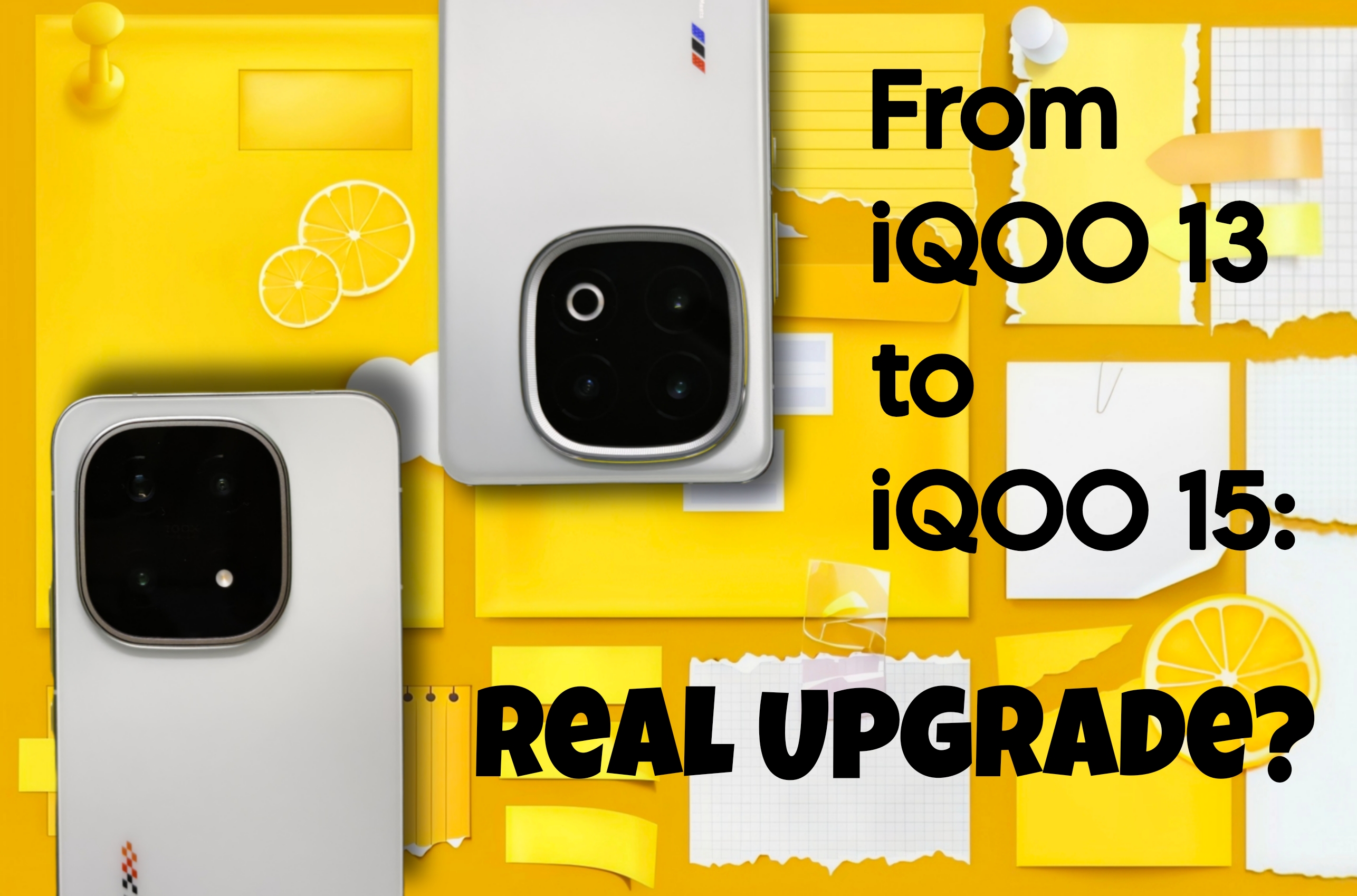
This isn’t a spec-sheet comparison this is purely based on day-to-day usage, outdoor work, gaming, content consumption, and long hours of use.
So without any delay, here’s my detailed experience moving from iQOO 13 to iQOO 15.
Display
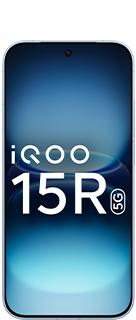
Both devices feature a 2K display, but the reason I genuinely prefer the iQOO 15 Color Samsung 2K M14 LEADTM OLED Display (1.07B) comes down to polarization and outdoor visibility.

My work involves being outdoors a lot, often under harsh sunlight. With the iQOO 13 Color LTPO 2.0 AMOLED Screen (1B Colors), I regularly faced visibility issues—especially while wearing sunglasses. There were color shifts and reduced clarity, which became a challenge.
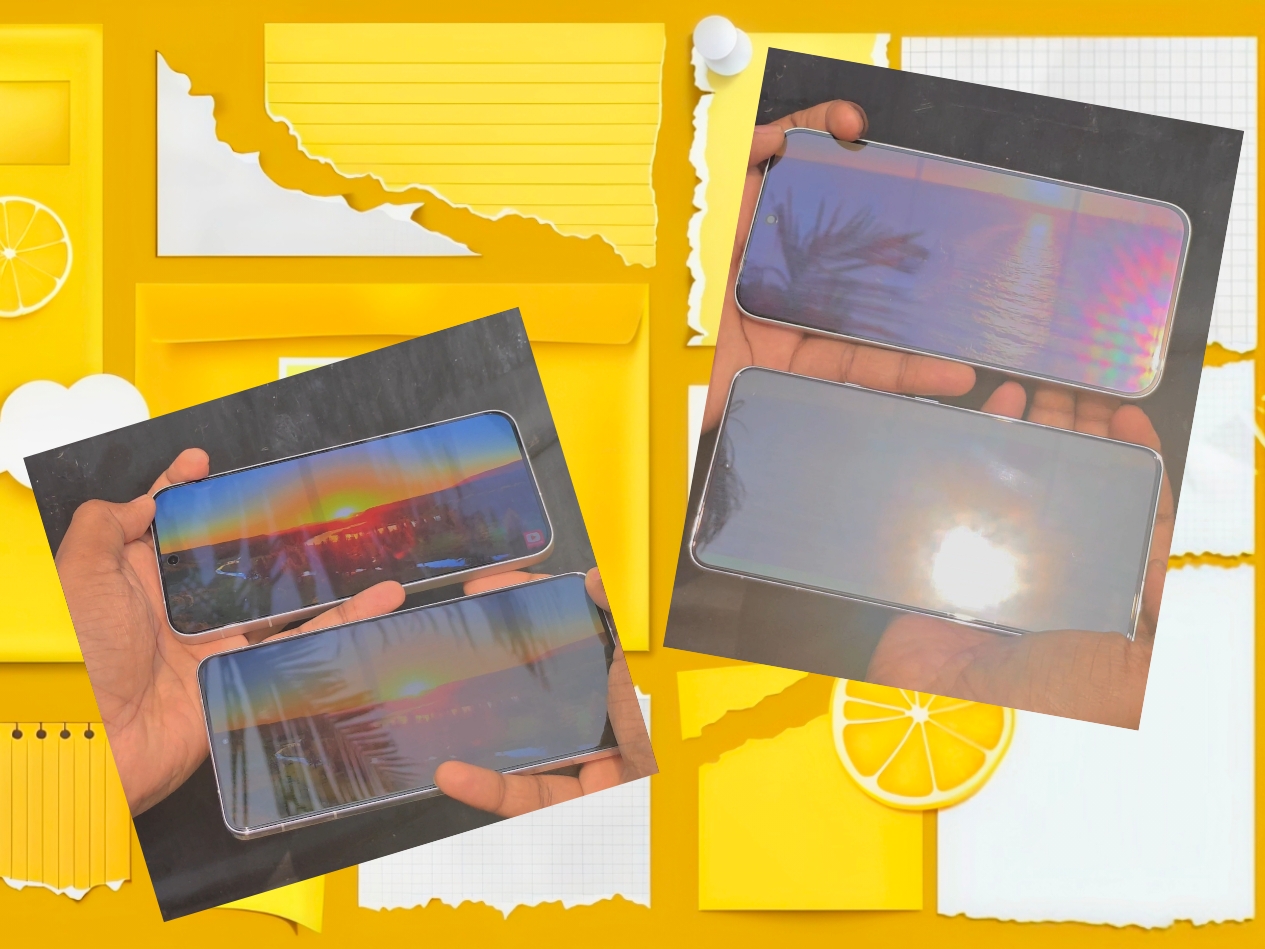
The iQOO 15 completely fixes this. Sunlight visibility is excellent, colors remain consistent, and the display stays readable in all conditions. On top of that, the crispness, color accuracy, and overall tuning feel better.
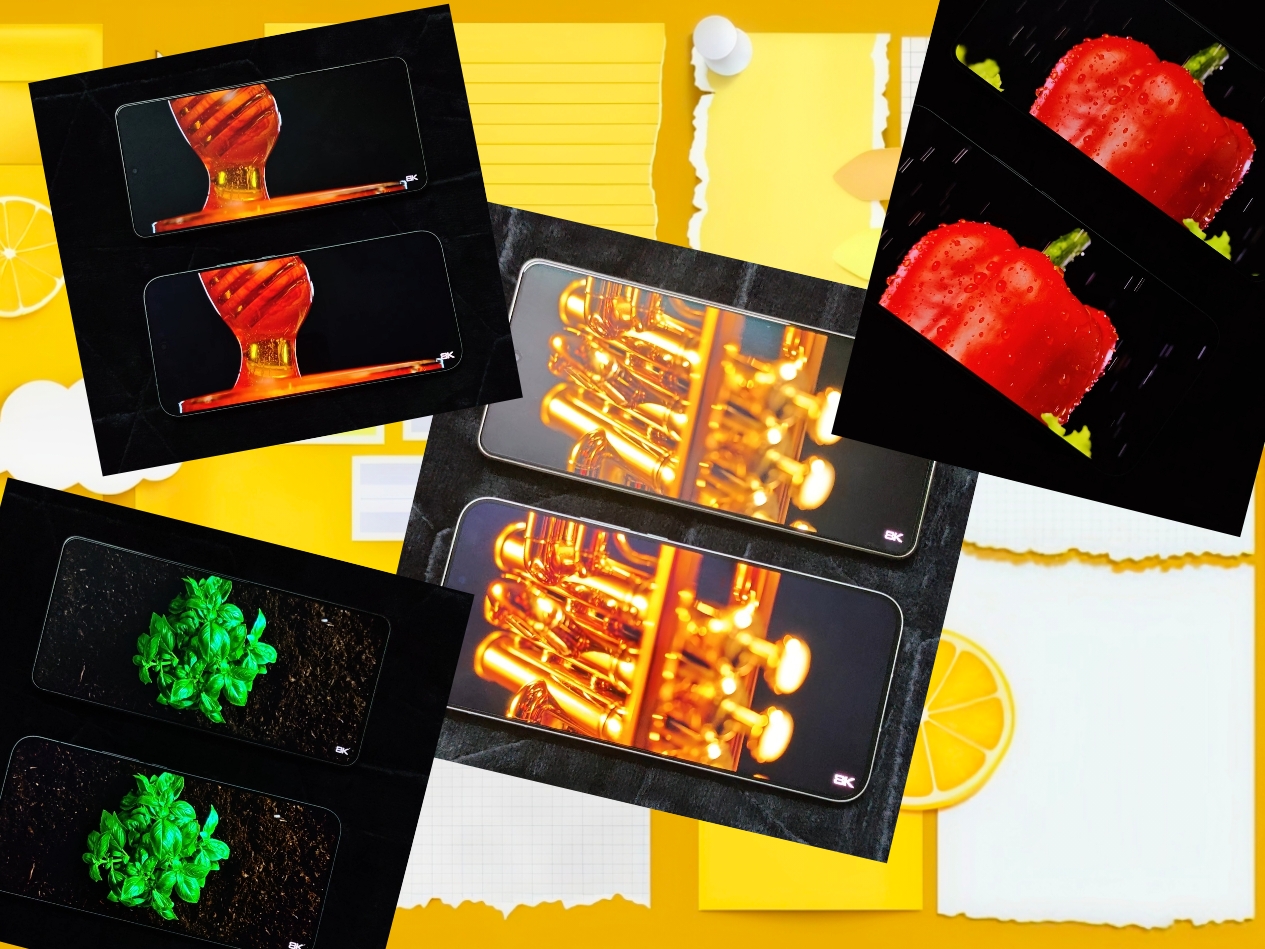
Watching Netflix, YouTube, or reviewing my own captured videos feels richer, helped further by Dolby Vision support.
For display lovers and binge watchers, this is one of the strongest upgrades.
iQOO13 display can perform upto 4500 nits local peek brightness whereas iQOO 15 can perform upto 6000 nits as the brand claims
Cooling System
This is one of the biggest upgrades for me.
The iQOO 15 features an 8000mm² vapor cooling chamber, nearly 1000mm² larger than the one on the iQOO 13.

In real usage long gaming sessions, video editing, outdoor usage under sunlight the phone stays noticeably cooler. With the iQOO 13, I did experience occasional warmth during extended usage. With the iQOO 15, that hasn’t happened at all.
If thermal performance matters to you, this alone is a strong reason to upgrade.
Design
The design evolution is subtle but impactful.
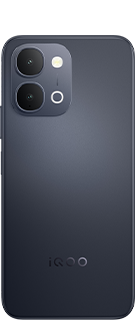
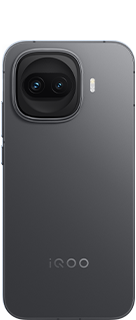
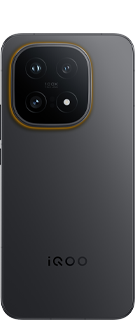
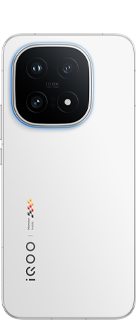
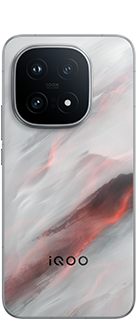
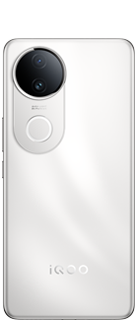
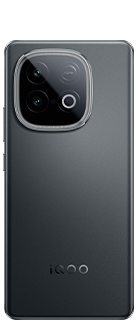
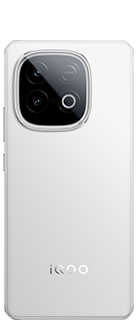
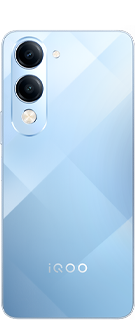
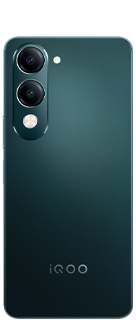
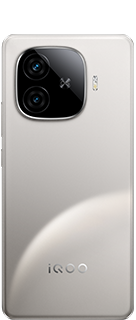
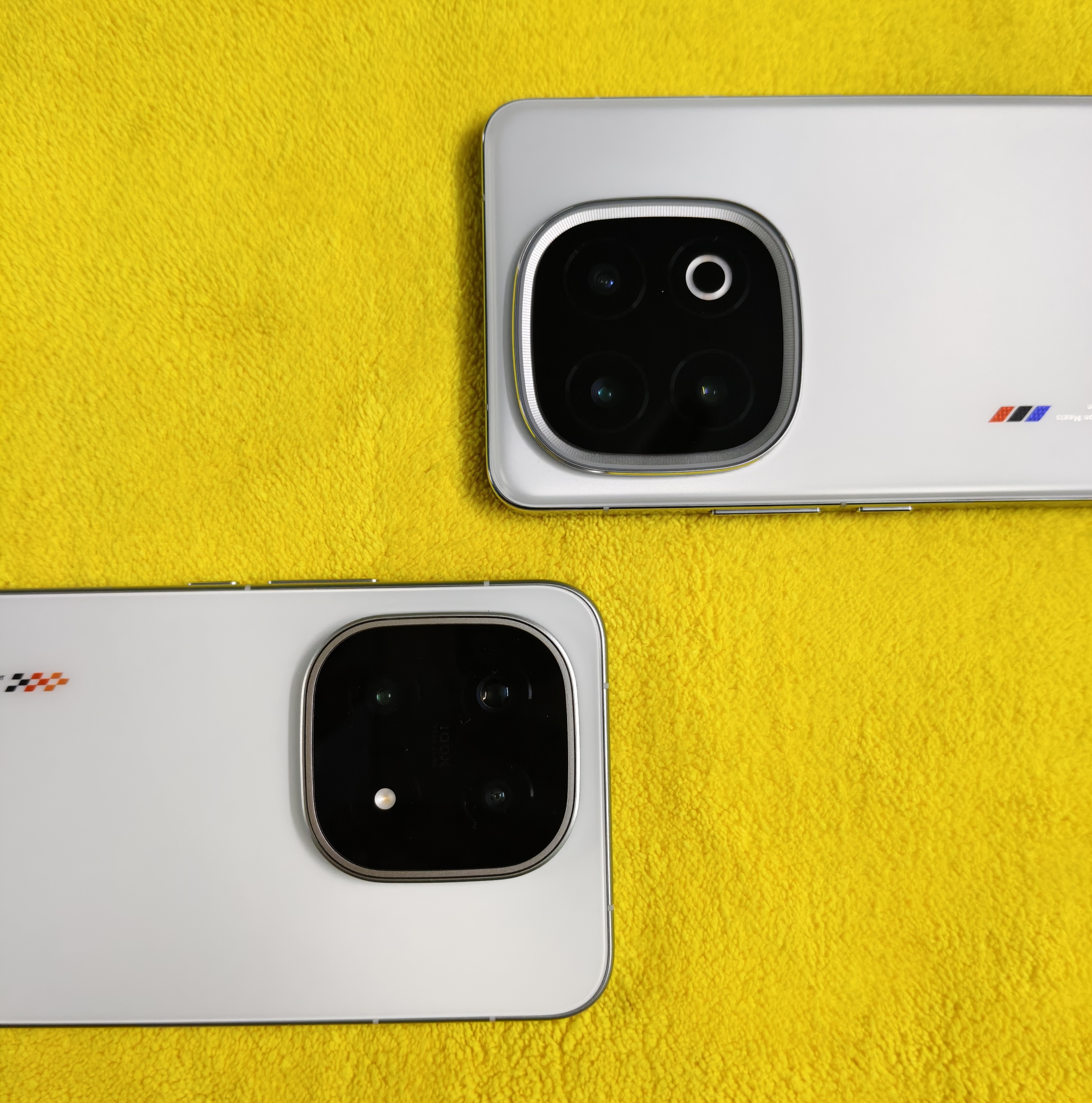
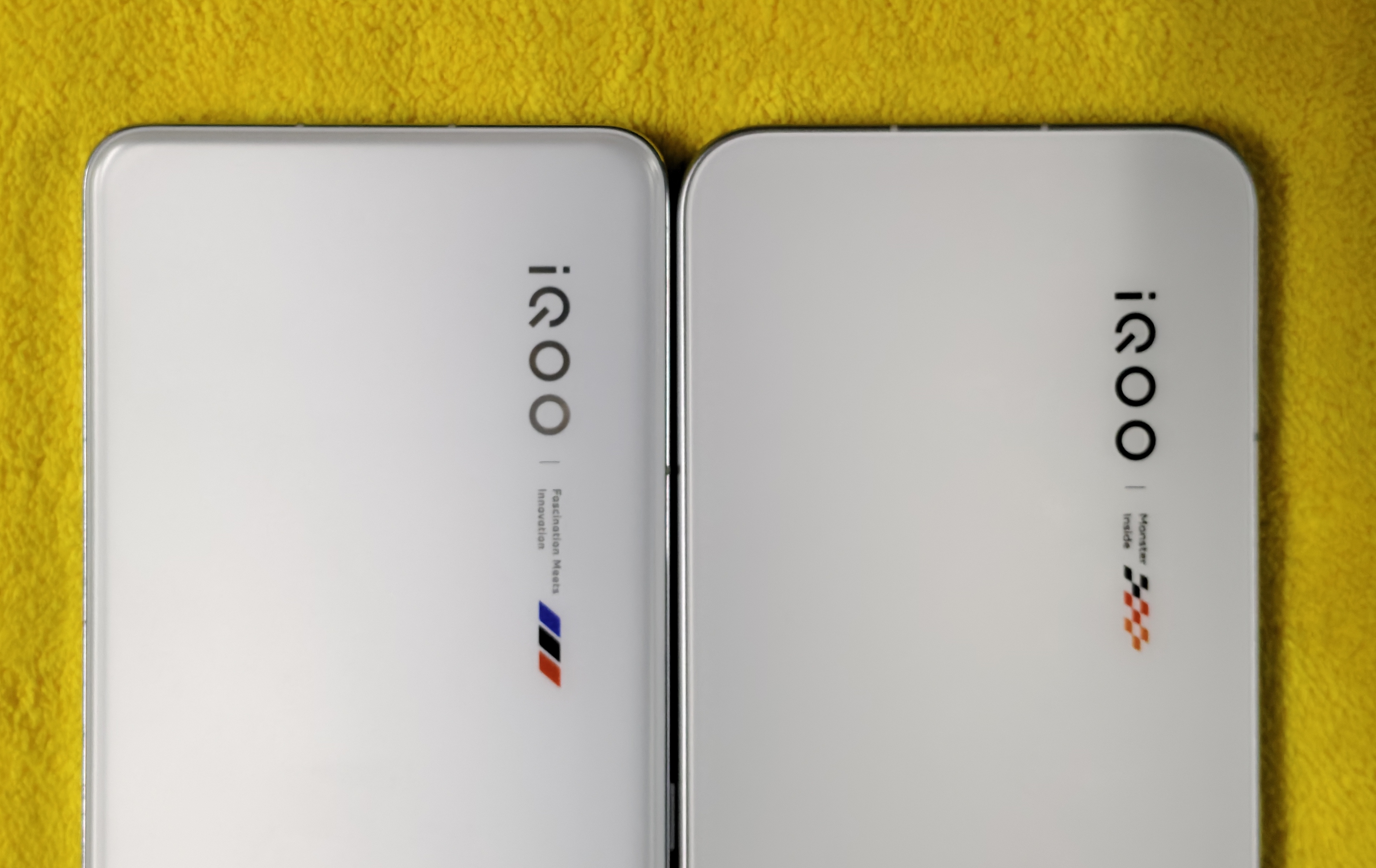
The iQOO 15 features curved corners on all four sides, unlike the boxy design of the iQOO 13. This instantly makes the phone feel more premium—not just a gaming device, but a complete flagship smartphone.

The camera bump is also more refined. It’s smaller and more compact compared to the wider module on the iQOO 13.
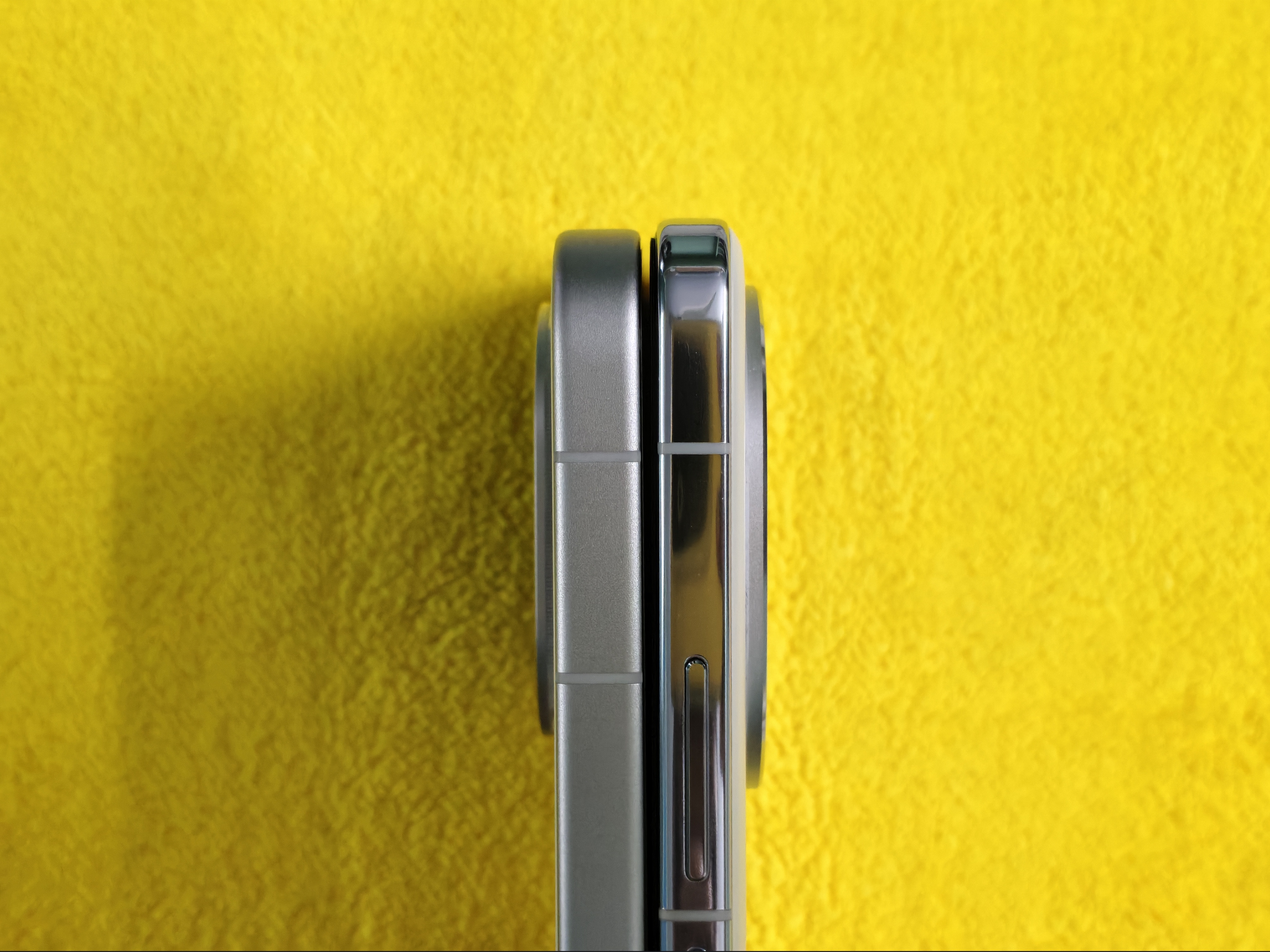
Another big win is the matte finish on both the back and side rails. The glossy stainless-steel finish on the iQOO 13 was a fingerprint magnet, whereas the iQOO 15 stays clean and smudge-free, adding to the premium in-hand feel.
Camera
I mostly capture human subjects and architectural shots, and for that, the iQOO 13 was already good. However, I did miss certain shots due to the lack of a periscope camera.That changes with the iQOO 15.
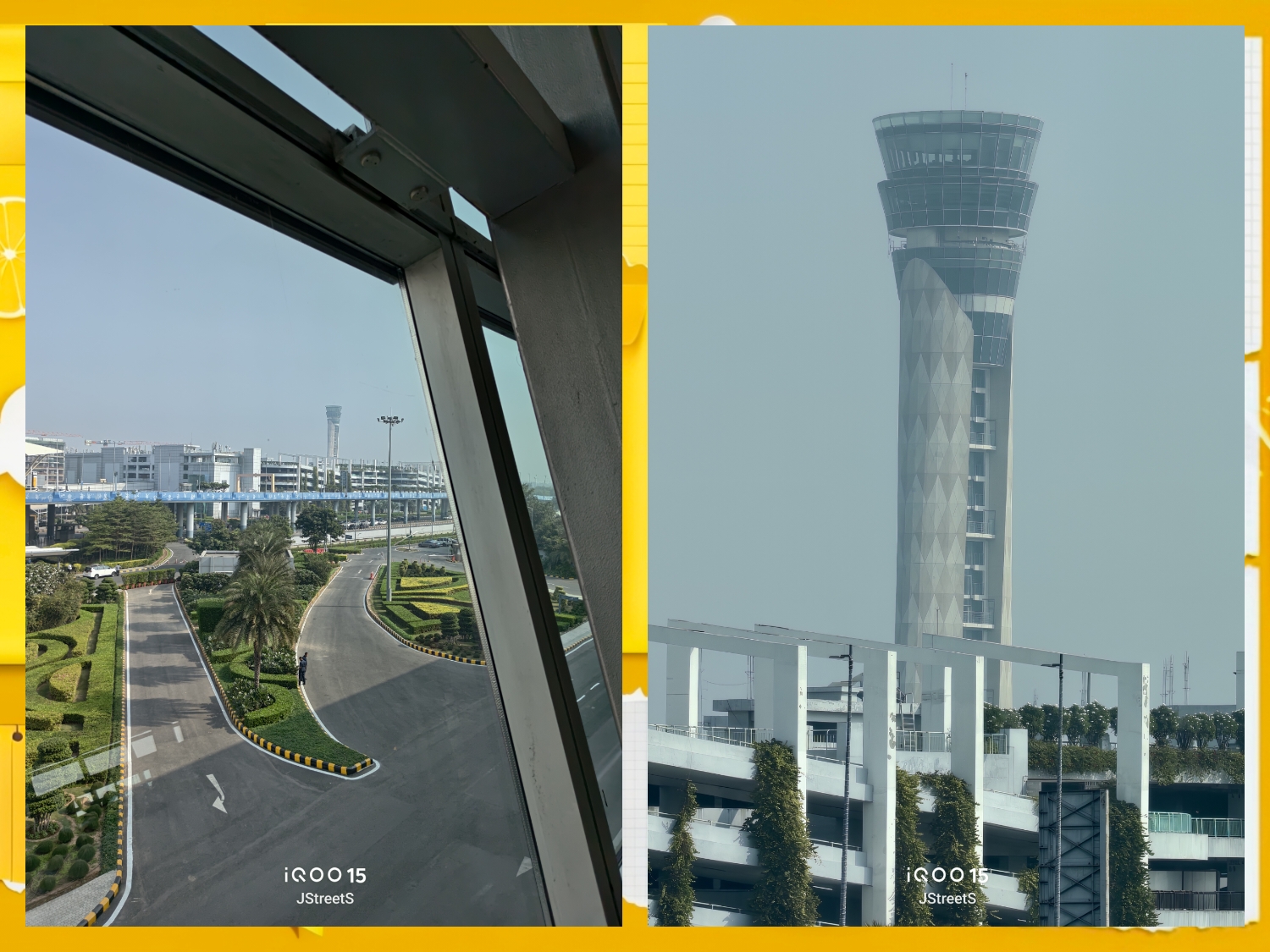
The periscope lens with up to 100× zoom allows me to capture distant subjects with much better clarity and detail. This is where the iQOO 15 clearly pulls ahead, especially for users who enjoy experimenting with long-range photography.
Haptic Feedback
This was an unexpected change for me.
On the iQOO 13, I never used haptics I simply didn’t enjoy the feel. But with the India's first dual-axis haptic motor on the iQOO 15, that changed completely.
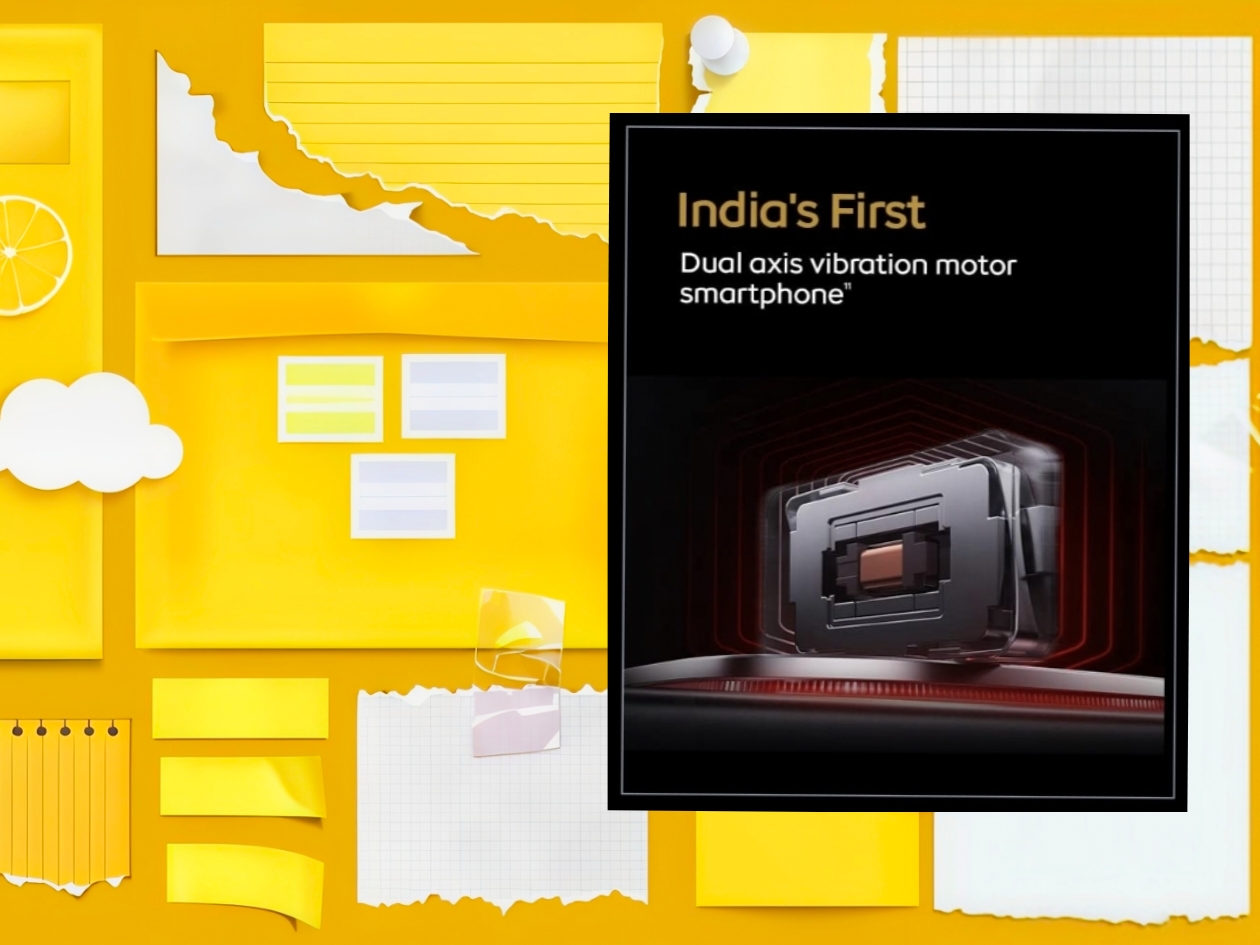
Thanks to excellent OriginOS tuning, the haptics feel precise, refined, and premium. This is the first time in my entire smartphone journey that I’ve consistently enabled haptic feedback. Typing, navigation, and system interactions feel far more immersive now.
Network & eSIM
One long-awaited feature finally arrives—eSIM support.
The iQOO 13 didn’t offer eSIM switching, but the iQOO 15 does, and it works seamlessly. I’ve already moved my physical SIM to eSIM, and the experience has been solid—stable connectivity, good call quality, and strong data performance.
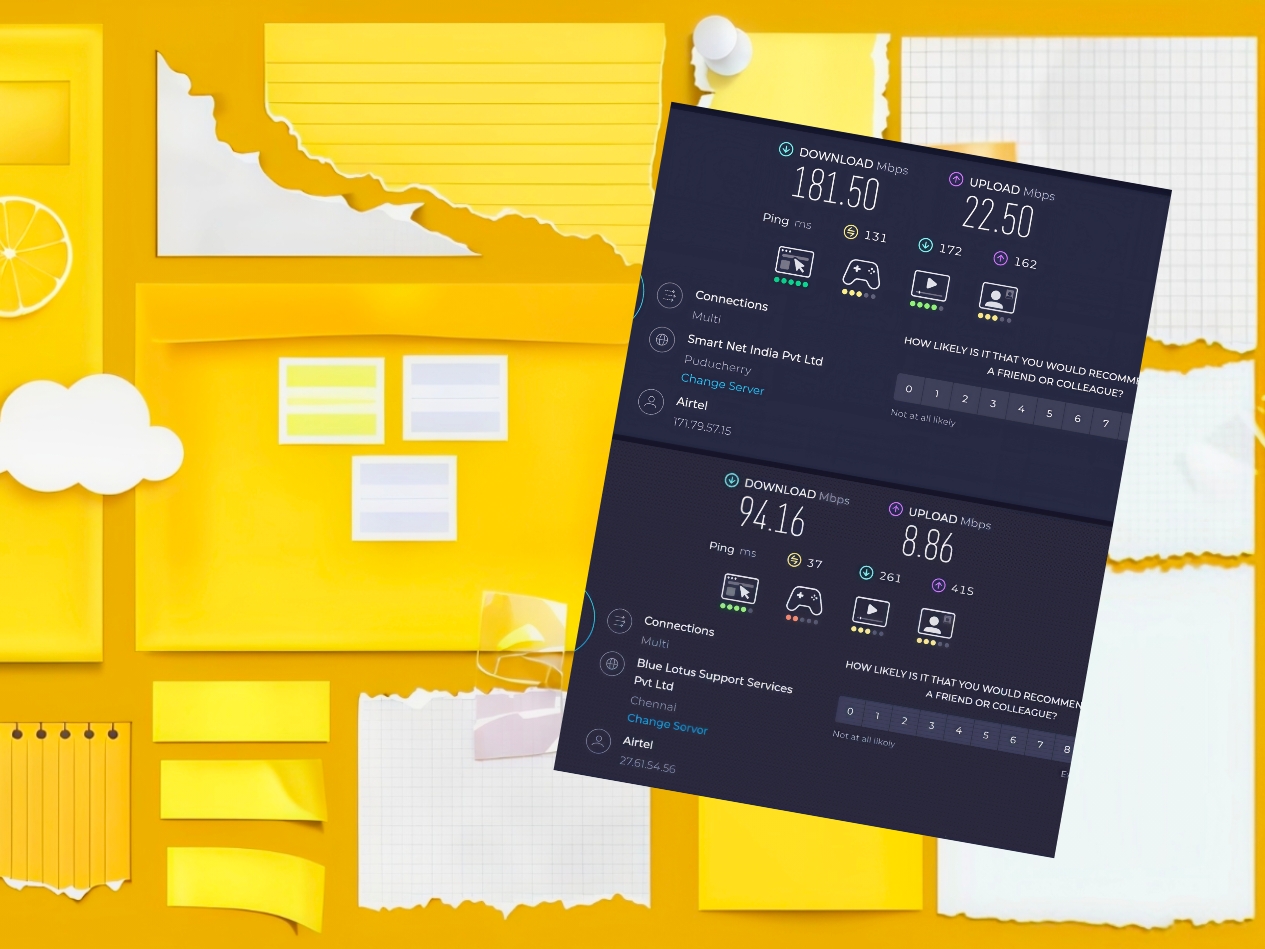
For users who prefer eSIM or want a future-ready setup, this is a meaningful upgrade.360° omnidirectional design 23 antennas minimizes dropouts.
Performance
In terms of raw performance, both phones are strong. However, the iQOO 15 shows a slight but noticeable improvement in shader-heavy workloads and sustained usage.
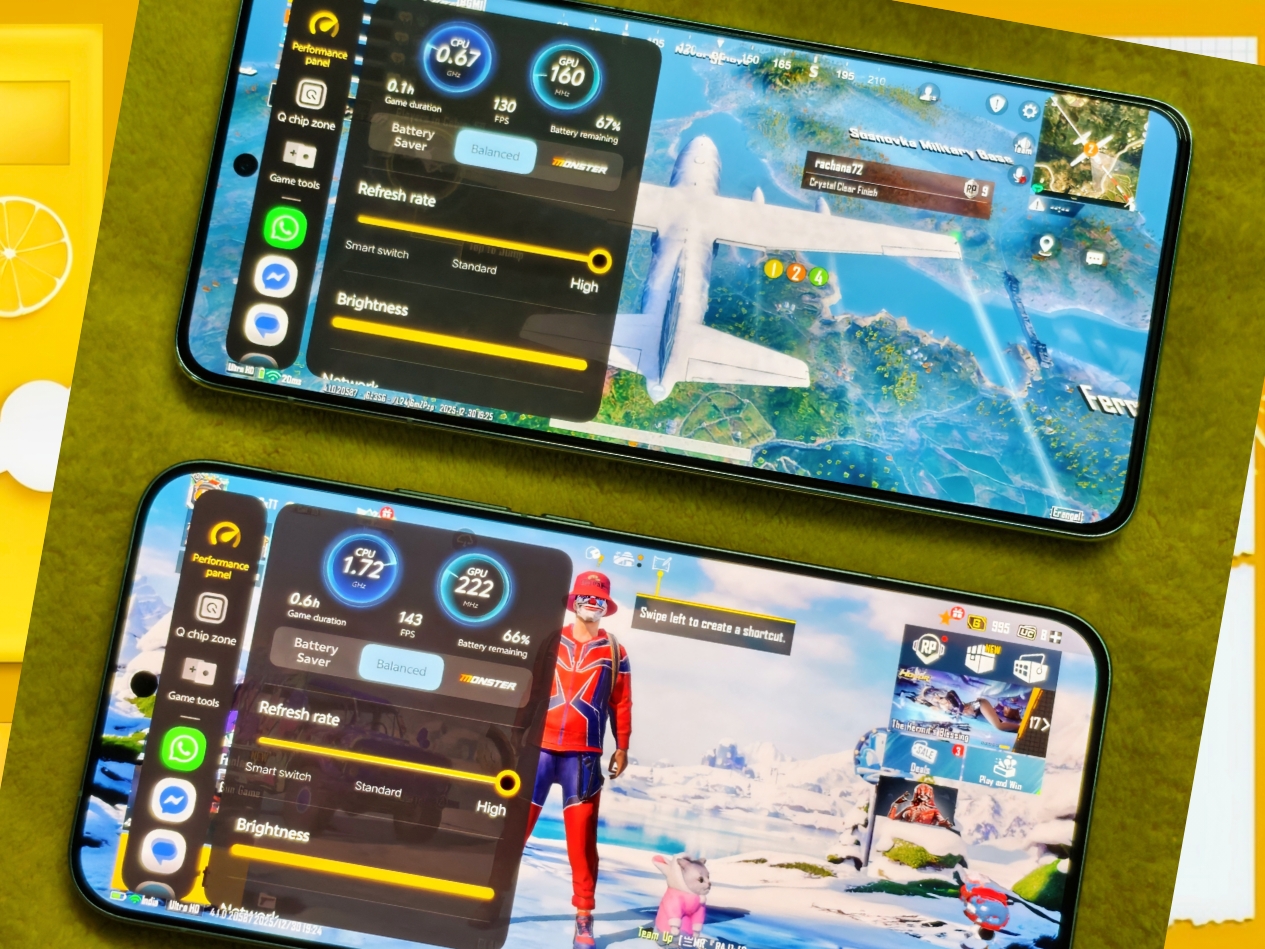
The biggest advantage is ray tracing support, which prepares the iQOO 15 for upcoming heavy gaming titles. While the jump isn’t dramatic in everyday tasks, the iQOO 15 is clearly more future-ready when it comes to graphics and gaming technologies.
Battery
As a heavy user, battery life matters a lot to me.
The iQOO 15 packs a 7000mAh 4 the gen silicon carbon anonde battery, which is a 1000mAh increase over the same 4th gen 6000mAh battery on the iQOO 13. With similar battery technology and better optimization, I’m consistently getting better screen-on time.
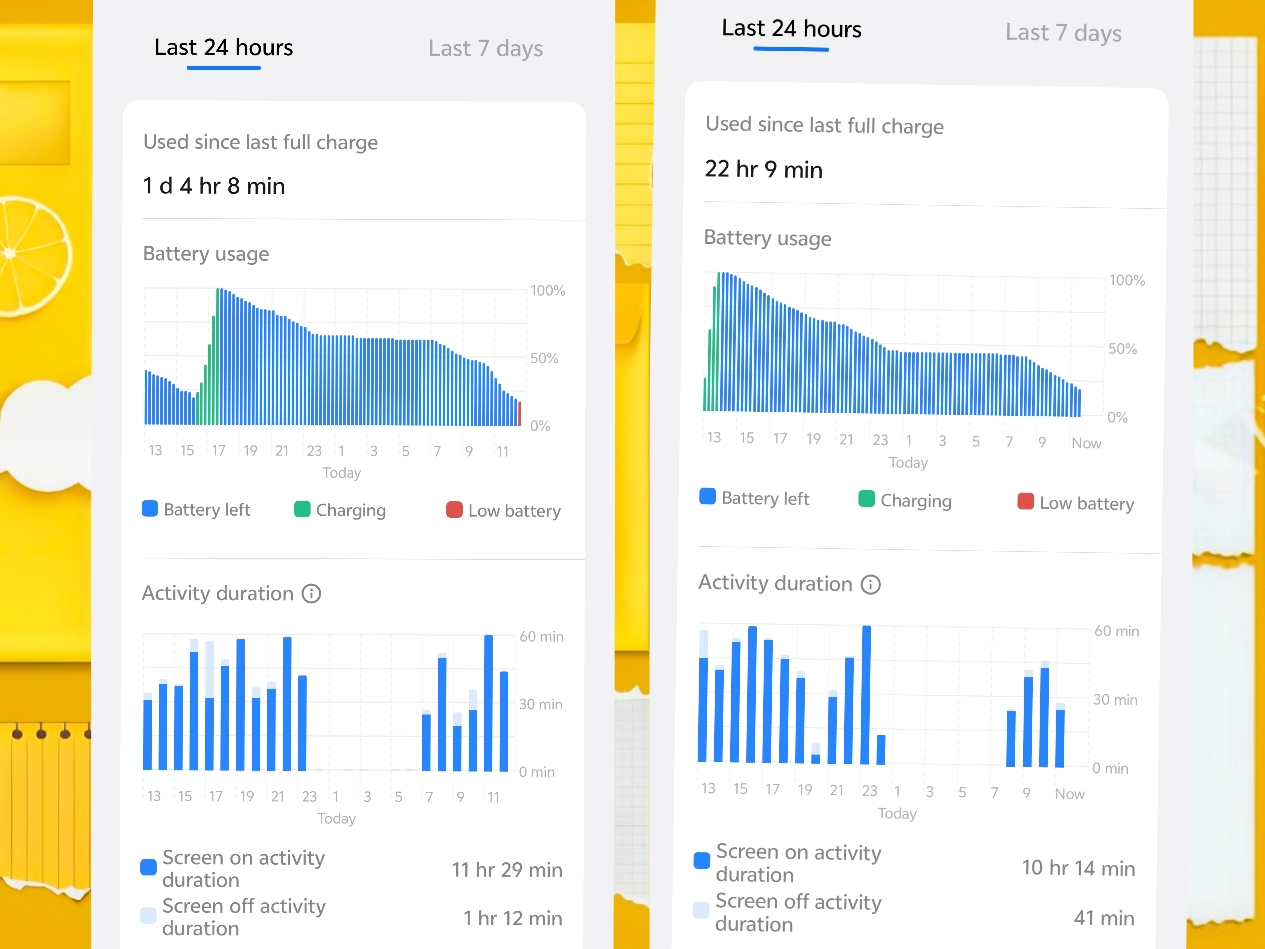
OriginOS also plays a big role here.
Compared to the Funtouch OS experience I had on the iQOO 13, battery management feels more refined and efficient on the iQOO 15.For heavy users, this is a clear win.
RAM Management & Storage
The upgrade from UFS 4.0 to UFS 4.1 brings slightly faster read/write speeds.
iQOO 13 comes with LPDDR5X
And the iQOO 15 comes with LPDDR5X ultra so the App launches, background app handling, and multitasking feel smoother not a massive jump, but definitely noticeable over time.
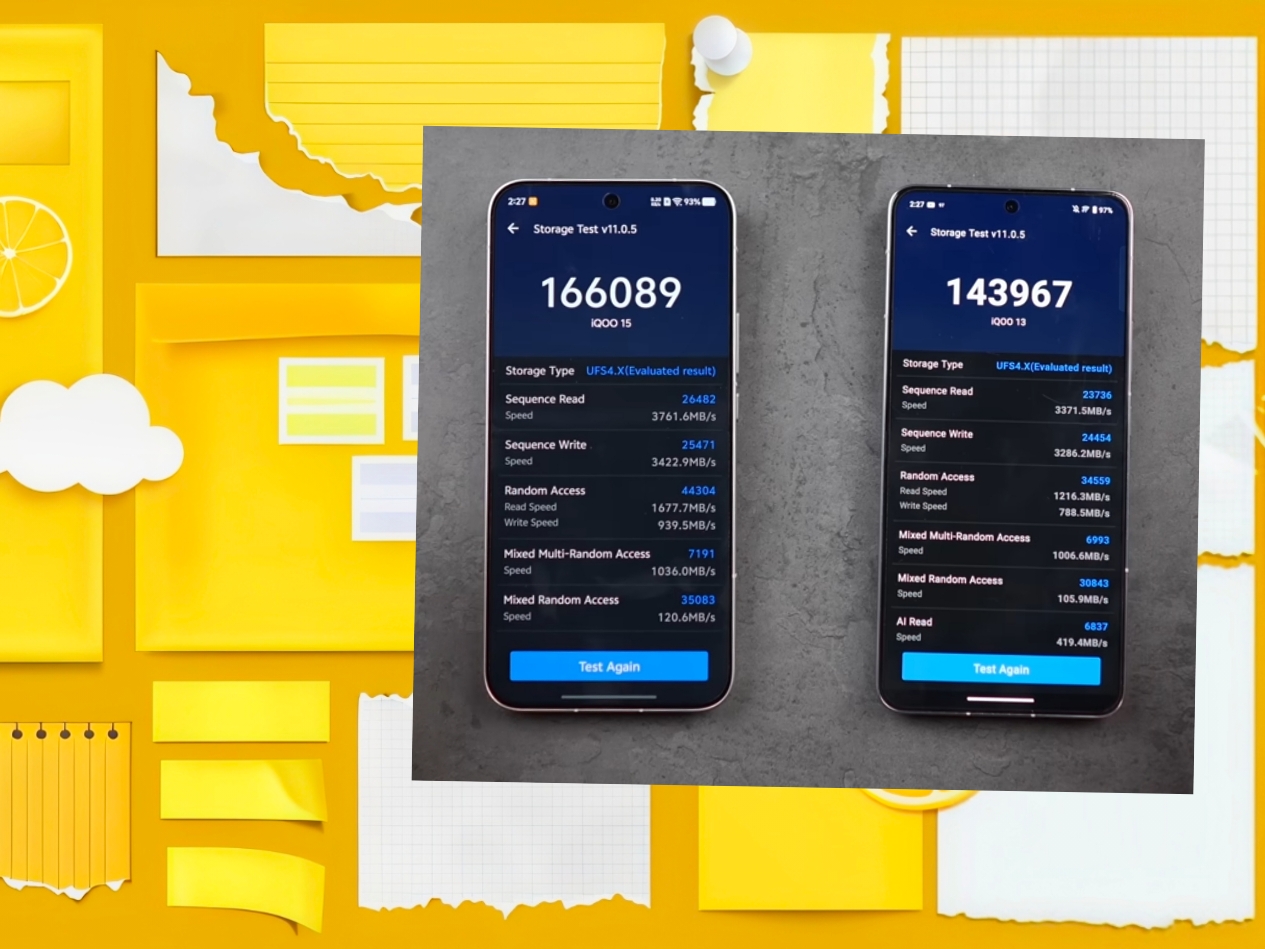
For long-term usage and power users, this is a solid improvement.
Charging
The iQOO 15 adds 40W wireless charging, a feature completely missing on the iQOO 13.It also supports reverse wireless charging, which has been extremely useful outdoors for charging my earbuds or smartwatch when needed.
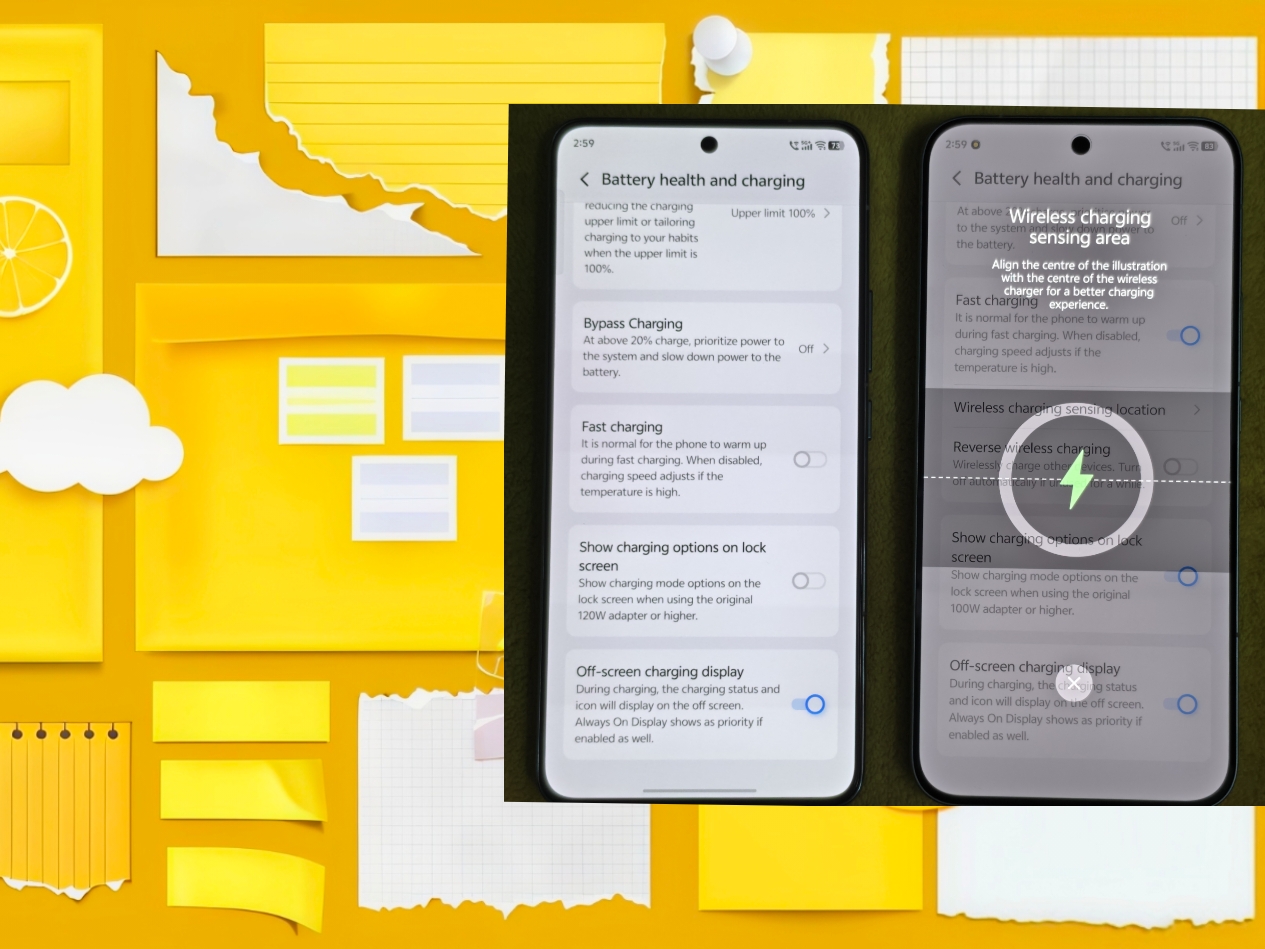
This addition makes the iQOO 15 feel like a more complete flagship.
Software
Both devices currently run OriginOS 6, but the iQOO 15 clearly offers more.
Key differences:
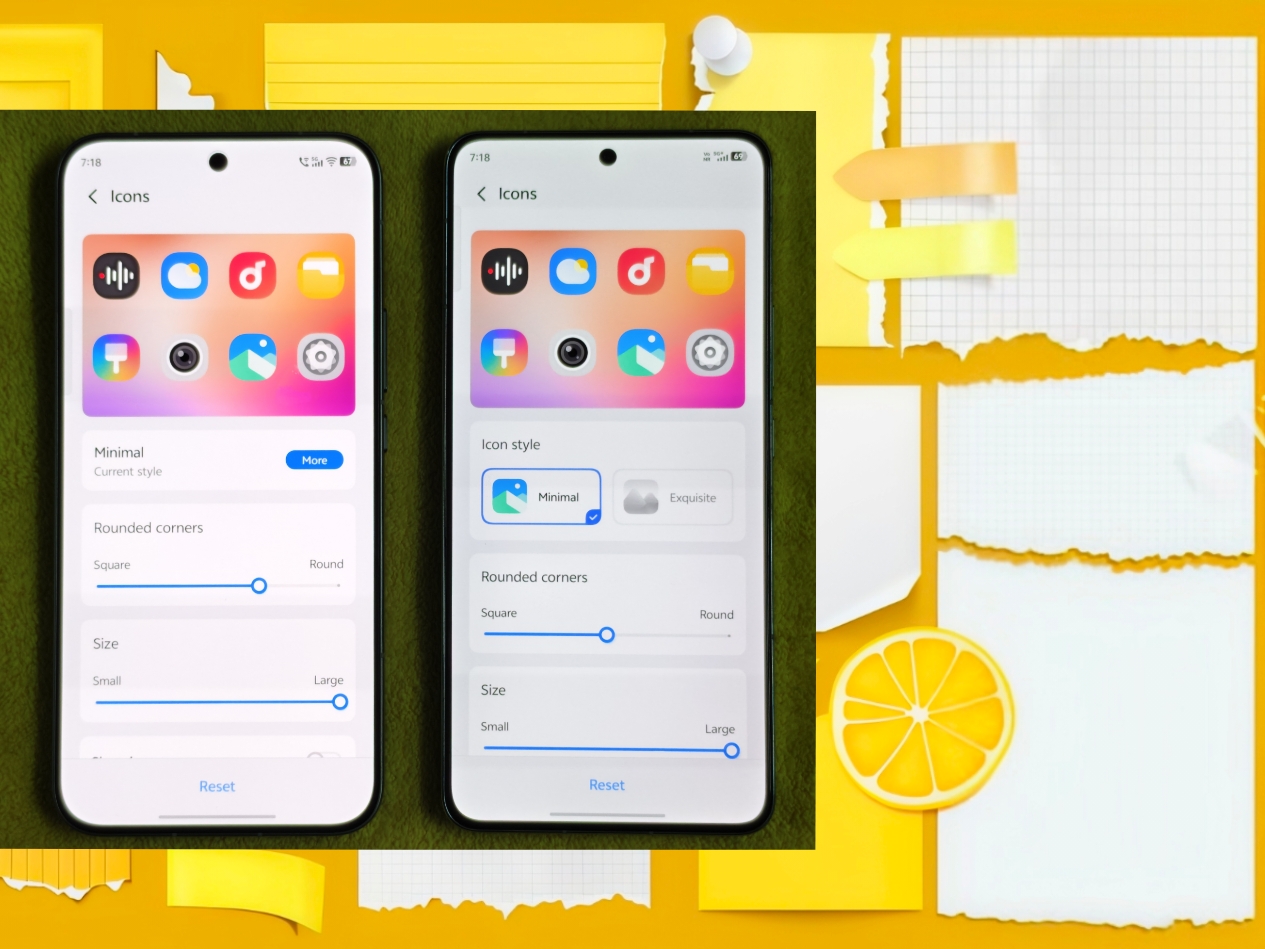
Full-screen AOD (not yet available on iQOO 13)
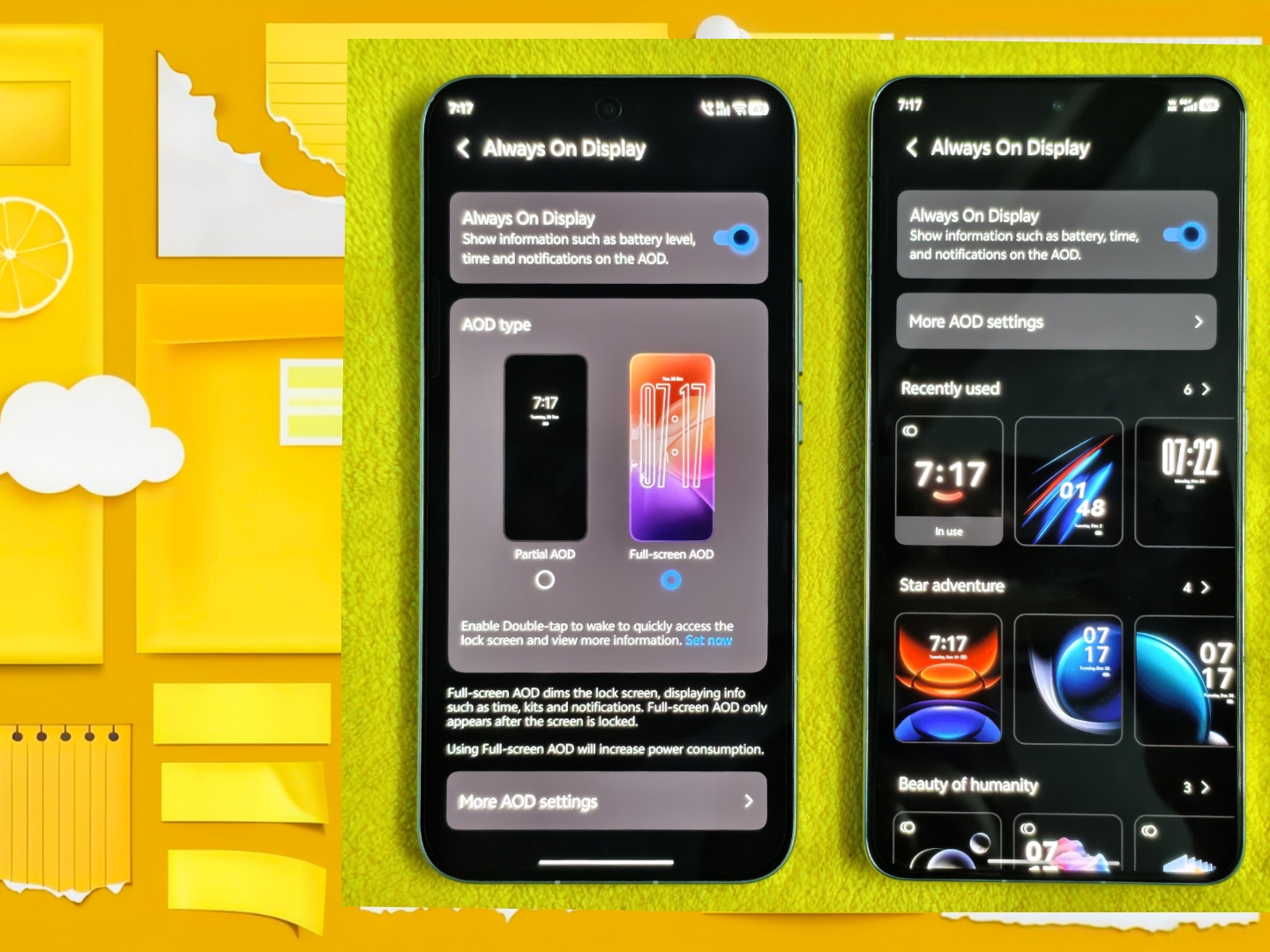
New Icon Pack
Better UI refinement and stability
More AI features, including AI photo effects like winter, summer, autumn, and spring modes.
Update policy also matters:
iQOO 13: 4 years of Android updates + 5 years of security updates
iQOO 15: 5 years of Android updates + 7 years of security updates
For long-term users, this makes a big
difference.
Final Verdict
The iQOO 13 is still a solid device, but the iQOO 15 feels like a well-rounded, future-ready flagship.
From display and design to camera, battery, cooling, software longevity, and charging features, the improvements add up meaningfully.
If you’re someone who values long-term usage, heavy performance, better thermals, and refined software, the iQOO 15 is absolutely worth the upgrade.

Would love to hear your thoughts, Questers. Let’s discuss 👊
Note:
All the observations shared above are based on my personal experience using the iQOO 13 and the iQOO 15. I did notice certain differences during my usage; however, individual experiences may vary. This post reflects only my personal opinion, feedback, and suggestions.
I hope you all enjoyed my comparison between iQOO 15 and iQOO 13.
Now, let’s start the discussion — which feature of the iQOO 15 impressed you the most? Drop your thoughts in the comments below.
And with this, I wrap up my final thread of 2025.
See you all in 2026 with fresh threads, new discussions, and more exciting conversations. Wishing everyone in our community a happy and prosperous New Year 2026. Truly excited for what’s ahead!
See you all next year...
Untill then Signing off
iQOO Ranger
Official Community
Please sign in
Login and share