



























Thread: 23 Drones Detect Deadly Virus in Arctic Whales: A Tech Breakthrough 🐋🛸

Hey iQOO Fam! 👋
How's all doing hope you are doing well and questing like a super quester ...
Every day, I’ll be sharing 3–4 threads—from thoughts and discussions to fun and community vibes 🚀
This is Day 1, the first step of a year-long journey where I’ll be sharing something new every single day.
Let’s kick off this challenge with fresh energy, positive vibes, and strong community spirit.
Day 7 :- 3/3

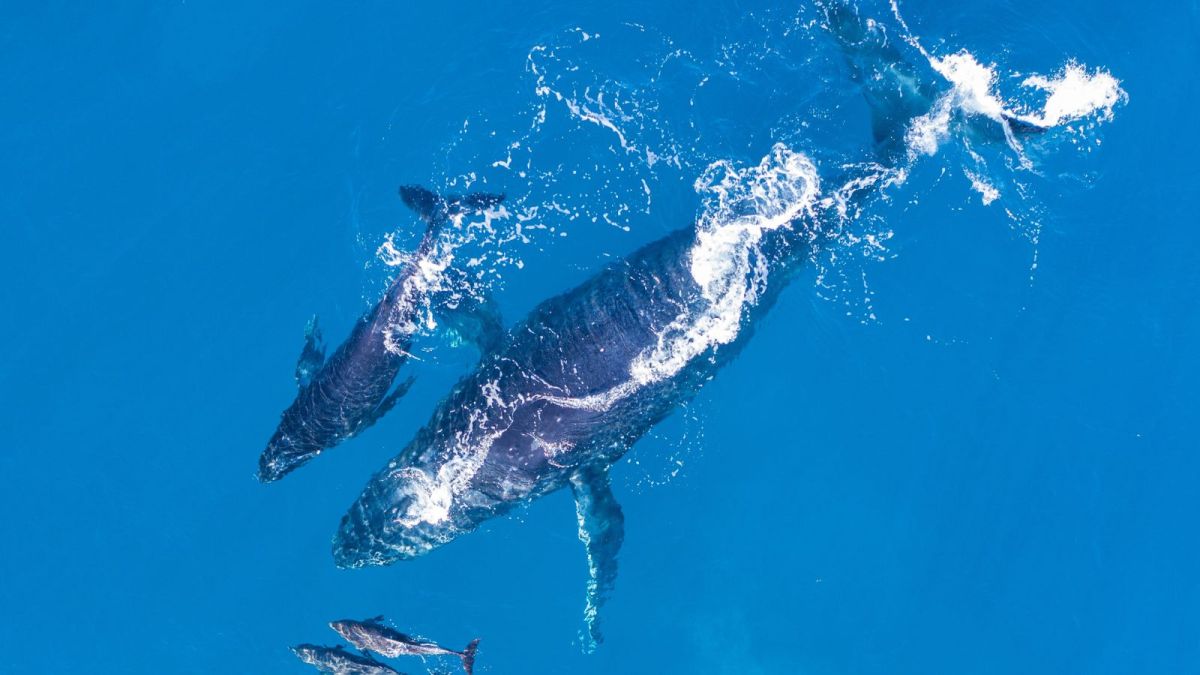
Check out how technology is literally saving the giants of our oceans! Scientists are now using high-tech drones to perform "medical checkups" on whales in the freezing Arctic, leading to some massive discoveries.
The Challenge 🌊 :-
Studying wild whales in the Arctic is incredibly hard. Usually, scientists have to get close in boats and use dart guns for skin biopsies—which is stressful and invasive for these majestic creatures.
Enter the "Snot-Bots" 🌬️ :-
Researchers from Nord University and King’s College London used drones equipped with Petri dishes. They flew these drones directly into the "blow" (the exhaled mist) from whale blowholes to collect samples without even touching the animals!
A Startling Discovery 🦠 :-
For the first time, this tech detected Cetacean Morbillivirus in the Arctic. This is a highly contagious, measles-like virus linked to mass strandings and deaths of whales and dolphins worldwide.
Why This Matters ??
By "reading the breath" of these giants, drones are giving us a non-invasive way to monitor ocean health in real-time. It’s a perfect example of how aerial tech is becoming our best tool to protect wildlife and predict ecological disasters before they happen!
Source :-
Theindianexpress

Please sign in
Login and share