




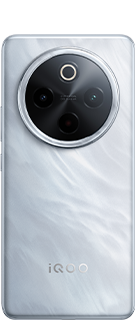
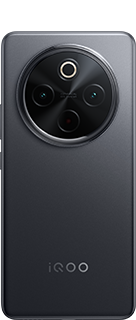
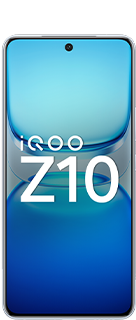
The Evolution of Smartphone Screens: A Visual Journey

Hello Questers!
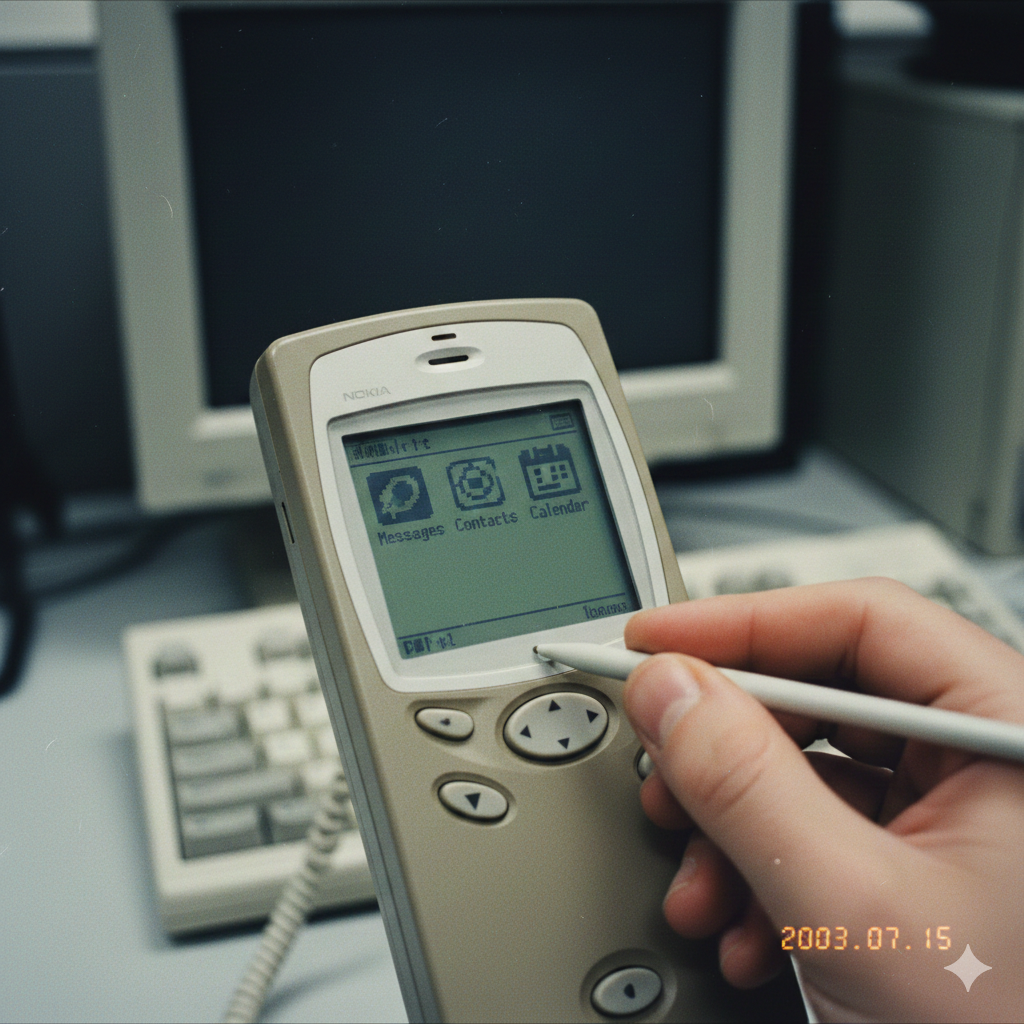
The smartphone has become an indispensable part of modern life, and at the heart of our interaction with these devices is the screen. From humble beginnings to the vibrant, high-definition displays we see today, smartphone screens have undergone a remarkable transformation. Let's take a visual journey through their evolution.
Early Days: Monochrome and Resistive Touch
In the nascent stages of smartphones, screens were a far cry from what we're used to. Early devices often featured monochrome or limited-color displays, primarily focused on displaying text and basic icons. The touch technology was predominantly resistive, requiring a bit more pressure and often a stylus to register input. Think of the Palm Pilots or early Nokia communicators.
The Dawn of Capacitive Touch and Color
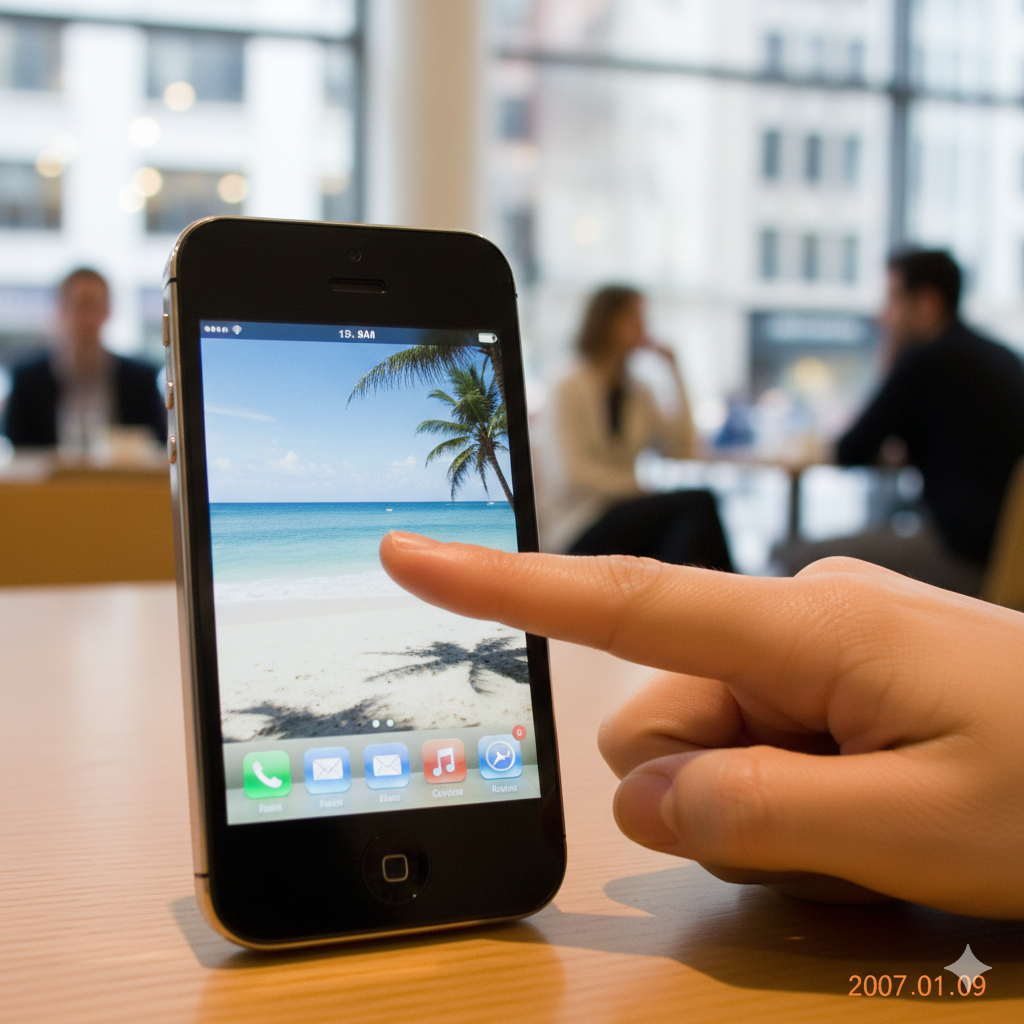
A major leap forward came with the introduction of capacitive touchscreens, popularized by the original iPhone in 2007. This technology allowed for multi-touch gestures and a much more fluid, responsive user experience, eliminating the need for a stylus for most interactions. Simultaneously, color displays became standard, offering a richer visual experience. Resolution and pixel density also began their steady climb.
Retina Displays and Beyond: Sharper Than Ever
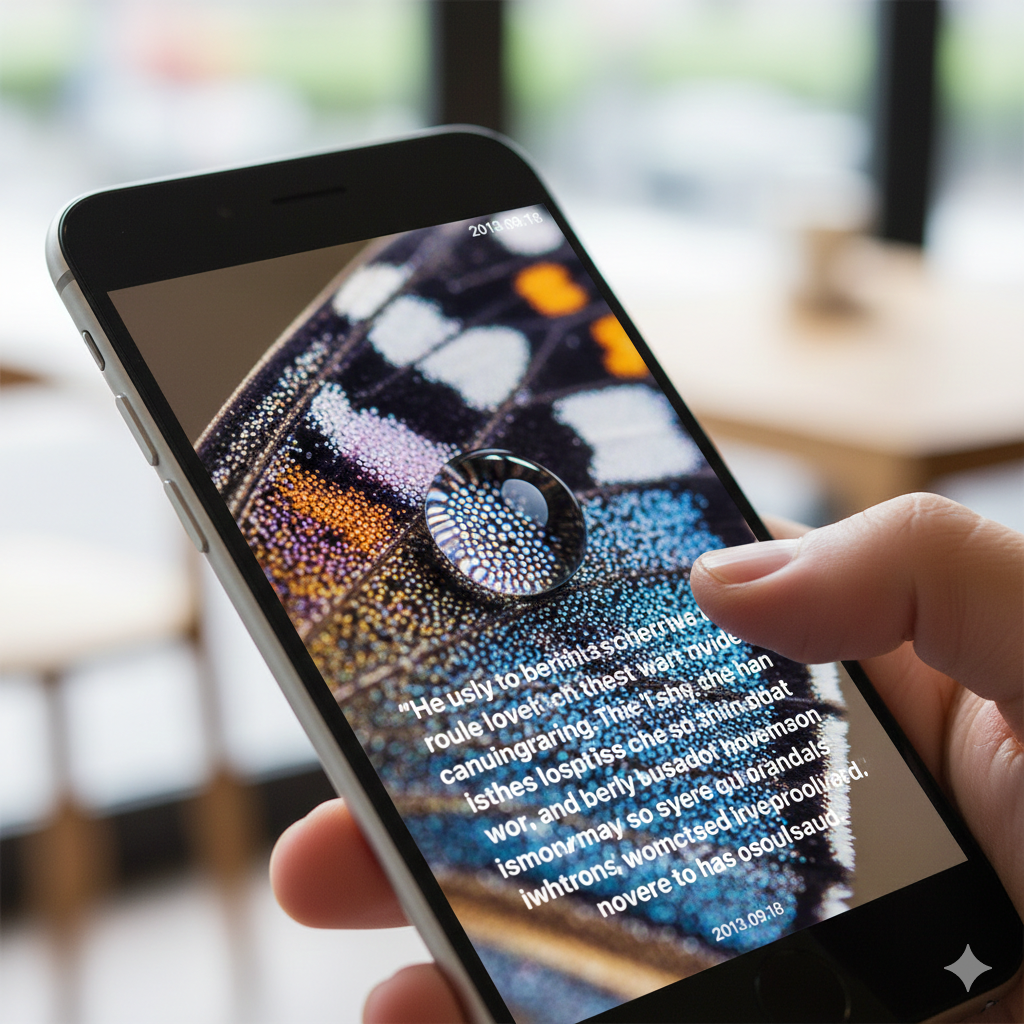
As technology progressed, manufacturers started pushing for even higher pixel densities, leading to the "Retina Display" era. This term, coined by Apple, referred to screens where individual pixels were indistinguishable to the human eye at a typical viewing distance. This resulted in incredibly sharp text and images, making for a much more immersive experience. Resolutions moved from HVGA and VGA to HD, Full HD, and then Quad HD.
OLED and AMOLED: Vibrant Colors and Deep Blacks
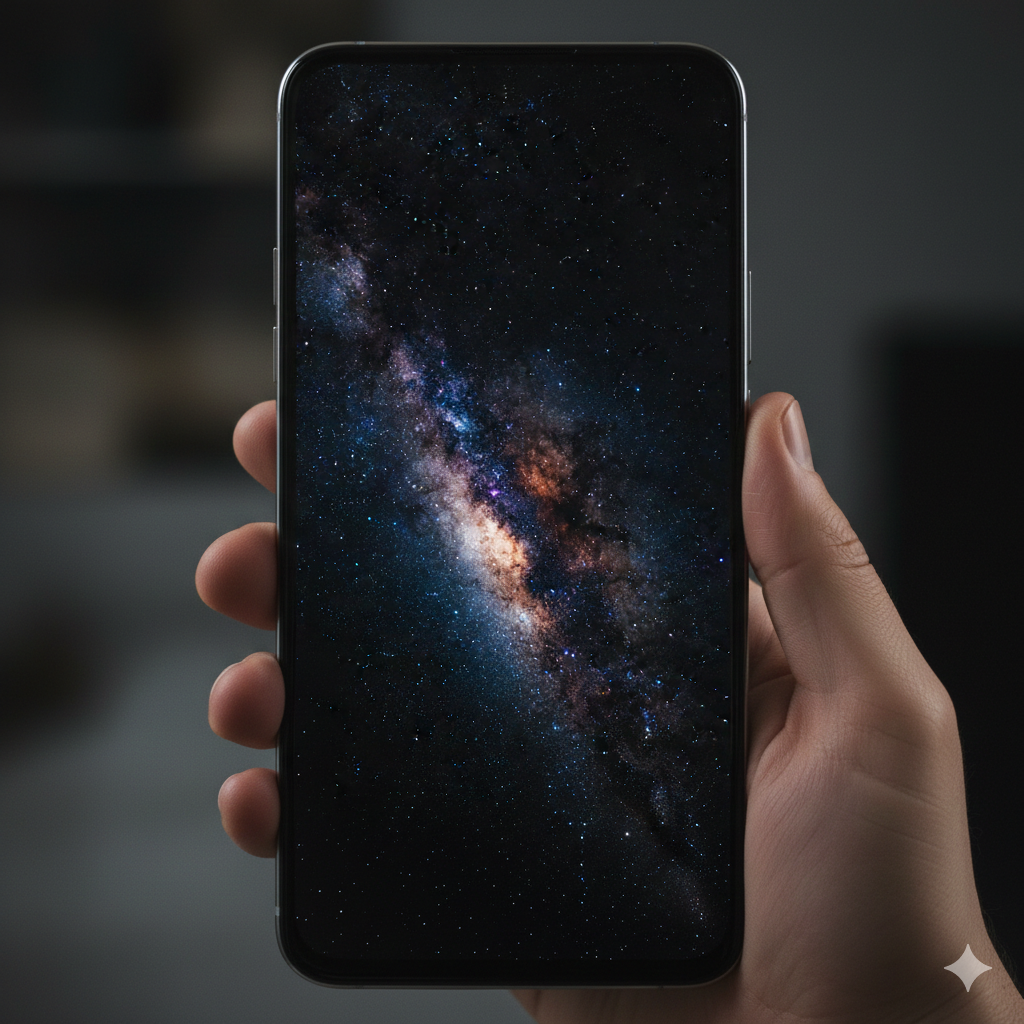
While LCD (Liquid Crystal Display) dominated for many years, OLED (Organic Light-Emitting Diode) technology began to gain traction, particularly with Samsung's AMOLED displays. OLED screens offer superior contrast ratios, true blacks (because individual pixels can be turned off completely), and more vibrant colors. This technology also allows for thinner and more flexible displays.
Please sign in
Login and share