




























Lotus Biscoff Imported VS locally made

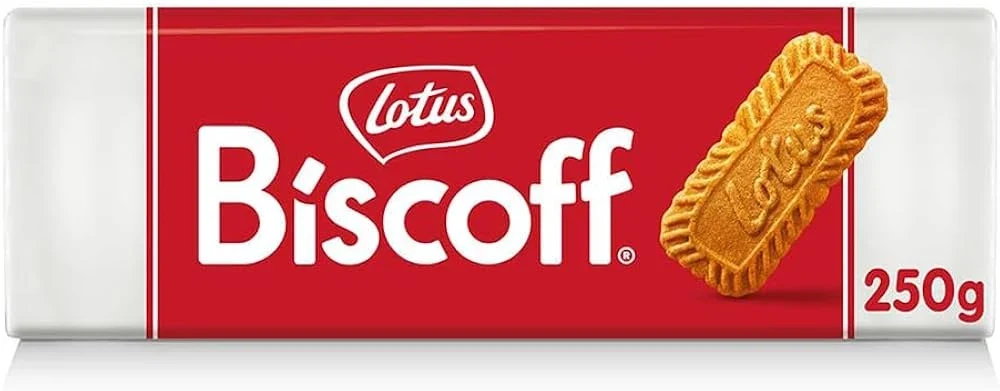
Through a collaboration with Mondelez India, Lotus Biscoff changed from being a pricey imported luxury to a mass-market snack produced domestically in India in late 2025. Customers are debating "quality vs. accessibility" as a result of this change.
Important Distinctions
- Price and Availability: The Indian version, made in Rajasthan, is quite affordable, starting at about ₹10 for a little pack, but imported packs (250g) normally cost between ₹270 and ₹300.
- Ingredients: Both utilize palm oil, however the Indian version uses refined wheat flour (maida), whereas the Belgian original uses wheat flour (atta). The paler color of the Indian version, according to critics, suggests less caramelization.
- Taste and Texture: The Indian version is described by fans of the original as "airy and crumbly," frequently drawing comparisons to a generic glucose biscuit. The foreign variety is commended for its robust crunch, richer cinnamon flavors, and resilience when dipped in coffee.
MY OPINION
Note the following below points are my points and should be taken with a pinch of salt if anyone is offended .❗❗❕❕❕❕❗❗❗❗
After trying both varieties, I thought the imported one—which I used to buy back home in Abu Dhabi, United Arab Emirates—was thicker, more tasty, and had a caramel flavor.
The locally produced one in India was more sweet, dry, and like a high-end take on Parle-G biscuits with maida as the basis.
Because they are comparatively healthier than those created and marketed in India, I would thus favor those sold in the United Arab Emirates.
Hope you all found this article informative .
Ai was used to rephrase sentences

Please sign in
Login and share