













About Sony IMX Sensor

Sony IMX products are a widely used series of high-performance CMOS image sensors. These sensors are integral to a vast array of devices, from consumer electronics like smartphones and digital cameras to specialized industrial and medical equipment.
Key Technologies
Sony IMX sensors incorporate several proprietary technologies that contribute to their high image quality and performance:
Exmor Technology
This technology converts the analog signal to a digital one directly at the pixel level, which significantly reduces noise and enables higher frame rates.
Global Shutter
Unlike rolling shutters which can cause distortion with moving objects, many IMX sensors feature a global shutter that exposes and reads out all pixels simultaneously, capturing clear, distortion-free images of fast-moving subjects.
Back-Illuminated (BSI) Structure
Used in technologies like STARVIS, this design places the wiring beneath the photodiodes, allowing for a larger light-sensitive area in each pixel. This results in outstanding low-light performance and high sensitivity.
Stacked CMOS
This structure involves stacking the pixel chip and logic chip, allowing for additional functionalities like on-chip image processing and AI capabilities (as seen in the IMX500 intelligent sensor).
Pregius S
The fourth generation of IMX sensors, combining global shutter technology with the benefits of BSI for even higher resolution and performance in a compact size.
Applications
The versatility and advanced features of Sony IMX sensors make them suitable for diverse applications:
Consumer Electronics
Powering cameras in smartphones, digital cameras, and drones, delivering high-resolution, vibrant images and videos.
Industrial Imaging & Robotics
Used in machine vision, quality control, and robotics due to their precision, high dynamic range (HDR), and ability to capture fast-moving objects without distortion.
Surveillance Systems
Their exceptional low-light sensitivity (STARVIS technology) makes them a primary choice for security and surveillance cameras, providing clear images even in dark environments.
Automotive Cameras
Integrated into advanced driver assistance systems (ADAS) for features like parking assistance and collision avoidance, enhancing overall vehicle safety.
Medical Imaging
high image quality and sensitivity are leveraged in medical equipment like endoscopes and X-ray machines to aid in accurate diagnosis.
Edge AI & Sensing
The IMX500 intelligent vision sensor performs image processing and AI analysis directly on the chip, outputting metadata instead of full images to reduce bandwidth and address privacy concerns in retail or industrial IoT applications.
latest Sony IMX Sensor
Sony's most recent IMX sensors include the high-resolution IMX927 series for industrial use and the IMX06A designed for next-generation flagship smartphones.
IMX927 Series
Announced in late 2025, this series covers a resolution range from 12 MP to a massive 105.51 MP (IMX937 model). Key features include:
Global Shutter
Captures images of fast-moving objects without distortion.
High Frame Rate
Achieves up to 100 frames per second at full resolution.
High-Speed Transfer
Supports data transfer speeds up to 100 Gbps, enabling faster inspection times in factory automation.
IMX928 & IMX929
These sensors, released in January 2026, offer high resolutions of approximately 68.5 MP and 50.8 MP respectively, in compact, square formats. They are designed for applications requiring extremely high speeds, with the IMX929 reaching up to 136 fps at 12-bit output.
IMX828
Introduced in October 2025, this is the first 8 MP automotive sensor to feature a built-in MIPI A-PHY interface, simplifying the design and reducing the size of camera systems in vehicles.
Latest Consumer & Photography Sensors
Sony also continues to develop new sensors for consumer devices, with a shift in branding to the LYTIA series for smartphones, although internal IMX model numbers are still used.
IMX06A (LYT900)
This 50.3 MP stacked BSI CMOS sensor was announced in early February 2026 for next-generation flagship smartphones. It focuses on:
Large Format
Features a near 1-inch optical format for excellent light-gathering capabilities.
High Dynamic Range (HDR)
Designed with sensor-level HDR logic and up to 17 stops of dynamic range, ideal for challenging lighting conditions and high-quality video recording.
8K Video Support
Capable of 8K video output and various high-speed binning modes for improved low-light performance.
247 MP Medium Format Sensor (IMX811 AQR)
While primarily classified for industrial use, this ultra-high-resolution sensor for medium format cameras (with a 64.84 mm diagonal) has generated significant interest in the high-end photography community. It delivers 16-bit images at over 5 frames per second.
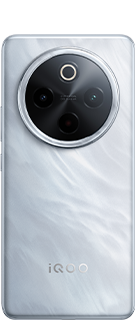
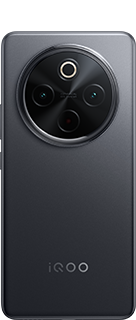
Flagship Series (iQOO 15 & iQOO 13)
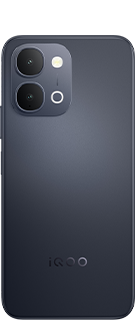
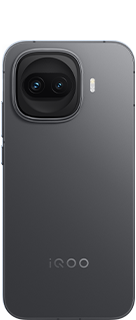
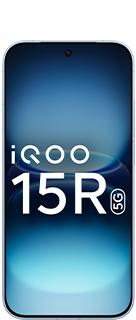
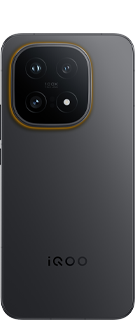
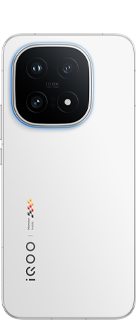
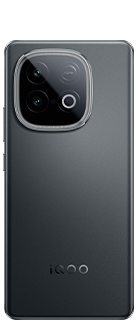
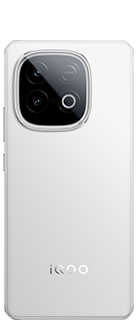
The latest iQOO smartphones use high-performance Sony IMX sensors, with the flagship models featuring the Sony IMX921 VCS True Color Camera and the mid-range devices using the Sony IMX882 OIS Camera.
iQOO 15 Series
The main camera features a 50MP
Sony IMX921 VCS True Color Camera. This sensor is praised for its ability to produce lifelike tones and clarity in various lighting conditions. The iQOO 15 also includes a 50MP Sony IMX882 3x periscope telephoto lens as part of its triple-camera setup.
iQOO 13
This model also uses the same 50MP
Sony IMX921 primary sensor with OIS and a 50MP ultrawide lens.
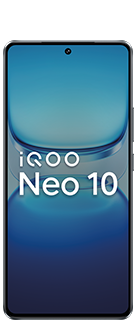
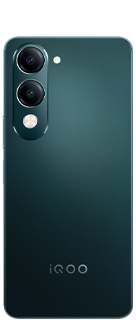
Neo Series
The Neo series incorporates a slightly different, highly capable Sony sensor in its main camera.
This phone features a flagship-level 50MP
Sony IMX920 Night Vision camera with OIS. This specific sensor is the same one used in the main camera of the premium Vivo X100 model, offering excellent low-light performance.
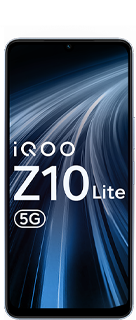
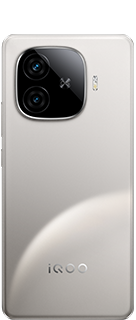
Z Series
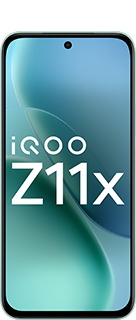
These models utilize the 50MP Sony IMX882 OIS camera as their main sensor. This sensor is a key selling point for these phones, offering 4K video recording with optical image stabilization and clear, bright night shots.
Please sign in
Login and share