


























Nintendo is Cracking Down on More Switch Emulators

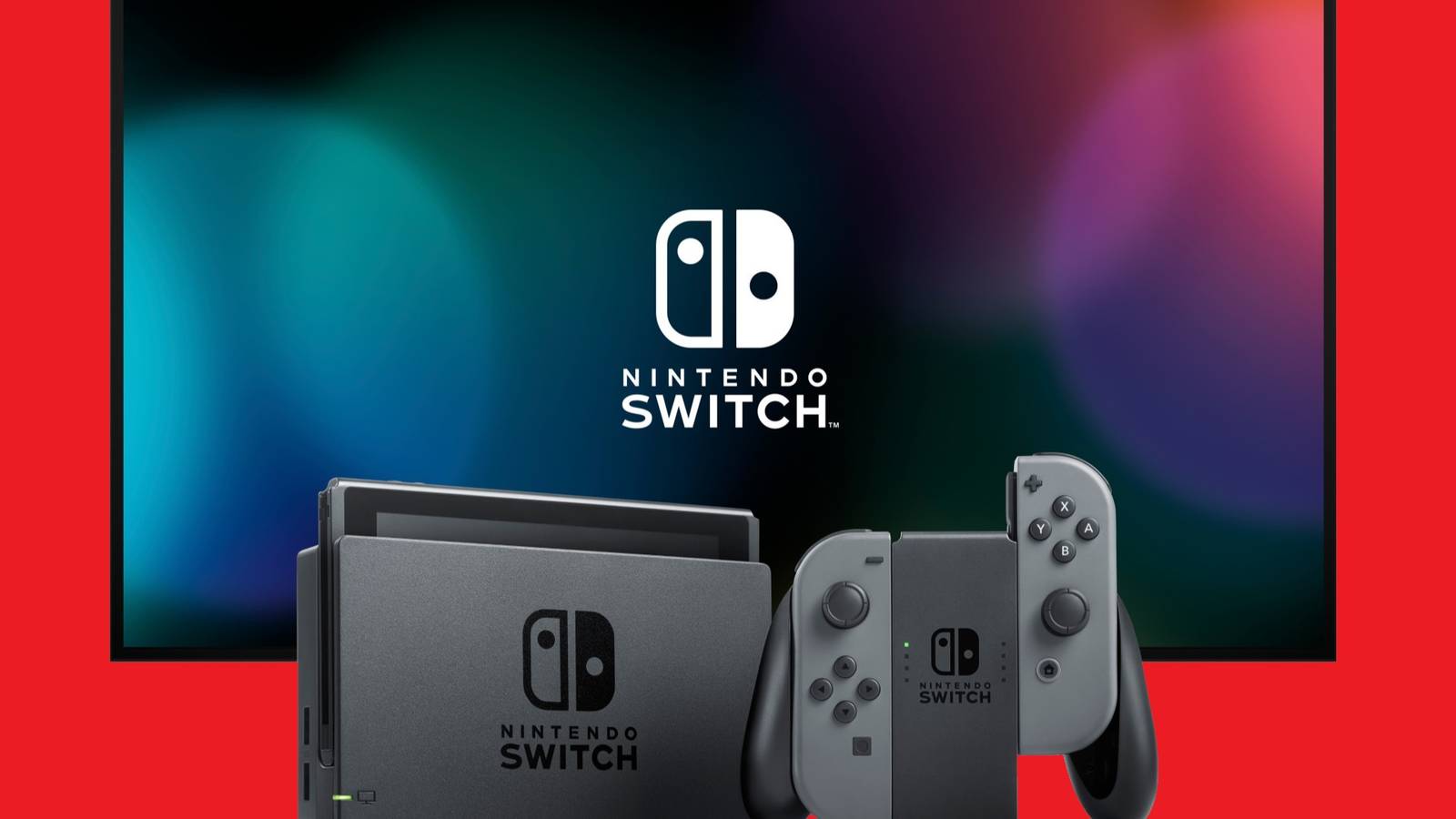
Nintendo flexed its legal muscle once more, as the company issued takedown notices to several Switch emulator repositories hosted on GitHub. Though the emulation crackdown by Nintendo remained an ongoing matter, users discussed what the ramifications could be for emulation enthusiasts moving forward.
Nintendo Issues DMCA Takedown Notices to Switch Emulator Repositories
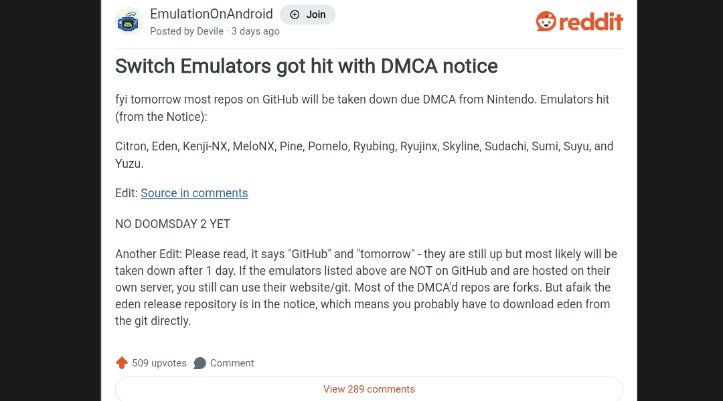
Although emulators are considered legal, that has not stopped Nintendo from citing piracy as a way to crack down on them. According to a post on the Emulation on Android subreddit, the GitHub repositories for several Nintendo Switch emulators, including Citron, Eden, and Kenji-X, received takedown notices filed under the US Digital Millennium Copyright Act (DMCA). The takedown notice stated that any GitHub repositories that did not comply with Nintendo's claim would be disabled entirely.
The emulators that were served a takedown notice had only one day to comply with Nintendo's request. However, Nintendo's latest DMCA notices were limited to what was hosted on GitHub.
In short, any Switch emulators currently hosted on a separate server or repository site were not affected by Nintendo's latest legal filing. In response to doubts and concerns raised by users, some emulator developers confirmed that the DMCA takedown notices from Nintendo and GitHub were legitimate. Switch emulator users were encouraged to make backups of what they downloaded.
This is not the first time that Nintendo has gone after Switch emulators via legal action. In 2024, Nintendo settled a lawsuit with Tropic Haze, the creators of the Yuzu emulator. Nintendo stated that Yuzu's popularity as a Switch emulator had affected sales of The Legend of Zelda: Tears of the Kingdom during the game's 2023 launch. Nintendo settled with Tropic Haze for $2.4 million, and Yuzu ceased development as part of its agreement with Nintendo. Yuzu also handed over control of all its websites to Nintendo, though the emulator developers stated that they were against piracy from the start.
Nintendo's Anti-Piracy Campaign Remains an Ongoing Struggle
The latest effort from Nintendo to protect its IP is just part of the ongoing campaign against piracy in video games and mass media. In July 2025, one of the largest Switch piracy websites was seized by the Federal Bureau of Investigation (FBI). Known as NSw2u, the piracy site was taken down as part of a joint operation between the FBI and the Fiscal Intelligence and Investigation Service (FIOD) of the Netherlands. Given that pirated Switch ROMs were hosted by NSw2u, the takedown was one of Nintendo's largest moves in combating piracy across the world. The takedown happened just one month after the launch of the Nintendo Switch 2 console, which saw a successful worldwide release on June 6, 2025.
As part of its anti-piracy efforts, Nintendo released a 2025 policy update that stated the company could "brick" modified Switch and Switch 2 consoles it believed were being used illegitimately. Although this measure was seen as an excessive overreach by users, it has not had a widespread impact on Switch 2 console sales. Given that the Switch 2 is still a hot commodity, time will tell what else Nintendo will do in its ongoing campaigns to protect its IPs.

Please sign in
Login and share