





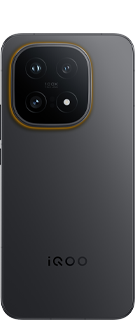
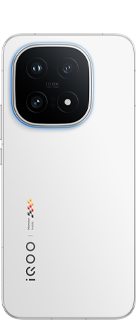
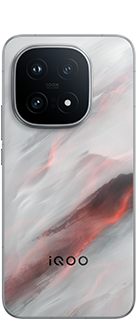

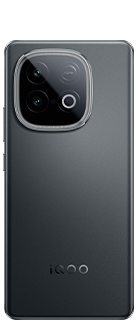

Why the iQOO 15R exists: Nipun Marya on pricing, performance, that “perfect fit'

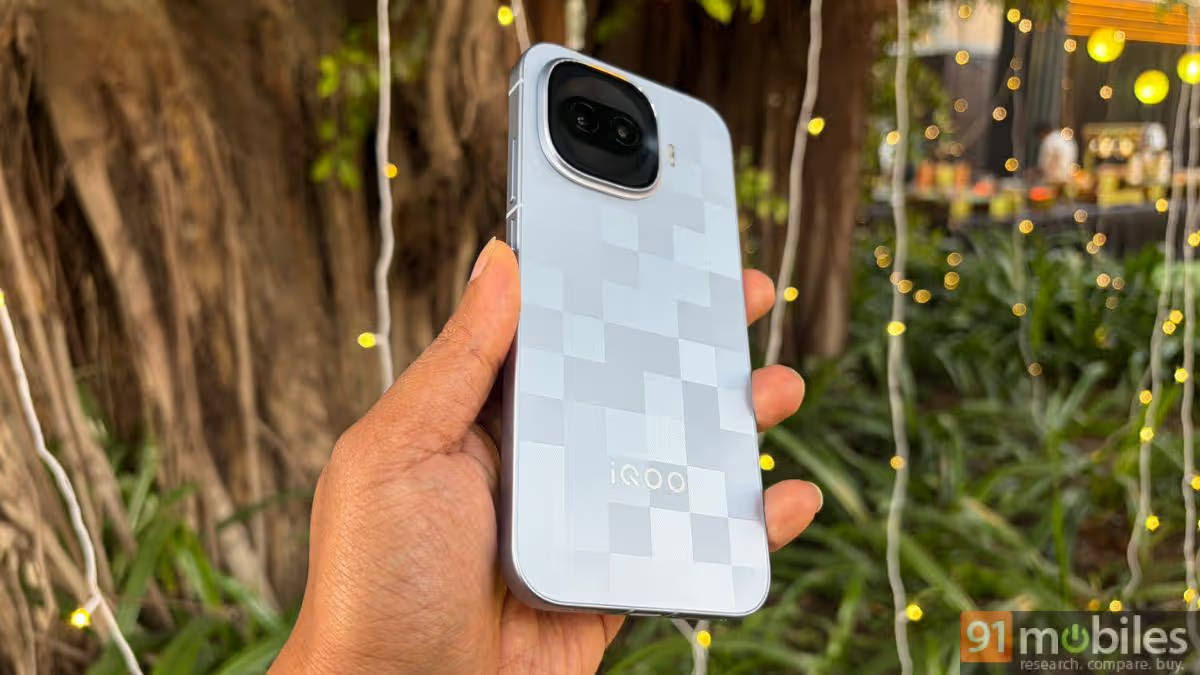
There’s a reason the iQOO 15R is launching now. Over the past year, flagship smartphone prices have risen, driven by higher chip and memory costs. What used to be a comfortable Rs 55,000–60,000 premium tier has stretched beyond that. For many buyers, Rs 50,000 has quietly become a psychological ceiling rather than a stepping stone.
In a recent conversation with 91mobiles, iQOO CEO Nipun Marya acknowledged that shift directly. “Earlier, we used to have our flagship somewhere between Rs 55,000 and Rs 60,000. The price laddering was totally fine,” he said. “But now, because flagship prices have gone much higher, there are so many consumers, especially young working professionals, who cannot and do not want to pay that kind of money, and still want to restrict themselves to Rs 50,000 and below.
“The iQOO 15R fits beautifully in that sub-Rs 50,000 segment, offering great performance with a great chipset,” he added.
The space between Neo and the flagship
For years, iQOO had a relatively clean structure. The Neo series handled the Rs 25,000–35,000 segment. Flagships occupied the higher tier. But as prices at the top moved further up, the gap between upper mid-range and true flagship widened. Marya was candid about why prices have risen. “It’s not out of choice that we are doing it. It’s out of extreme pressure.” Component costs, he suggested, have forced brands to rethink not just pricing but portfolio structure itself.
The 15R appears to be part of that rethink. It is aimed at buyers who still want high-end performance but are hesitant to follow flagships into their new territory. In that sense, it reflects a broader recalibration happening across the market.
On size and practicality
Another ongoing debate in the industry concerns size. Compact phones are back in the conversation, with some brands experimenting around the 6.3-inch mark, such as the OnePlus 13s and Vivo X200 FE. At the same time, large displays remain central to how people use their devices — for gaming, streaming, and endless scrolling.
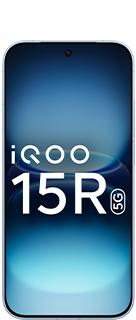
The iQOO 15R’s 6.59-inch display sits between those extremes.
“It shouldn’t be so small that if you want to consume content, play games, the size feels small,” Marya said. “That again will not be a good experience.” At the same time, the company is conscious of ergonomics. The phone is meant to be manageable during long commutes and daily use. This is precisely why the iQOO 15R has the tagline, “Flagship Power. Perfect Fit.”
Future decisions on more compact devices, he indicated, will depend on consumer response. “Difficult to predict” is how he described the road beyond this generation, especially in an industry that moves as quickly as smartphones.
The battery question
The most striking feature of the 15R is its 7,600mAh battery. On paper, that figure suggests trade-offs. Larger batteries often mean heavier phones. But that doesn’t seem to be the case. Yet Marya said the early reaction has been surprising. “People find it very hard to believe that this has a 7,600mAh battery,” he noted, referring to the phone’s dimensions and weight.
The device uses a silicon-carbon cell and supports 100W charging. The intended user, as described in our discussion, is a young professional who spends ten to twelve hours away from home, commuting and working, with the phone constantly in use. For that demographic, battery life is less about headline numbers and more about eliminating daily friction.
Performance without theatrics
The 15R runs on the Snapdragon 8 Gen 5 and includes a Q2 chip along with a network enhancement chip, paired with a 6.5K IceCore VC cooling system. Those specifications place it firmly in performance territory.
What stood out in conversation, however, was less emphasis on peak benchmark numbers and more on consistency. Stable frame rates, smoother sustained performance, and reliable thermals were recurring themes. For gamers, that stability matters. For others, it simply translates to a phone that does not slow down under load. The approach suggests a shift from spectacle to steadiness.
Cameras and the numbers debate
In a market where 200MP cameras are frequently used as headline features, the iQOO 15R opts for a 50MP primary sensor.
When asked about the so-called megapixel race, Marya was direct. “I don’t think there’s a megapixel war. Finally, we have to deliver results to the consumer.” He argued that buyers in this segment are increasingly informed. They understand pixel binning and sensor size, and they rely on reviews and word-of-mouth rather than numbers alone.
“Word-of-mouth will not spread because of a 200MP camera. The word-of-mouth will spread how good the picture is,” he said.
It’s a pragmatic stance in a market where initial marketing noise often fades quickly.
Software and longevity
The iQOO 15R will ship with OriginOS and a 4+6 update commitment: four Android version upgrades and six years of security updates. “You are buying the phone in 2026. You are covered till 2030… and security till 2032,” Marya said.
Longer software support has become increasingly relevant as device prices rise. Buyers spending close to Rs 50,000 expect their phone to last several years. Software policy now carries weight in purchase decisions, not just hardware.
A reflection of the market
The broader context is hard to ignore. Prices are rising across brands, not selectively. “This is the new normal,” Marya acknowledged, while also noting that it is still early in the year to determine how consumers will respond — whether they postpone upgrades, stretch budgets, or shift expectations.
Smartphones, however, are no longer occasional luxury purchases. They are central to work, entertainment, and communication. That reality tends to anchor demand even when prices climb.
The iQOO 15R seems to emerge from that intersection: higher flagship prices on one side, buyer restraint on the other.
Whether it resonates will depend less on its launch positioning and more on how it performs in daily use. But its existence tells a clear story. The market has shifted, and brands are adjusting accordingly.
Source: 91mobiles
For more information and updates, follow:
Quester
Please sign in
Login and share