




























Myth-Mystery | The Dyatlov Pass Incident

A frantic escape into the frozen dark, where logic went to die.
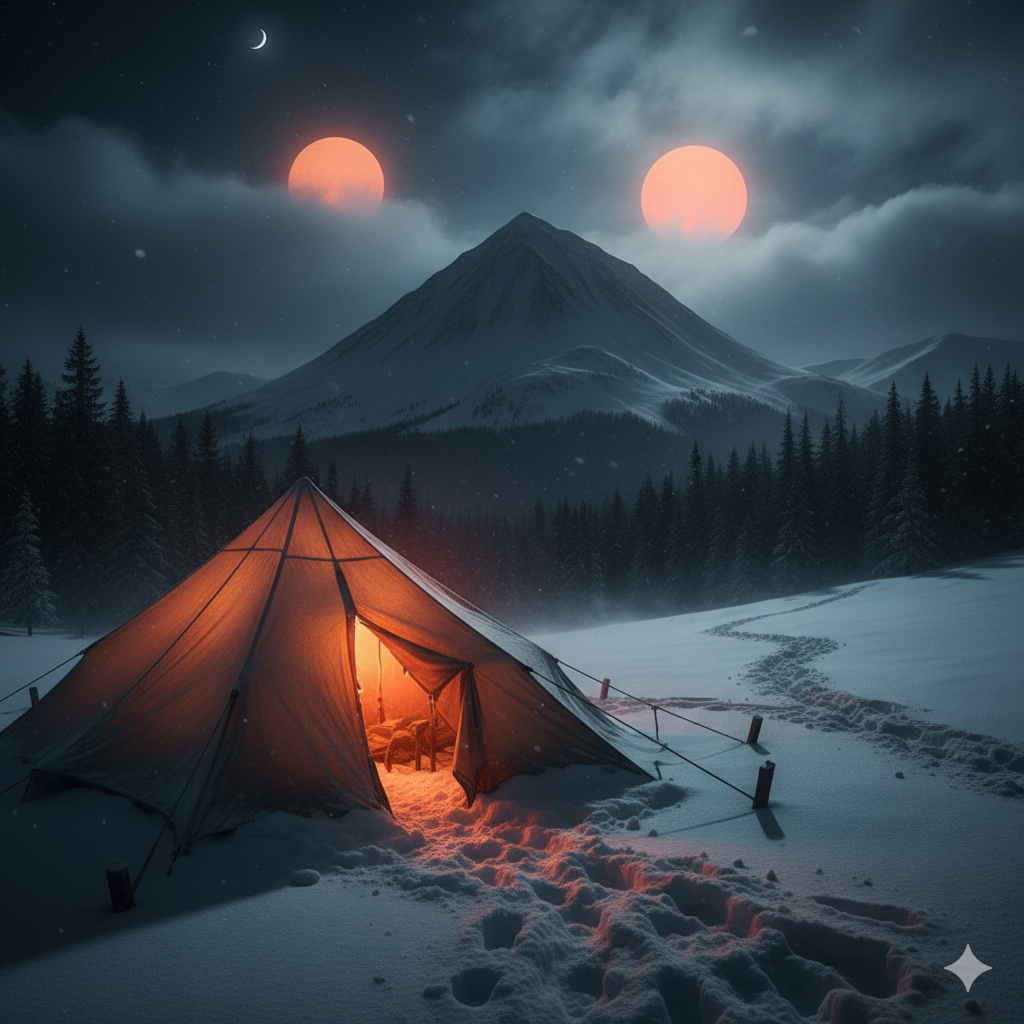
Imagine nine experienced hikers, well-prepared for the brutal Siberian winter, suddenly slicing their way out of their own tent from the inside. They flee into the sub-zero night, some barefoot, some in only their undergarments, heading toward a forest that offers no heat—only shadows. When their bodies were finally found, the injuries were so baffling they seemed more like the work of a monster or a machine than the elements. This is the Dyatlov Pass Incident.
Origin
In January 1959, a group of students from the Ural Polytechnical Institute, led by Igor Dyatlov, set out on a difficult trek through the Ural Mountains. They were veteran cross-country skiers, yet they never reached their destination. When a search party finally located their campsite on the slopes of "Kholat Syakhl" (translated by the local Mansi people as "Dead Mountain"), they found a scene that has haunted investigators for nearly seven decades.
Description
The tent was found collapsed and buried in snow, but it had been cut open with knives from the inside. Footprints showed the hikers walking—not running—down the slope toward a cedar tree. Five bodies were found near the tree or on the way back to the tent, dead of hypothermia. However, months later, the remaining four were found in a ravine with horrific internal injuries: major skull fractures and chest trauma comparable to a high-speed car crash, yet with no external bruises. Most disturbingly, two bodies were missing their eyes, and one was missing her tongue.
Mystery
What could possibly be terrifying enough to make seasoned hikers abandon their only source of shelter in -30°C weather without putting on boots? There were no signs of other people in the area, no animal tracks, and no evidence of an avalanche at the time. To add to the strangeness, Soviet investigators found that some of the hikers' clothing contained high levels of radiation, and other hiking groups in the area reported seeing "strange orange spheres" in the sky that same night.
The Theories
The search for a rational explanation has birthed some of the wildest theories in forensic history:
- The Infrasound "Wind": A specific wind pattern over the mountain could have created infrasound—a low-frequency noise that causes intense, uncontrollable panic and nausea in humans.
- Military Testing: Some believe the hikers accidentally wandered into a secret Soviet weapons testing range, explaining the "spheres" and the radiation.
- The "Slab" Avalanche: A 2021 study suggested a rare, delayed "slab" avalanche could have injured them in their sleep, forcing a desperate evacuation.
- The Menk: Local legends speak of the Menk—a Siberian version of the Yeti—known to be fiercely protective of "Dead Mountain."
Conclusion
While modern science leans toward a tragic combination of weather and a small avalanche, the Dyatlov Pass Incident remains a cultural phenomenon. It taps into our deepest fears of the wilderness—the idea that even the most prepared among us are at the mercy of forces we cannot see or understand. The mountain kept its silence in 1959, and today, it stands as a grim monument to a night where everything went wrong.
Keep questing, keep exploring! ✨🧭🔍🔥📖
With pride and excitement, @QuestR_Hasibul
Please sign in
Login and share