
























SuperComputing Chip Q2 in iQOO 15R: What It Does in Gaming🔥❤️

Hey Questers ❤️
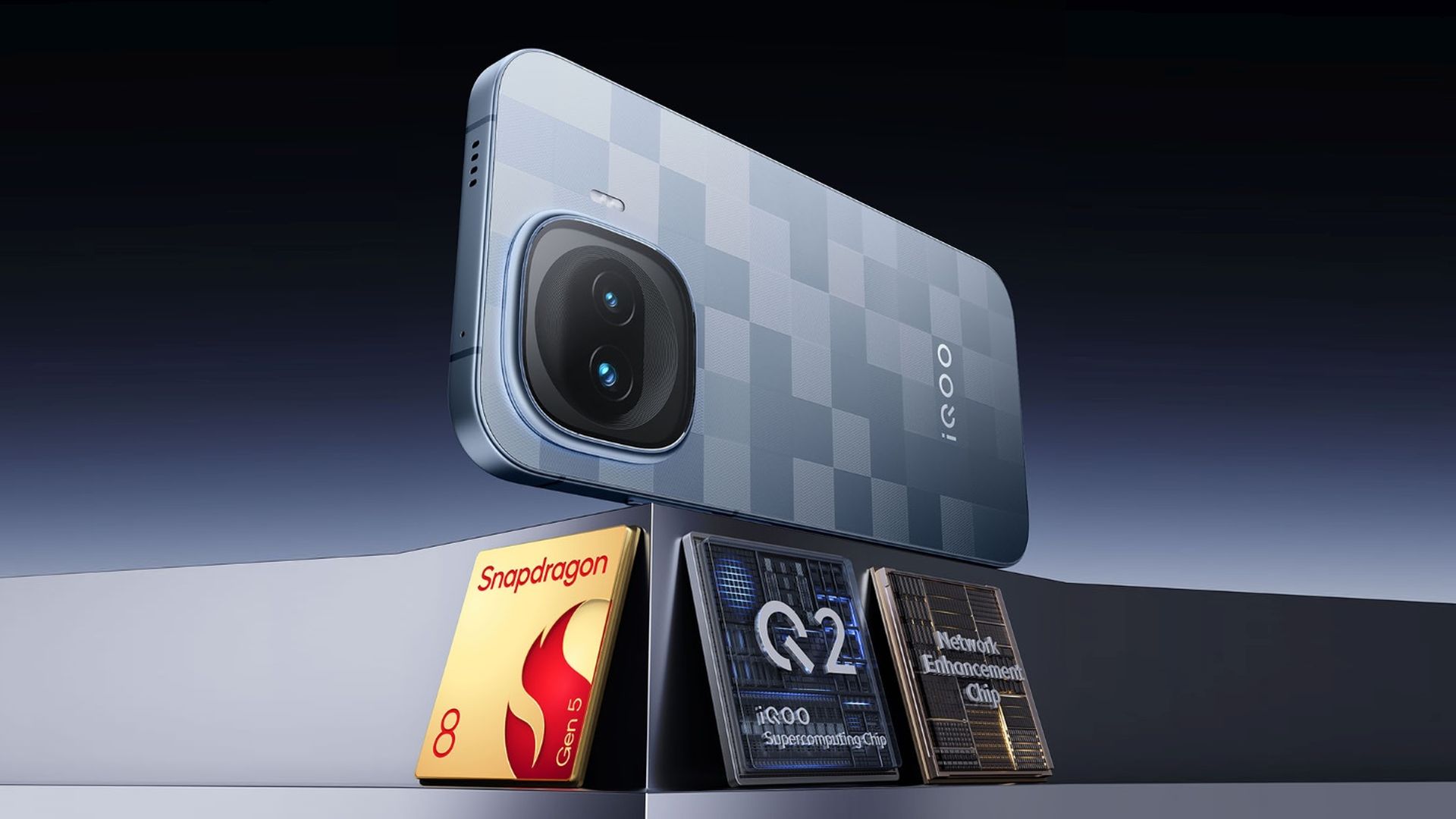
The Supercomputing Chip Q2 in the iQOO 15R is designed specifically to enhance mobile gaming performance beyond what a standard smartphone processor can achieve. Unlike traditional smartphones that rely only on the main chipset, the iQOO 15R uses a triple-chip architecture. This includes the primary processor Qualcomm Snapdragon 8 Gen 5 for core processing, the Q2 chip dedicated to graphics and gaming enhancement, and a separate network chip to stabilize online gameplay. This architecture allows the phone to distribute tasks more efficiently, improving performance during heavy gaming sessions.
One of the most noticeable benefits of the Q2 chip is ultra-smooth frame rates during gameplay. The chip enables certain games to run at up to 144 FPS, delivering a much smoother visual experience compared to the typical 60FPS or even 90FPS gameplay seen on many smartphones. Higher frame rates mean animations, character movements, and camera pans appear far more fluid, which is especially important in competitive games like shooters or racing titles.
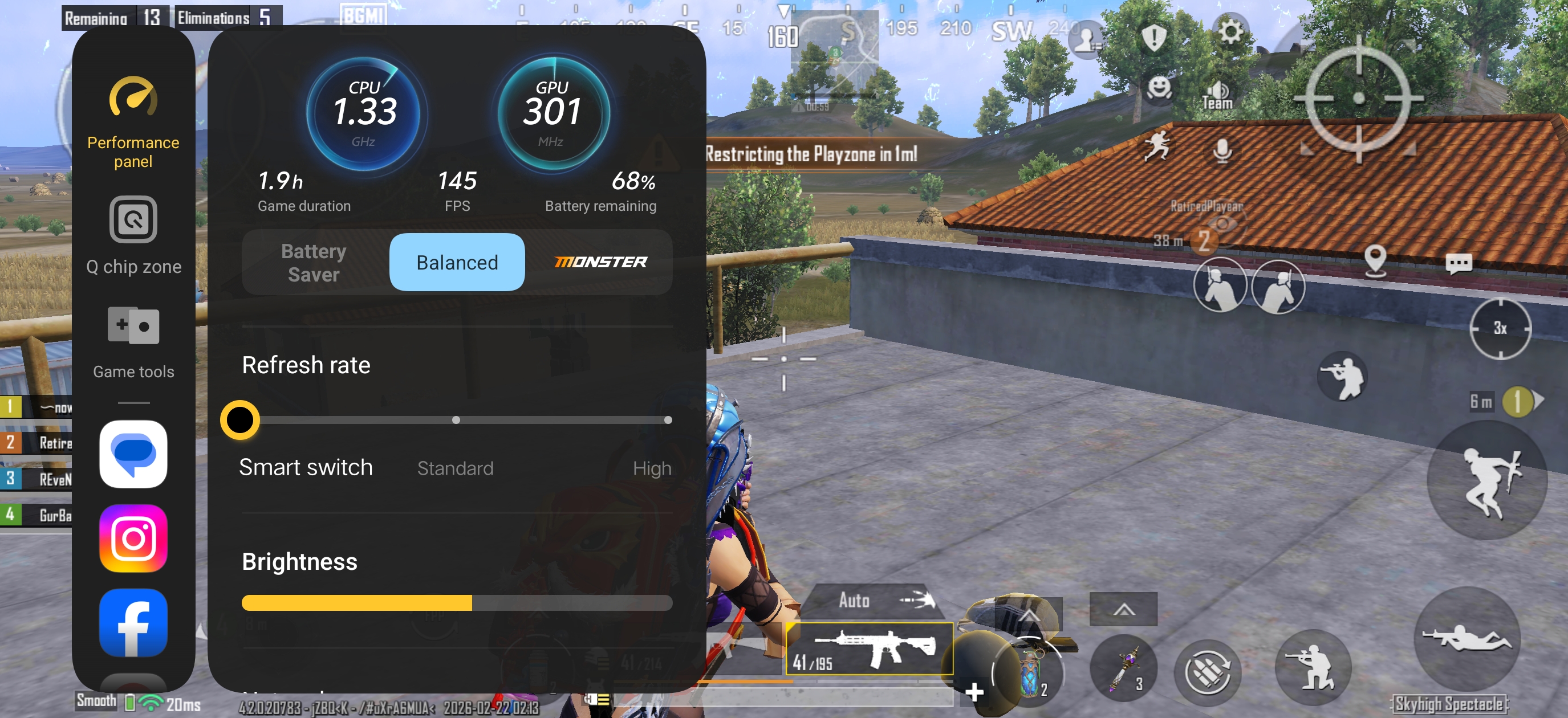
The Q2 chip also plays a major role in frame interpolation technology. This feature can artificially generate additional frames between the original frames produced by the GPU. For example, if a game runs at 60FPS natively, the Q2 chip can insert extra frames to reach higher frame rates like 120FPS or 144FPS. The result is smoother gameplay without placing extra load on the main processor, helping maintain performance stability during long gaming sessions.
Another important gaming feature powered by the Q2 chip is Game Super Resolution. This technology upscales lower-resolution game graphics to appear sharper and more detailed on the display. Instead of running the game at native high resolution—which can consume more power and reduce frame rates—the chip uses AI-assisted upscaling to improve visual quality while maintaining performance. This approach allows players to enjoy PC-like graphics clarity without sacrificing smooth gameplay.
The Q2 chip also improves visual stability and motion clarity. Fast-paced games often suffer from motion blur or ghosting when characters or environments move quickly. By processing frames more efficiently and maintaining a consistent frame rate, the Q2 chip reduces these visual artifacts. This is particularly helpful in games where quick reactions matter, as players can track enemies or objects more easily on screen.
Another benefit is reduced load on the main CPU and GPU. Because the Q2 chip handles specific graphical tasks, the primary processor can focus on physics calculations, AI behavior, and background processes. This division of workload helps maintain consistent performance even when the game environment becomes complex, such as during large multiplayer battles or intense action scenes.
The gaming experience is further enhanced by the phone’s 144Hz display and 1.5K resolution panel, which work alongside the Q2 chip to fully utilize the high frame rates. A high refresh rate screen can display more frames per second, meaning the benefits of the Q2 chip’s frame interpolation and high FPS output become clearly visible. This combination results in extremely smooth visuals, faster response times, and more immersive gameplay.
The Q2 chip also contributes to power efficiency during gaming. Normally, achieving high frame rates would require pushing the main GPU to its limits, which leads to higher power consumption and faster battery drain. With the dedicated Q2 chip managing certain graphical processes, the phone can maintain strong performance while using power more efficiently, helping gamers enjoy longer play sessions.
Thermal performance is another area where the Q2 chip indirectly helps. Since it shares processing responsibilities with the main chipset, the overall heat generated by the system is reduced. The iQOO 15R complements this with a large IceCore VC cooling system, which dissipates heat during intense gaming sessions. Lower temperatures help prevent thermal throttling, ensuring the phone maintains stable frame rates even after extended gameplay.
Competitive online gaming also benefits from the device’s architecture. Alongside the Q2 chip, the phone includes a dedicated network enhancement chip that prioritizes gaming data traffic to reduce lag and latency. When combined with the Q2 chip’s stable frame rendering, this ensures both the visuals and network performance remain consistent, which is crucial for multiplayer games where milliseconds matter.
In real-world gaming scenarios, this setup means titles like battle royale shooters, racing games, and open-world RPGs can run at higher frame rates with improved visual quality. Players will notice smoother aiming, quicker screen response, and clearer motion when scanning the environment. This advantage can make gameplay feel more responsive and competitive, particularly in fast-paced esports titles.

Overall, the Supercomputing Chip Q2 transforms the iQOO 15R into a gaming-focused smartphone. By enabling high frame rates, improving graphical clarity, reducing motion blur, and stabilizing performance, it enhances both visual quality and gameplay responsiveness. When paired with the powerful Snapdragon processor, high-refresh-rate display, and advanced cooling system, the Q2 chip plays a central role in delivering a premium mobile gaming experience.
Follow for such more informative threads ➡️ @RZ Nitin

Thank you 😊
Your qool Quester, Ranger : Nitin Mishra ❤️
@iQOO Connectcommunity 🫂🔥😍
@NipunMaryasir 🫡💫❤️
@parakram_hbhai 🫡✨🫂
@woahyashbhai 🫶🔥😍
Please sign in
Login and share