





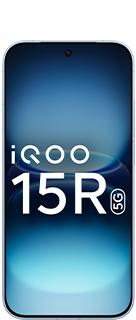
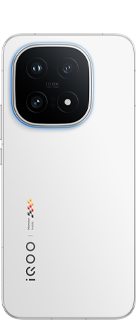
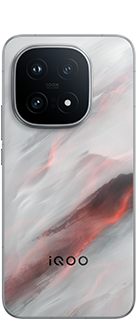





iQOO 15R PWM Dimming Explained.

Hi Quester 👋
You might have heard the term PWM dimming while talking about smartphone displays, especially OLED or AMOLED panels. But what does it actually mean?
Let's talk about PWM dimming and how it works on the iQOO 15R.
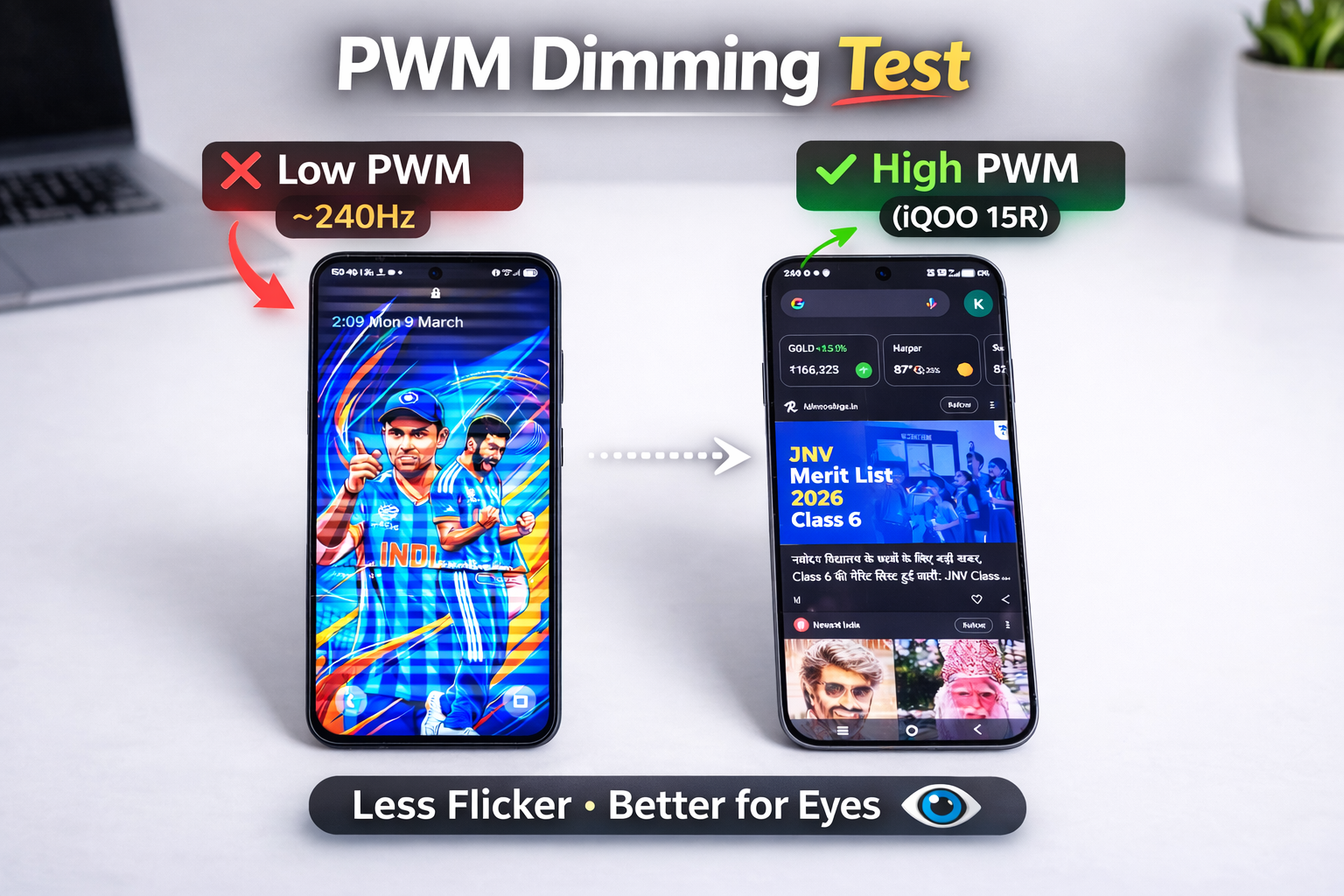
PWM (Pulse Width Modulation) is a method used to control the brightness of a display. Instead of continuously lowering the power of the pixels, the screen rapidly turns on and off to achieve lower brightness levels. This on-off switching happens extremely fast, so our eyes usually perceive it as a steady light.
The speed of this flickering is measured in Hertz (Hz). For example, if a display has 4320Hz PWM dimming, it means the screen flickers 4320 times in one second when the brightness is low. The higher the PWM frequency, the less noticeable this flicker becomes to our eyes.
Low PWM frequencies can sometimes cause visible flicker, eye strain, or discomfort, especially when using the phone at night or at low brightness for a long time. That's why higher PWM frequencies are considered better for eye comfort.
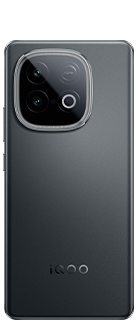
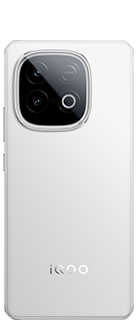
I have been using the iQOO 15R for more than a week now, and it features 4320Hz PWM dimming. Because the frequency is very high, the flicker is almost impossible to notice, and the display feels much more comfortable during long usage sessions, especially in low-light conditions.
Along with this, the 1.5K AMOLED display and 144Hz refresh rate make the overall viewing experience smooth, sharp, and very enjoyable for watching content, scrolling, or gaming. The display is definitely one of the highlights of the iQOO 15R in my daily usage.
✅ Follow For More 👉 @Dhiraj Kumar
Please sign in
Login and share