



























iQOO Presents Original Series TVF's Headshot | EPO1 Review - Khelega Kya?

1.Headshot Episode 1 Details
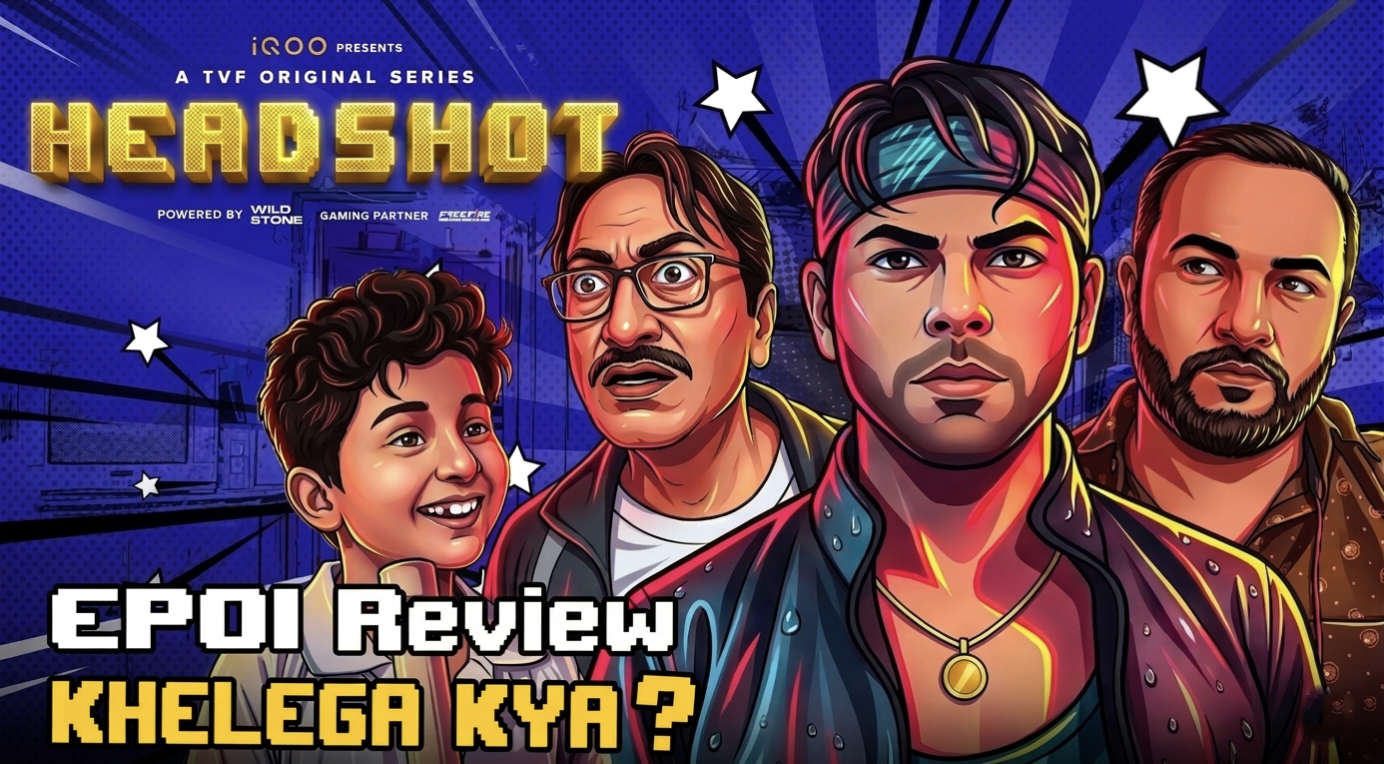
Episode 1 of Headshot marks the beginning of Sachin’s gaming journey, setting up a grounded and relatable story rooted in real-life struggles and aspirations. The episode primarily focuses on introducing Sachin and the world around him, giving viewers a clear understanding of his current situation. We see Sachin living in a middle-class household where financial pressure is constant, and expectations from his father continue to weigh him down. Alongside his younger brother, who has his own dreams, Sachin is stuck in a phase where he lacks direction and purpose.To support himself, Sachin runs a small mobile repairing shop with his best friend Kashif, but even that doesn’t provide stability or growth. At this stage, he neither has a clear career path nor a strong vision for his future. However, everything begins to change when he is introduced to Free Fire MAX. What starts as casual curiosity quickly turns into passion, as Sachin finds himself deeply connected to the game. For the first time, he sees a possibility a dream of becoming a professional esports athlete.
At the same time, Episode 1 introduces the central conflict through Prince, the antagonist. Prince, who owns the shop and is also a skilled gamer, constantly bullies and humiliates Sachin. He pressures him for rent and mocks his late-night gaming habits, making Sachin’s situation even more difficult. This adds both emotional and external conflict, positioning Sachin as an underdog who is struggling not just financially but socially as well.The turning point of the episode comes towards the end when Daniel Gaming, an experienced esports player, recognizes Sachin’s potential and encourages him to participate in the Headshot tournament. This moment acts as a spark, giving Sachin a direction and a real opportunity to prove himself. However, just as hope begins to rise, another twist is introducedSachin receives a call informing him that he has been selected for a job he had previously applied for.This leaves Sachin at a critical crossroads. On one side is job security and responsibility towards his family, and on the other is his newly discovered passion for gaming and the chance to compete in the Headshot tournament.Episode 1 ends on this powerful dilemma, setting up an emotional and motivational conflict that will drive the story forward.Overall, the episode successfully establishes the theme of dream vs responsibility, making Sachin’s journey both engaging and deeply relatable for the audience.
2. Characters Introduction and Storyline (Detailed)
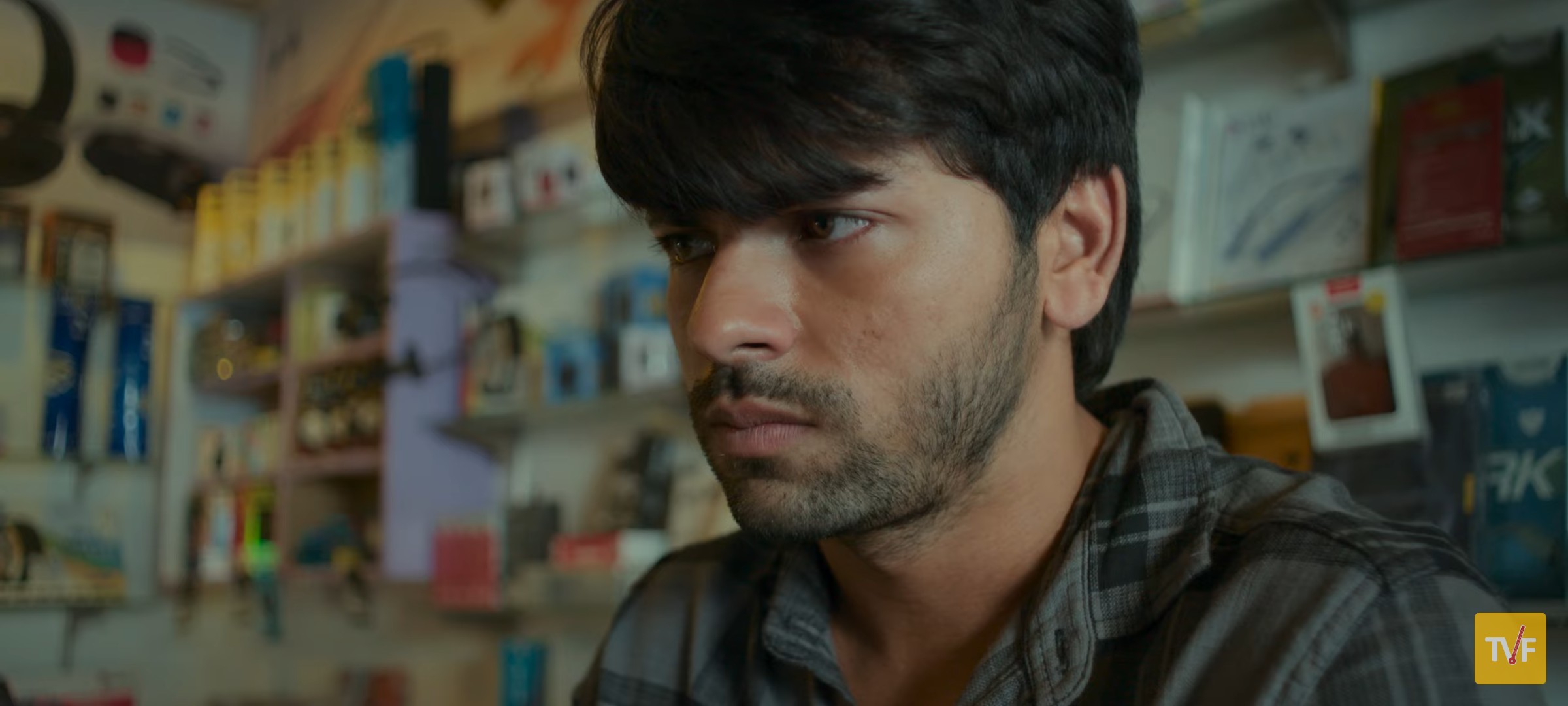
Sachin is the heart of the story a young gamer with big dreams but limited direction. He represents the reality of many aspiring gamers who want to make it big but struggle with discipline, consistency, and societal pressure. In Episode 1, we see him juggling between his responsibilities at the mobile shop and his passion for gaming. His character is not shown as perfect; instead, he comes across as someone who is still figuring things out, which makes him highly relatable.At the same time, Sachin’s journey is filled with emotional weight. He constantly faces criticism from his father and disrespect from Prince and his gang.Despite this, there are moments where his potential is visible, hinting that he has the skills needed to succeed. Episode 1 positions him as a classic underdog, someone who is currently underestimated but has the ability to rise and prove everyone wrong.
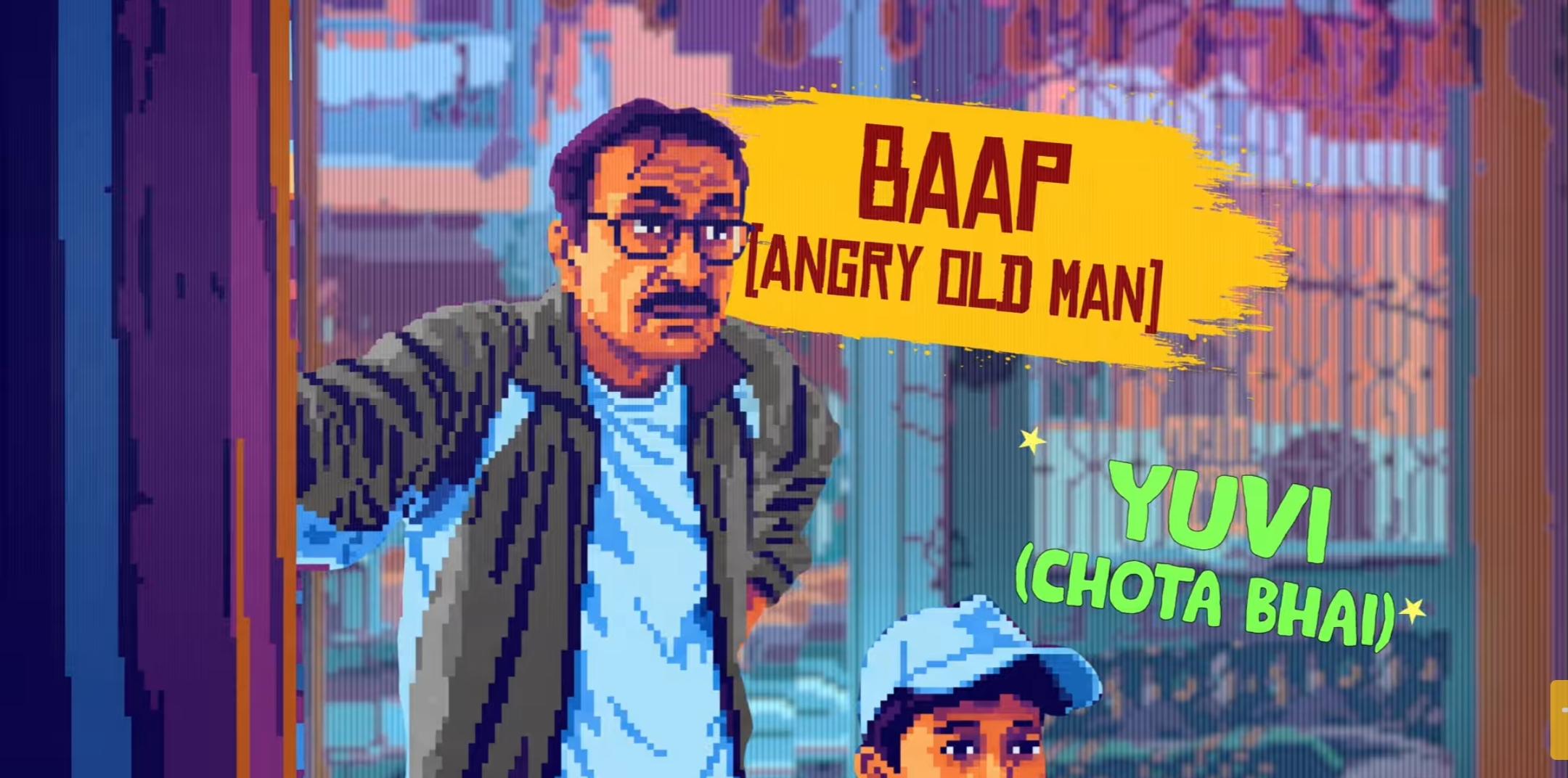
Sachin’s father is portrayed as a strict and traditional middle-class school teacher who strongly believes in discipline, stability, and conventional career paths. He often criticizes Sachin for his lack of seriousness and interest in gaming, creating tension within the household. However, his actions are not driven by negativity but by concern and fear that his son might risk his future chasing an uncertain path. His character reflects the reality faced by many young individuals whose ambitions do not align with traditional expectations, adding emotional depth and realism to the story.In contrast, Yuva, Sachin’s younger brother, brings a different energy to the narrative. Focused and passionate about cricket, he dreams of becoming a professional player and looks up to Virat Kohli, representing a more socially accepted ambition. This creates a subtle contrast between the two brothers while Yuva’s goals are supported and understood, Sachin struggles for acceptance. Together, their dynamic highlights how society views different career choices, while also adding emotional warmth and balance to the family’s story.
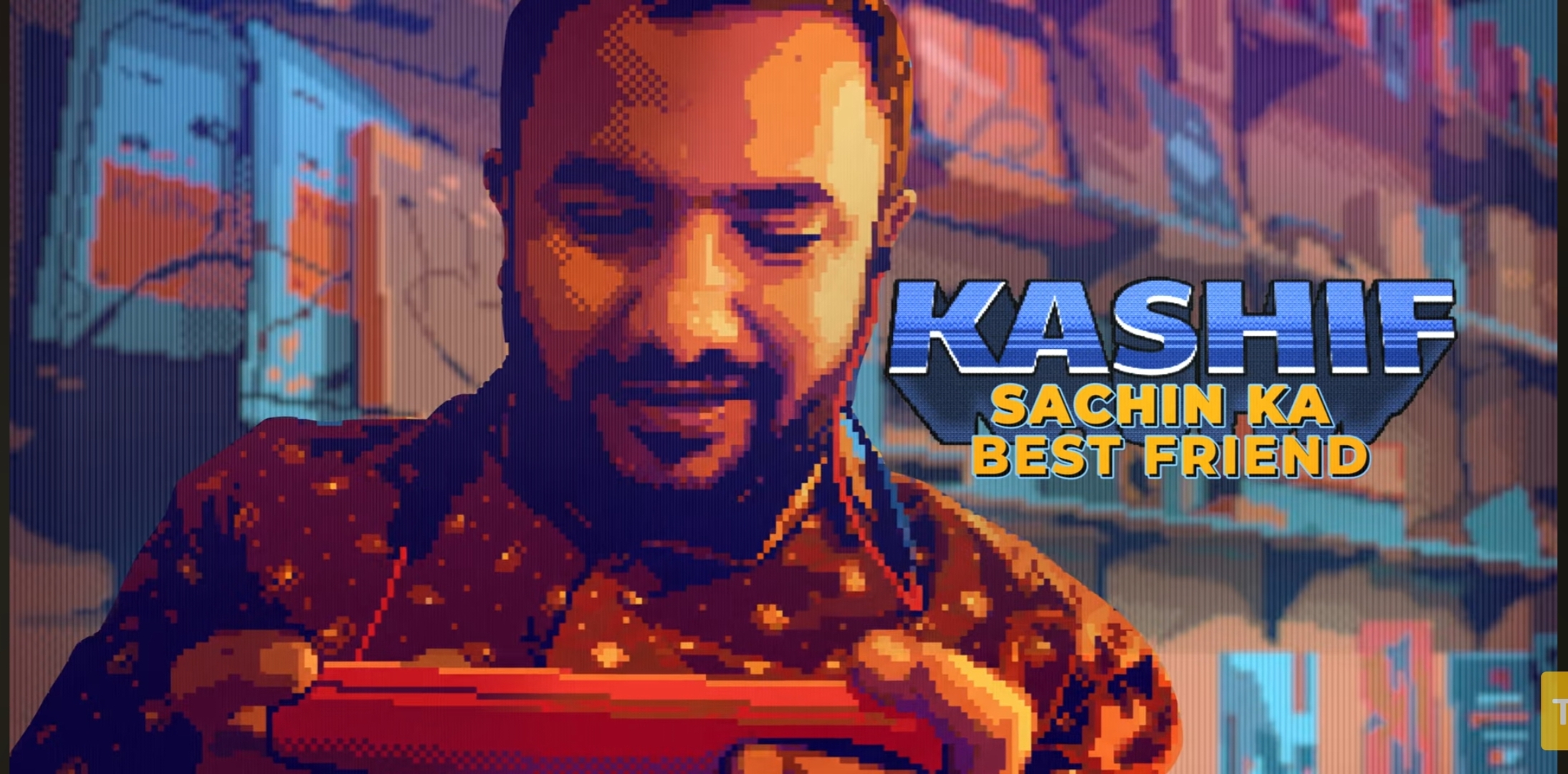
Kashif is Sachin’s closest friend and one of the most supportive characters in the series. He works alongside Sachin at the mobile shop and constantly encourages him to take his gaming seriously.Unlike others, Kashif believes in Sachin’s potential and stands by him during difficult moments, acting as a strong emotional support system.His character plays a crucial role in balancing the negativity around Sachin. While the world criticizes him, Kashif motivates him and pushes him forward. His use of the iQOO Neo 10 also adds a layer of authenticity to the gaming setup. Kashif represents the kind of friend everyone needs someone who sees your potential even when you don’t.
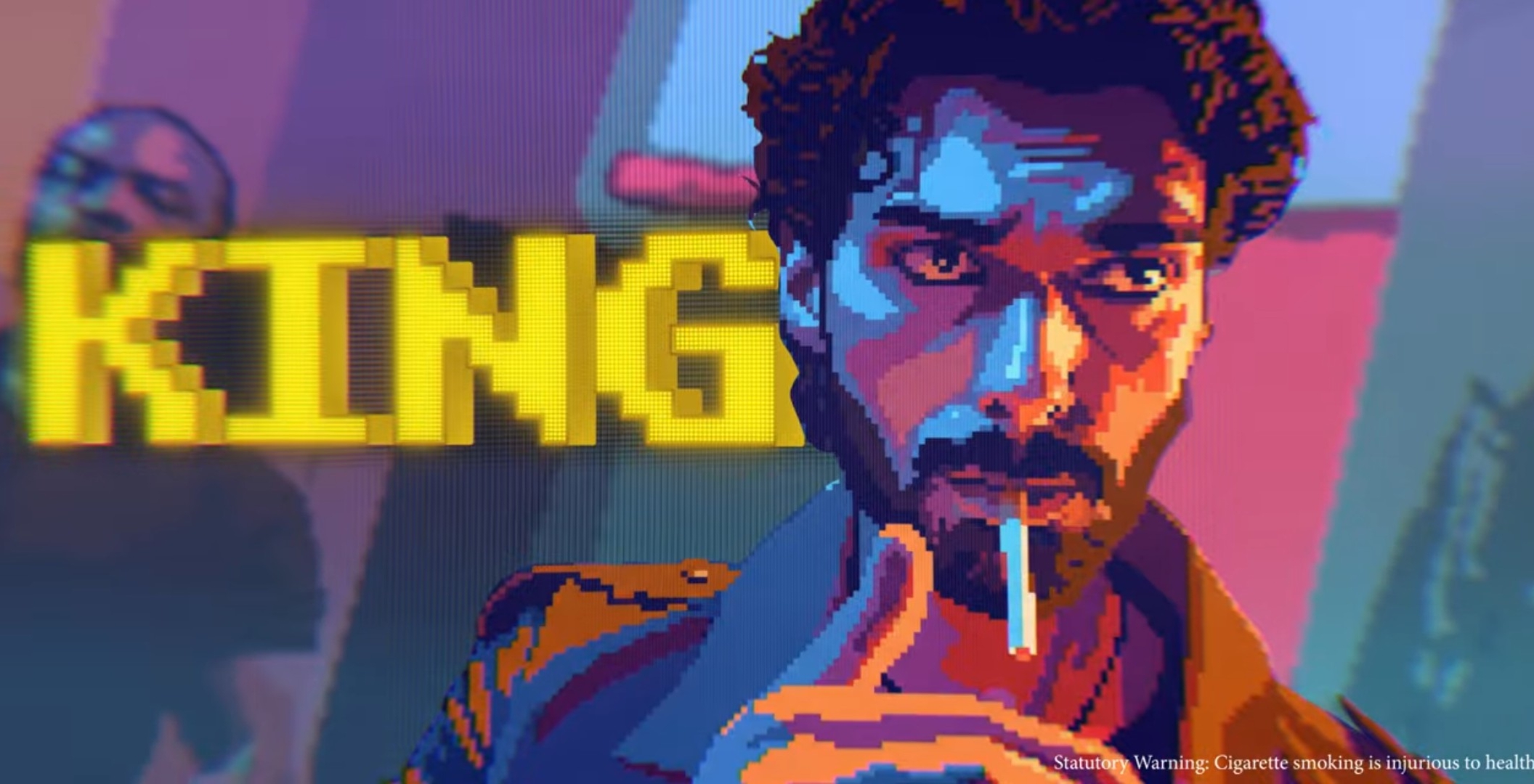
King is introduced as a high-level Indian esports player who has already represented the country on an international stage. His presence adds scale to the story, showing what success in gaming can actually look like. He represents the peak that players like Sachin aspire to reach.At the same time, his rivalry with Daniel Gaming hints at a competitive world beyond what Sachin currently experiences. King’s character helps establish that esports is not just a hobby but a serious, high-stakes field. Even though his screen time may be limited in Episode 1, his presence expands the universe of the story.
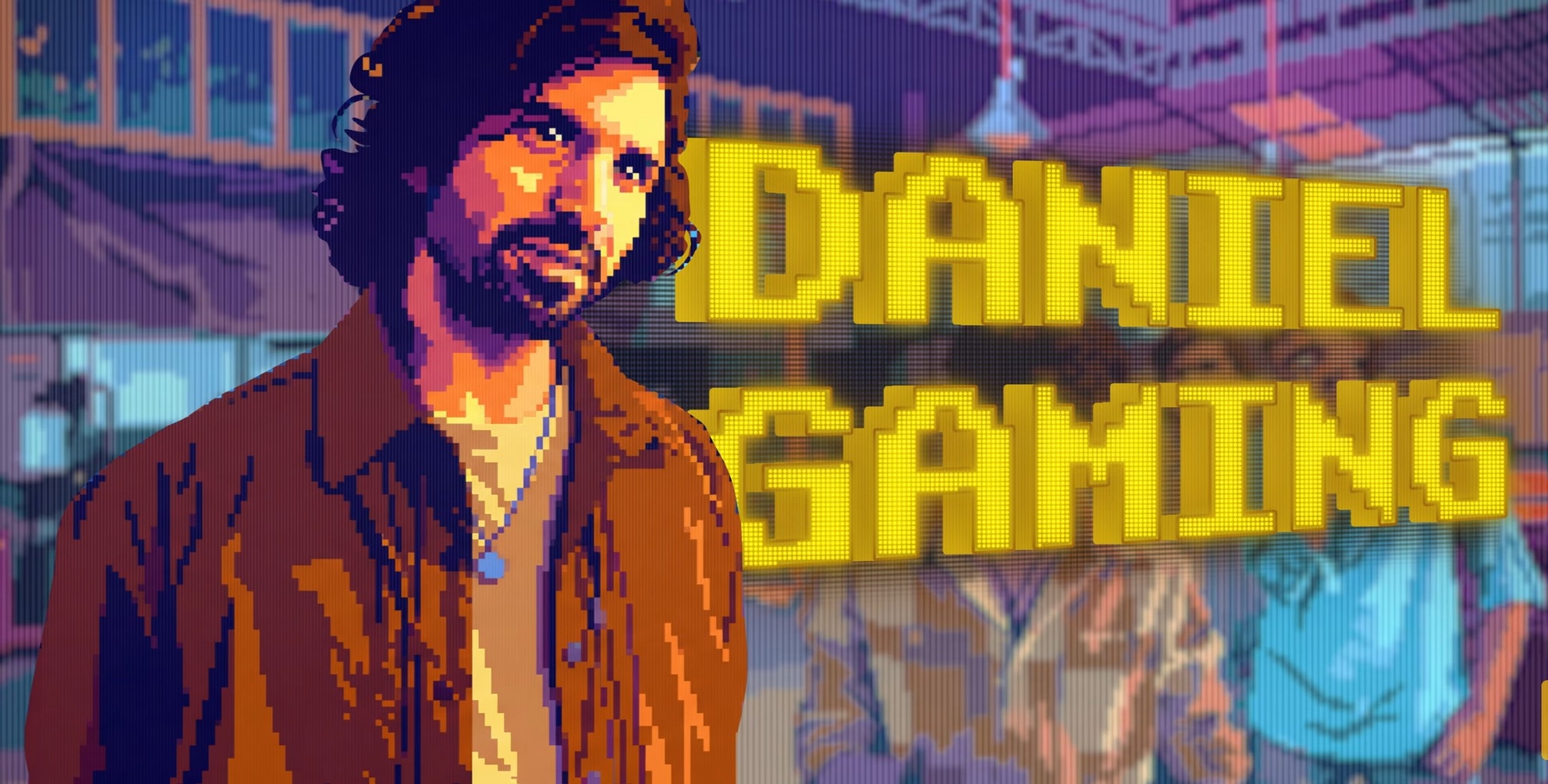
Daniel Gaming plays the role of a mentor figure in Episode 1. As an experienced esports player, he understands the challenges of the gaming world and acts as a guiding force for Sachin. His motivation pushes Sachin to consider participating in the iQOO Headshot Free Fire MAX tournament, which could be a turning point in his journey.His character brings inspiration and direction to the story. Unlike others who doubt Sachin, Daniel sees his potential and encourages him to take a step forward. He represents opportunity and growth, making him a key influence in shaping Sachin’s path moving ahead.
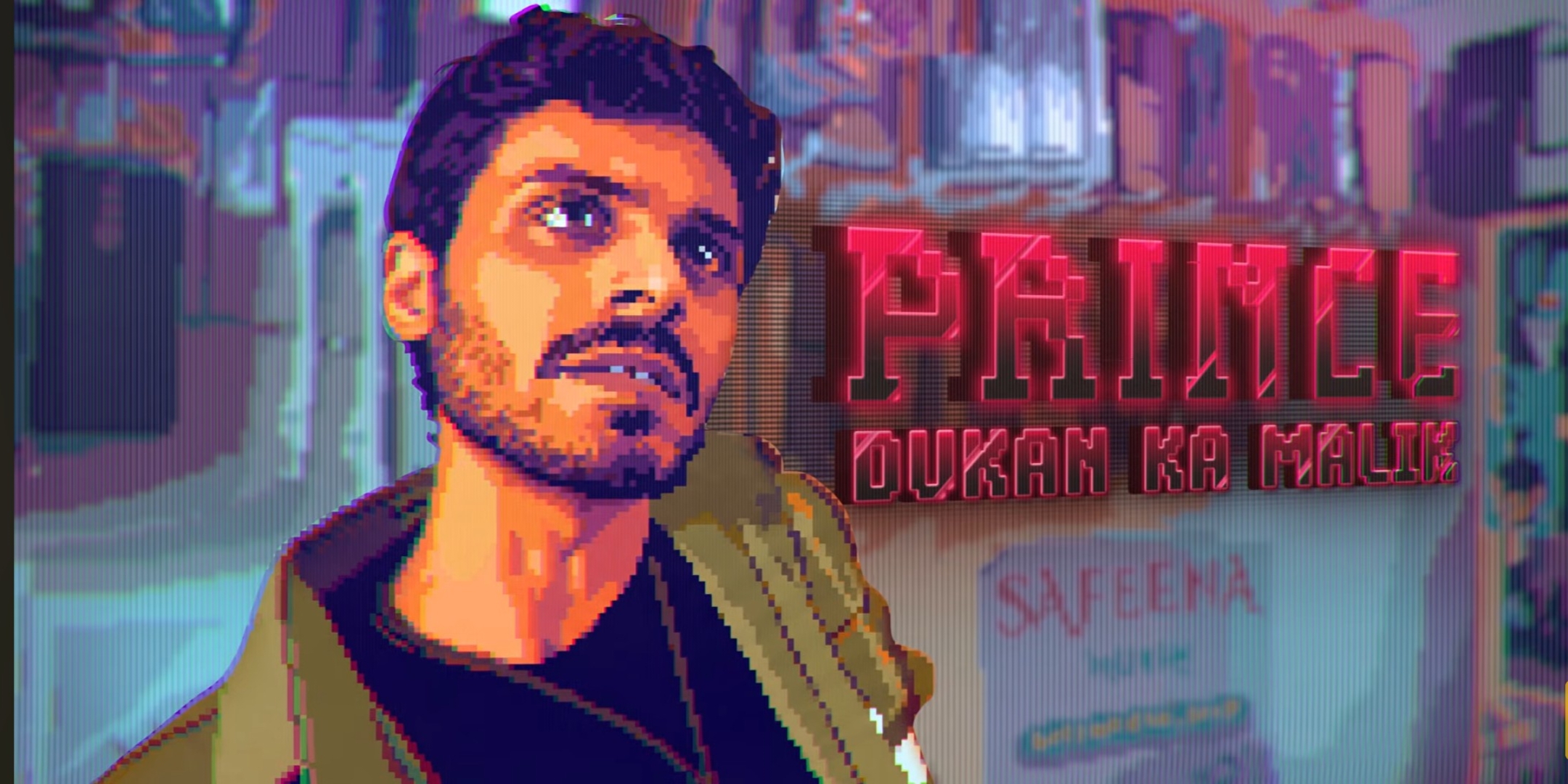
Prince is the main antagonist introduced in Episode 1 and serves as the leader of his gang. He is a skilled Free Fire MAX player and is preparing for the Headshot tournament, positioning him as a direct competitor to Sachin. Being the owner of the mobile shop where Sachin works, he also holds power over him, which he frequently uses to dominate and humiliate him.His hatred towards Sachin is not just based on competition but also has a personal history linked to Sachin’s father, who punished him during his school days. This adds emotional depth to his character, making him more than just a typical bully. Prince represents dominance, ego, and the harsh reality of competitive environments.
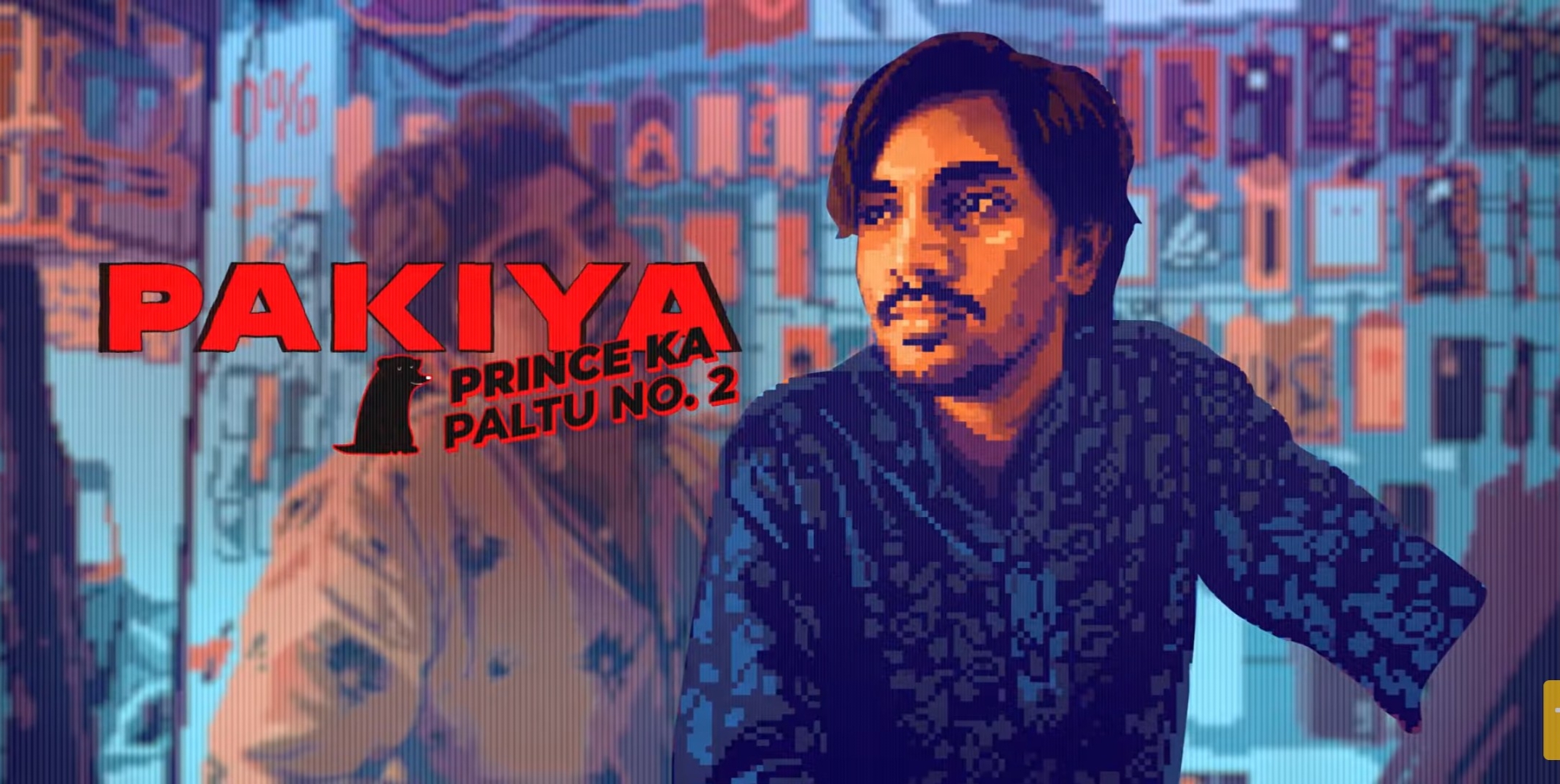
Pakiya is one of Prince’s closest supporters and plays the role of a typical sidekick who amplifies the bullying. He constantly mocks and trolls Sachin, adding to the pressure and humiliation that Sachin faces. His presence strengthens Prince’s authority within the group.While Pakiya may not have deep individual development in Episode 1, his character contributes significantly to the hostile environment around Sachin. He represents the kind of people who follow power and contribute to negativity without having a strong identity of their own.
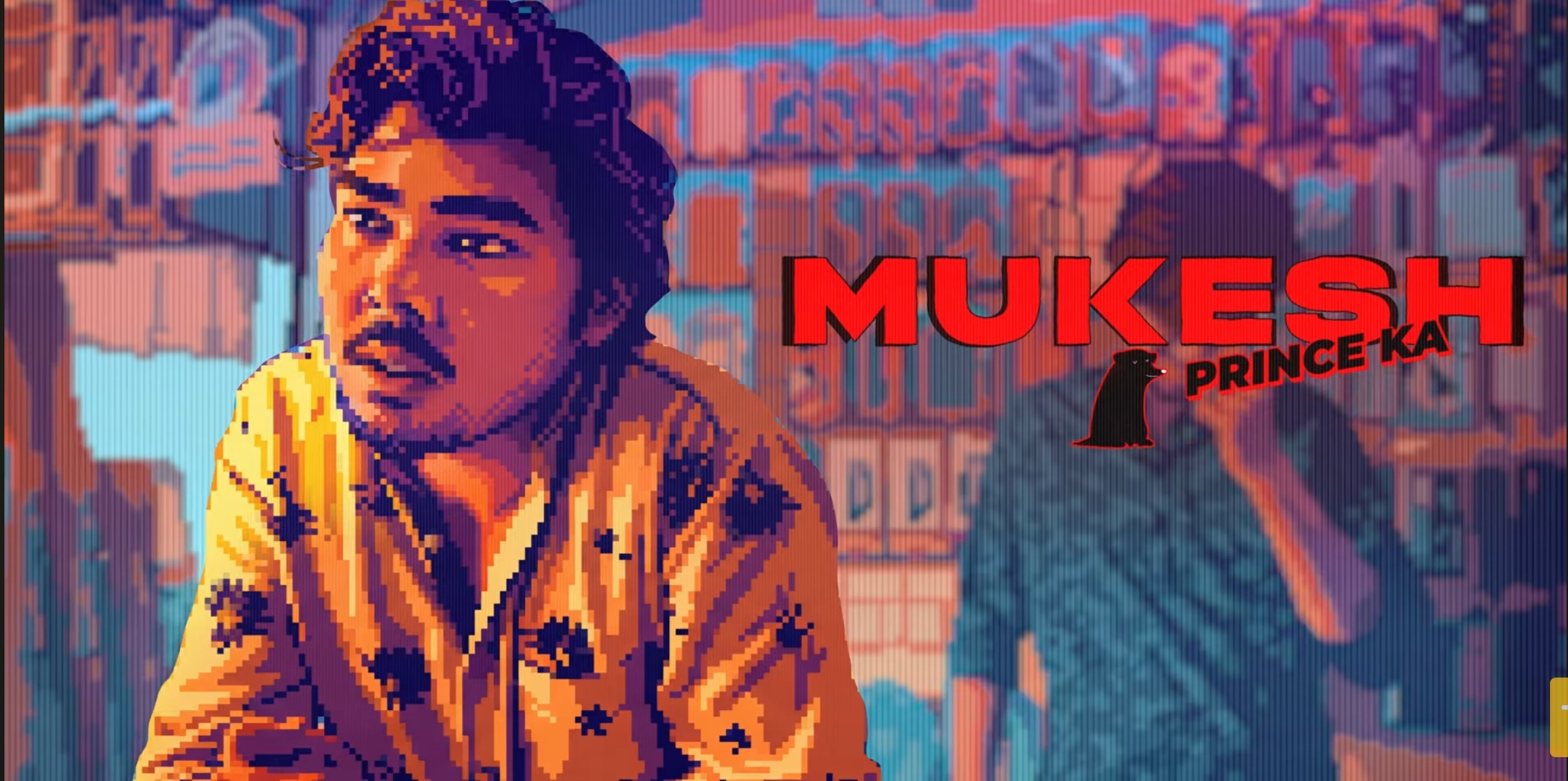
Mukesh, another member of Prince’s gang, plays a similar role as Pakiya. He supports Prince in his actions and actively participates in bullying Sachin. Together, they create a group dynamic that makes Sachin feel isolated and constantly targeted.Even though Mukesh is not deeply explored in Episode 1, his presence adds realism to the story. In real life, bullies often operate in groups, and Mukesh helps establish that group mentality. His character reinforces the challenges Sachin must overcome, both emotionally and socially.
3. iQOO Neo 10 Cameos
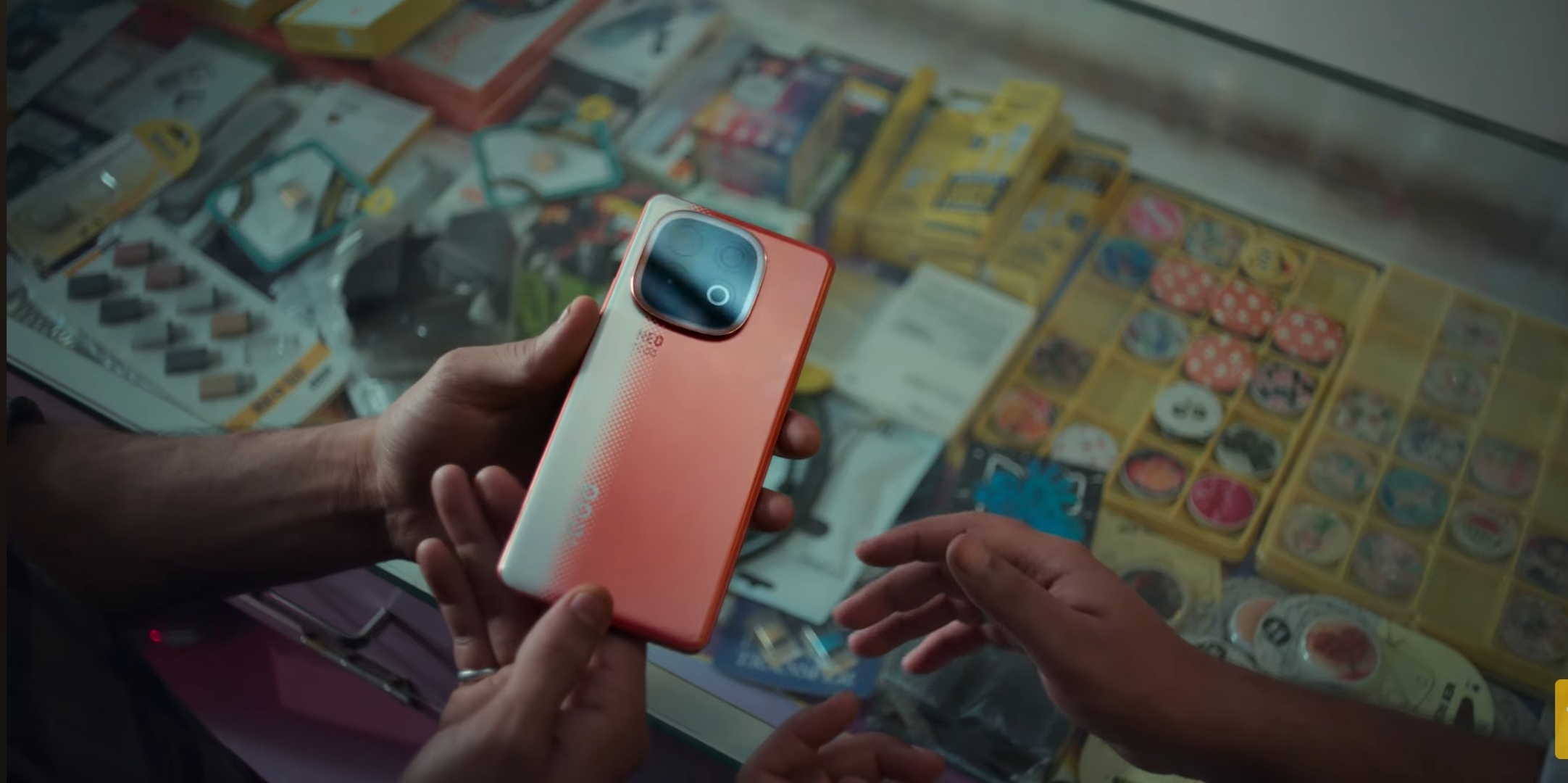
In Episode 1, the iQOO Neo 10 stands out as an important element in Sachin’s journey, almost playing the role of an MVP device. It becomes the foundation through which Sachin begins exploring his passion for gaming. As he gets introduced to Free Fire MAX, the device supports him in practicing consistently and improving his skills.One of the key highlights is its 7,000 mAh silicon-carbon battery, which allows Sachin to play for long hours without worrying about charging. This is clearly reflected in the episode, where he spends entire nights practicing and even plays alongside influencers to sharpen his gameplay. The powerful Qualcomm Snapdragon 8s Gen 4 processor ensures smooth performance, helping him focus on improving rather than dealing with lag or interruptions.

The device is not limited to Sachin alone Kashif also prefers using the iQOO Neo 10, which adds more authenticity to the gaming setup shown in the series. It feels natural and realistic, as mobile gaming heavily depends on performance-driven devices in real life as well.On a personal level, it feels even more satisfying to watch, especially for someone who uses an iQOO device. Seeing the protagonist begin his journey with the same brand creates a strong connection and makes the cameo feel more special and relatable.Overall, the integration of the iQOO Neo 10 is smooth, meaningful, and adds value to the storytelling rather than feeling forced.
4. Influencers Mega Cameos

Episode 1 creates a major highlight with its massive inclusion of real gaming influencers, adding a whole new level of excitement and authenticity to the story. Popular creators like Ocean Gaming, Deepak, and Rishabh make appearances, instantly connecting the series with the real gaming community.What makes this even more impressive is the scale there are around 50+ influencers featured in Episode 1, which is something rarely seen in a web series. This not only builds hype but also shows how deeply the series is rooted in actual gaming culture. It feels less like fiction and more like a reflection of the real esports and content creation world.
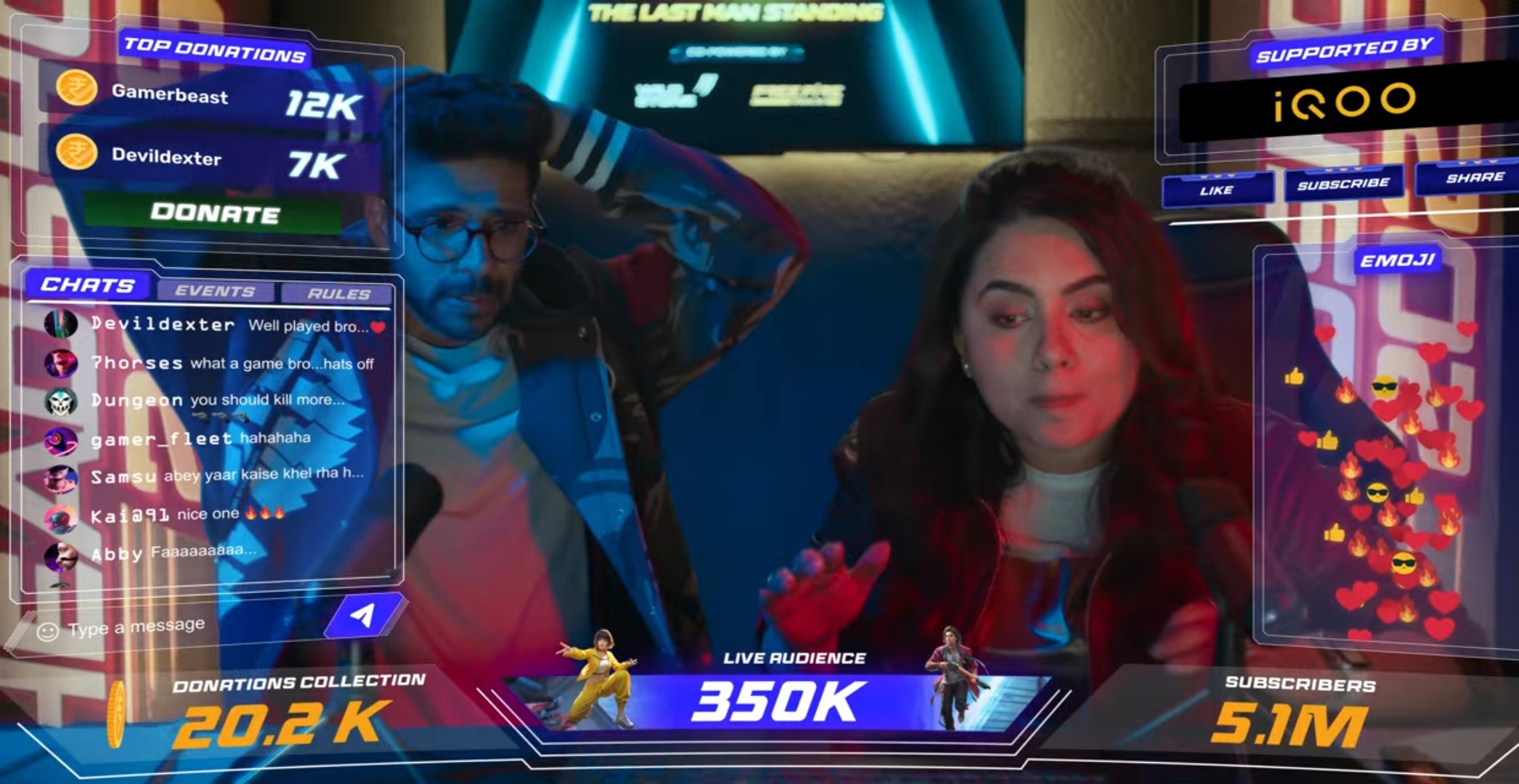
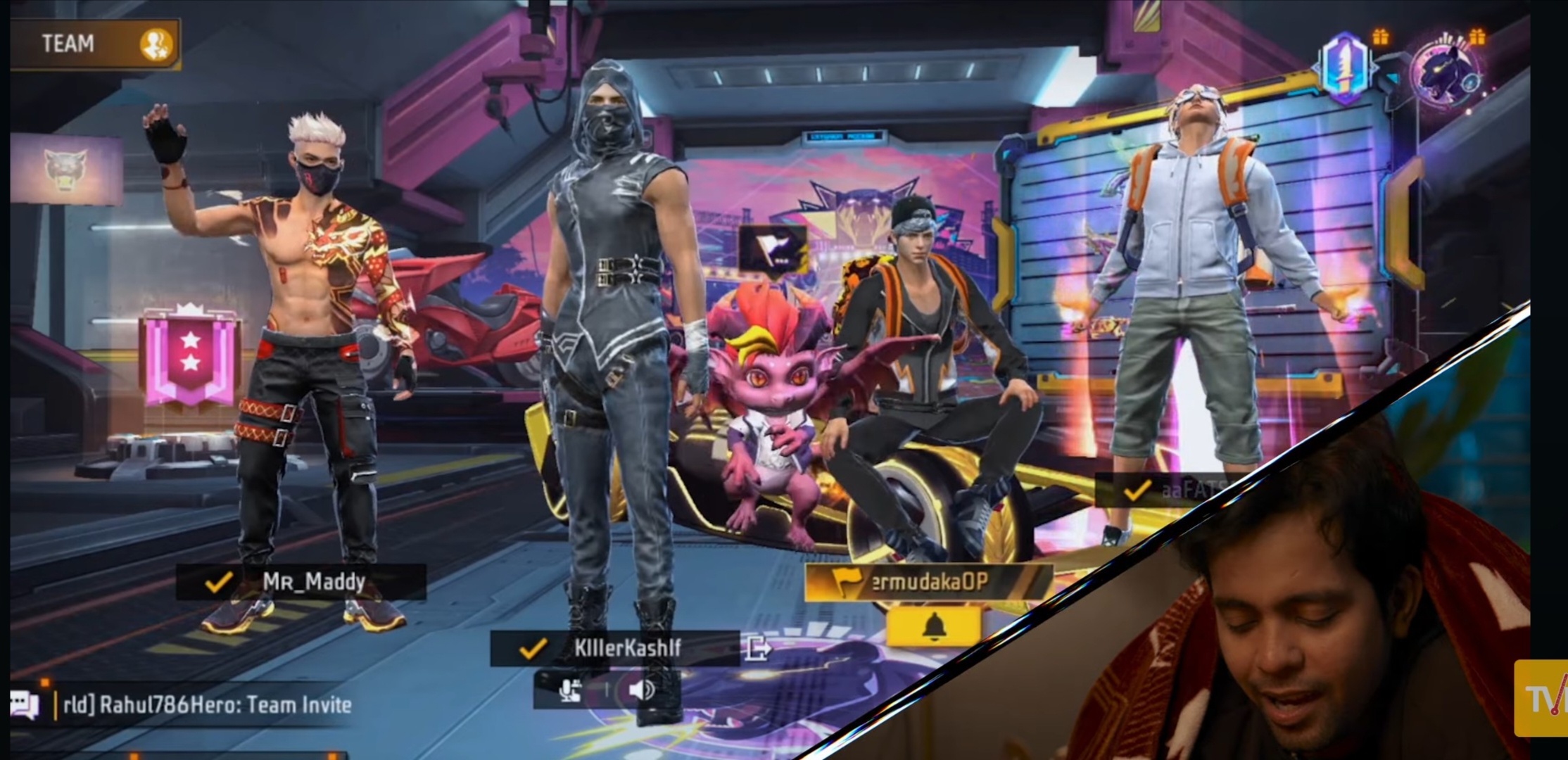
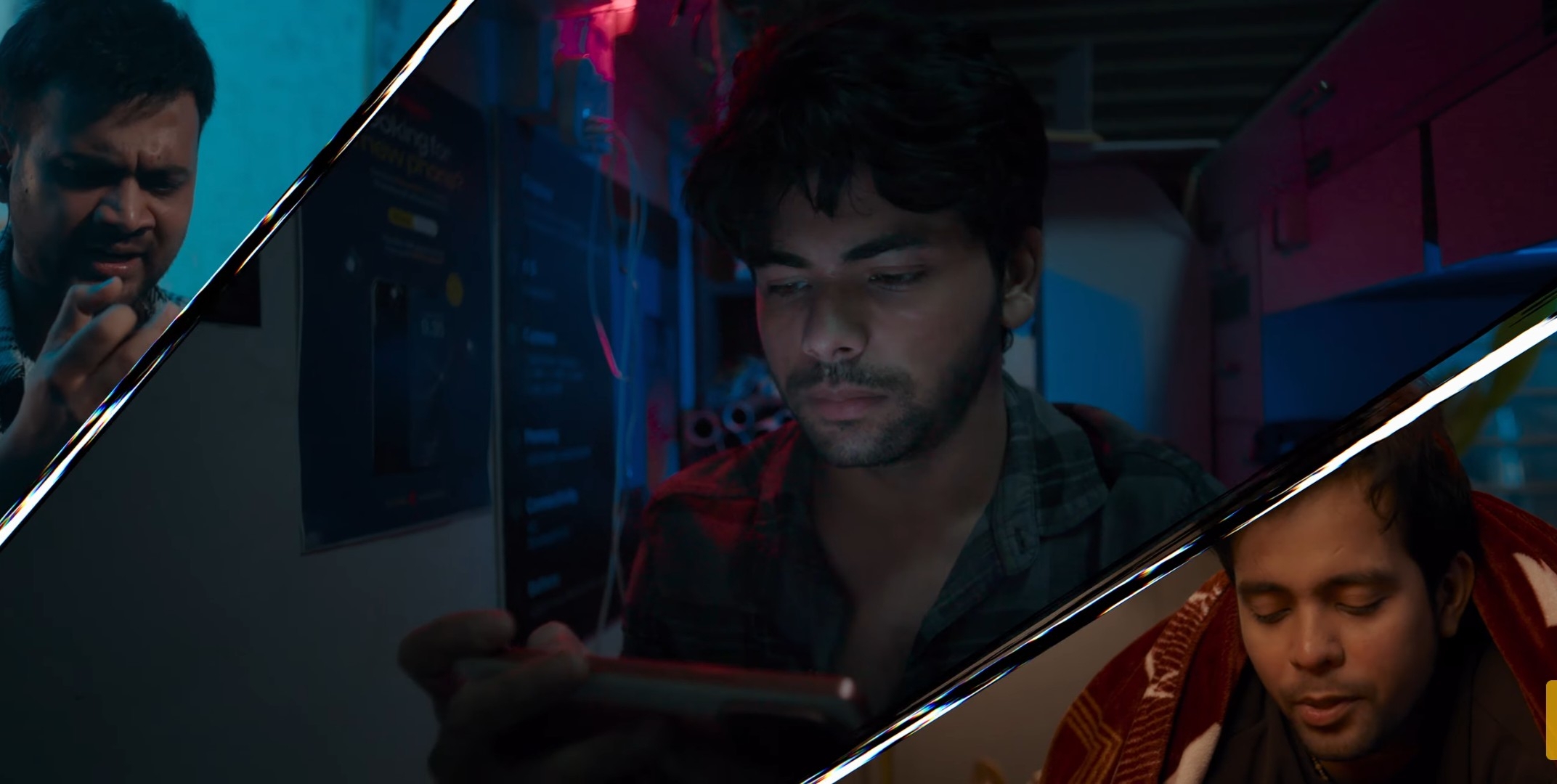
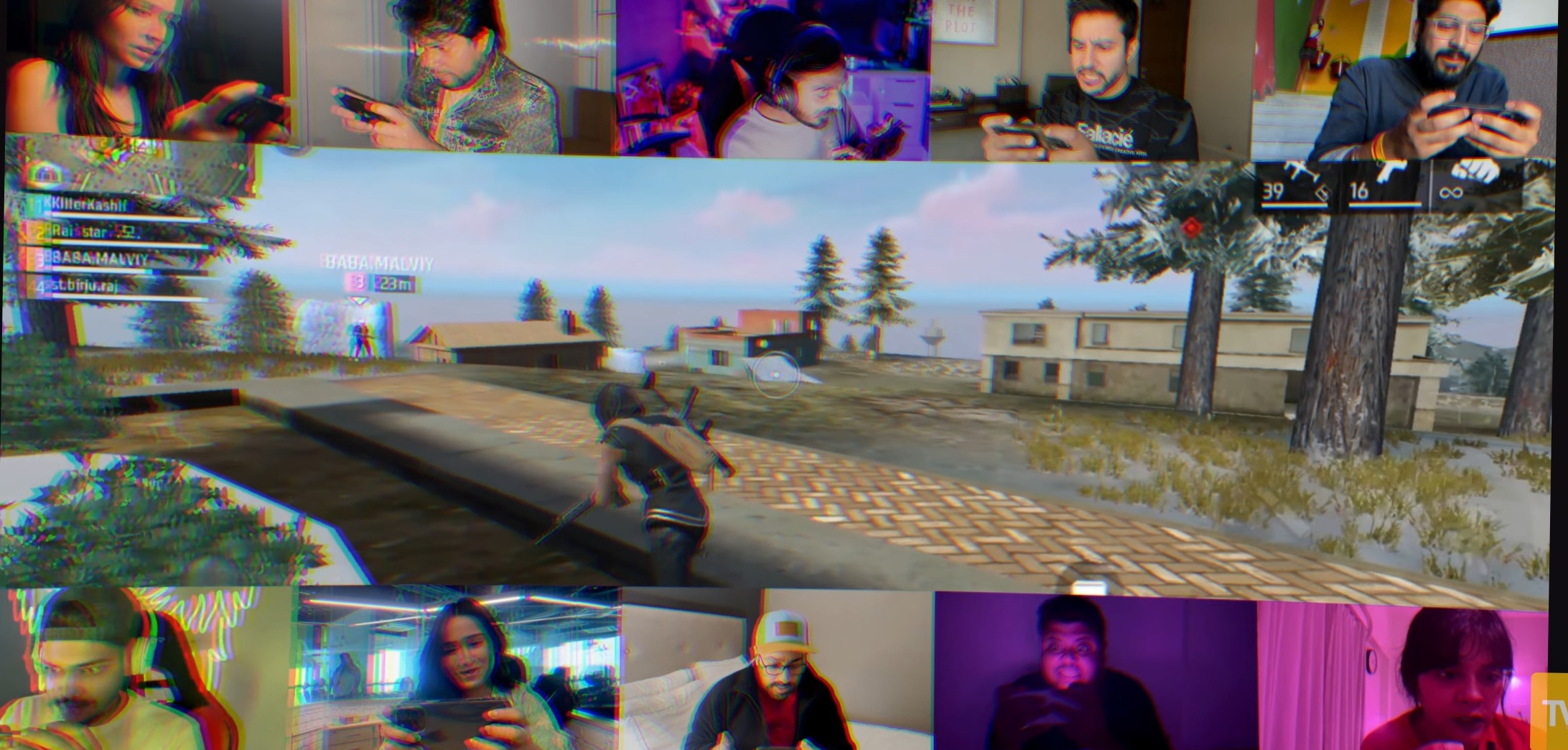
This segment easily becomes one of the most memorable parts of the episode. Watching so many influencers come together and support Sachin in his initial gaming journey through online interactions feels inspiring and energetic. It highlights the power of the gaming community, where creators uplift and motivate each other.Personally, this was one of the favorite moments in Episode 1, as it adds both excitement and realism while making the story feel bigger and more connected to the real world.
5. Sachin Rivalry With Prince Gang
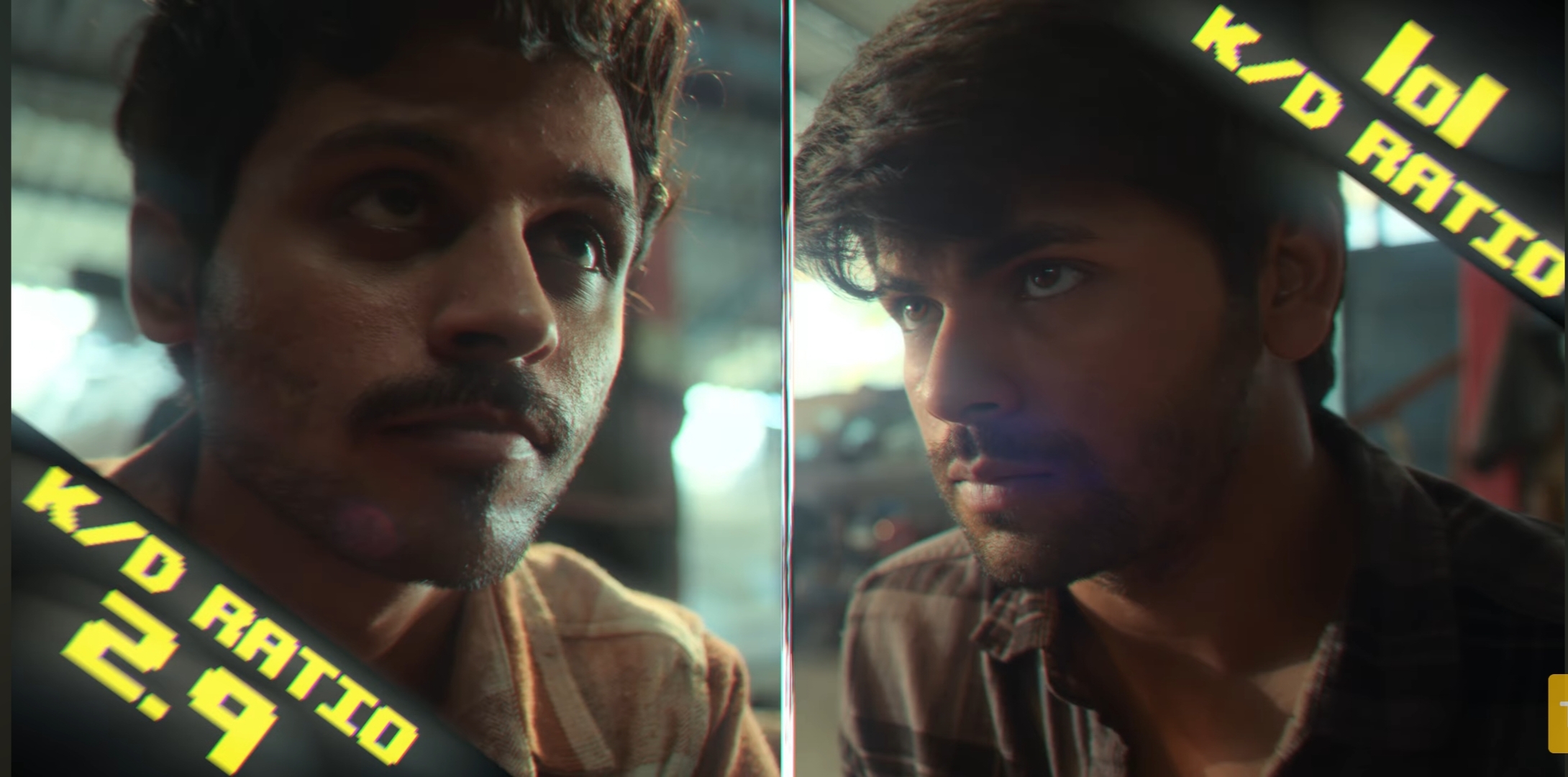
The rivalry between Sachin and Prince’s gang is one of the central conflicts established in Episode 1. Sachin is already struggling financially, and the pressure of paying rent for the shop to Prince makes his situation even more difficult. Instead of supporting him, Prince constantly bullies and humiliates Sachin, often targeting him in front of others. Along with his gang members, he creates an environment where Sachin is made to feel inferior and incapable, reinforcing his position as an underdog.
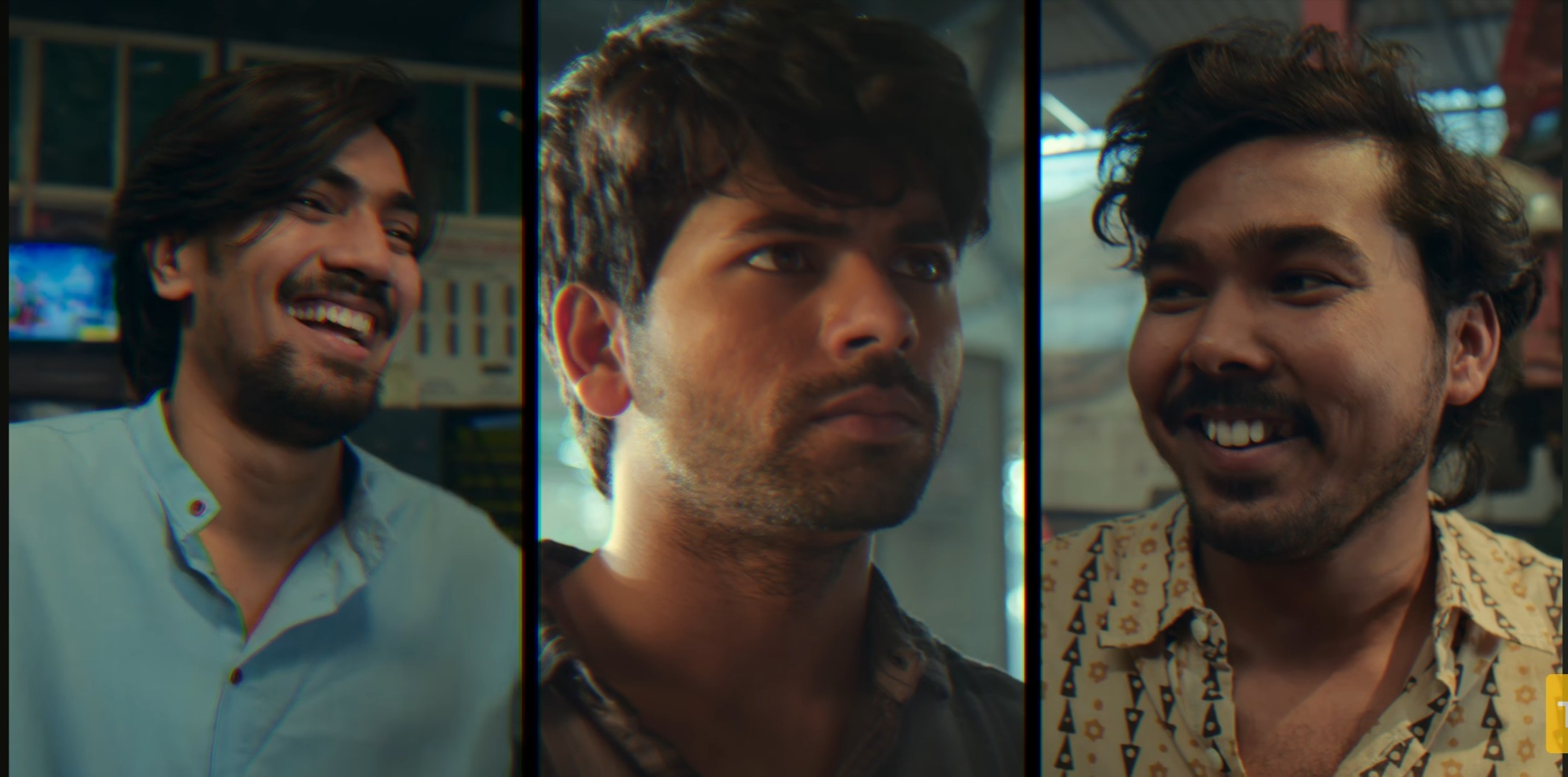
This rivalry goes beyond just money or gaming competitionit has a deeper personal history. Prince holds resentment towards Sachin’s father, who had punished him during his school days, and this past grudge fuels his behavior towards Sachin. As a result, the conflict becomes more intense and emotional, affecting not just Sachin but also his family and close relationships. This tension sets up a strong narrative foundation, making viewers curious to see how Sachin will rise above this dominance and prove himself.
6. My Review on Episode 1 😄❤️
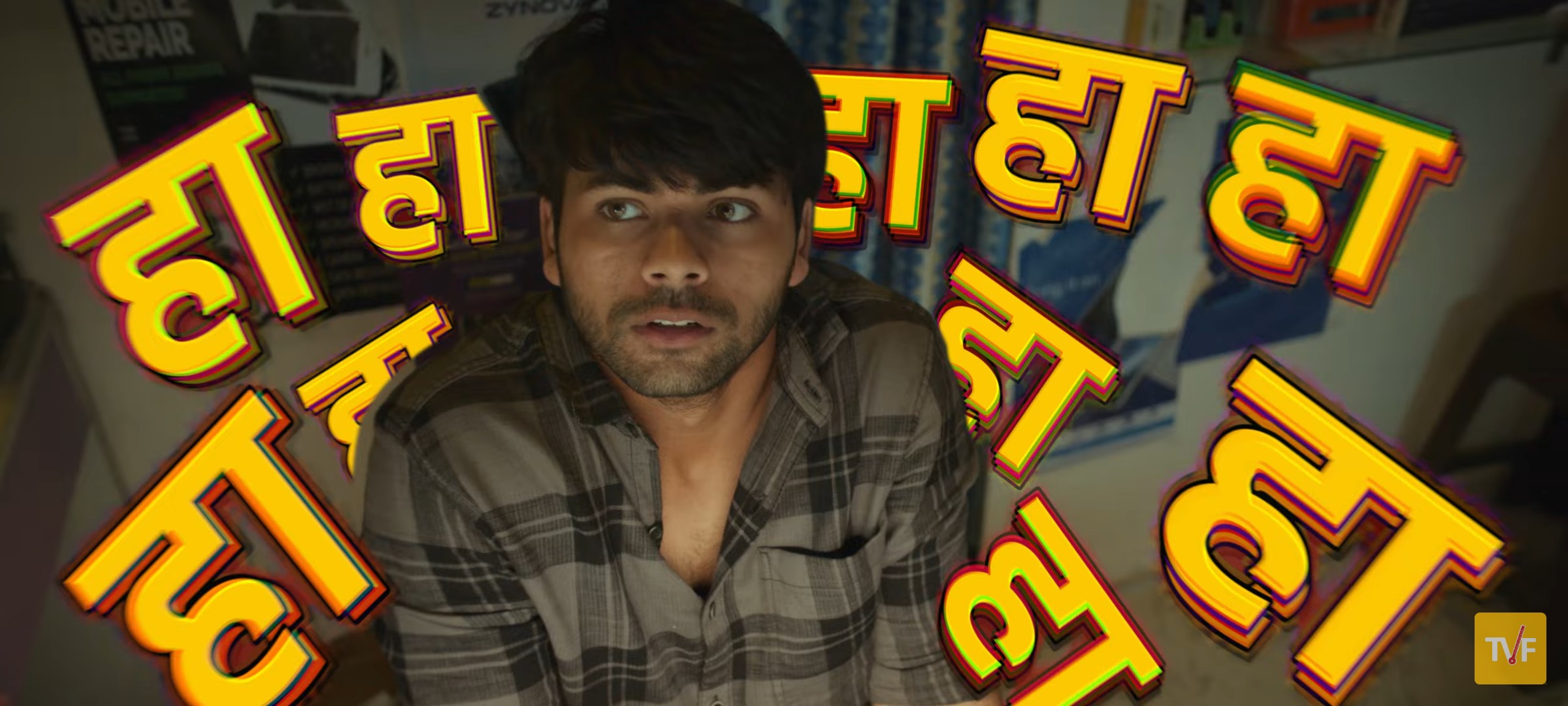
Overall, Episode 1 gives a good first impression and sets up the story in a realistic and engaging way. The beginning feels slightly slow, especially in the first 10 minutes, as it focuses more on introducing characters and the environment. This part may feel a bit boring for some viewers, but it is necessary to build the foundation of the story.
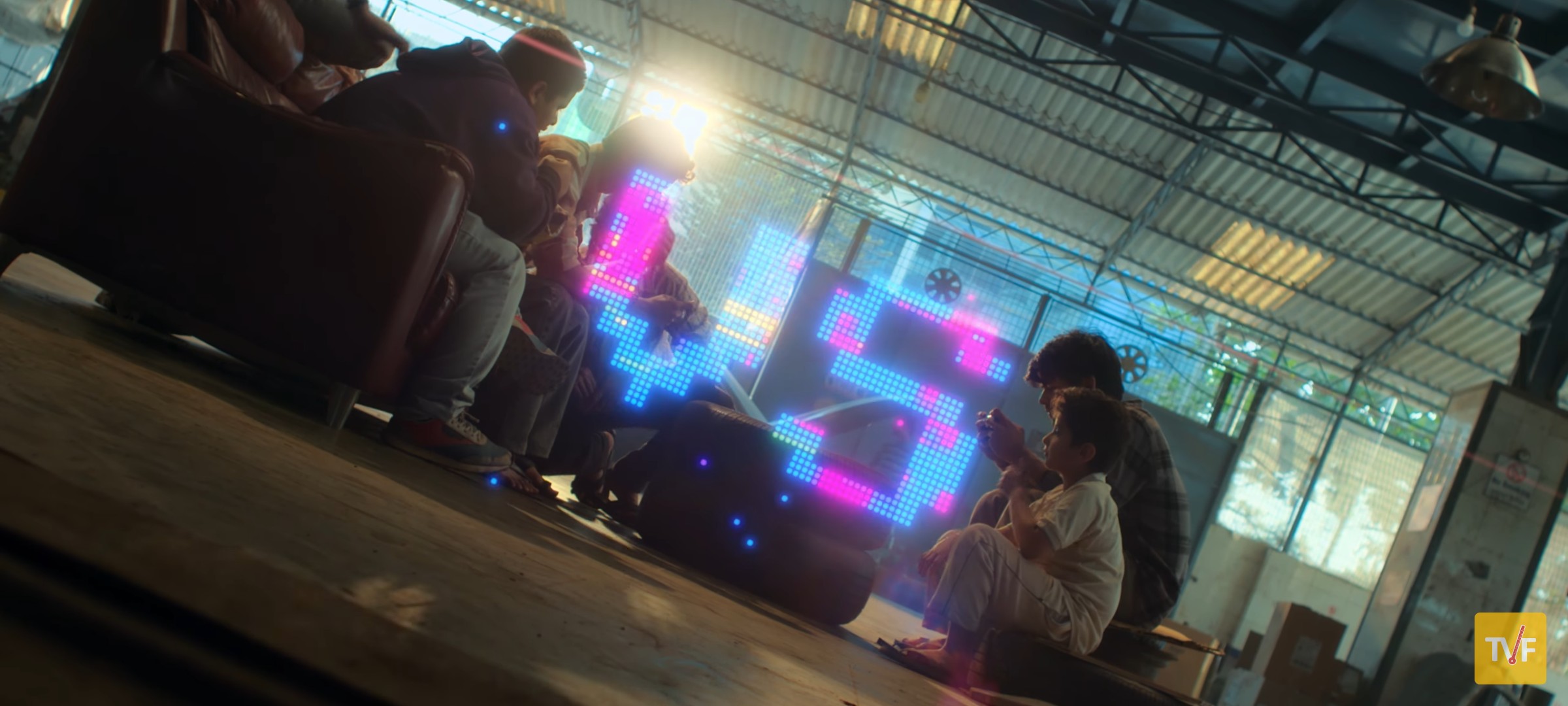
However, after this initial phase, the episode takes a noticeable jump in pace and becomes much more interesting. The storytelling improves, and the narrative starts to connect emotionally with the audience. As Sachin’s journey and struggles become clearer, the engagement level increases, making the second half of the episode much more enjoyable.Another strong point is that the show avoids unnecessary or forced comedy. There are no lame jokes, which helps maintain a serious and focused tone. The slightly mature (18+) elements add realism and make the story more relatable. Along with that, the editing is done really well the cuts, transitions, and pacing keep the flow smooth and engaging, making it a solid start overall.
7. What Next For Sachin – Ep 2 Expectations 🤔?
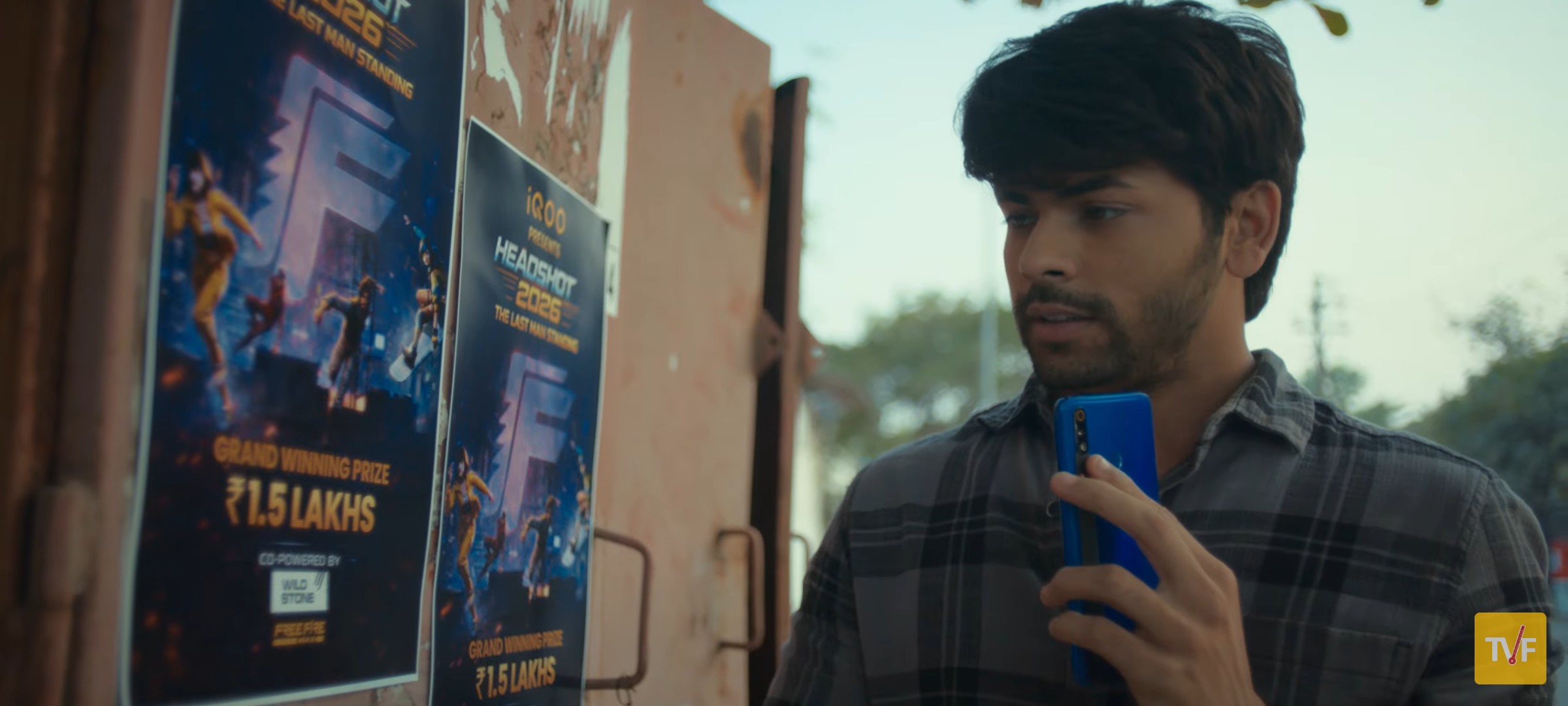
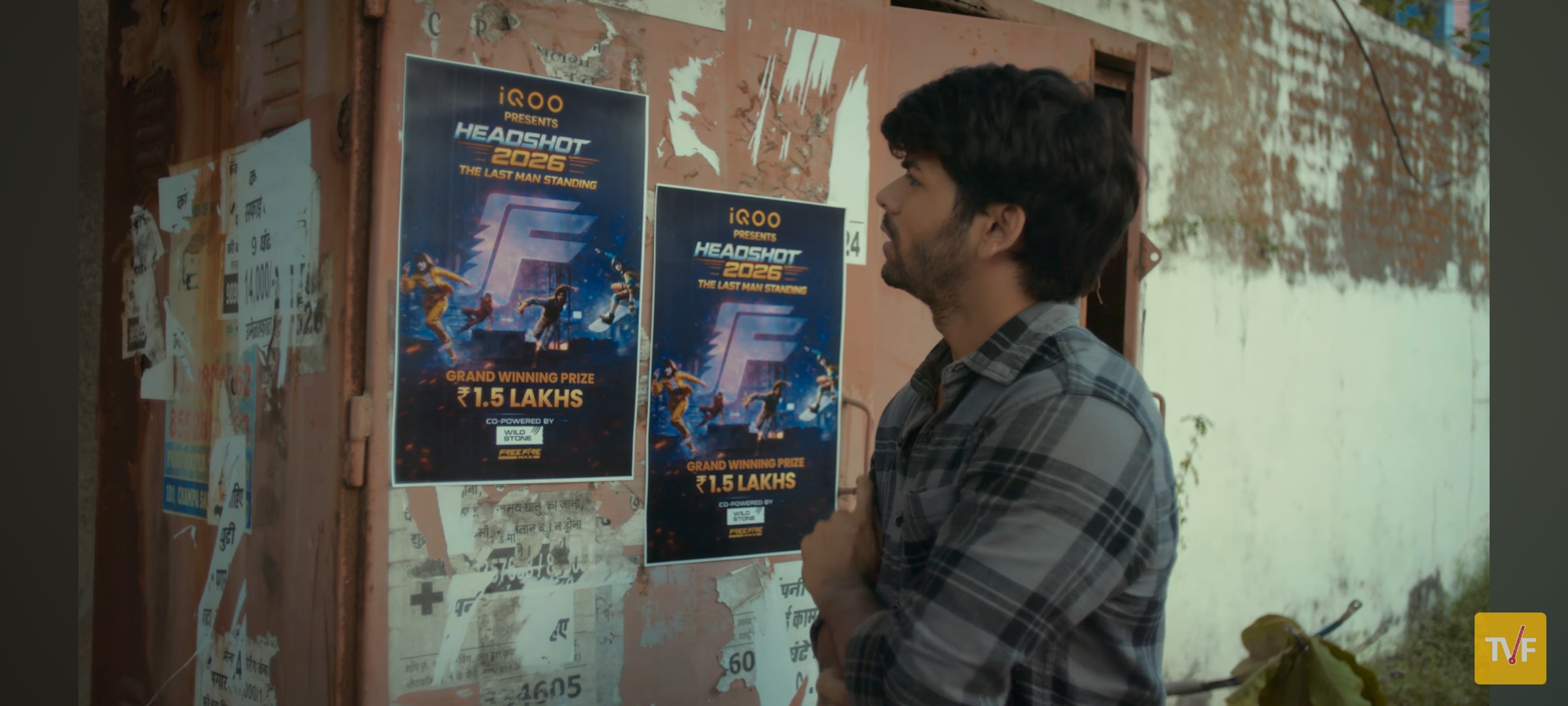
Episode 2 is expected to revolve around Sachin’s biggest dilemma choosing between passion and responsibility. After being encouraged by Daniel Gaming to participate in the iQOO Headshot Tournament, which offers a prize pool of ₹1.5 lakh, Sachin finally sees a real opportunity to prove himself in gaming. This moment could mark the beginning of his serious journey as a competitive player.However, things are not that simple. Just as he starts considering this path, Sachin receives a call informing him that he has secured a job with a salary of ₹25,000 per month. This creates a strong internal conflict, as the job represents financial stability and responsibility towards his family, while gaming represents his passion and dream. This decision will likely shape the direction of his future.
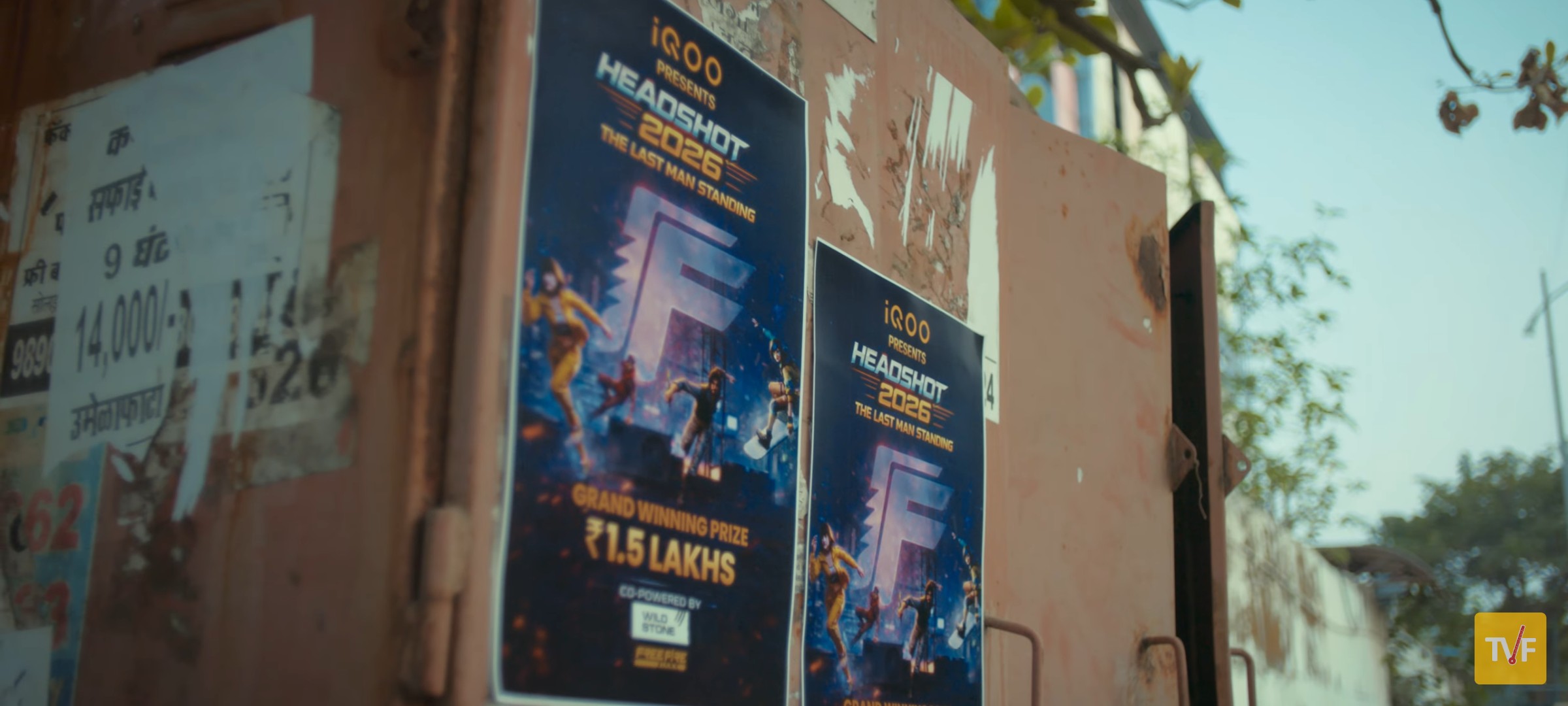
At the same time, external challenges are expected to increase. Sachin will continue to face pressure from Prince and his gang, especially regarding shop rent and constant taunts. On top of that, his father’s scolding and disappointment may intensify if he chooses gaming over a stable job. Episode 2 will likely push Sachin into a more intense phase, testing his determination and forcing him to take a clear stand on what truly matters to him.
Episode 1 : WATCH NOW
Follow For More : @TESVIPER10
I QUEST ON AND ON 💛 🖤
Please sign in
Login and share