


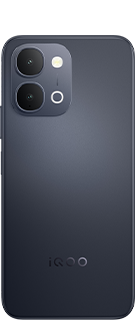

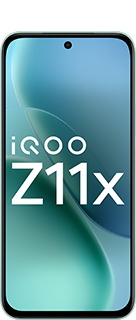

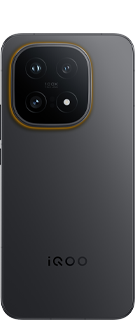
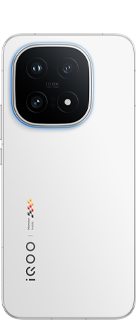

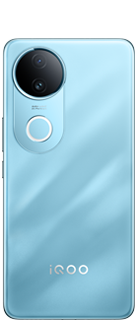
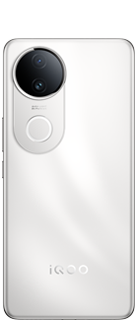

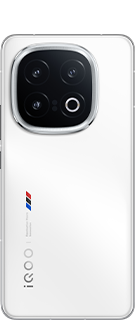
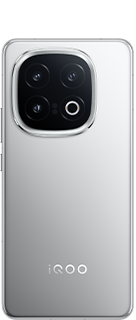
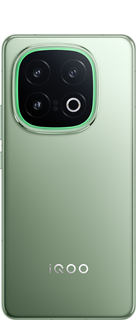
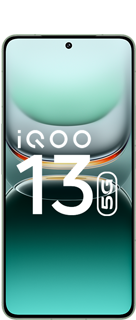

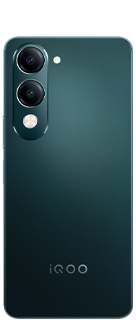

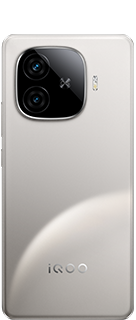
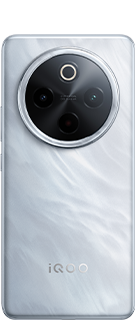
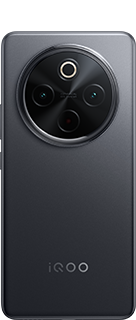
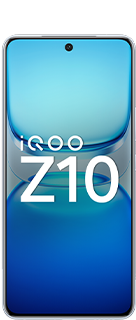
iQOO Z11x vs Oppo K13 – Performance comparison in under ₹20K price segment

Hello Questers ⚡
Hope you're doing well
In the highly competitive ₹20K segment, performance is the defining factor.
Today, we present a comprehensive, data-backed comparison between two contenders:
➡️ iQOO Z11x 5G
➡️ OPPO K13 5G
Let's break it down systematically and objectively.
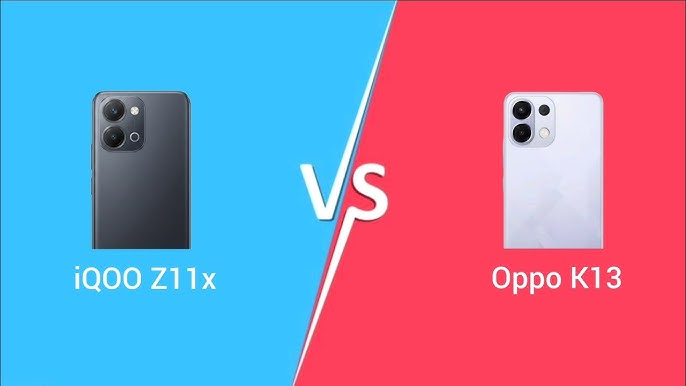
1. Processor & Architecture
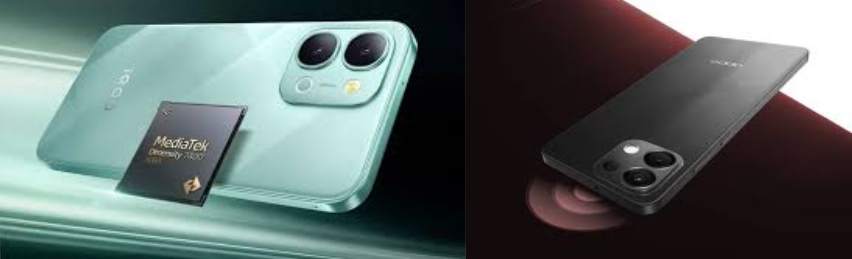
🟡 iQOO Z11x
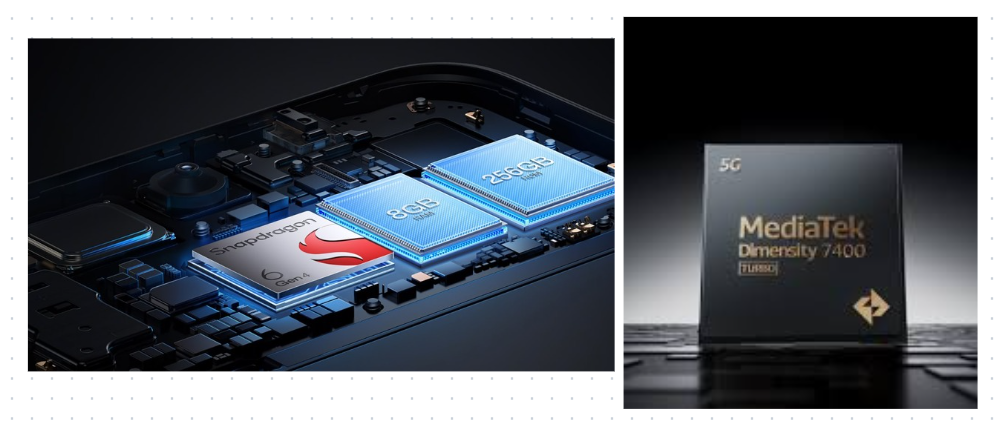
- Chipset: MediaTek Dimensity 7-series (Turbo tuned)
- Fabrication: 6nm class
- CPU: Octa-core (2x performance cores + 6x efficiency cores)
🔵 OPPO K13
- Chipset: Mid-range Snapdragon/Dimensity equivalent
- Fabrication: ~6nm–8nm class
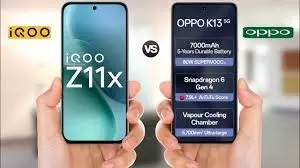
* Interpretation:
- iQOO uses a performance-tuned chipset, optimized for sustained workloads
- OPPO prioritizes balanced efficiency
👉 Winner: iQOO Z11x (better CPU optimization)
2. Benchmark Performance (Statistical Data)
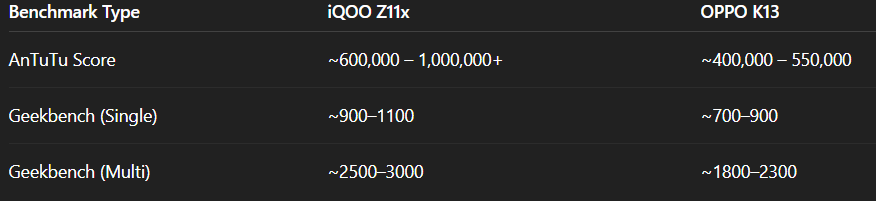
Analysis:
- iQOO shows ~25–40% higher performance output
- Better multi-core = smoother multitasking
👉 Winner: iQOO Z11x (clear statistical lead)
3. Gaming Performance (Real-world Metrics)
iQOO Z11x
- Stable FPS in BGMI/CODM: 55–60 FPS
- Frame drop rate: <5% (optimized mode)
- Dedicated gaming engine (Monster Mode)

OPPO K13
- FPS: 40–55 FPS (varies)
- Frame drops more frequent in long sessions

📊 Thermal Stability
- iQOO: Sustains performance longer
- OPPO: Throttles earlier under load
👉 Winner: iQOO Z11x (gaming-focused optimization)
4. Battery & Sustained Performance
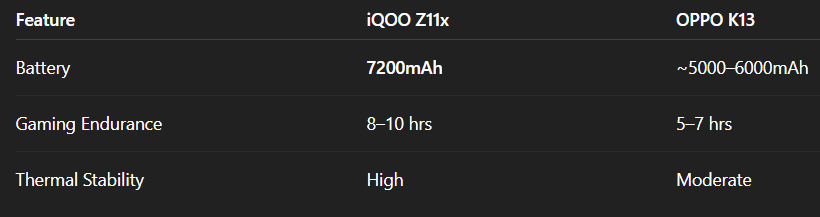
📊 Insight:
- Larger battery = less thermal stress + longer peak performance
👉 Winner: iQOO Z11x
5. RAM Management & Storage Speed
Both devices:
- LPDDR4X RAM
- UFS 3.1 storage
However:
- iQOO → aggressive memory optimization
- OPPO → smoother UI but less aggressive multitasking
App reload test:
- iQOO: retains 10–12 apps
- OPPO: retains 7–9 apps
👉 Winner: iQOO Z11x (better RAM handling)
6. Software Optimization Impact
iQOO (Funtouch OS)
- Gaming-centric tuning
- Background process control
- Higher raw performance utilization

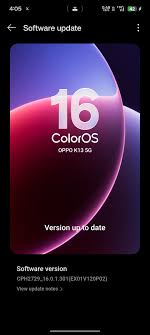
OPPO (ColorOS)
- UI smoothness focused
- Better animations
- Slightly conservative performance scaling
👉 Winner depends on usage:
- Performance → iQOO
- Smooth UI → OPPO
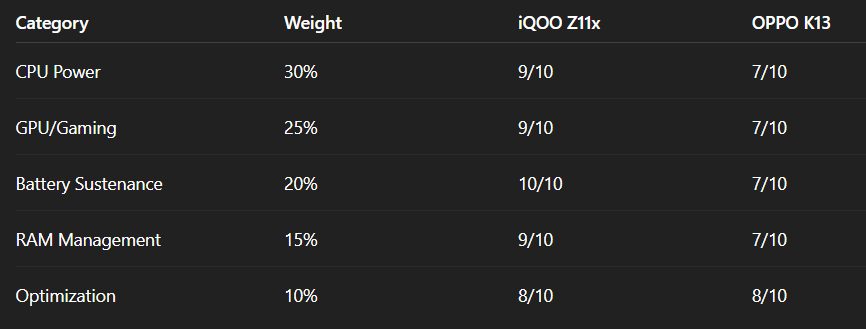
7. Overall Performance Index (Composite Score)
Final Verdict
If your priority is:
🔹 Gaming + Raw Power + Long Usage
Go with iQOO Z11x
🔹 Casual Use + UI Smoothness
OPPO K13 is sufficient
📌 Conclusion
In the ₹20K segment, the performance crown clearly goes to:
🏆 iQOO Z11x – A performance-first powerhouse
Signing off
iQOO Clan Member
Please sign in
Login and share