




























India’s Longest Cantilever Bridge – An Engineering Marvel 🌉

India’s infrastructure heritage proudly features the iconic Howrah Bridge, widely recognized as the country’s longest cantilever bridge and one of the most remarkable feats of engineering from the pre-independence era.
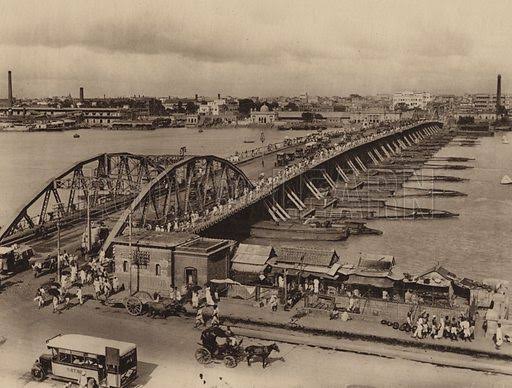
Commissioned in 1943, during a period of global turmoil, the bridge was constructed over the Hooghly River to connect the bustling cities of Kolkata and Howrah. Designed as a balanced cantilever structure, it eliminated the need for piers in the river’s main channel—an essential feature given the river’s depth, strong currents, and heavy navigation traffic. With a main span of about 457 meters, the bridge stood among the largest cantilever bridges in the world at the time.
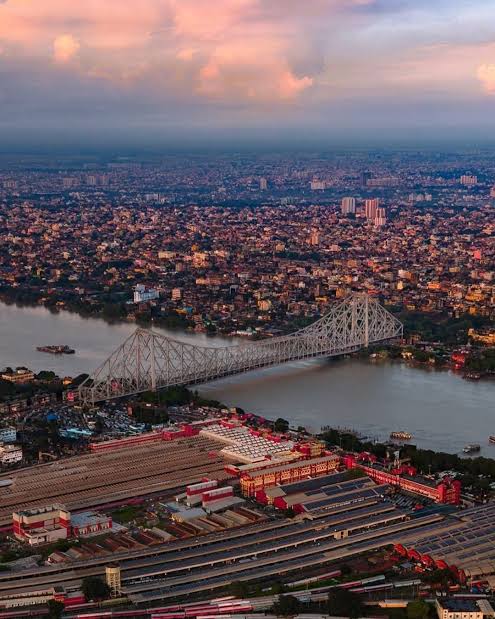
Beyond its structural brilliance, Howrah Bridge holds immense socio-economic importance. It serves as a lifeline for millions of commuters daily, symbolizing the pulse of eastern India’s commercial and cultural activities. Its endurance over decades, despite heavy traffic and environmental stress, reflects both the foresight of its designers and the resilience of Indian infrastructure.
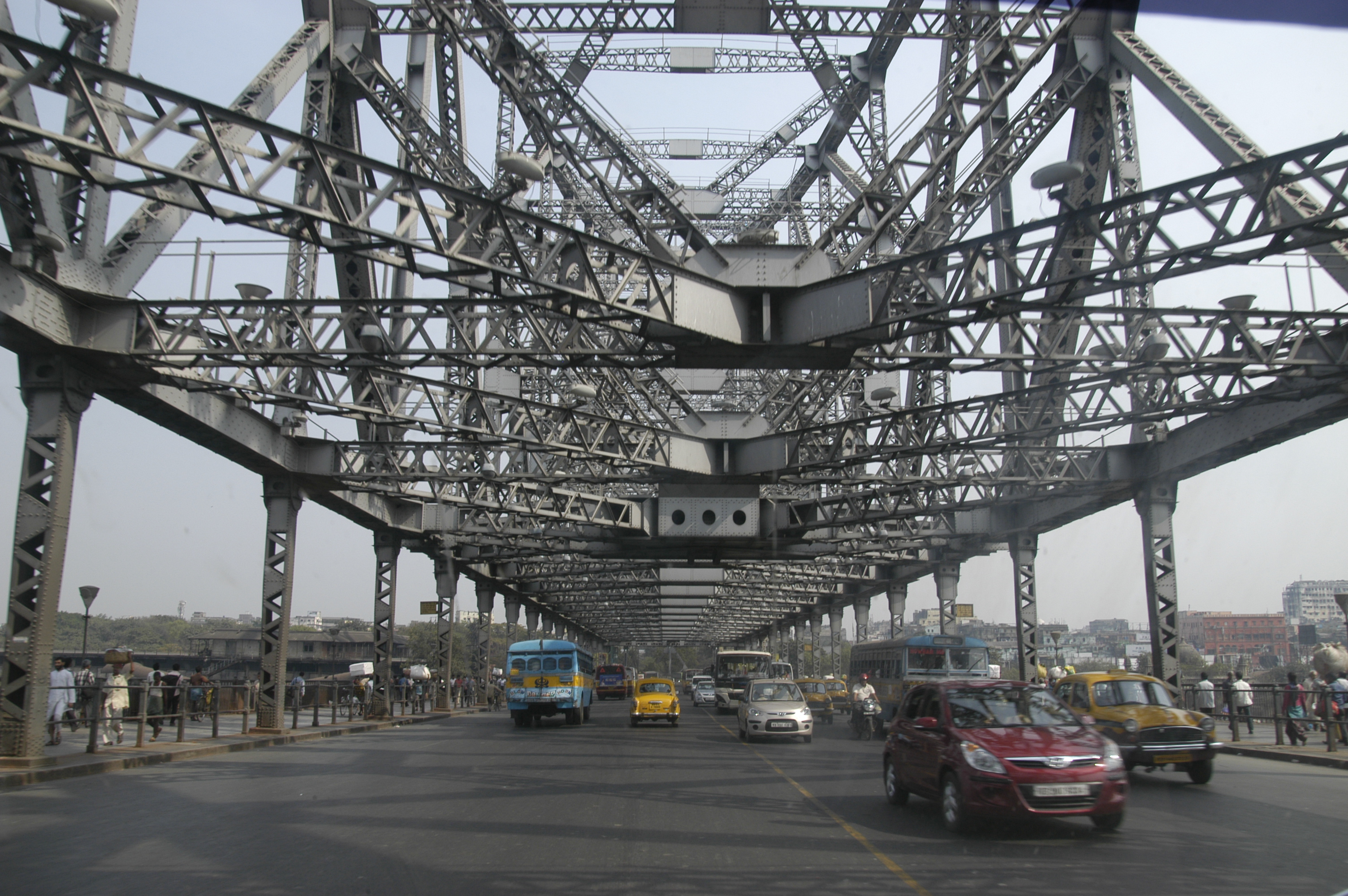
The official name of the Howrah Bridge is Rabindra Setu. It was renamed on June 14, 1965, to honor the Nobel laureate Rabindranath Tagore. While it is officially Rabindra Setu, it remains popularly known as the Howrah Bridge, which is a cantilever truss bridge connecting Kolkata and Howrah. Connecting Kolkata with Howrah, the bridge has evolved into one of the busiest cantilever bridges in the world, carrying millions of pedestrians and vehicles daily. It is more than a transport link; it is the lifeline of eastern India’s economic and cultural exchange. Its enduring presence reflects the rhythm of the city—dynamic, crowded, and resilient.
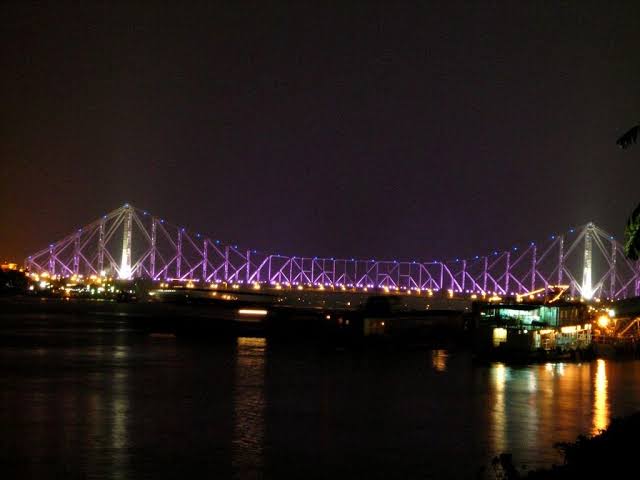
However, as India rapidly modernizes, the legacy of such engineering landmarks raises important questions. While new bridges with advanced materials and designs are being constructed, maintaining and preserving historical structures like Howrah Bridge is equally crucial. Conservation efforts must balance modernization with heritage protection to ensure these icons remain functional and relevant.
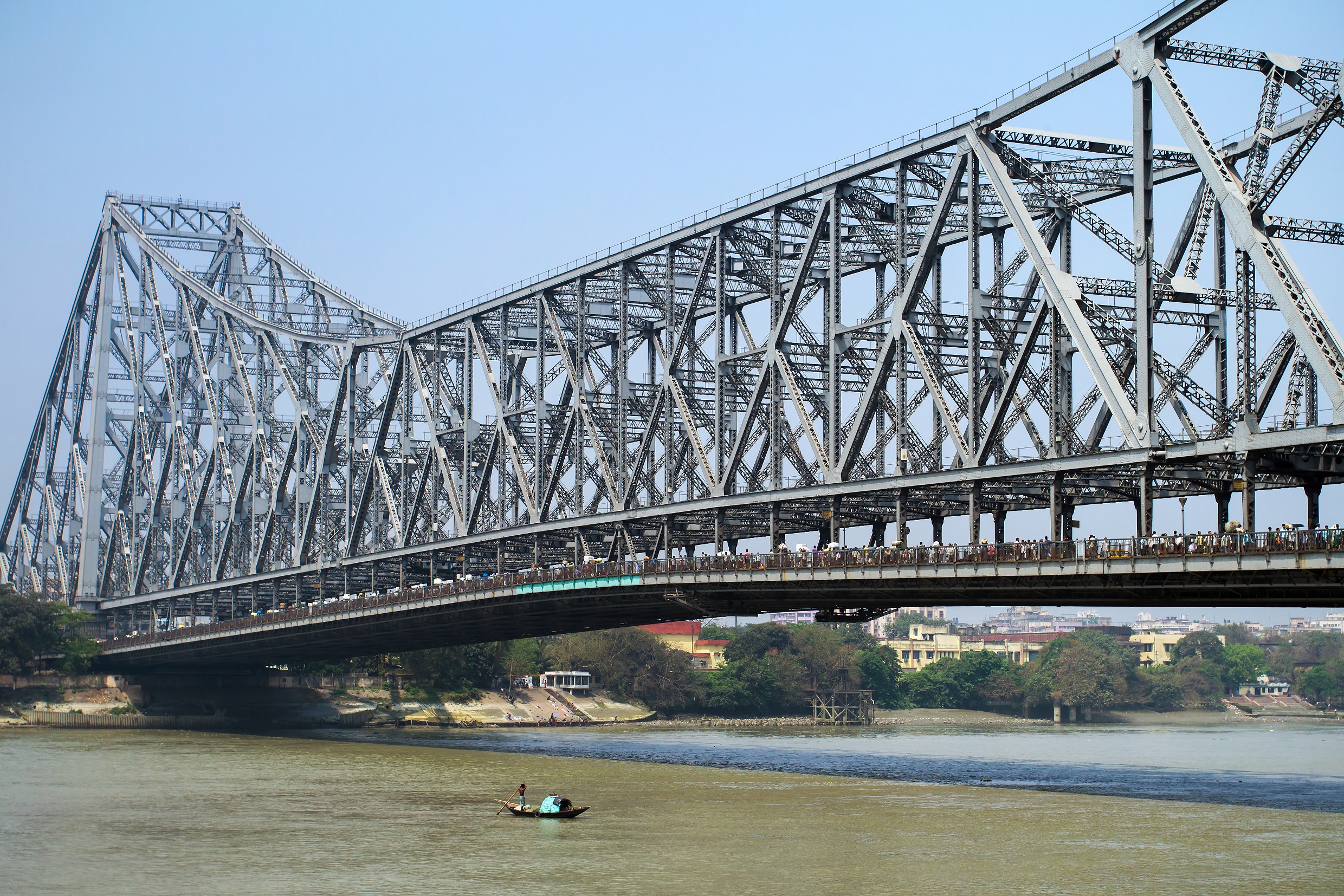
In conclusion, the Howrah Bridge is not merely India’s longest cantilever bridge; it is a testament to engineering excellence, historical significance, and urban vitality. Its continued relevance underscores the need to integrate innovation with preservation in India’s infrastructure journey.
@Swagg_rohit@YasirTheJOD@Manab10@ARITRA@iQOO Connect@VikashYadav@parakram_h@Tutan@RoshniGupta
Please sign in
Login and share