







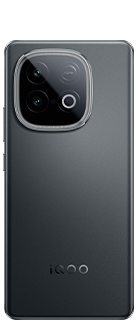
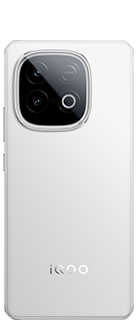
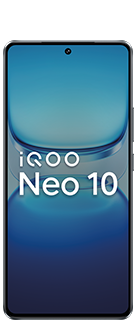




Star Trails on iQOO 15R 📱🌌 Proof That It's Not the Camera, It's the Vision:

"
Anyone can click these with a camera—but doing it on a phone is a different game.
The experiments, failures, and chasing the perfect settings—that’s what gives me the real adrenaline. ⚡
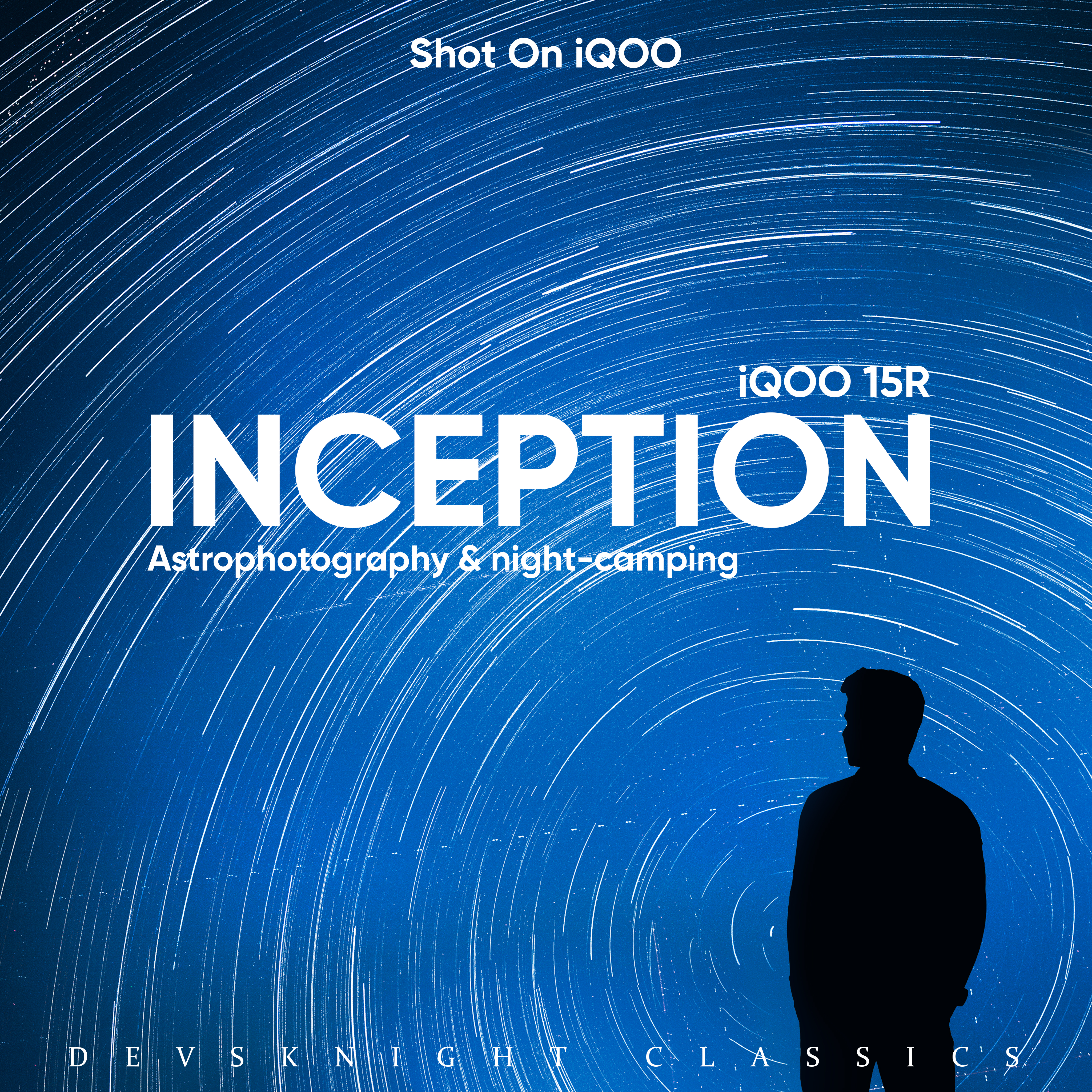
🌌 The Curiosity: “Is This Even Possible?”
I was wondering how to click star trails, but honestly it felt almost impossible—especially with just a smartphone camera. I always believed you needed a dedicated DSLR or astrophotography setup to even attempt something like this. From my area, the sky is quite polluted, and on most nights I could barely see a couple of stars.

Still, I decided to try.
🌠 The First Attempt: Hope in Imperfection
I captured my first shot with whatever limited visibility I had. The result wasn’t great—but it wasn’t nothing either. Looking at that image, I realized something important: maybe this is possible.
That small success pushed me to experiment more.

⚙️ Trial and Error: Learning the Hard Way
I started changing settings and trying again. This time, the result was slightly better. Then I did it again. And again.
I aimed toward the northern sky to try getting those circular star trails—but I failed at first. The trails didn’t form properly. Something was off.
So I adjusted the settings again, specifically for the northern sky.

🎯 The Breakthrough: Cracking the Formula
This time—it worked.
I finally managed to capture proper circular star trails. That moment felt like I had figured something out, like I had cracked a code. From there, I kept refining until I felt I had reached a level of perfection with my setup and technique.
But then came a new thought:
“What if I push this even further?”

🌾 The Expedition: Dhaniyakhali Night Camp
To take things to the next level, I went to Dhaniyakhali—a rural village about 30 km away. It has much lower light pollution compared to my area.
We reached there around 11 PM.
We set up our tripod, aligned everything toward the north (targeting the Polaris star), and prepared for a long session. From my home, Polaris appears very close to the horizon, so I needed a clearer sky—and this location gave me that.

⛺ The Shoot: 6 Hours Under the Stars
We started capturing and let the camera run continuously. Since star trails require long durations, we stayed there for about 6 hours.
We even set up a small camp. Me and my brother took turns staying awake so that no one would disturb or steal the setup. The rest of the time, we rested inside.
Just us, the silence of the night, and my phone—iQOO 15R—doing its job.

📸 The Results: Pure, Unfiltered Output
After hours of capturing and stacking, the results came out exactly how I had imagined.
All the photos are taken using the iQOO 15R only—no external camera, no advanced gear.
There is no artificial editing done. The sky looks exactly like this after stacking the images.

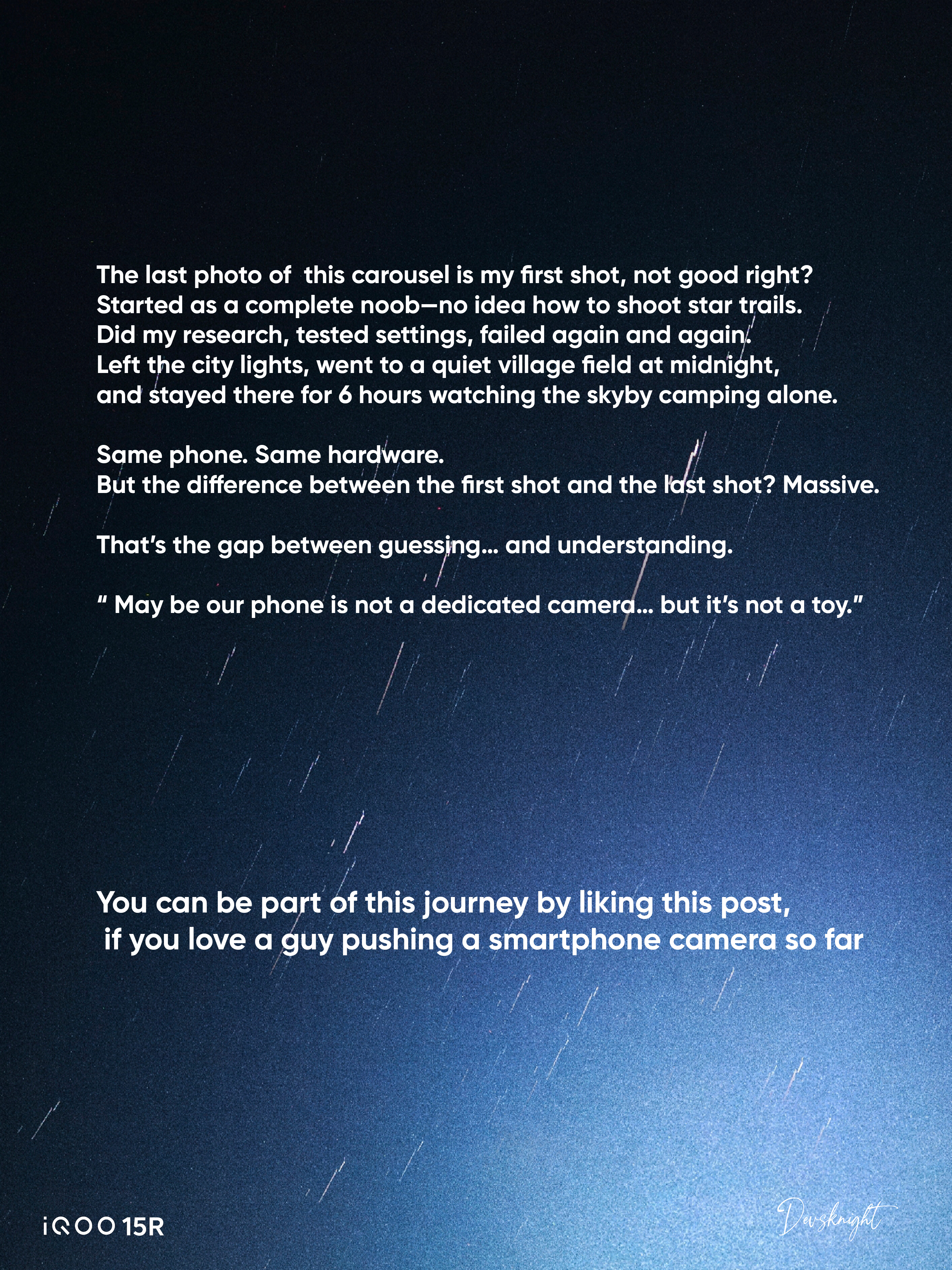
My first star-trail click which started everything
📂 Transparency & Proof (Drive Link Section)
I’ve uploaded all the original images to my drive click here - Google-Drive .
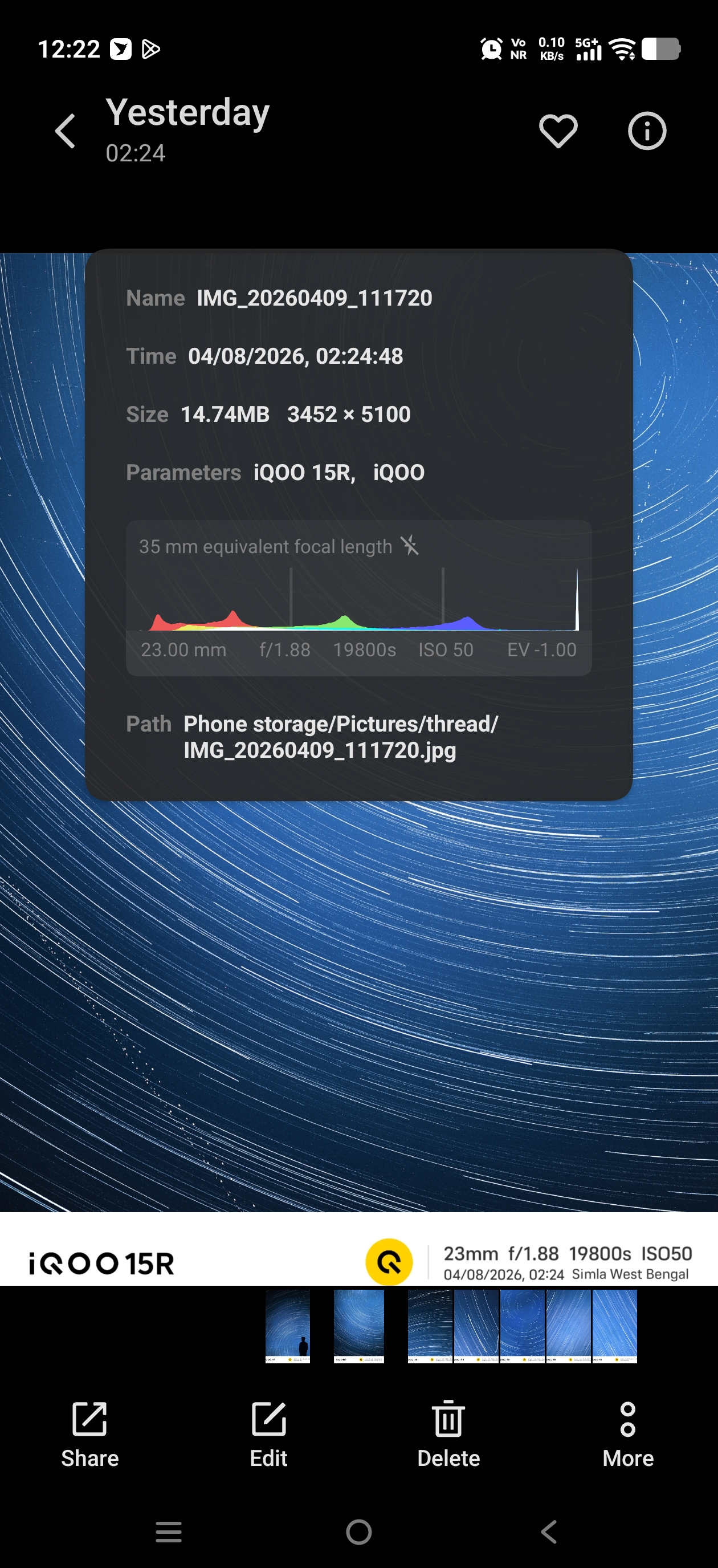
Anyone can download them, check the authenticity data, observe the details, and verify whether they are real or AI-generated. Everything is transparent.
Even if you're just learning, these files will help you understand the settings and process because all the parameters I used are already there. Here is a screenshot
Special thanks to
@YasirTheJOD @Swagg_rohit @parakram_h @NITIN @arjunbansal @NipunMarya @ParthNirmal @TechSAM009 @sharon @Tutan @Manab10 @MKJEDI @ayuu @HasanRazaKhan @Gautamrawat_gsr @Honey_gerwani @Tilak @Manab10 @PRITHVI @JStreetS @mohammednawaz @ReshamDas @VikashYadav @RZ Nitin @Rashianthony @RafIQOO @KrishnaVamsi @TESVIPER10 @Nikhil_liftss @AbhimanyuKushwaha @Harish12 @ManoChandar
Thank you for having a look and giving a thumbs up to my thread
Thank you @iQOO Connect for giving us the amazing platform to share emotions
Your Sincerely,
Quester at iQOO Community
If you love my works, please do consider to check my instgram once,
Click here --> FOLLOW-ON-INSTA
#FeatureMeOnSocial
Please sign in
Login and share