




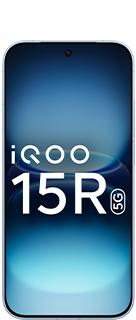
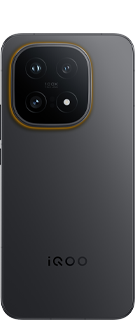
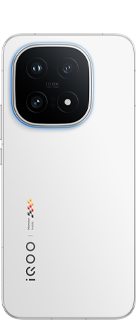
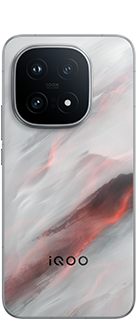

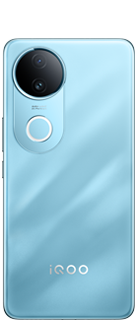
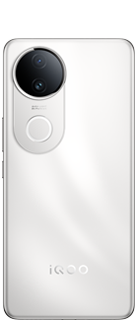

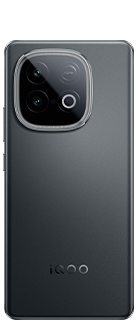
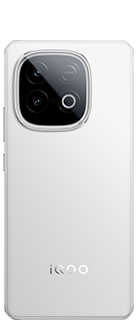
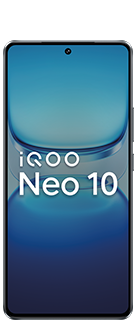


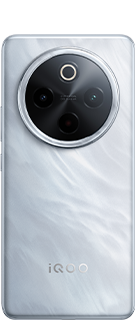
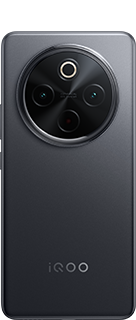
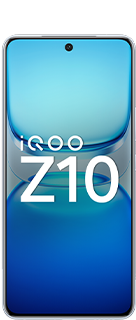
The iQOO 15R Screen Is Better Than You Think

Hey Questers,
Everyone's talking about the Snapdragon 8 Gen 5 , Q2 Chip and that giant battery But the display? That's the part nobody's giving enough credit to.
6.59" Amoled display
144Hz refresh rate
5000nit peak brightness
1.5K Resolution
3200Hz Touch sampling rate
HDR10+ Certification
Okay, Let's Be Honest for a Second
hen iQOO announced the 15R, the crowd went wild over two things the Snapdragon 8 Gen 5 chip and that enormous 7,600mAh battery. Fair enough. Those are big deals. But there's something else sitting right in front of your face, literally, that's been flying under the radar.
The display on this phone is genuinely impressive. Not "impressive for the price" impressive. Just impressive. A 1.5K AMOLED panel with 5,000 nits of peak brightness, 144Hz, HDR10+, and an eye care system that actually does something useful all under ₹50,000. That's a combination you simply don't find here.
At ₹44,999, the iQOO 15R gives you a screen that phones twice its price were offering a couple of years ago.
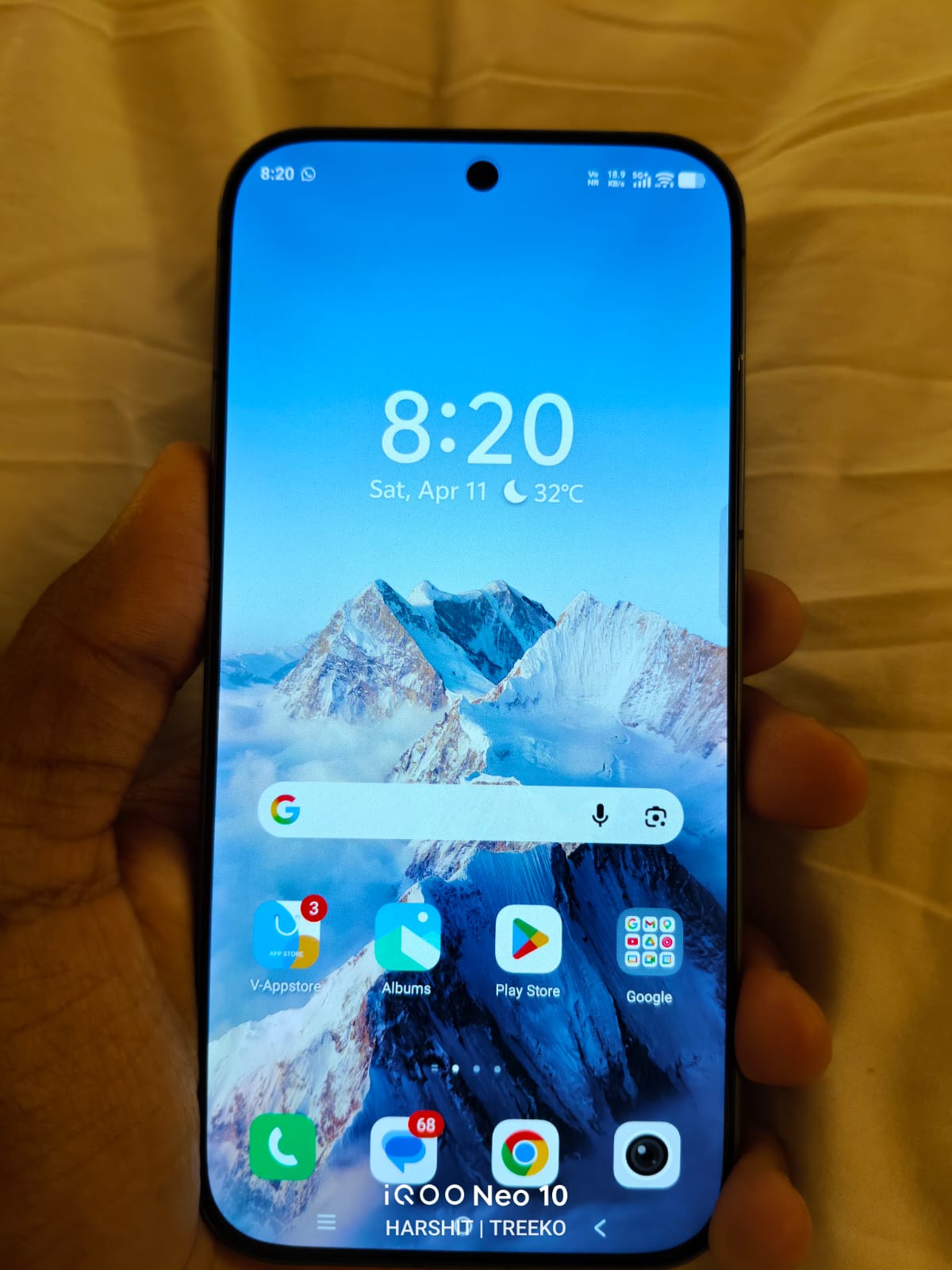
So let's dig into it properly. What's actually good, what's a little overhyped, and is there anything you should know before you buy?
The Panel
A 1.5K AMOLED That Earns Its Name :-
The 6.59-inch AMOLED panel runs at 2,750 × 1,260 pixels, which works out to about 459 pixels per inch. In plain English you're not going to see individual pixels. Text is sharp, photos look detailed, and fine print on websites doesn't feel like it's fighting you. It's noticeably crisper than the Full HD+ panels you get on competing phones in this bracket.
Colours are vivid by default, which most people will love. If you're someone who prefers a more natural, accurate colour profile, there are options in the display settings to dial it back. The flexibility is appreciated not every phone offers that.
The screen also goes down to just 1 nit minimum brightness which matters more than people realise. Using your phone in a dark room at 2am without your eyes screaming at you? That's thanks to this.
Refresh Rate — The Real Talk
144Hz Is Real. But There's a Catch :-
Let's not dance around it. The 144Hz headline is real, but it comes with an asterisk. The display is technically capable of 144Hz, but that top speed is reserved for gaming. Outside of games, the highest you'll see is 120Hz which is still great, just not what the spec sheet shouts about.
Here's how the three modes actually break down in daily use:-
Refresh Rate Modes — What Actually Happens
Smart Adaptation:
Automatically adjusts. Most apps and social media settle at 90Hz or below. Good for battery life, a little frustrating if you want silky smooth scrolling everywhere.
Standard (60Hz):
Fixed. Saves battery but feels a bit dated after using a high-refresh phone.
High (144Hz in games, 120Hz elsewhere):
This is the sweet spot for daily use. Set it once, forget about it.
Where the 144Hz genuinely shines and this is a big deal for gamers is in actual gameplay. Paired with a 3,200Hz instantaneous touch sampling rate, the response you feel when playing BGMI or COD is noticeably quicker than most phones in this range. Taps register fast, swipes feel precise.
Eye Protection
Finally, Eye Care That's Actually Useful
Most phones slap a "Night Mode" toggle on and call it eye care. iQOO went further with what they call Eye Protection Mode 2.0 and while it sounds like marketing fluff, several of the features genuinely make a difference during long sessions.
:- Sleep mode
:- 1 nit low brightness
:- Gaming Eye Guard
:- motion prompts
There's also something baked into the hardware that doesn't get enough attention: 4,320Hz High-Frequency PWM Dimming. OLED screens dim themselves by rapidly switching on and off and at low frequencies, this can cause eye fatigue or headaches for sensitive users. At 4,320Hz, the flicker is so fast it's essentially imperceptible. It's a thoughtful touch that you won't notice until you compare it against a phone that doesn't have it.
iQOO 15R vs Oneplus 15R
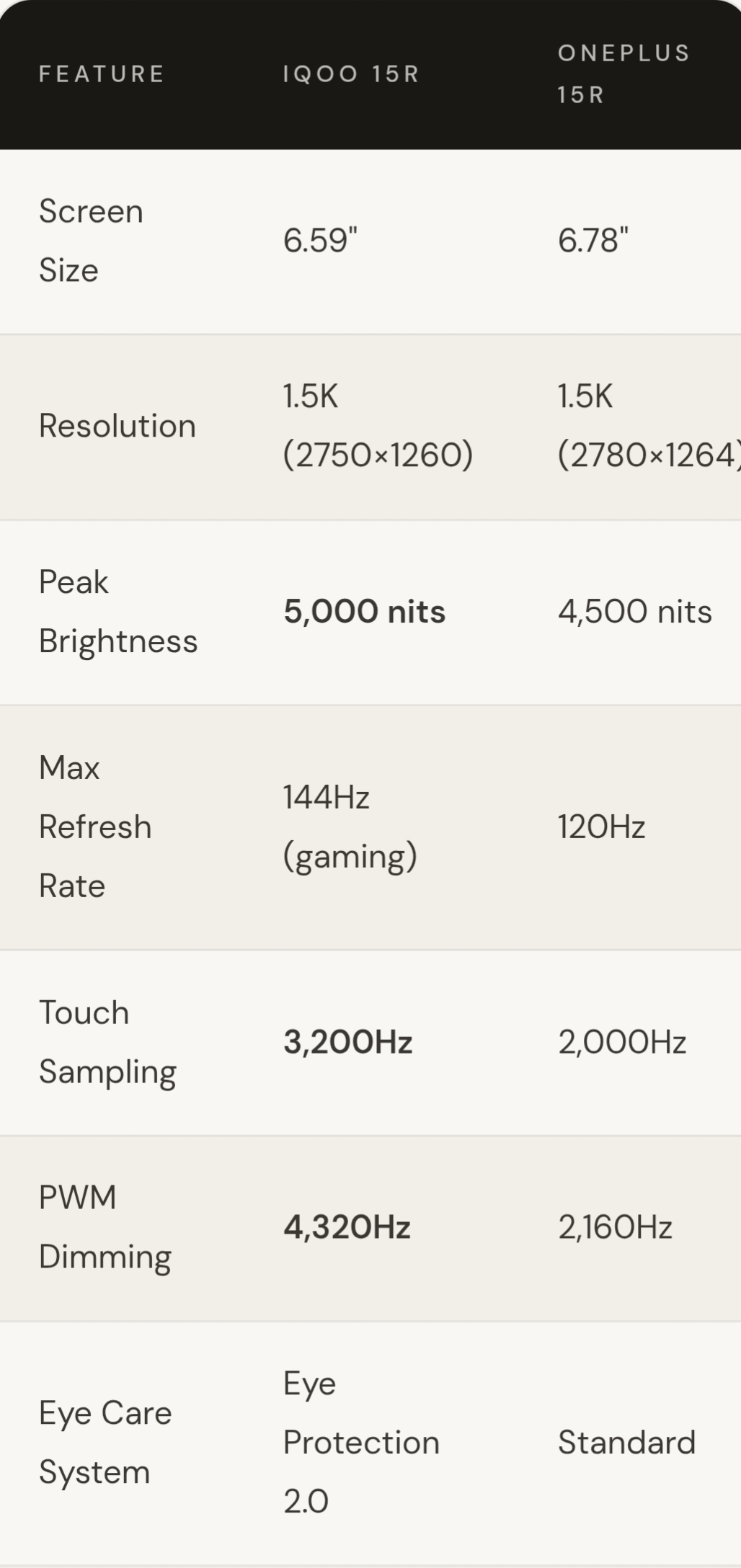
iQOO 15R straight win
Thank you
Your Qool Clan member
& Part of Questers review program
@iQOO Connect@ParthNirmal@parakram_h@Bhargav_Aggarwal
@NITIN@Aojesh@Sourav@Tilak@ayuu@MKJEDI@Hasratsingh@TechSAM009
Please sign in
Login and share