







Explained: What IP rating means and how IP68, IP69 affect device durability

Hey Questers ❤️
IP ratings define how well devices resist dust and water. From IP67 to IP69, these standards help buyers understand durability, protection levels, and suitability for everyday use and exposure conditions.
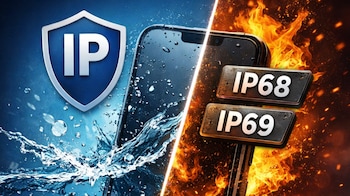
Smartphones and other electronics now commonly come with IP ratings such as IP67, IP68, and increasingly IP69. These labels indicate how well a device can resist dust and water. As manufacturers push durability further, understanding these ratings has become important for buyers choosing devices for everyday or demanding use.
What IP rating means
IP stands for Ingress Protection, a global standard defined by the International Electrotechnical Commission (IEC). It measures how effectively a device is sealed against external elements like dust and liquids.
An IP rating usually has two digits. The first digit represents protection against solid particles such as dust, ranging from 0 to 6. A rating of 6 means the device is fully dust-tight. The second digit refers to resistance against water, ranging from 0 to 9. Higher numbers indicate
stronger protection, including resistance to powerful water jets.
Are IP-rated devices fully waterproof
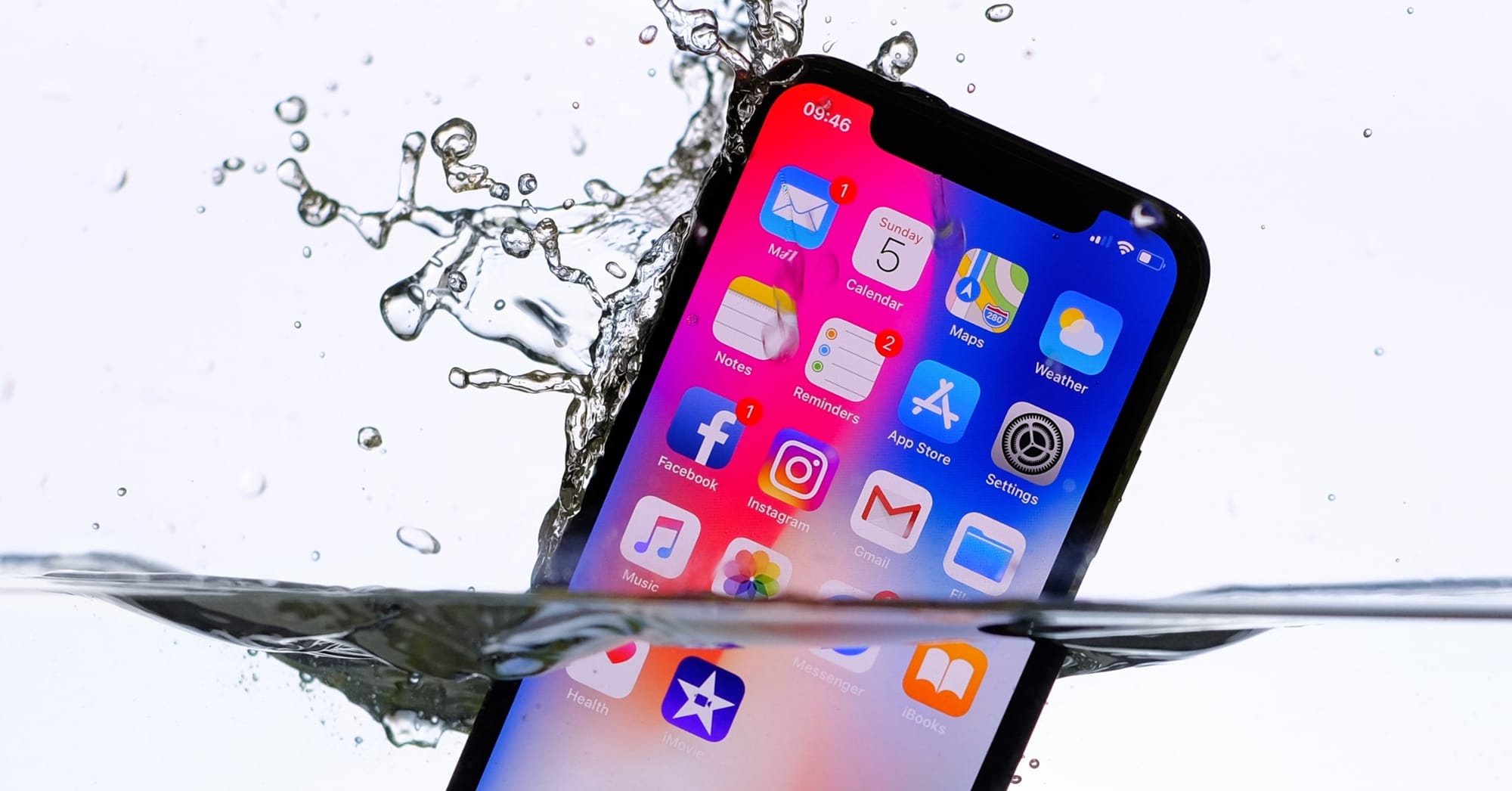
An IP rating does not mean a device is completely waterproof. These tests are conducted under controlled laboratory conditions using clean water. Real-world conditions vary, and exposure to liquids such as saltwater, soap, or beverages can still cause damage.
Even with high ratings, repeated exposure or prolonged immersion may reduce protection over time. Users should treat IP ratings as guidance rather than a guarantee of complete safety.
Understanding IP67, IP68 and IP69
IP68 is one of the most common ratings in premium smartphones. It indicates complete dust protection and the ability to survive submersion in freshwater, typically up to 1.5 metres for around 30 minutes.
IP67 offers similar dust resistance but slightly lower water protection, usually up to 1 metre for a limited duration.
IP69 represents a higher level of durability. In addition to full dust protection, it can withstand high-pressure and high-temperature water jets. This rating is often found in rugged devices and industrial equipment designed for extreme conditions.
Why IP ratings matter
IP ratings help users understand how a device will perform in daily scenarios such as rain, accidental spills, or exposure to dust. While they do not make a device indestructible, they provide a standardised way to compare durability across products.
For users, especially in environments with dust, water, or outdoor exposure, choosing a device with the right IP rating can improve reliability and longevity.
Follow for such more informative threads ➡️ @RZ Nitin

Thank you ☺️
Your qool Quester, Ranger : Nitin Mishra ❤️
@iQOO Connectcommunity 🥳🔥😍
@NipunMaryasir 🫡✨🔥
@parakram_hbhai 🫡💫🫂
@ParthNirmalbhai 😍🔥❤️
@woahyashbhai ☺️🫶🥳
Please sign in
Login and share