



























Explainable AI (XAI) — Why Understanding AI Decisions Matters

Explainable AI (XAI) — Why Understanding AI Decisions Matters
🚀 Introduction
Artificial Intelligence is becoming smarter every day. It recommends what we watch, helps doctors detect diseases, approves loans, filters spam emails, and even assists in hiring employees.
But here's the real question...
What if AI makes a wrong decision?
More importantly...
Can it explain WHY it made that decision?
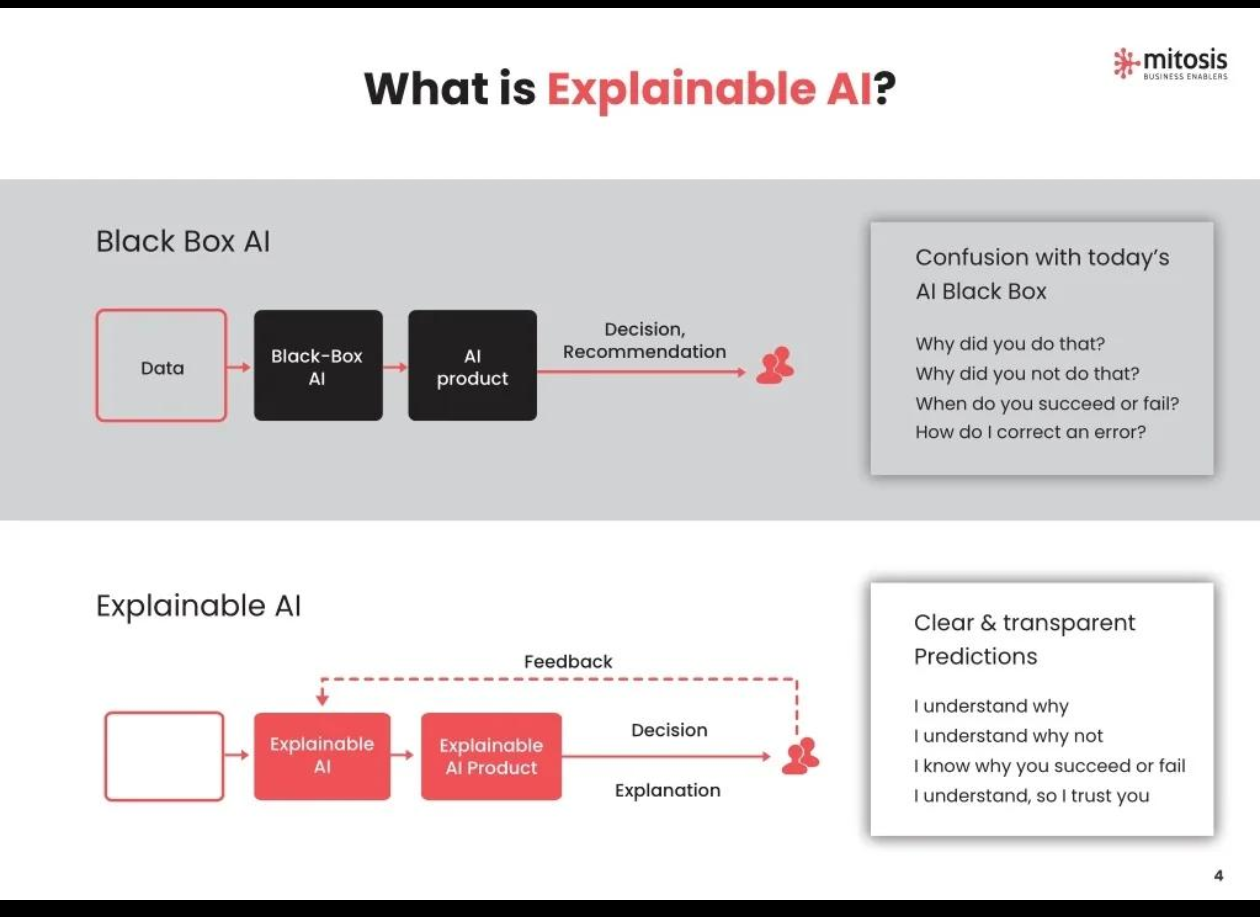
This is where Explainable Artificial Intelligence (XAI) comes in.
Instead of being a mysterious "black box," Explainable AI allows humans to understand how an AI system reaches its conclusions. In industries like healthcare, finance, law, and cybersecurity, transparency isn't just helpful—it's essential.
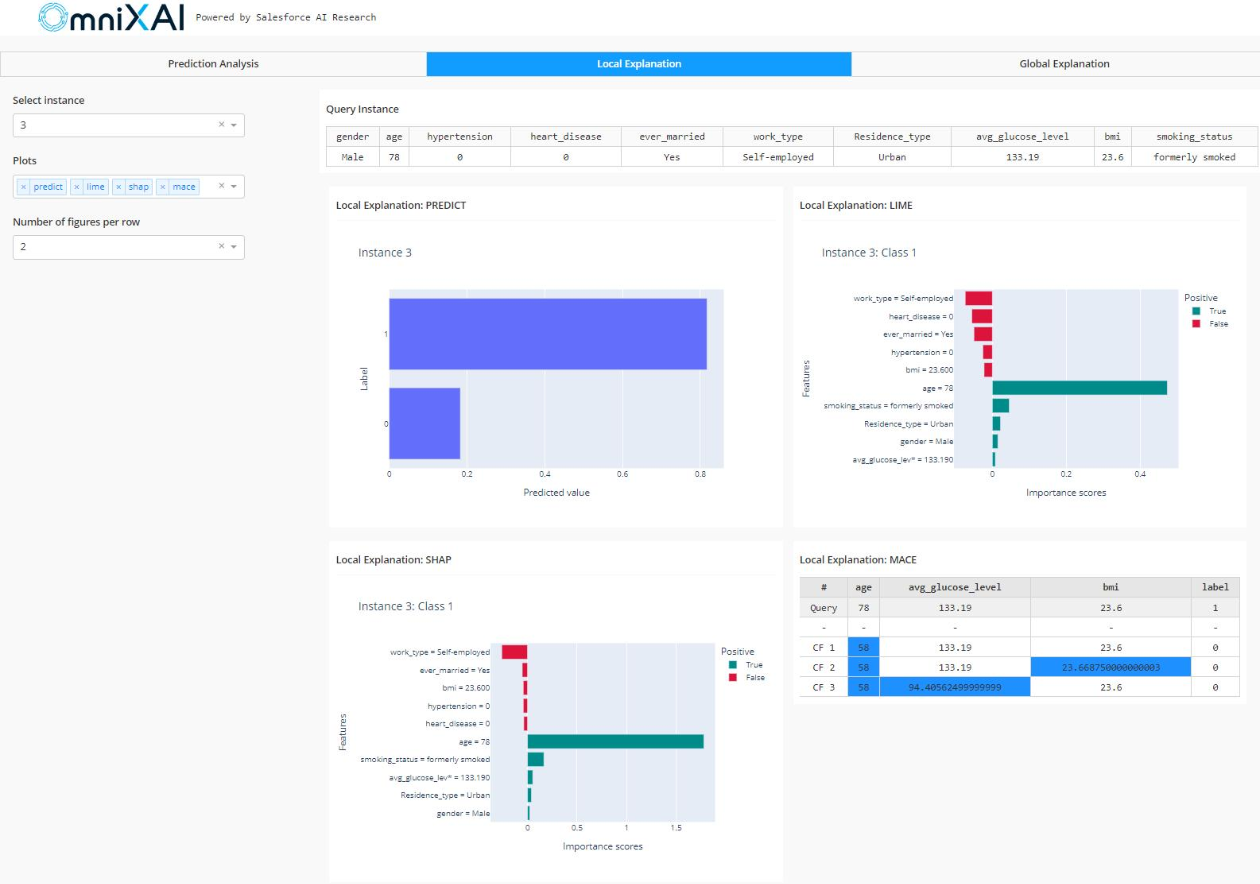
📖 What is Explainable AI?
Explainable AI (XAI) is a set of methods and technologies that make AI models understandable to humans.
Instead of simply providing an answer like:
«"Loan Rejected."»
XAI explains:
- Income was below the required threshold.
- Credit utilization was too high.
- Existing debt increased the risk score.
This transparency helps users trust AI systems while enabling organizations to verify that decisions are fair and reliable.
🕰️ History & Origin
During the early days of AI, most models were relatively simple and easy to understand.
However, with the rise of Deep Learning and Neural Networks, AI became significantly more powerful—but also much harder to interpret.
These complex models were often called "Black Box AI" because even their creators couldn't fully explain every decision.
As governments introduced regulations emphasizing accountability and fairness, Explainable AI emerged as a major research field focused on making advanced AI more transparent.
⚙️ How Does Explainable AI Work?
Instead of only displaying a prediction, XAI identifies the factors that influenced the result.
Some common approaches include:
• Feature importance analysis
• Decision trees
• SHAP (Shapley Additive Explanations)
• LIME (Local Interpretable Model-Agnostic Explanations)
• Attention visualization
These techniques allow developers and users to inspect how an AI system arrived at its final decision.

🌍 Real-World Applications
🏥 Healthcare
Doctors can understand why an AI believes a patient may have a particular disease by highlighting the most influential medical indicators.
💳 Banking & Finance
Banks can justify why a loan application was approved or rejected, improving transparency and customer trust.
🚗 Self-Driving Vehicles
Engineers can analyze how autonomous systems identify pedestrians, road signs, and obstacles.
⚖️ Legal Systems
AI-assisted legal tools can provide explanations for recommendations, supporting accountability in decision-making.
🛡️ Cybersecurity
Security teams can understand why unusual network activity was classified as suspicious, helping them respond more effectively.
✅ Benefits
✔ Builds user trust.
✔ Makes AI decisions transparent.
✔ Helps detect bias and discrimination.
✔ Supports compliance with regulations.
✔ Simplifies debugging and model improvement.
✔ Encourages responsible AI adoption.
✔ Improves collaboration between humans and AI.
⚠️ Challenges
Despite its advantages, Explainable AI has limitations.
❌ Complex AI models remain difficult to explain fully.
❌ Greater transparency can sometimes reduce predictive performance.
❌ Explanations may oversimplify highly complex reasoning.
❌ Building explainable systems requires additional expertise and development effort.
❌ There is no single explanation technique suitable for every AI model.

🛡️ Best Practices
Organizations should:
• Integrate explainability during model development rather than after deployment.
• Test models for fairness and bias.
• Use trusted explanation frameworks.
• Provide understandable explanations for both technical and non-technical users.
• Regularly monitor model performance as data changes over time.
🔮 Future Scope
As AI continues to influence critical decisions, Explainable AI will become increasingly important.
In the coming years, XAI is expected to:
• Improve trust in healthcare AI.
• Support ethical AI regulations worldwide.
• Strengthen autonomous vehicle safety.
• Increase transparency in financial services.
• Become a standard requirement for enterprise AI systems.
The future of AI isn't just about making smarter models—it's about making smarter models that humans can understand.
🤯 Interesting Facts
• Many advanced AI models can achieve excellent accuracy while still being difficult to interpret.
• Explainable AI is becoming a key requirement in industries where decisions directly affect people's lives.
• Frameworks like SHAP and LIME are widely used to interpret machine learning predictions.
• Transparency helps organizations identify hidden biases before AI systems are deployed at scale.
💡 Final Thoughts
Artificial Intelligence should never become something that humans blindly trust without understanding.
Explainable AI bridges the gap between powerful machine intelligence and human confidence by making complex decisions easier to understand.
As AI becomes more integrated into everyday life, transparency, fairness, and accountability will be just as important as accuracy.
Question For U ⟩
Would you trust an AI that gives the correct answer but cannot explain how it reached that decision? Share your thoughts below!
Thank You ⟩ @iQOO Connect
Follow Me For More Such Threads.

Community - @iQOO Connect
Sir - @ayuu
Sir - @NipunMarya
Mod - @NITIN
Mod - @Andybitts
Ranger - @RZ Nitin
I QUEST ON AND ON 💛 ⚡
Please sign in
Login and share