



























🚀 Why Are Tech Giants Breaking Their Apps Into Smaller Pieces?

Hey Questers 🔥
Modern applications are expected to be fast, reliable, and capable of serving millions of users simultaneously. As software systems become larger and more complex, managing them as a single application becomes increasingly difficult.
To address these challenges, many organizations have adopted an approach known as Microservices Architecture.
🌐 What is Microservices Architecture?
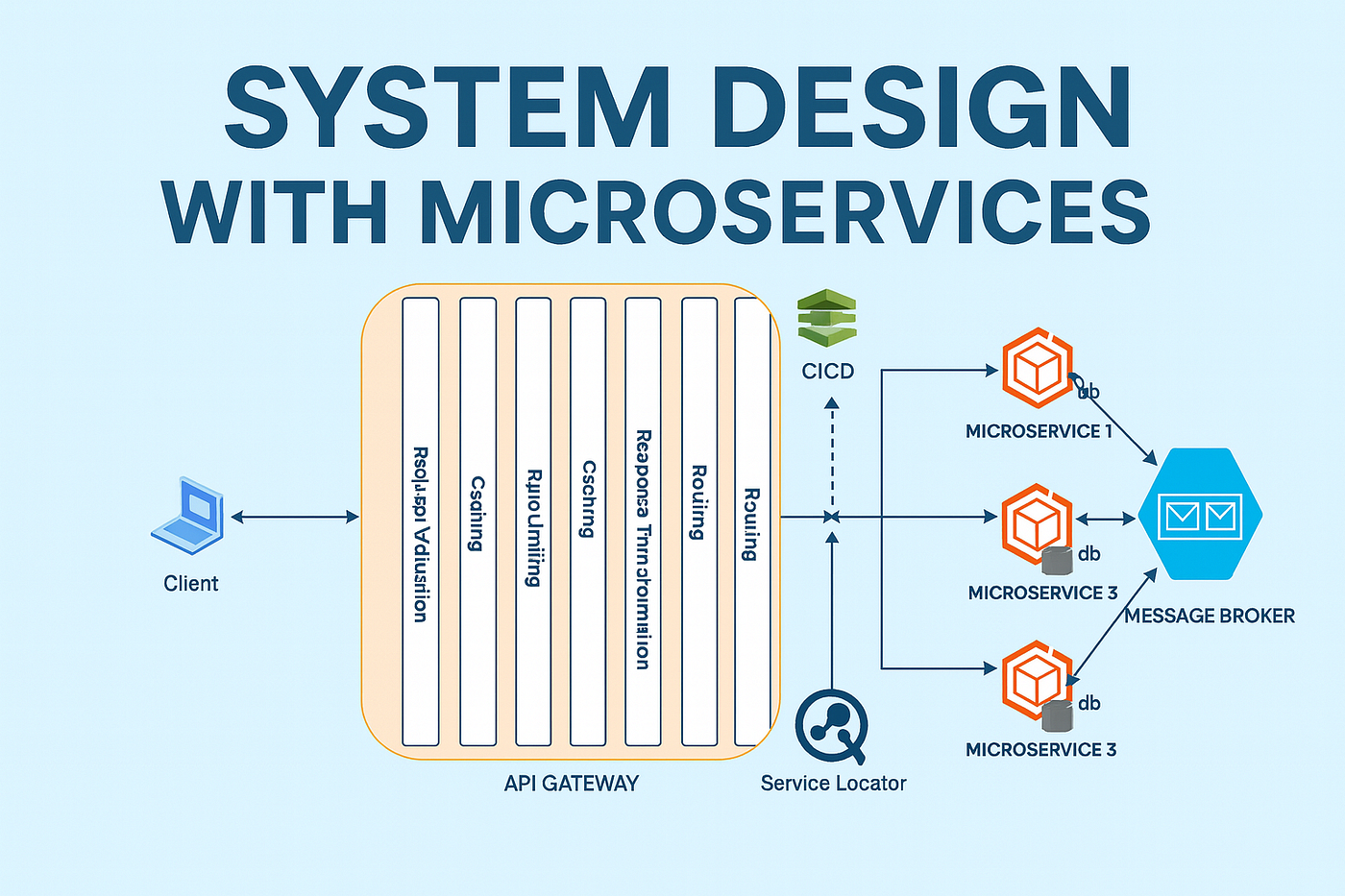
Microservices Architecture is a software design approach where an application is divided into small, independent services. Each service is responsible for a specific function and can operate, be updated, and be maintained independently.
Instead of building one large application that performs every task, developers create multiple smaller services that work together to deliver the complete application.
⚙️ How Does It Work?
Each microservice performs a dedicated task, such as user authentication, payments, notifications, or product management.
These services communicate with one another through well-defined interfaces, allowing them to exchange information while remaining independent.
Because each service is isolated, changes made to one service typically have minimal impact on others, making development and maintenance more efficient.
🚀 Where Are Microservices Used?
Microservices are widely used in modern software development across many industries.
Common applications include:
🔹 E-commerce platforms
🔹 Online banking systems
🔹 Streaming services
🔹 Cloud-based applications
🔹 Social networking platforms
🔹 Enterprise software
🔹 Mobile application back-end systems
They are especially useful for applications that need to scale and evolve rapidly.
✅ Benefits of Microservices
Microservices offer several important advantages.
✔️ Easier maintenance and updates
✔️ Independent development of different services
✔️ Better scalability for growing applications
✔️ Improved fault isolation, reducing the impact of individual service failures
✔️ Faster software development and deployment
✔️ Greater flexibility in choosing technologies for different services
⚠️ Challenges
While microservices provide many benefits, they also introduce additional complexity.
🔸 Managing communication between multiple services
🔸 Monitoring and troubleshooting distributed systems
🔸 Maintaining security across numerous services
🔸 Coordinating deployments and updates
🔸 Handling data consistency across different services
Proper planning and management are essential for successful implementation.
🏗️ Microservices vs Traditional Applications
In a traditional application, all features are typically built into a single, tightly connected system. Updating one part of the application may require redeploying the entire application.
With microservices, individual services can often be developed, tested, and deployed independently, making software development more flexible and efficient.
🔮 The Future of Microservices
As cloud computing and distributed systems continue to evolve, microservices are expected to remain an important architectural approach.
Future advancements may include:
✨ Improved automation tools
✨ Better monitoring and observability
✨ Enhanced security practices
✨ Greater integration with cloud-native technologies
✨ More efficient service management
These developments will continue to support the creation of scalable and resilient applications.
💭 Final Thoughts
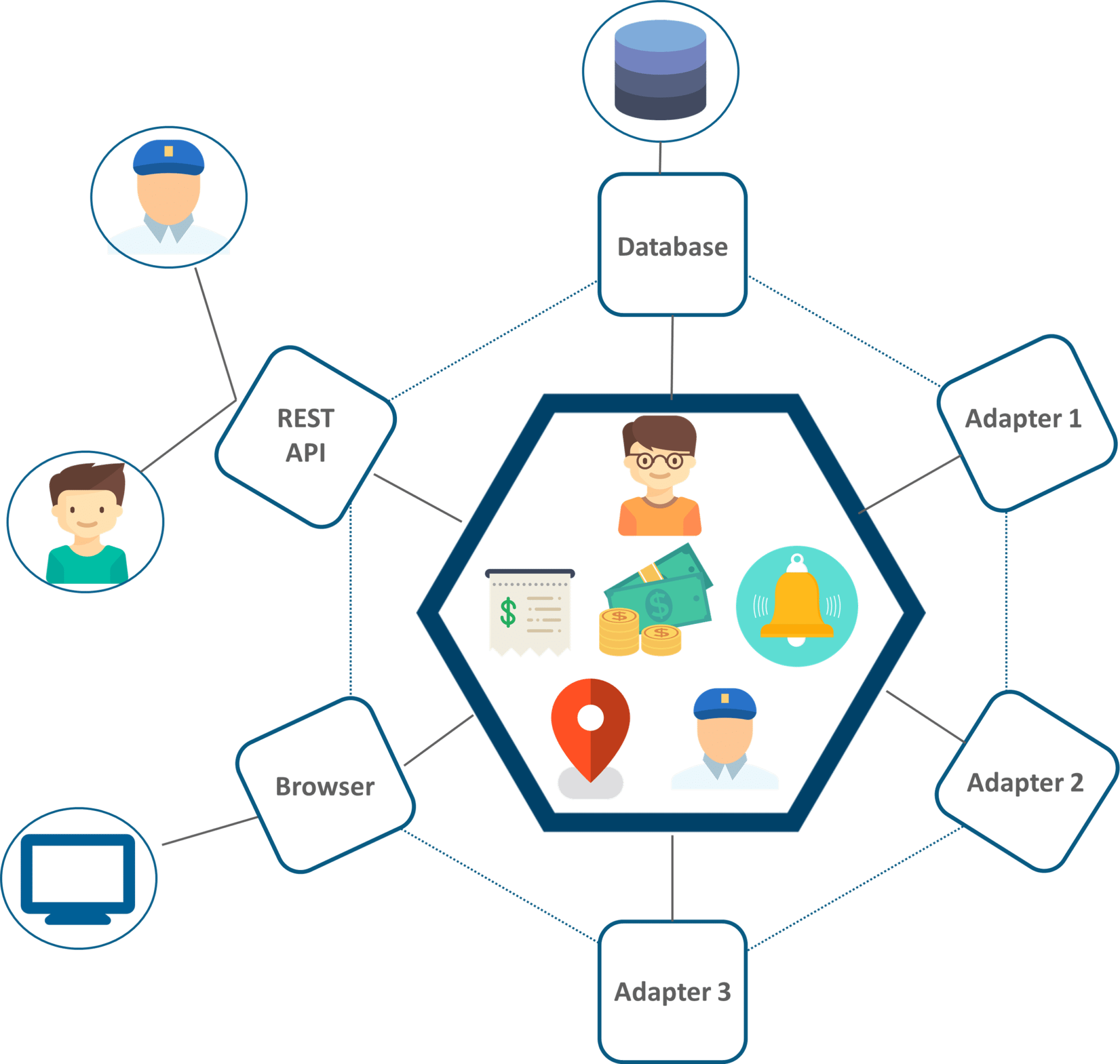
Microservices Architecture has transformed modern software development by breaking large applications into smaller, manageable services. This approach enables organizations to build applications that are more scalable, flexible, and easier to maintain.
As digital services continue to grow in complexity, microservices will remain a key foundation for developing reliable and high-performing software.
💬 Would you prefer building one large application or several smaller services working together? Share your thoughts below!
Please sign in
Login and share