



















🇮🇳💻 From Zero Computers to AI: India's Crazy Technology Journey

Hey Questers,
India's technology journey is honestly one of the most fascinating transformations in the world.
There was a time when computers were rare, expensive, huge machines, and India depended heavily on imported technology. Today, India is building supercomputers, smartphones, semiconductor fabs, AI models, cloud infrastructure and one of the world's largest digital ecosystems.
The journey from basic computing to AI didn't happen overnight. It was built over decades of experimentation, setbacks, engineering talent and ambitious technology projects.
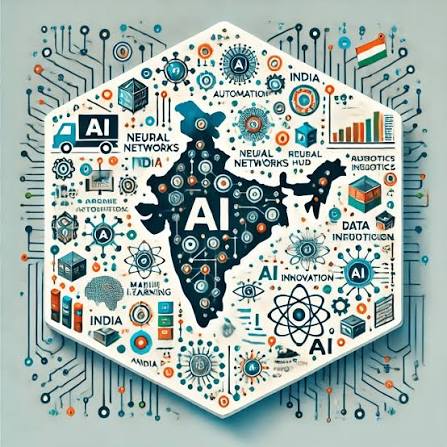
🖥️ The Beginning: When Computers Were a Luxury
In the early days, computers were nothing like today's laptops and smartphones. They were enormous, expensive machines mainly used by governments, universities and large organisations.
India's technology ecosystem was still developing, and access to advanced computing hardware was limited.
But Indian engineers began working on ways to develop computing capabilities locally instead of depending entirely on imports.
🚀 The PARAM Supercomputer Story
One of India's biggest technology turning points came in the 1980s.
When India faced restrictions on importing advanced supercomputers, the country decided to build its own.
This led to the creation of C-DAC in 1988, specifically with a mission that included developing indigenous supercomputing capability. Its first PARAM supercomputer was developed soon afterward.
This was more than just building a computer.
It sent a message:
If India couldn't buy the technology, it would learn to build it. 🇮🇳🔥
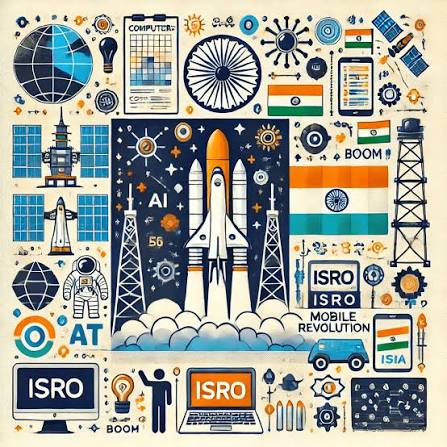
💻 The Rise of India's IT Revolution
The next huge chapter was software.
Companies such as TCS, Infosys and Wipro helped establish India as a major global IT and software-services hub.
TCS, for example, entered the technology industry in 1968, well before the modern internet era. India's IT industry eventually became a major global exporter of software and technology services.
Then came the Y2K era, when Indian IT professionals played an important role in helping global companies modernise and maintain their software systems.
India wasn't just consuming technology anymore.
India was building technology for the world. 🌍
🌐 From Computers to the Internet
The arrival of the internet changed everything.
Businesses moved online. Smartphones became common. E-commerce exploded.
Social media transformed communication.
India's technology story started shifting from:
Computer → Software
to:
Internet → Mobile → Digital Services
And this eventually created the foundation for India's massive digital transformation.
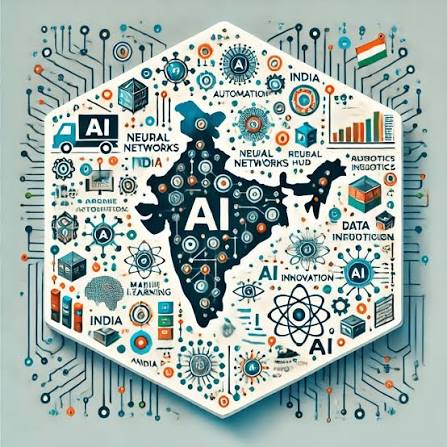
Revolution
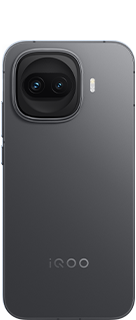
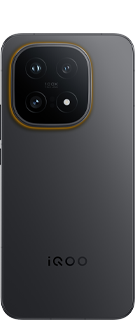
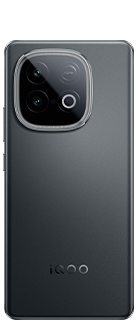
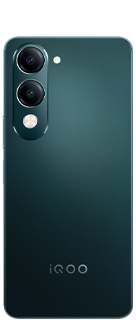
Smartphones brought computing power into the hands of hundreds of millions of Indians.
A device that could fit inside your pocket suddenly became:
📞 A telephone
📷 A camera
🎮 A gaming machine
💳 A payment terminal
🗺️ A navigation system
🎬 A television
🤖 An AI assistant
This dramatically increased India's demand for electronics and semiconductor technology.
💳 Then Came India's Digital Revolution
India didn't stop at smartphones.
Digital payments, online banking, digital identity, e-commerce and government platforms transformed how people interact with technology.
Today, smartphones aren't simply communication devices—they are becoming the primary gateway to India's digital economy.
🔮 What's Next?
The next 10–20 years could be even more interesting.
India could see massive growth in:
🤖 AI assistants and agents
🔬 Semiconductor manufacturing
🧠 Indigenous AI models
☁️ AI data centres
📱 AI-powered smartphones
🚗 Autonomous and connected vehicles
🛰️ Space technology
⚡ AI-powered energy systems
🏭 Smart manufacturing
The biggest challenge will be turning India's enormous talent pool into world-class products, research and technology companies, while also ensuring that AI creates opportunities rather than simply replacing existing jobs.
⭐ Final Thoughts
India's technology journey is not just a story about computers becoming faster.
It's a story about India moving from importing technology to designing, building and increasingly owning critical parts of the technology stack.
From PARAM to smartphones.
From software exports to AI.
From IT services to semiconductor manufacturing.
And now the next chapter is being written:
From a country that learned to use technology… to a country trying to build the technology of tomorrow. 🇮🇳🤖🚀
Thank You
COMMUNITY - @iQOO Connect
I QUEST ON AND ON 💛
Please sign in
Login and share