








📸 Periscope Cameras Explained — How Can a Phone Zoom So Far?

Hey Questers 🔥
Ever wondered how modern smartphones can capture a distant building, bird, or even the Moon with impressive detail despite being only a few millimetres thick? 🤔
One of the technologies making this possible is the periscope telephoto camera.
🔭 What Is a Periscope Camera?
A normal smartphone camera places its lens elements roughly in line with the thickness of the phone.
But there's a problem: powerful optical zoom requires a longer optical path, and smartphones simply aren't thick enough to accommodate a long conventional telephoto lens.
That's where the periscope design comes in.
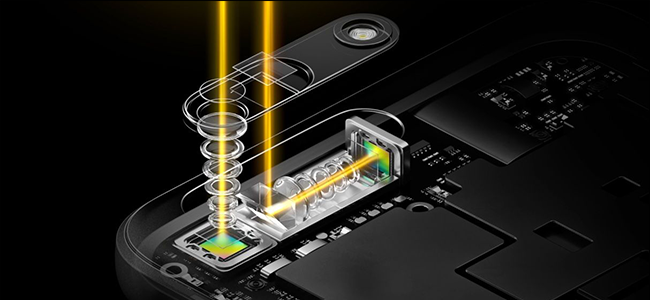
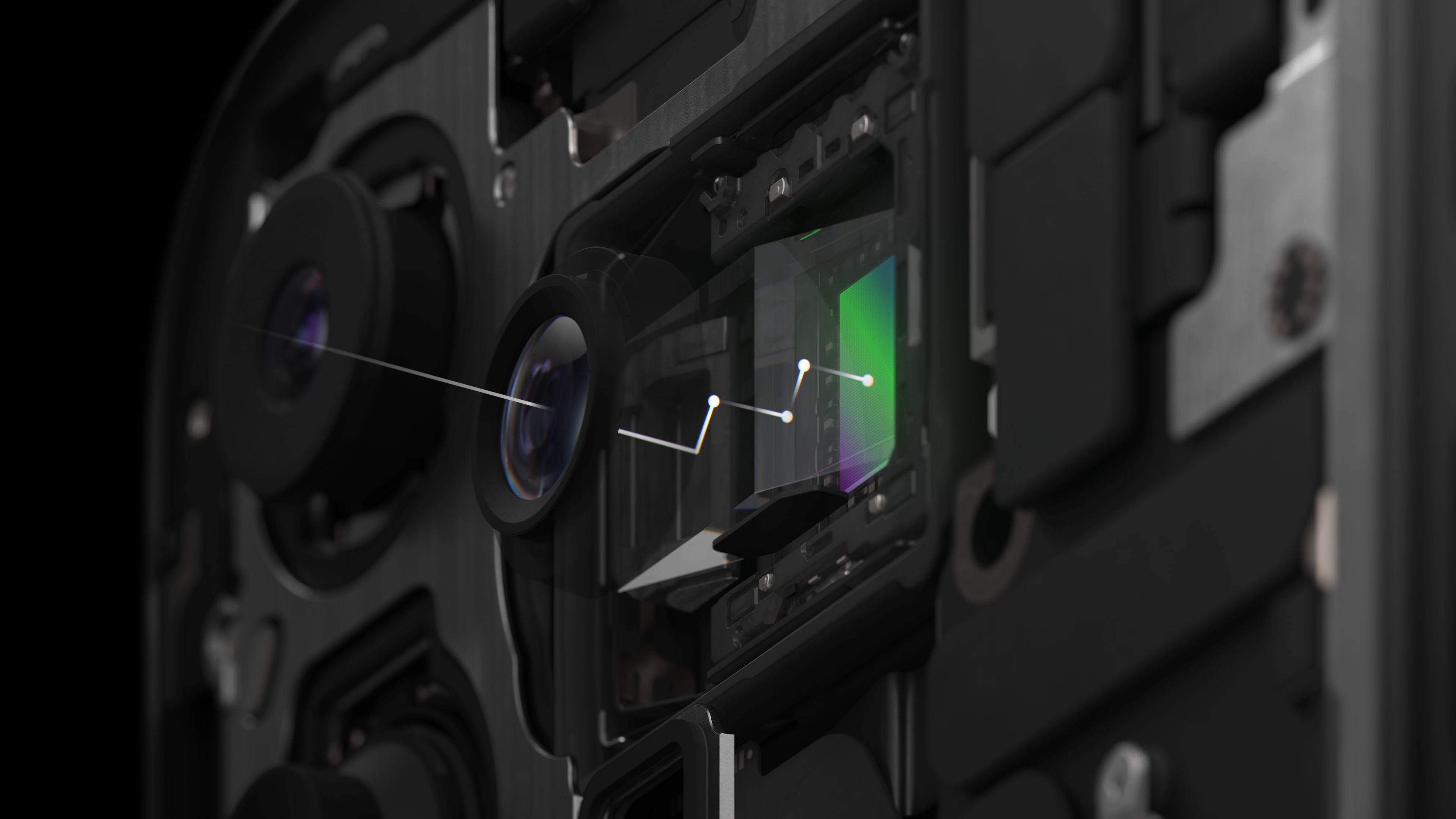
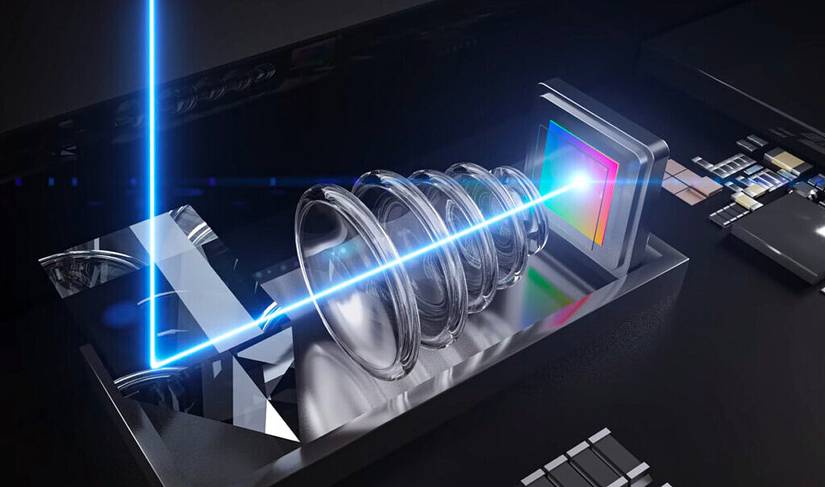
Instead of sending light straight toward the sensor, a prism redirects incoming light sideways inside the phone. The lens elements can then be arranged along the length or width of the device.
Think of it like:
Light → Prism 🔺 → Lens Elements 🔍 → Camera Sensor 📷
This folded design provides manufacturers with much more room for a longer focal length without making the phone extremely thick.
🔎 Optical Zoom vs Digital Zoom
This distinction is important.
Optical zoom uses the camera's optics and different focal lengths to capture distant subjects with greater real detail.
Digital zoom mainly crops and enlarges the image captured by the sensor. Modern computational photography and AI can improve the result considerably, but extreme digital zoom doesn't magically create all the detail that a longer optical system could capture.
That's why a dedicated telephoto or periscope camera can make such a big difference.
📱 Why Not Put a Periscope Camera in Every Phone?
Periscope systems require additional internal space and components. Manufacturers have to balance:
📸 Camera hardware
🔋 Battery capacity
❄️ Cooling systems
🔊 Speakers
📡 Antennas
⚡ Charging hardware
📱 Overall phone thickness
This is one reason sophisticated periscope cameras are more commonly found in premium and camera-focused smartphones.
🌙 How Do Phones Reach 30x, 50x or Even 100x Zoom?
Here's the interesting part!
When you see something like 50x or 100x zoom, that generally doesn't mean the phone has 100x optical zoom.
Instead, smartphones combine their telephoto/periscope hardware with sensor cropping, computational photography, image processing and digital zoom to reach those extreme magnifications.
So while 100x sounds incredible, the best image quality is usually obtained much closer to the camera's native optical focal lengths.
🤯 A Tiny Camera With Clever Engineering
Periscope cameras are a brilliant solution to a simple problem:
How do you fit a long telephoto optical system inside an incredibly thin smartphone?
Instead of making the phone dramatically thicker, engineers effectively fold the path of light inside the device.
The next time you zoom into something far away with a periscope-equipped smartphone, remember—there's some fascinating optical engineering happening behind that camera bump! 📱📸
💬 Community Question
How important is a periscope telephoto camera when you're buying a smartphone?
Would you rather have:
📸 A powerful periscope camera
🔋 A bigger battery
🎮 Better gaming performance
⚡ Faster charging
Share your choice below! 👇
Please sign in
Login and share