


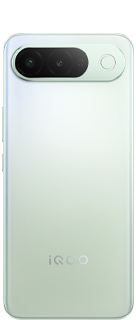
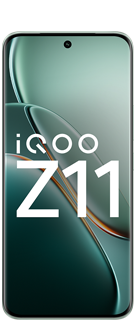
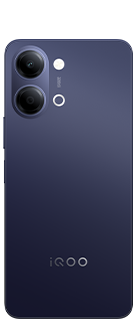
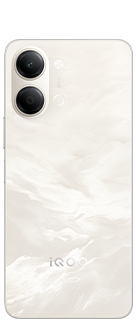
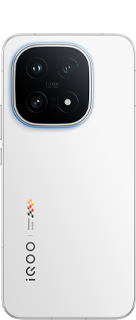
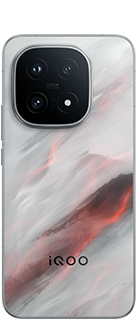
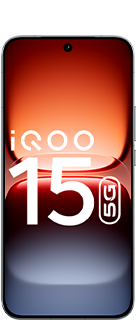
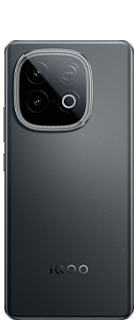
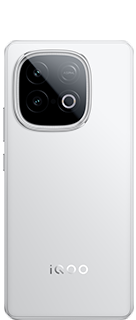
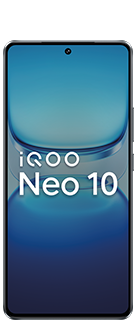
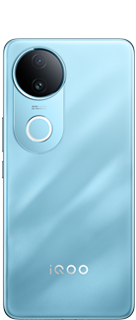
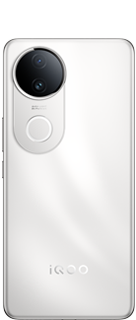
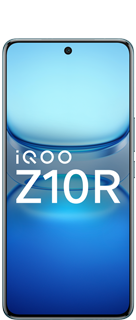
Comparing iQOO 16 and iPhone 18 Pro as Everyday Flagships, Not Gaming Phones

When we talk about the iQOO 16, the conversation usually revolves around its processor, gaming chip and 165Hz display. And when we talk about the iPhone 18 Pro, cameras and Apple's ecosystem tend to take centre stage.
But what happens when we look at both as everyday smartphones?
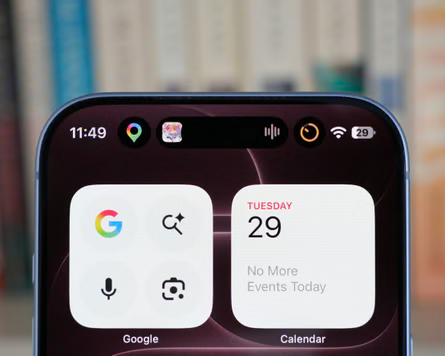
Display & Everyday Comfort
The iQOO 16 features a 6.85-inch 2K 165Hz Samsung M16 LTPO OLED display, while the iPhone 18 Pro comes with a 6.3-inch Super Retina XDR OLED display with adaptive ProMotion up to 120Hz. The larger iQOO display could be great for reading, watching videos and multitasking, while the iPhone's relatively compact screen could make one-handed use more comfortable.
Camera: Everyday Photography
Both phones take different approaches to their camera systems.
The iQOO 16 features:
- 50MP main camera with OIS
- 50MP periscope telephoto with OIS
- 50MP ultra-wide camera
The iPhone 18 Pro offers:
- 48MP main camera with variable aperture
- 48MP ultra-wide camera
- 48MP telephoto camera with 4x optical zoom
What I'd really want to compare is skin-tone consistency, indoor photography, portraits, moving subjects and video recording.
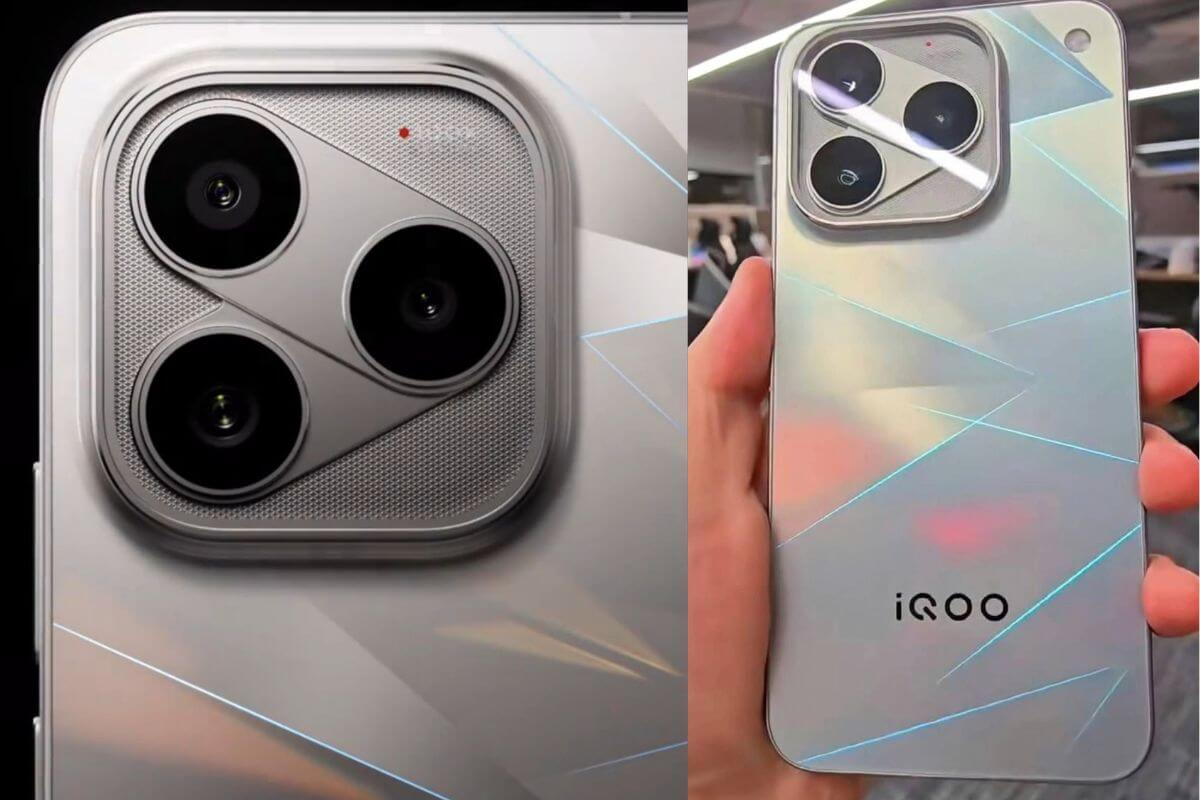
Battery & Charging Habits
The iQOO 16 comes with an 8,400mAh battery, 100W wired charging and 40W wireless charging. Apple takes a different approach, quoting up to 24 hours of typical use and up to 36 hours of video playback for the iPhone 18 Pro. I'd be interested in comparing actual screen-on time, standby drain, navigation, video streaming and charging convenience.
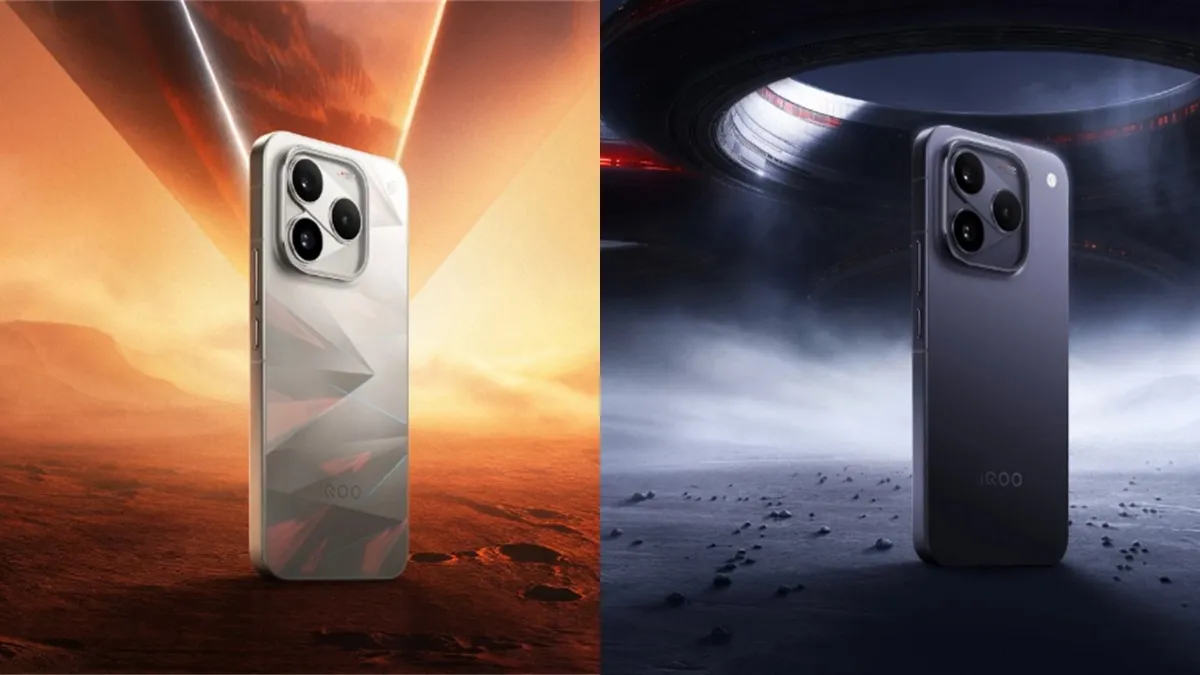
👀 My Take
I think this comparison becomes much more interesting when we stop looking at these devices as gaming and performance machines. The iQOO 16 brings a larger display, substantial battery capacity, fast charging and a feature-rich Android experience.
The iPhone 18 Pro offers a compact ProMotion display, variable-aperture camera system, advanced video capabilities and Apple's integrated ecosystem.
Neither approach automatically makes one a better everyday flagship.
If you had to use one of these as your primary phone for the next two years, which would you choose and what would be the biggest deciding factor?
Please sign in
Login and share