









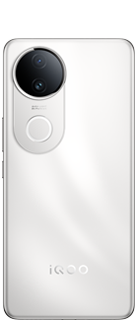

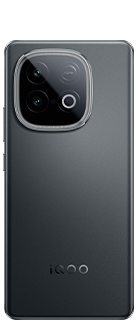
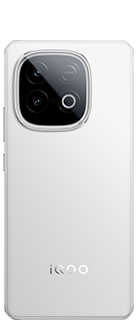
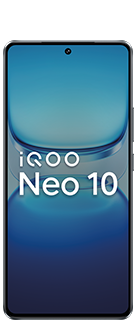

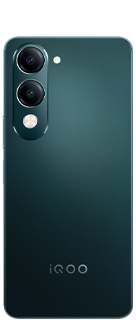
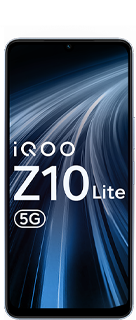

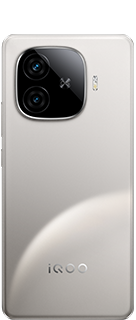


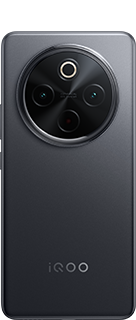

👉 Let's talk about 📸 Megapixels (MP)!

Hey 🖐️Questers,
How are you? Hope you all are doing good and enjoying this Platform of #iQOOConnect very much.Today i am discussing a very interesting topic related to Smartphone Camera's 📸 ie, MP(megapixels). So without further ado let's start this topic.
In the world of smartphones, one of the most talked-about features of a camera is its megapixel count. In short we call it 'MP'. But what exactly are megapixels, and how do they affect the quality of your smartphone's camera? Let's discuss in detail😊.
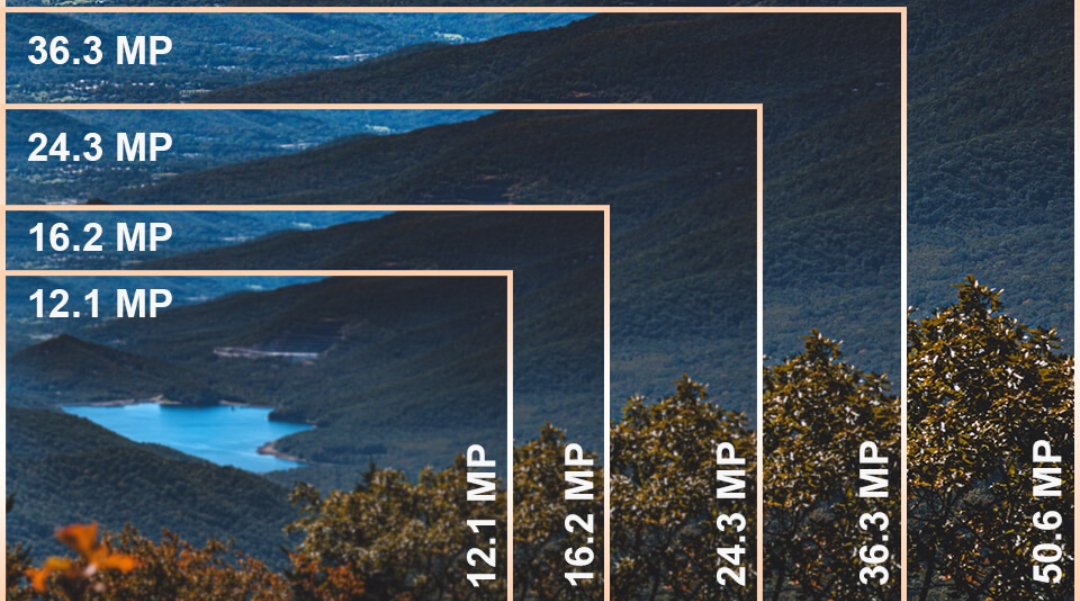
What are Megapixels?
A megapixel means one million pixels. The resolution of digital cameras and camera phones is often measured in megapixels. For example, a 12-megapixel camera can produce images with 12 million total pixels.
Megapixels refer to the number of pixels in an image, with one megapixel equaling one million pixels. In a smartphone camera, the higher the megapixel count, the more detail and resolution the camera can capture. For eg : 20-megapixel camera can capture 20 million pixels.
How do Megapixels Affect Image Quality?
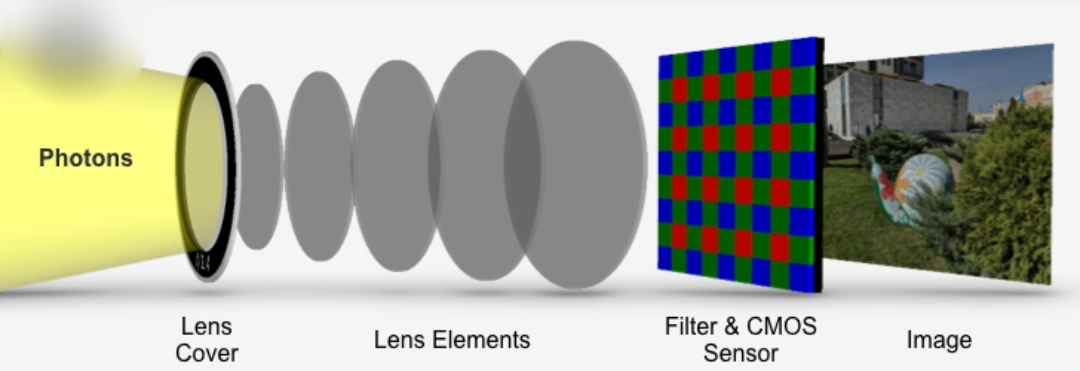
While having a higher megapixel count can lead to more detail and resolution in an image, it's important to note that megapixels alone don't determine image quality. Other factors such as sensor size, lens quality, and image processing also play a significant role in determining the overall quality of a smartphone camera.
Sensor Size:
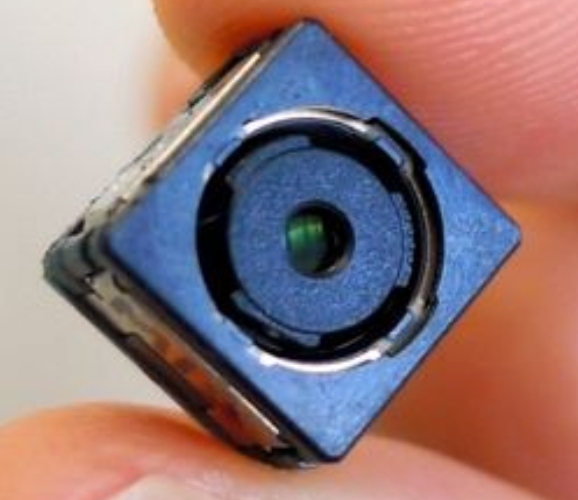
The sensor size is the area on the camera's image sensor that captures light. A larger sensor size can capture more light, which can result in better image quality, especially in low-light conditions. A smaller sensor size may struggle to capture enough light, resulting in images that are darker or have more noise.
Lens Quality:
The lens is responsible for focusing the light onto the sensor. A high-quality lens can produce sharper images with better contrast and color accuracy. A lower-quality lens may struggle to produce sharp images or may introduce distortions or color fringing.
Image Processing:
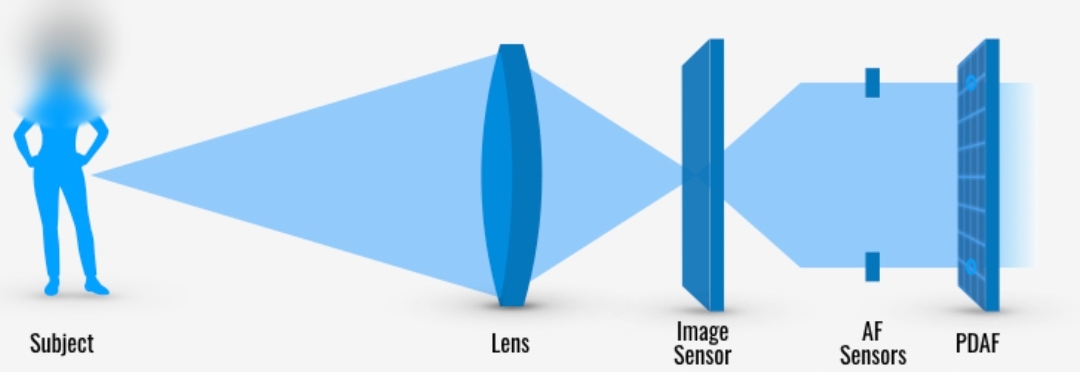
The image processing software in a smartphone camera is responsible for adjusting exposure, color balance, and sharpness. Good image processing can improve the overall quality of an image by correcting for any issues with the sensor or lens.
Are More Megapixels Always Better?
While a higher megapixel count can lead to more detail and resolution in an image, it's not always the case that more megapixels are better. Higher megapixel counts can also lead to larger file sizes, which can take up more storage space on your phone and may require more processing power to handle.
Additionally, if a smartphone camera has a high megapixel count but a smaller sensor size or lower-quality lens, the extra pixels may not result in better image quality. In fact, images from such a camera may appear noisy or blurry.
Overall, while megapixels are an important factor to consider when choosing a smartphone camera, it's important to also consider other factors such as sensor size and lens quality to ensure you're getting the best possible camera for your needs.
📝Signing Off
TechSAM009
Please sign in
Login and share