





WHICH WATCH UI IS THE BEST??

RTOS vs Wear OS: A Comprehensive Comparison
In the world of smartwatches, two operating systems reign supreme: RTOS and Wear OS. Each has its own distinct advantages and disadvantages, making the choice between them a matter of personal preference and needs. This article delves into a detailed comparison of RTOS and Wear OS, highlighting their key features, strengths, and limitations.
RTOS: The Lightweight Champion
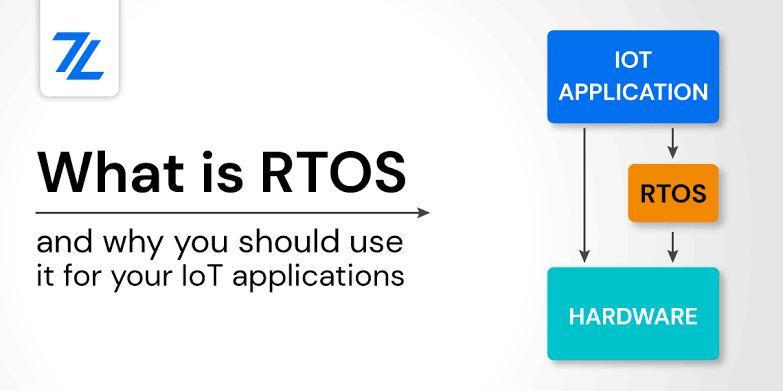
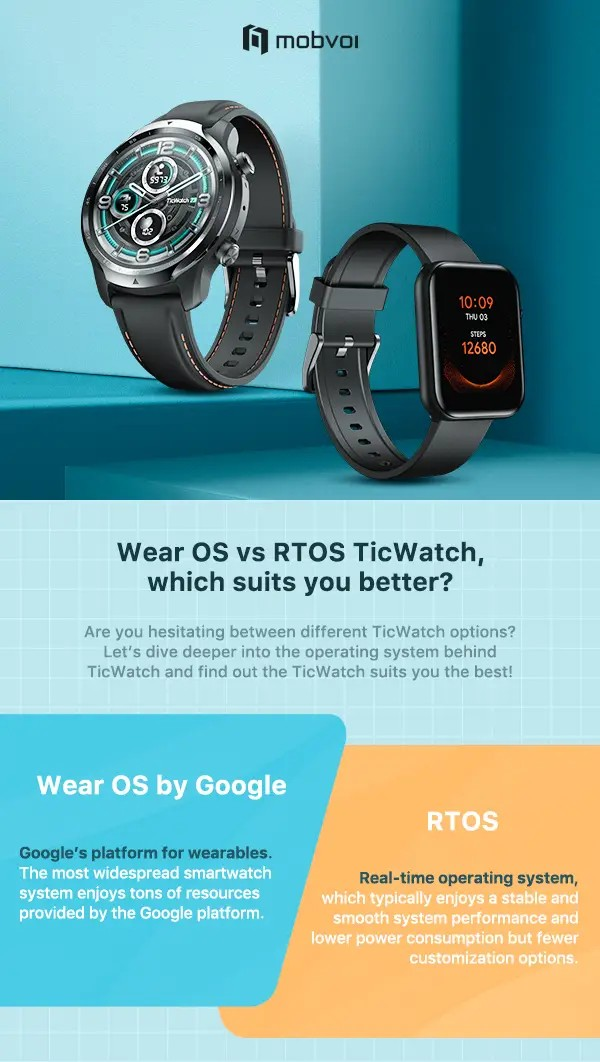
Real-time operating systems (RTOS) are designed for devices with limited resources, prioritizing efficiency and responsiveness. They excel at performing time-critical tasks, making them ideal for smartwatches that focus on basic functionalities like fitness tracking and notifications.
Advantages of RTOS:
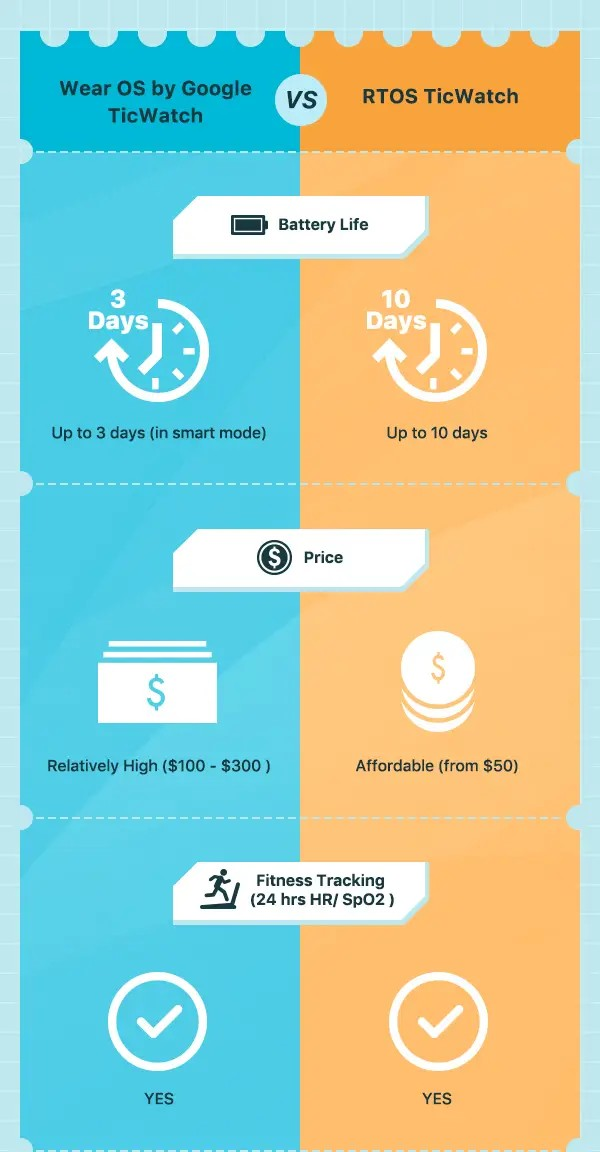
* Exceptional Battery Life: RTOS smartwatches typically boast longer battery life due to their lightweight nature and efficient resource management.
* Seamless Performance: RTOS ensures smooth and responsive performance, even with limited hardware resources.
* Simplified User Interface: RTOS smartwatches often feature simplified user interfaces, making them easy to navigate and use.
Disadvantages of RTOS:
* Limited App Ecosystem: RTOS offers a smaller app selection compared to Wear OS, restricting the range of functionalities.
* Reduced Customization: RTOS smartwatches may offer fewer customization options compared to Wear OS counterparts.
Wear OS: The Feature-Rich Powerhouse
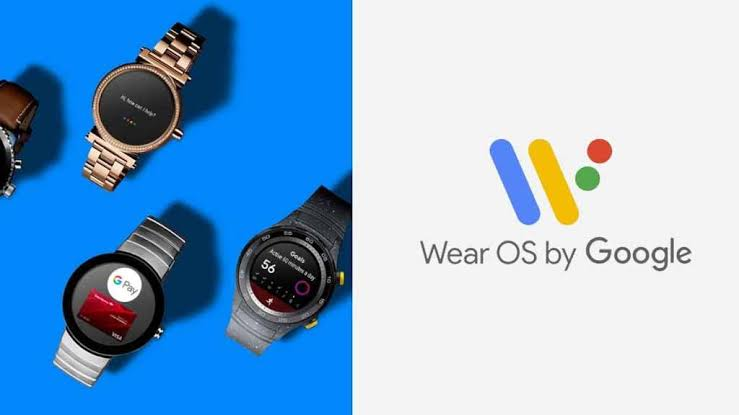
Wear OS, developed by Google, is a full-fledged smartwatch operating system based on Android. It offers a rich app ecosystem, advanced features, and extensive customization options.
Advantages of Wear OS:
* Vast App Ecosystem: Wear OS boasts a vast selection of apps, providing a wide range of functionalities and experiences.
* Advanced Features: Wear OS supports advanced features like voice assistants, mobile payments, and third-party app integrations.
* Extensive Customization: Wear OS allows extensive personalization, from watch faces to app layouts.
Disadvantages of Wear OS:
* Higher Battery Consumption: Wear OS typically consumes more battery due to its complex operations and extensive features.
* Demanding Hardware Requirements: Wear OS requires more powerful hardware, which may increase the cost of smartwatches.
Choosing the Right OS for Your Needs
The decision between RTOS and Wear OS depends on your priorities and usage patterns. If you prioritize extended battery life, basic functionalities, and a streamlined experience, RTOS is a suitable choice. On the other hand, if you seek a feature-rich smartwatch with a vast app selection and advanced capabilities, Wear OS is the better option.
Conclusion
RTOS and Wear OS represent two distinct approaches to smartwatch operating systems. RTOS prioritizes efficiency and simplicity, while Wear OS offers a feature-rich and customizable experience. Ultimately, the choice between them depends on your individual needs and preferences.
FOLLOW @TechieGuyFOR MORE SUCH INFORMATIVE CONTENT 🤟🤙.
Please sign in
Login and share