


Samsung vs. BOE Global OLED Display Manufacturing Gaints for Smartphones

Hello Questers,
As we know Samsung and BOE are competitors in the OLED display market for smartphones. Samsung currently holds over 90% of the market share, but BOE is emerging as a formidable challenger.
Samsung Smartphone Display:
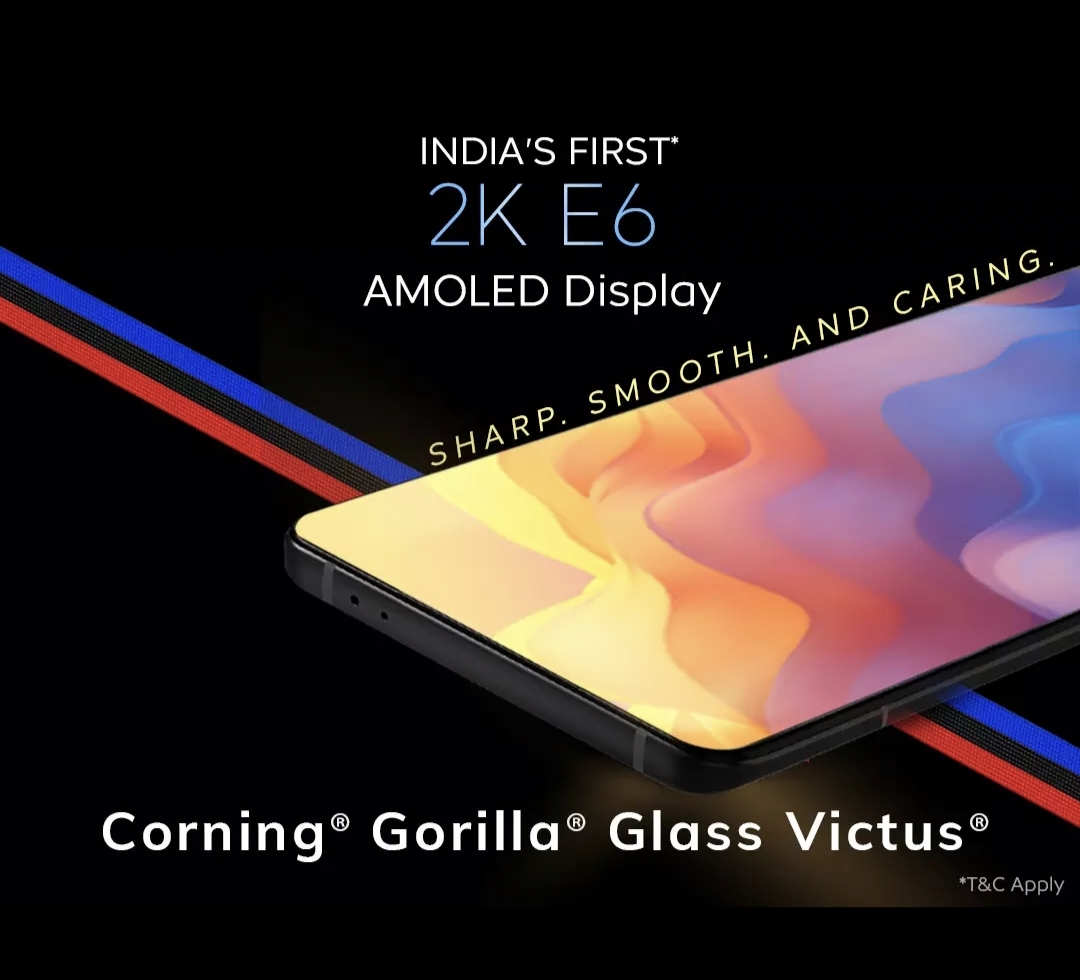
Samsung Display, headquartered in South Korea, maintains production facilities in China, Vietnam, and India, and maintains sales offices in six different nations.
They are renowned for their pioneering work in mass-producing OLED and quantum dot displays and have set their sights on developing cutting-edge technologies such as slidable, rollable, and stretchable display panels.
On April 1, 2012, Samsung Display Corporation was established as a separate entity from Samsung Electronics, and it officially commenced operations on July 1. This was achieved through the merger of Samsung Electronics' LCD business, S-LCD Corporation, a manufacturer of amorphous TFT LCD panels, and Samsung Mobile Display, which was responsible for Samsung's OLED technologies.
By unifying OLED and LCD operations, Samsung Display claimed its place as the world's largest display company.
Boe Smartphones Display:
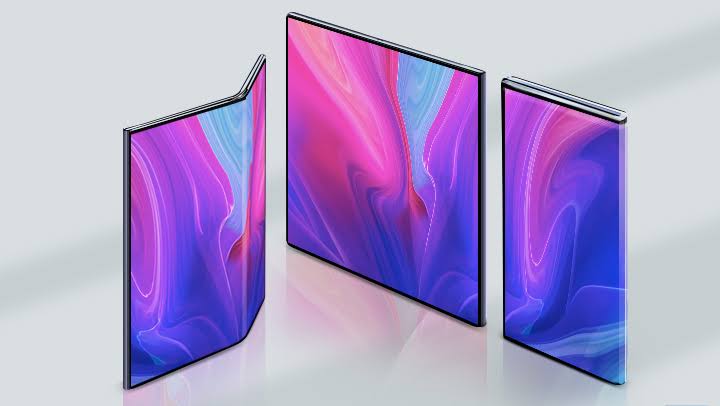
BOE Technology Group Co., Ltd., also known as Jingdongfang, is a prominent Chinese company specializing in electronic component manufacturing, established in April 1993.
The company primarily focuses on core sectors such as interface devices, smart IoT systems, and the integration of smart medicine and engineering solutions.
BOE has earned its reputation as one of the global leaders in the production of LCDs, OLEDs, and flexible display technologies.
There are two main reasons for this:
1. Financing Advantage:
BOE, as a state-owned enterprise, has access to favorable state financing, which is crucial for the capital-intensive OLED display manufacturing. They've already invested over $10 billion, primarily borrowed from state banks.
2. Access to End Users:
BOE has an edge in reaching end users because Chinese smartphone brands are gaining dominance, while Samsung's market share in China has decreased to 2%. Many of these brands are turning to BOE as their OLED display supplier.
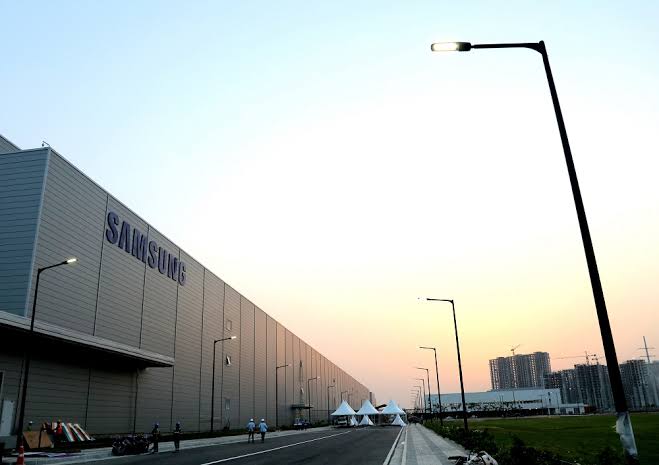
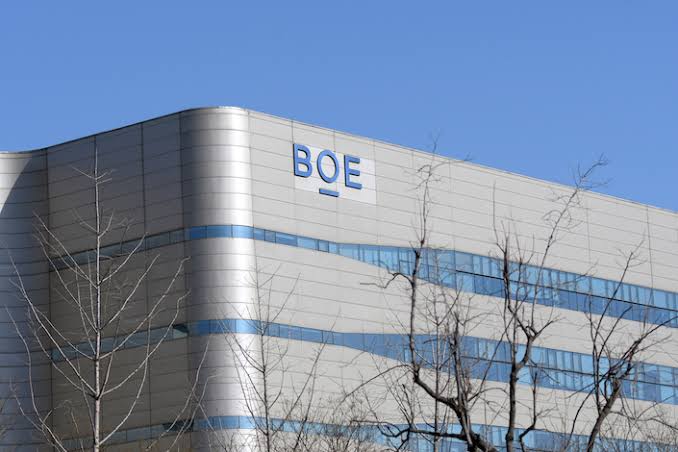
To compare the supply chains of Samsung and BOE:
1.Cost:
Samsung has an advantage in cost and yield. Even a 1% improvement in annual yield rate can save $20 million. BOE has improved its yield rate, but Samsung's yield rate is higher at 80%, making its costs lower.
2.Capacity:
Samsung currently controls more than 90% of global manufacturing capacity for smartphone OLED displays. BOE is catching up but is expected to have less than half of Samsung's capacity by 2022.
3.Downstream Relationships:
Samsung's dominance has made some device makers concerned about over-reliance on a single supplier. As a result, they are seeking alternative suppliers, with some turning to BOE.
In summary,
Samsung and BOE are in a competitive race in the OLED display market, with BOE's cost and capacity improving, making it a significant challenger to Samsung's dominance, especially in the context of China's growing smartphone market.
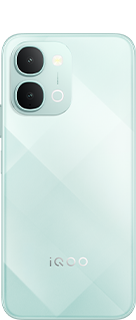
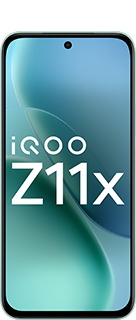
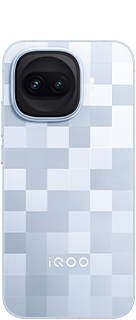
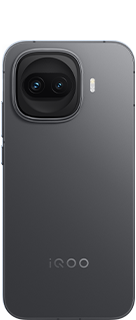
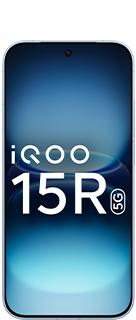
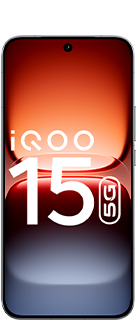
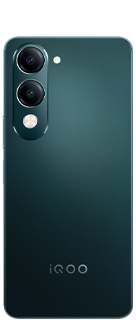
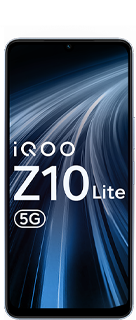
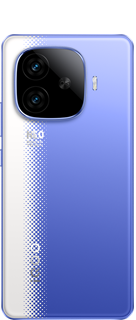
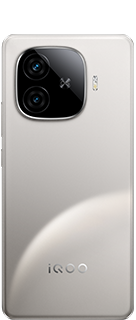
The latest premium device from iQOO, the iQOO 11, stands out with its display,this smartphone features a cutting-edge 2K display from Samsung, making it the first of its kind in the brand's lineup.
Follow me @JStreetS for more useful threads and don't forget to show some ❤️
Signing off
Your Qool Quester 😎
Please sign in
Login and share